
Central Arnhem Land Art
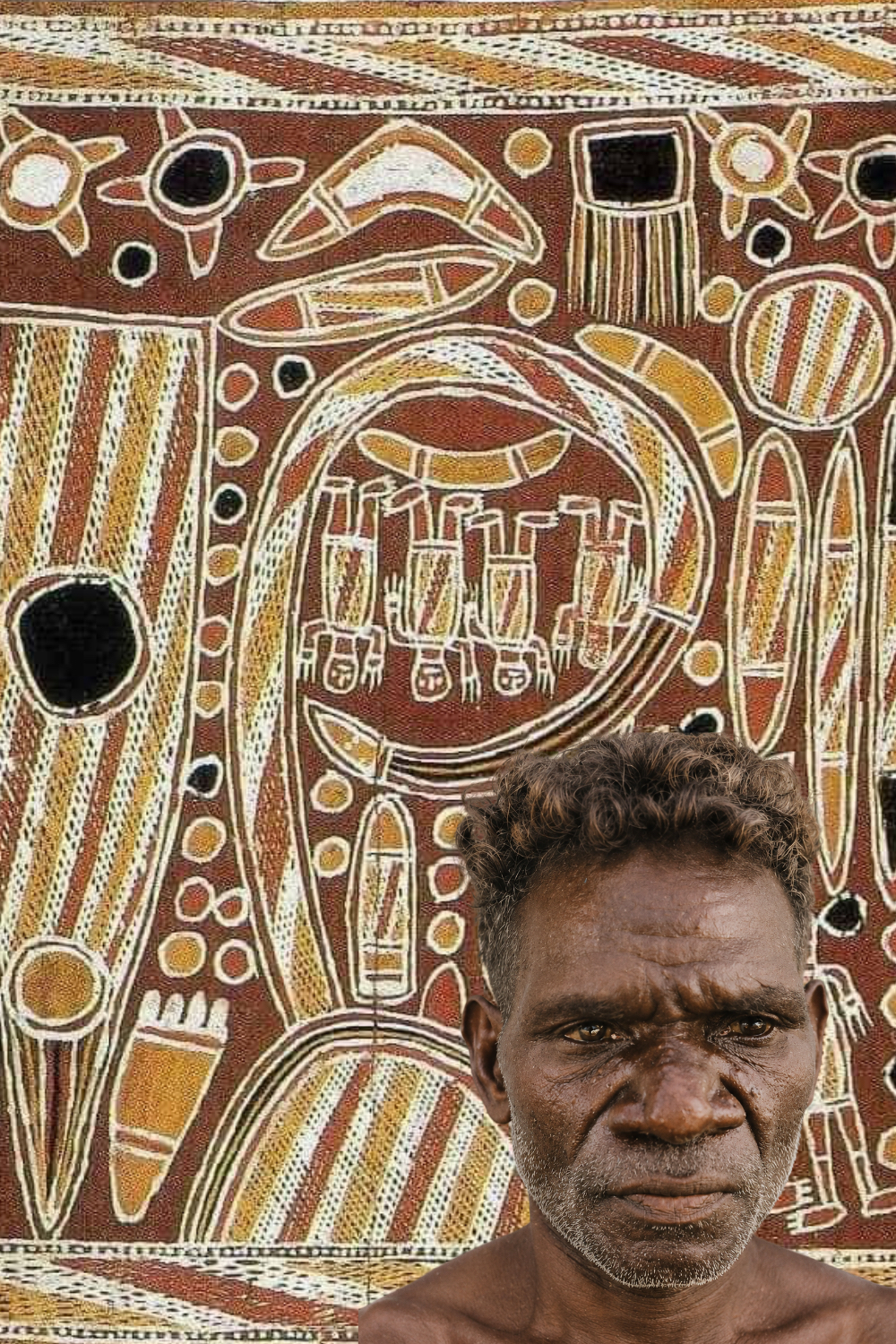
Central Arnhem Land Art encompasses the bark painting and sculptural traditions associated particularly with Milingimbi, Ramingining and the Arafura Swamp in the Northern Territory. Its leading artists belonged to Aboriginal clans whose ancestral Country and ceremonial traditions extended across the region.
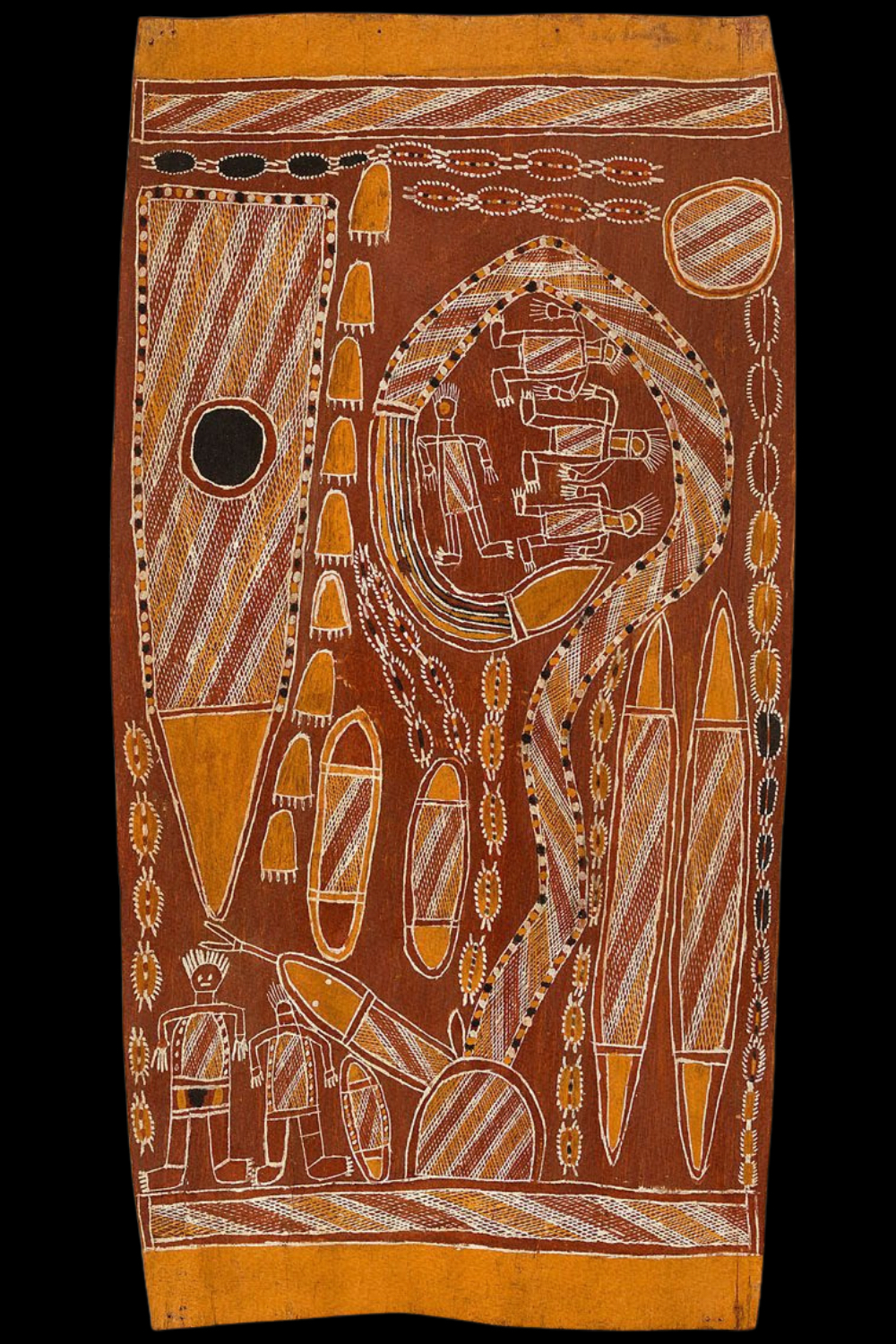
Central Arnhem Land bark paintings are distinguished by their combination of ancestral figures, animals, intricate geometric clan designs and finely executed crosshatching. Artists developed highly individual styles, depicting ceremonial narratives, ancestral journeys and the abundant wildlife of the Arafura Swamp.
The tradition gained particular prominence at Milingimbi during the 1950s, when artists including Binyinyuwuy, Dawidi and Lipundja produced some of Australia’s finest early bark paintings. Later, artists associated with Ramingining, including George Milpurrurru and Jimmy Wululu, achieved national and international recognition.
Although sharing artistic traditions with Yirrkala Art in north-east Arnhem Land and Oenpelli Art in the west, Central Arnhem Land painting developed a distinctive regional character and occupies an important place in the history of Aboriginal bark painting.
I am particularly interested in acquiring early Central Arnhem Land bark paintings and sculptures. If you have a work for sale or would like an assessment, please contact me with photographs, dimensions and any available provenance.
Central Arnhem Land Artists
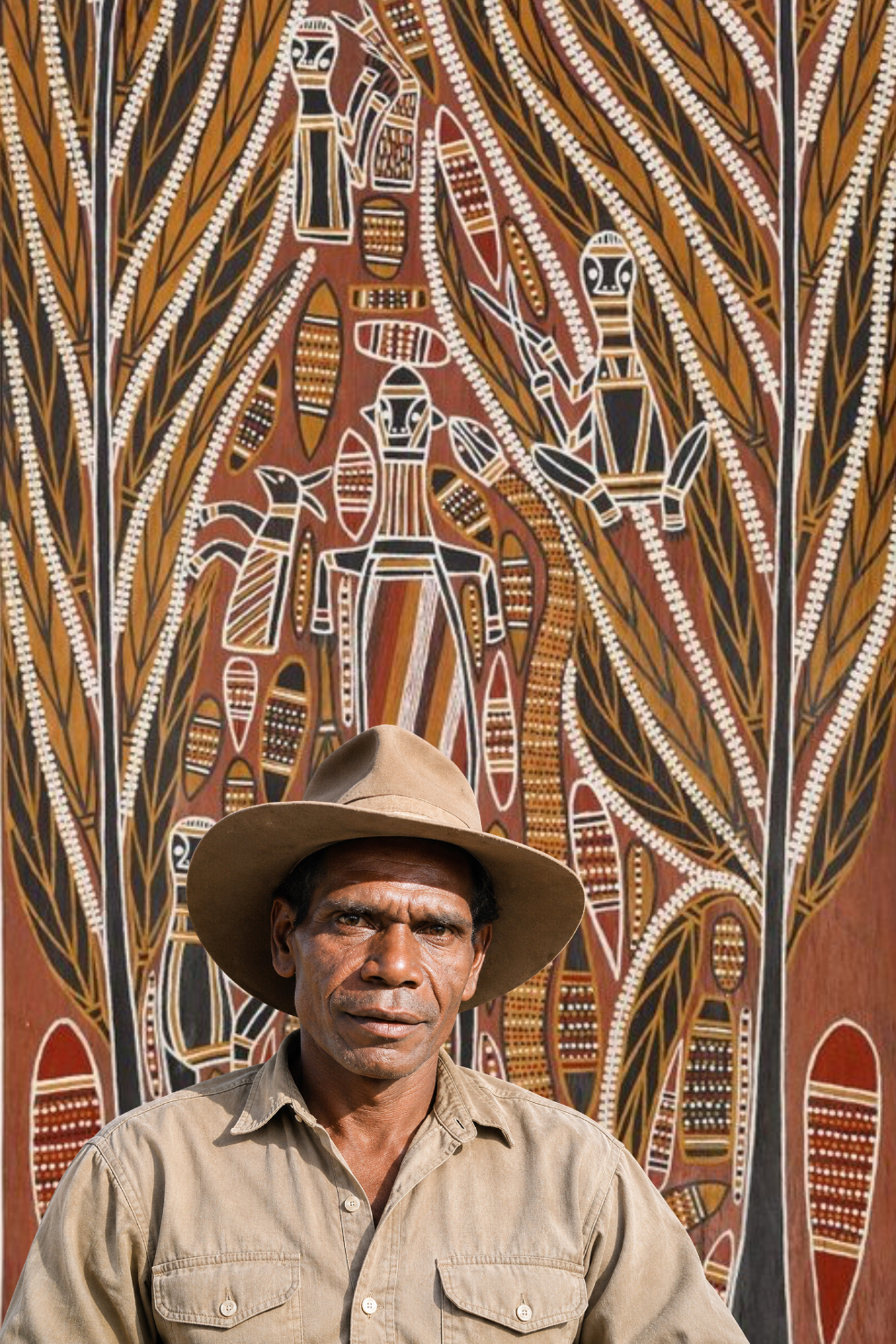
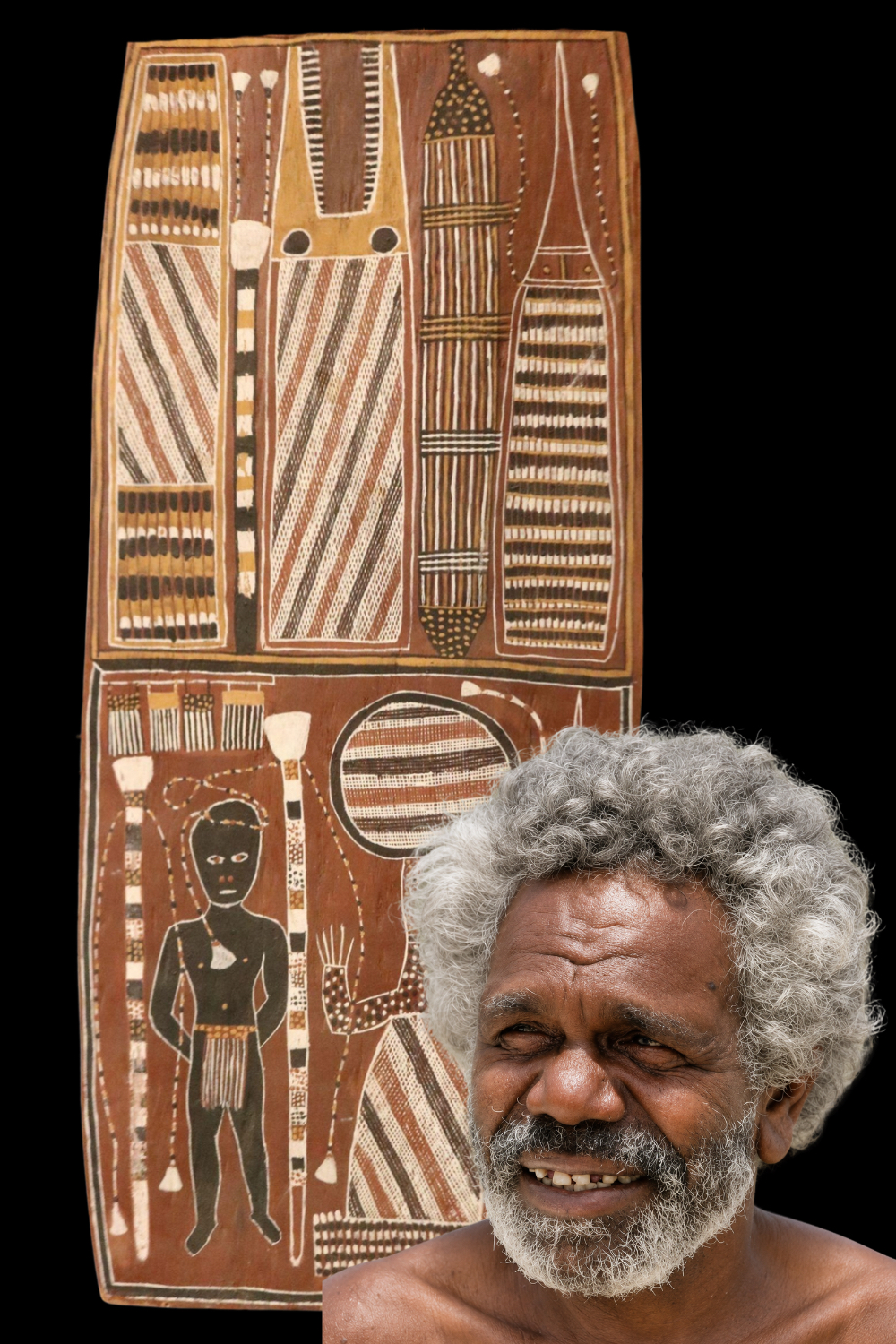
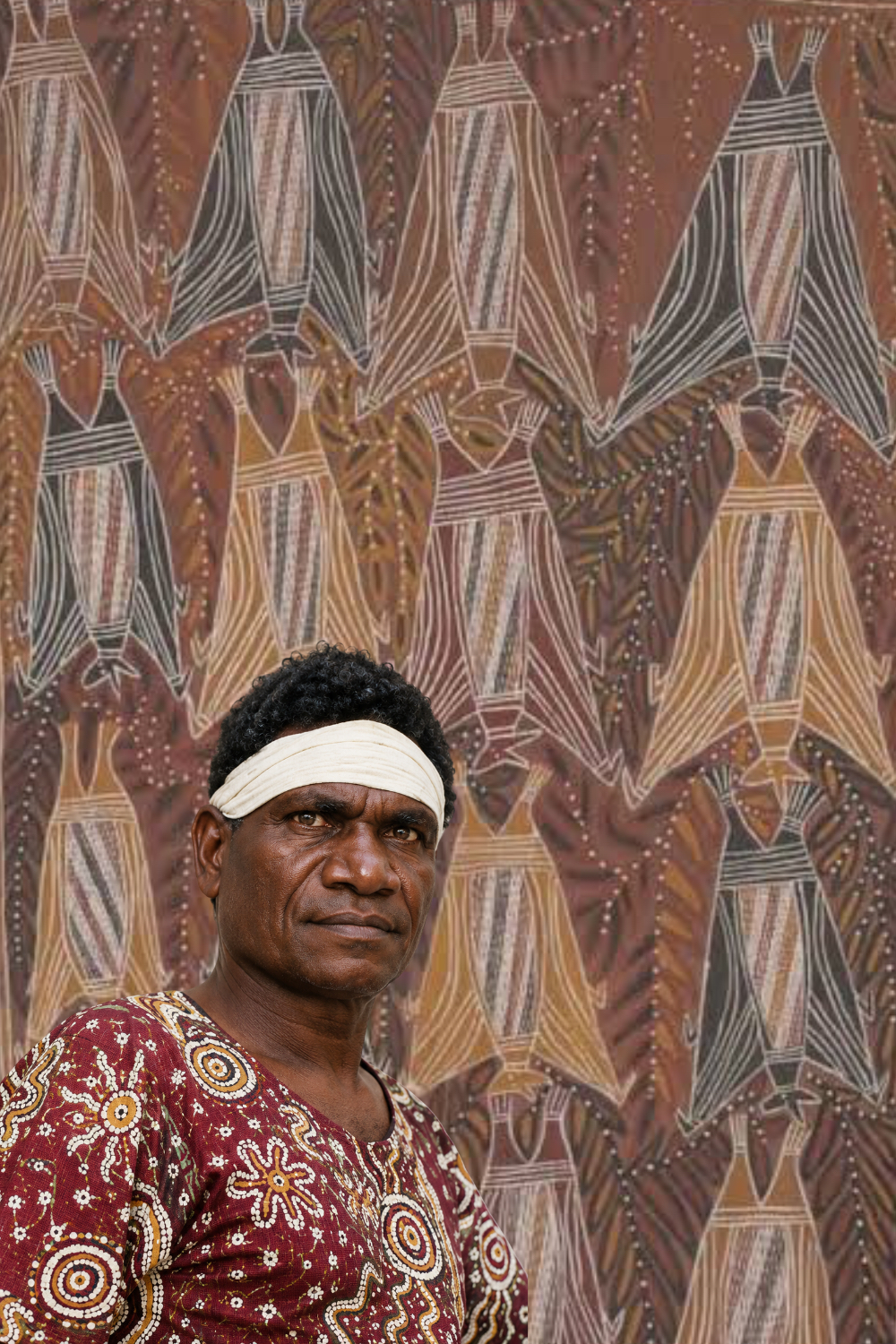
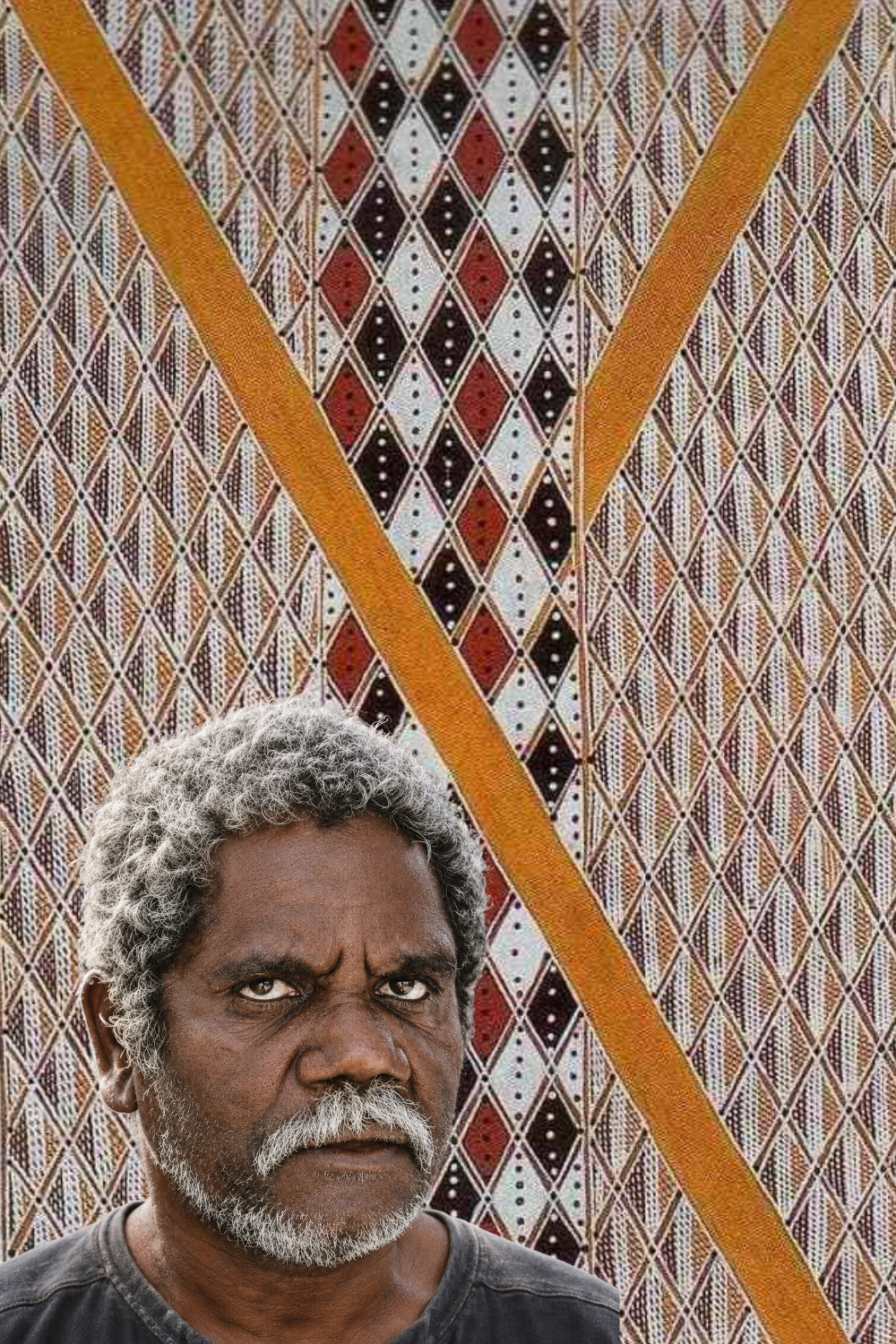
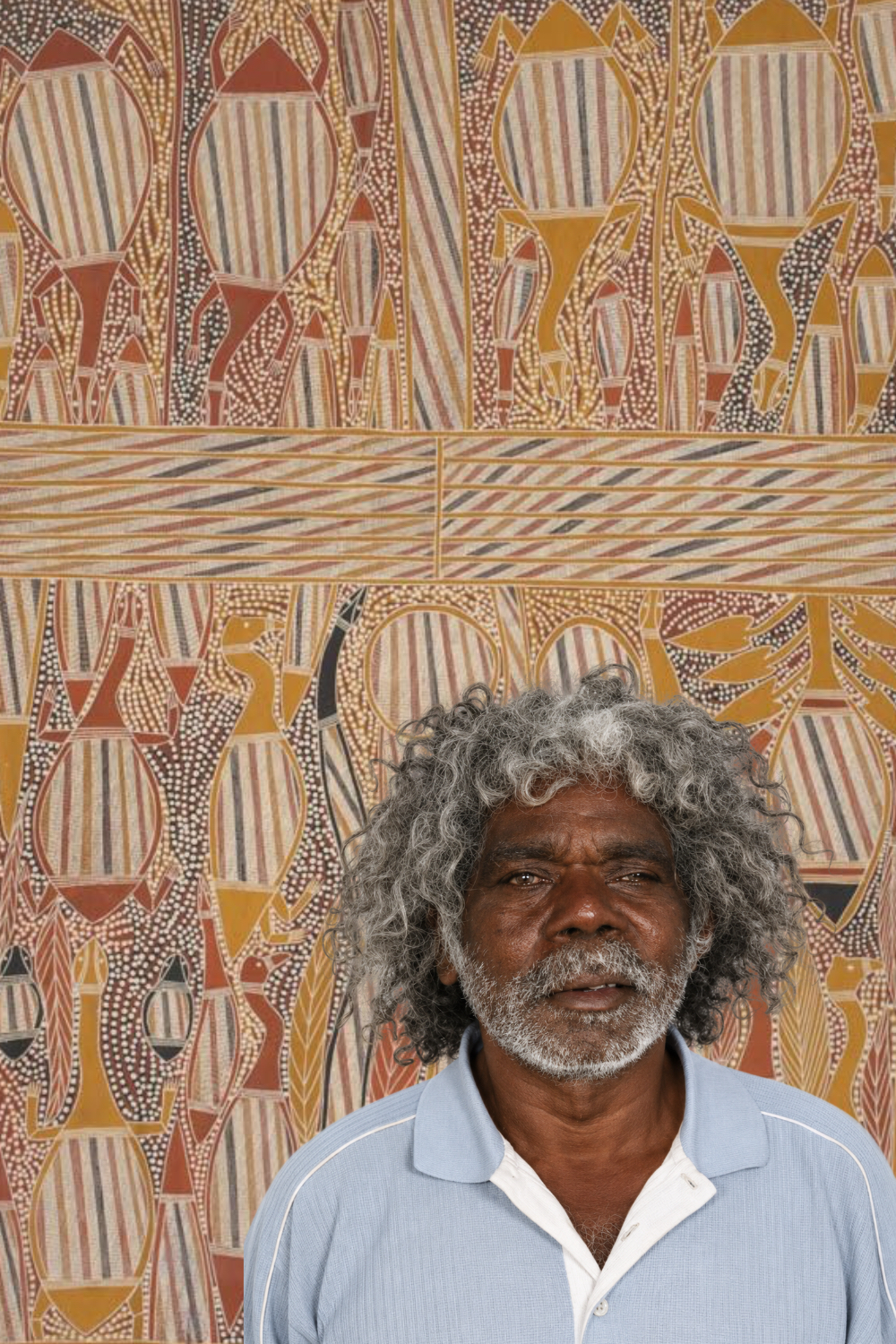
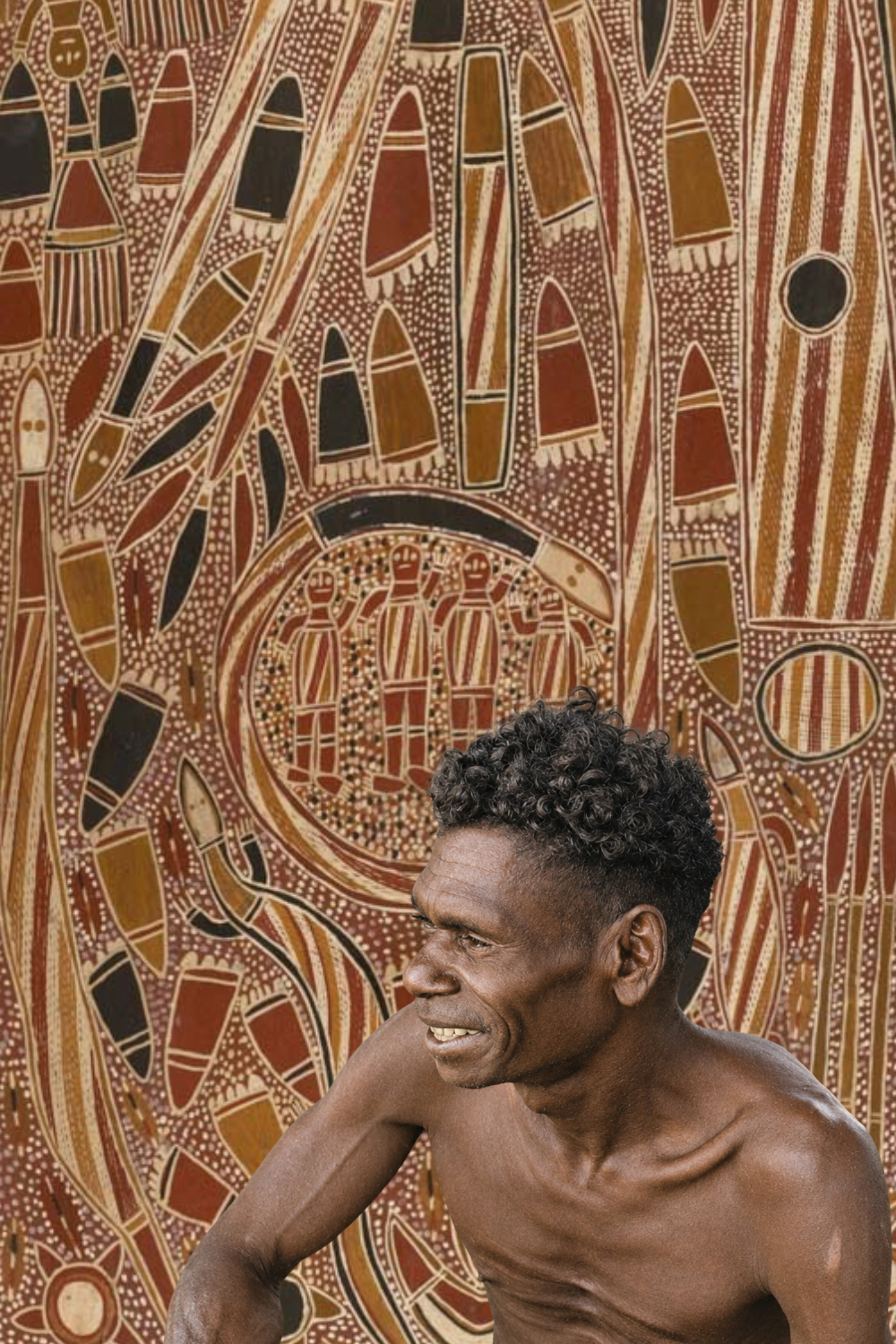
Central Arnhem Land produced some of Australia’s most accomplished bark painters. Their works range from detailed ancestral narratives to powerful geometric compositions, reflecting the individual styles and ceremonial responsibilities of artists associated with Milingimbi, Ramingining and surrounding Country.
History of Central Arnhem Land Art
Milingimbi and the Early Bark Painters
Milingimbi, also known as Yurrwi, is an island in the Crocodile Islands off the northern Arnhem Land coast. Although Aboriginal painting traditions existed long before European settlement, the establishment of a Methodist mission in 1923 created new opportunities for producing bark paintings for outside audiences.
The island brought together people from several surrounding clan estates, each maintaining distinct ancestral designs and ceremonial responsibilities.
During the 1920s, anthropologists including Lloyd Warner collected bark paintings and ceremonial objects. These early collections provide important evidence of artistic traditions before the development of a substantial commercial market.
Milingimbi emerged as a major centre of bark painting during the 1950s. Reverend Edgar Wells encouraged artists to produce paintings and sculptures for museums, collectors and commercial sale.
Senior painters including Binyinyuwuy, Dawidi, Djäwa, Buranday, Lipundja and Makani developed increasingly elaborate compositions while maintaining their inherited cultural knowledge.
Some works depicted a single ancestral figure or animal. Others combined numerous figures, ceremonial objects and geometric designs into complex arrangements that could describe several episodes of an ancestral narrative.
The 2016–17 exhibition Art from Milingimbi: Taking Memories Back renewed appreciation of these artists and the important contribution of their descendants to interpreting the paintings.
Ramingining and the Arafura Swamp
The mainland settlement of Ramingining developed during the early 1970s near the Glyde River and Arafura Swamp.
The surrounding region is an extensive freshwater wetland system supporting seasonal populations of magpie geese, flying foxes, fish, freshwater turtles and other wildlife.
These animals occupy an important place in the ancestral narratives and ceremonial traditions of local clans.
Ramingining became a significant centre for bark painting, wooden sculpture and decorated hollow-log coffins, particularly as Aboriginal families strengthened their connections with traditional homelands.
Artists including George Milpurrurru and Jimmy Wululu brought the region’s painting traditions to international attention. In 1989, the community’s art organisation adopted the name Bula’bula, referring to the voice of an ancestral red kangaroo.
Central Arnhem Land Painting Style
Central Arnhem Land bark paintings are distinguished by the close relationship between figurative imagery and geometric patterning.
Some painters portrayed animals, ancestral beings and ceremonial objects in strong outlines, while others developed compositions dominated by repeated diamonds, parallel lines, crosshatching and intricate patterned divisions.
Unlike decorative designs, these arrangements often express inherited rights to particular places, ancestors and ceremonies.
In some traditions, miny’tji (clan designs) identify these relationships through prescribed arrangements of line, colour and pattern.
The finest crosshatching can create an optical shimmering effect, suggesting the presence and transformative power of ancestral beings.
Central Arnhem Land Sculpture and Hollow-Log Coffins
Sculpture developed alongside bark painting as an important expression of Central Arnhem Land artistic traditions. Carved wooden spirit figures, ceremonial objects and painted hollow-log coffins combined inherited clan designs with distinctive sculptural forms.
Mokuy — Carved Spirit Figures
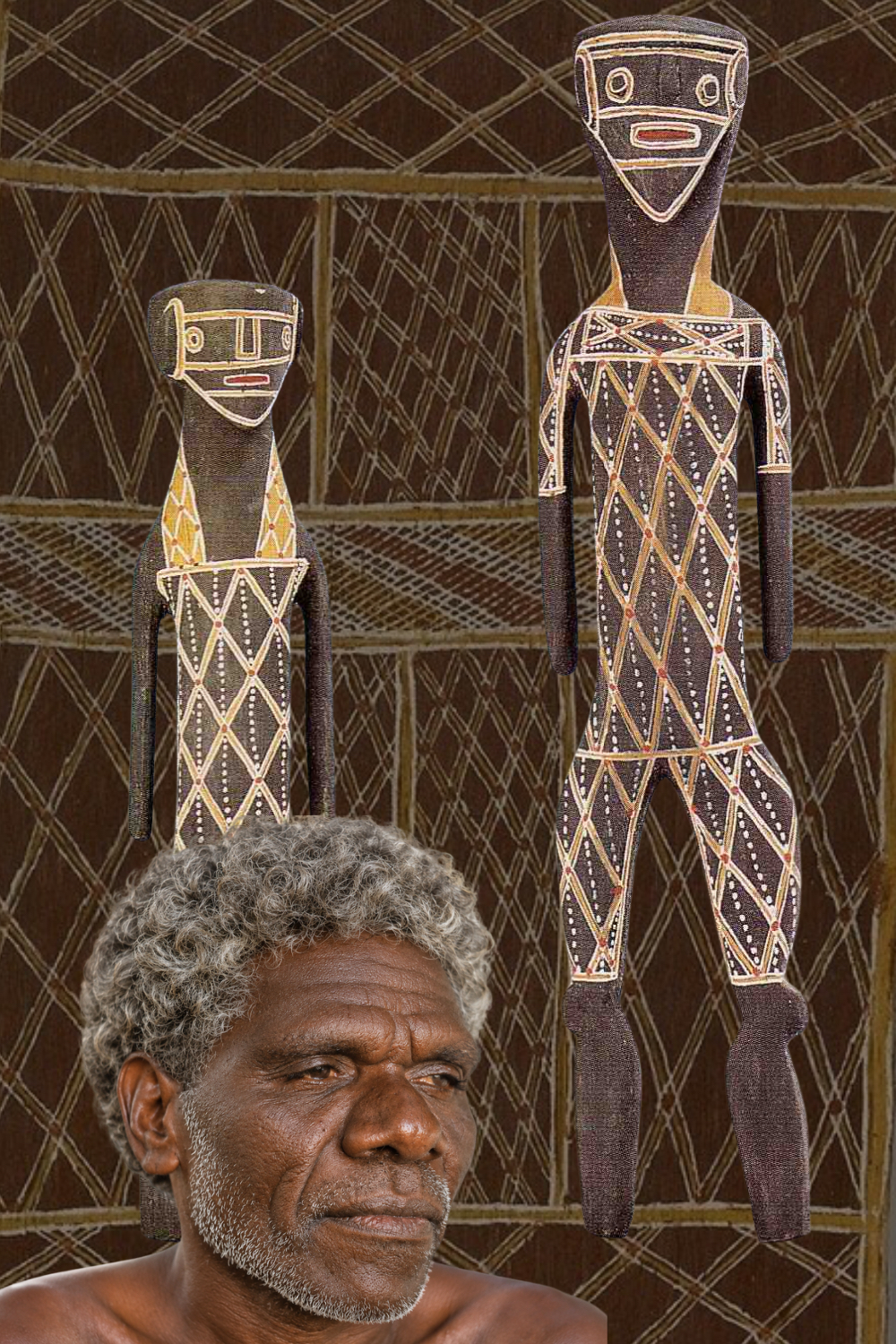
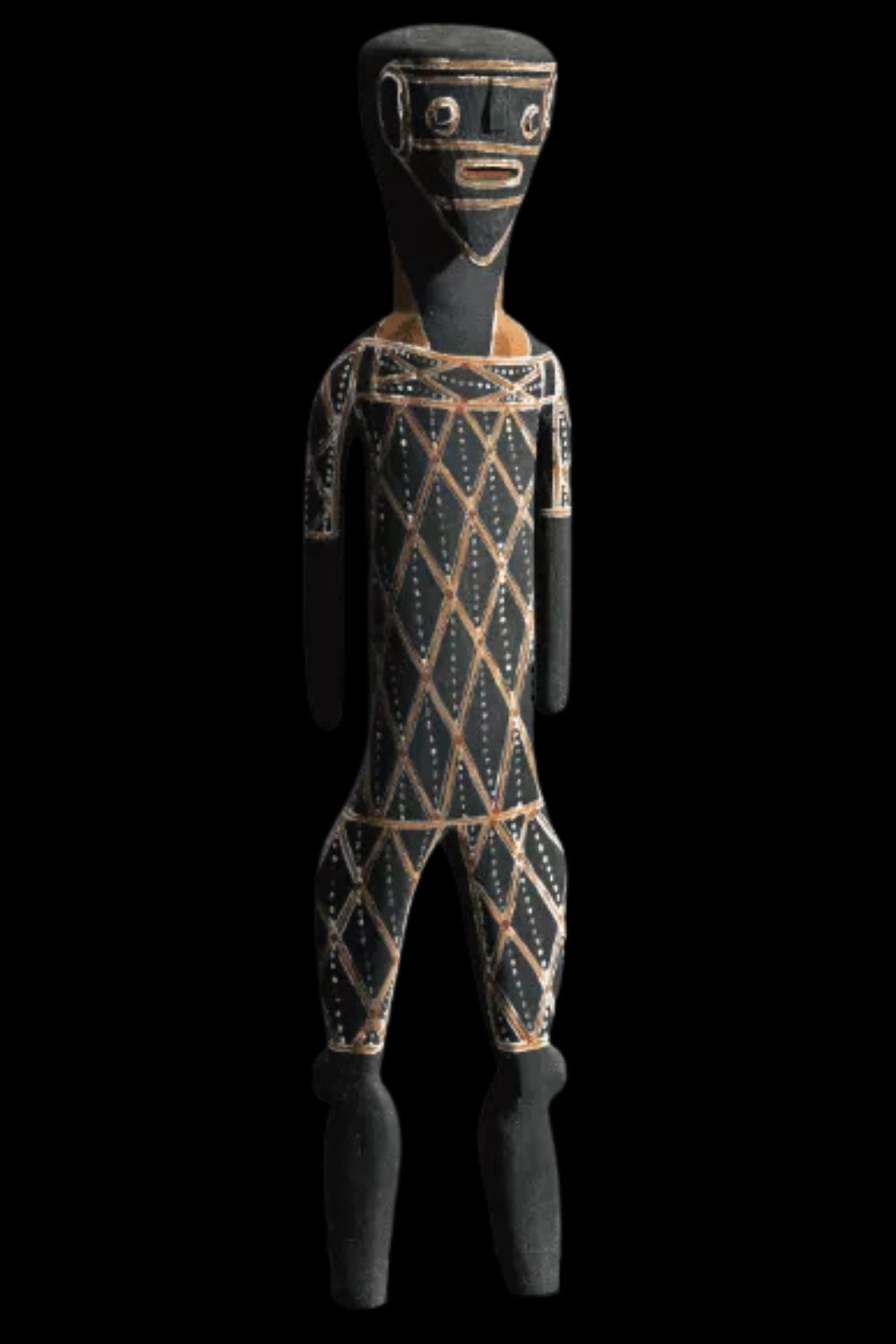
Mokuy (spirits of the deceased) are represented in carved wooden figures associated particularly with Milingimbi and surrounding communities. These sculptures commonly have elongated bodies, stylised facial features and carefully painted geometric designs.
One of the most accomplished sculptors was Lipundja, whose figures were decorated with intricate diamonds, crosshatching and patterns associated with niwuda (wild honey) and other ancestral traditions.
His sculptures demonstrate how designs traditionally applied to bark paintings and ceremonial objects could be adapted to three-dimensional forms.
Although carved figures were collected at Milingimbi as early as the 1920s, sculptural production flourished during the 1950s and 1960s. Some of Lipundja’s finest surviving works are held by the National Gallery of Victoria.
Hollow-Log Coffins and Mortuary Ceremonies
Painted hollow-log coffins, commonly known as dupun (hollow-log mortuary containers), belong to longstanding secondary burial traditions. Regional names also include djalumbu and lorrkon.
Traditionally, a hollow section of tree trunk, often naturally excavated by termites, was prepared and decorated with clan designs. Following prescribed mortuary ceremonies, the bones of the deceased could be placed inside the log, which was erected at a ceremonial site.
The painted designs express relationships between the deceased, ancestral beings and Country. Artists including George Milpurrurru and Jimmy Wululu produced hollow logs incorporating the distinctive imagery of their respective clans.
Dreaming Stories and Painting Subjects
Central Arnhem Land paintings frequently represent events within Wangarr (ancestral time), when ancestral beings established features of the landscape, ceremonial law and relationships between people and Country.
The meanings of these works are specific to particular clans, ancestral places and the authority of individual artists.
The Wägilak Sisters and Rainbow Serpent
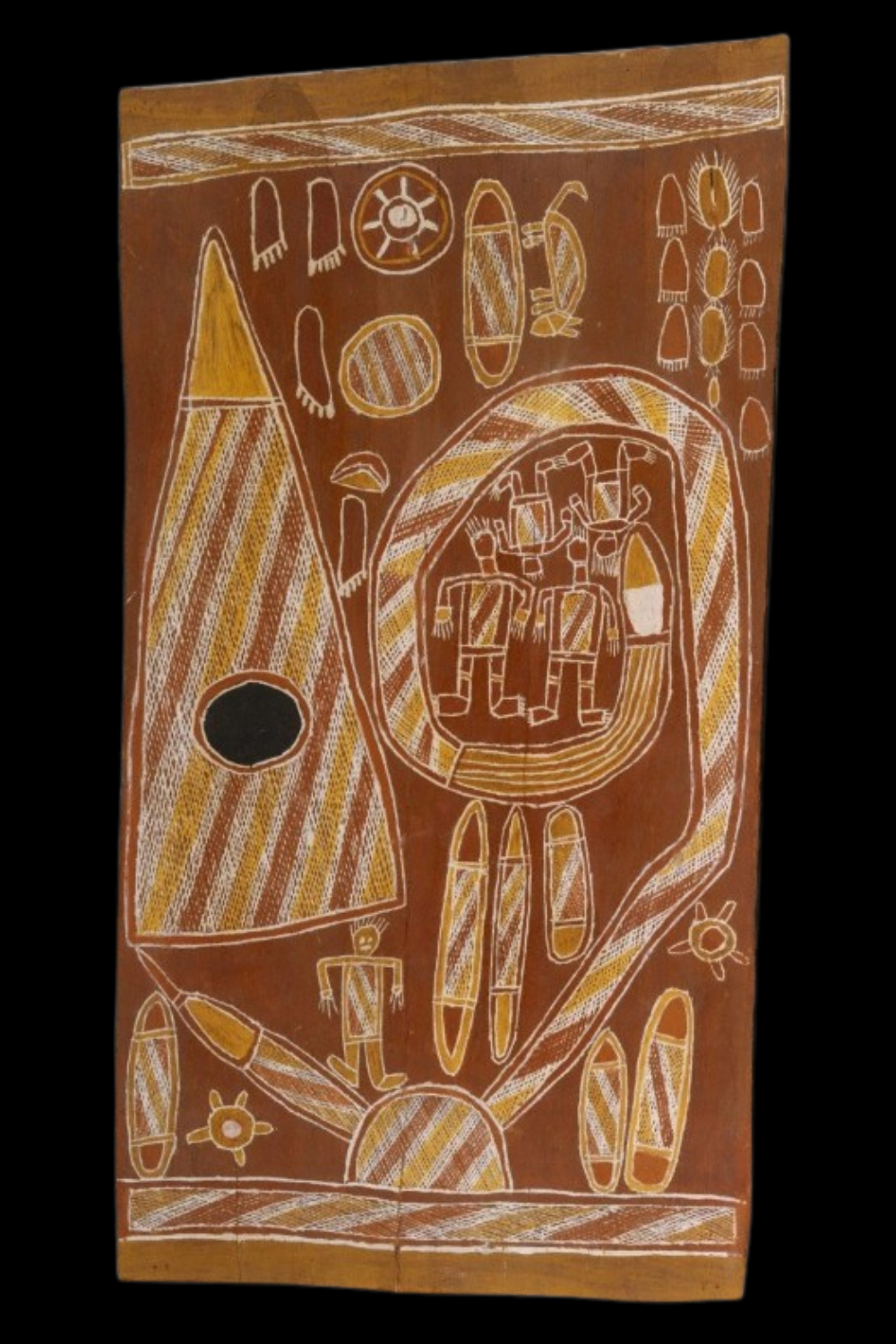
One of the region’s most important ancestral narratives concerns the Wägilak Sisters and Wititj (Rainbow Serpent).
The sisters’ journey, their encounter with the serpent and the associated transformations concern the origins of ceremonial practices, rainfall and the monsoon.
Dawidi was particularly renowned for painting this subject.
His compositions incorporate serpents, people, plants, waterholes and ceremonial imagery, sometimes presenting different episodes of the narrative within one painting.
Djan’kawu Ancestors and Morning Star
The Djan’kawu (ancestral sisters and brother) are important ancestral figures whose journeys established freshwater places, clan relationships and ceremonial traditions across eastern and central Arnhem Land.
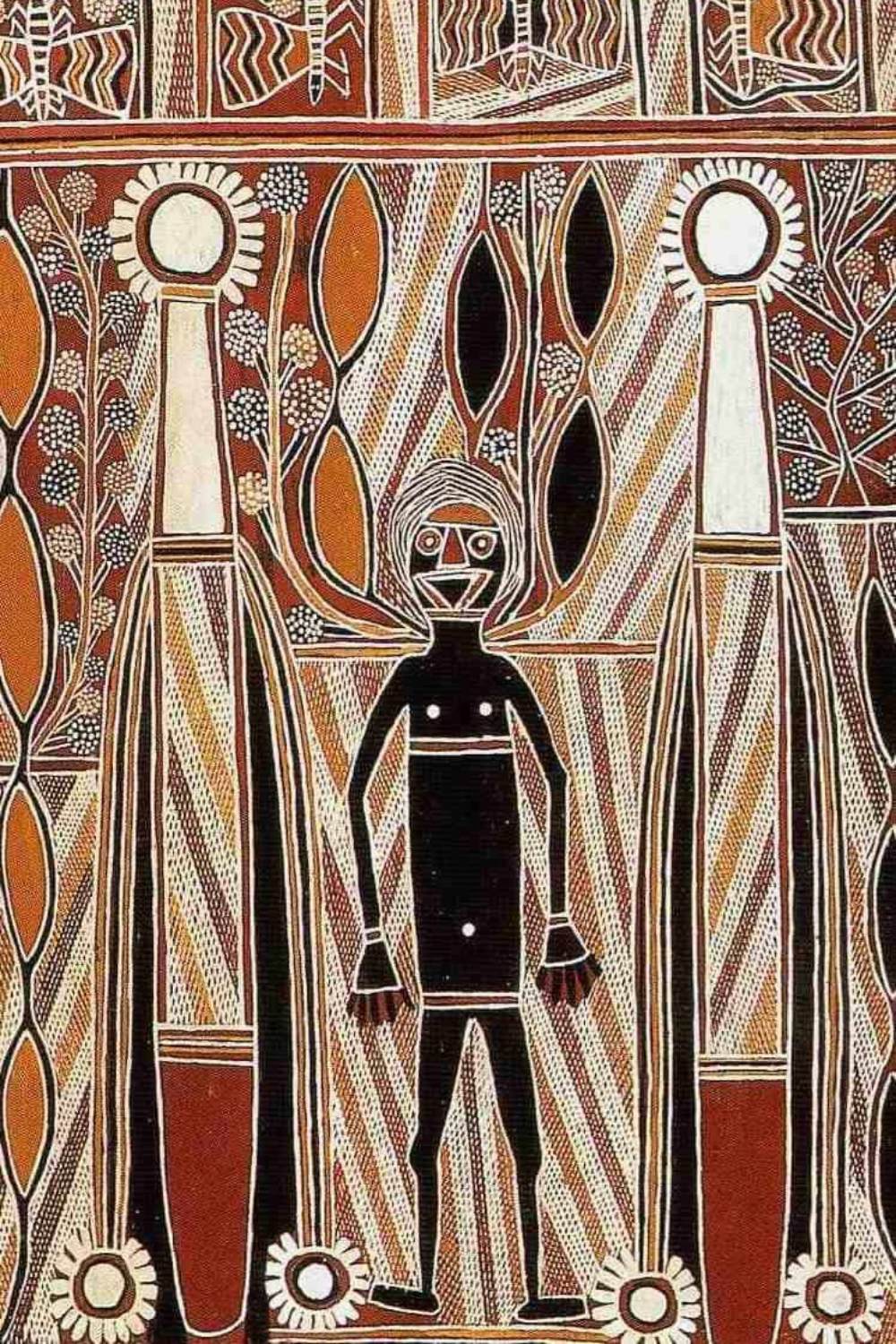
At Milingimbi, artists including Djunmal and Tom Djäwa depicted episodes of their ancestral journeys, while Binyinyuwuy painted subjects associated with Banumbirr (Morning Star).
Jack Wunuwun developed particularly accomplished interpretations of the Morning Star ceremonial tradition, incorporating ancestral imagery, yams and ceremonial designs into his distinctive compositions.
Animals of the Arafura Swamp
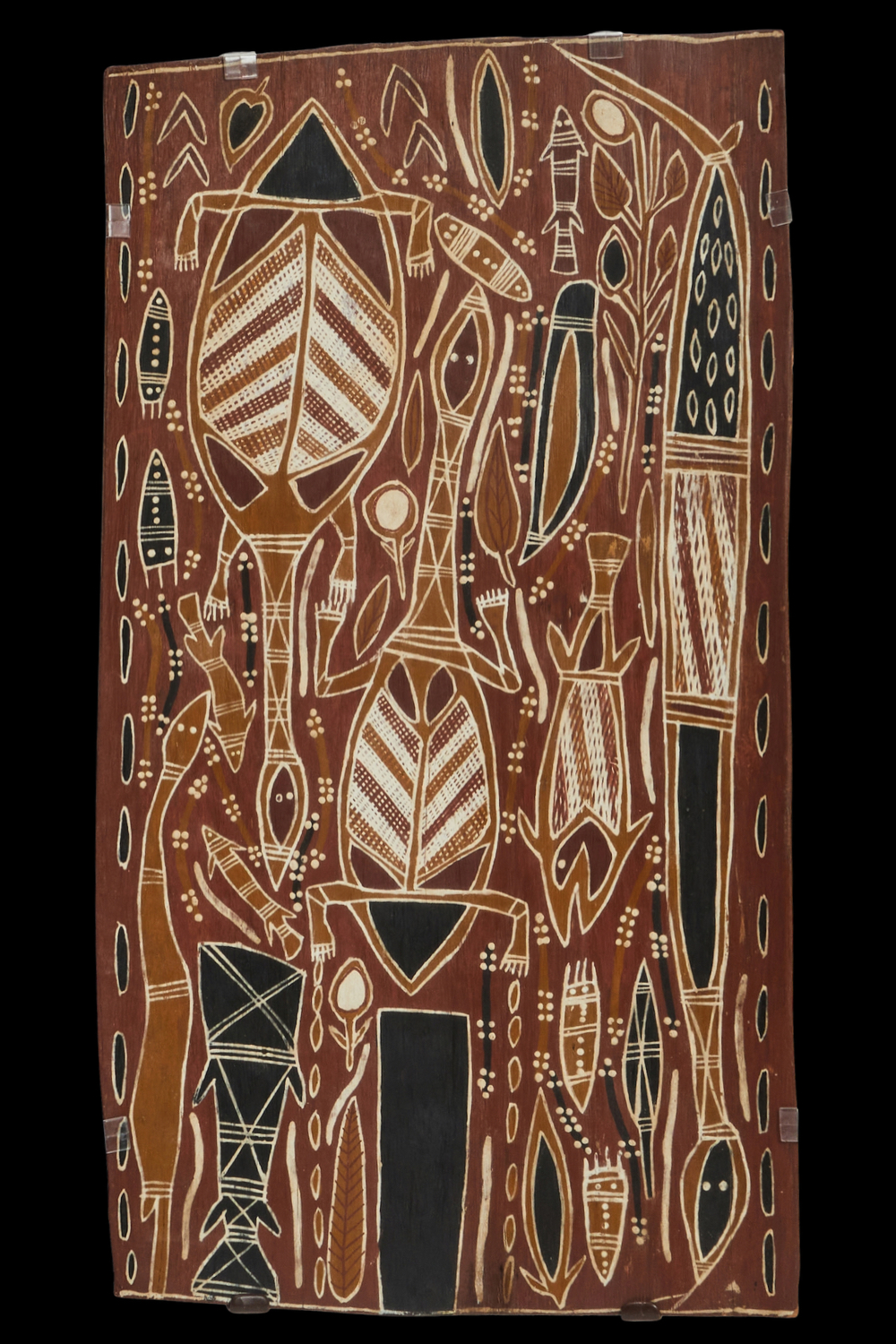
Flying foxes, magpie geese, turtles, fish and waterlilies feature prominently in paintings associated with Ramingining.
For George Milpurrurru, the repeated flying fox was a particularly important ancestral subject.
His compositions arrange numerous creatures into rhythmic patterns, expressing relationships between ancestral beings, ceremonial activity and particular places within Ganalbiŋu Country.
Although visually recognisable, these animals cannot be understood simply as illustrations of the natural environment.
Wild Honey and Geometric Designs
Wild honey is another important ancestral subject, especially in works associated with Gupapuyŋu traditions.
The term niwuda (wild honey) is connected with ceremonial designs that may incorporate diamonds, intersecting lines and honeycomb-like arrangements.
Jimmy Wululu developed powerful geometric compositions associated with these traditions, while Lipundja applied related imagery to carved spirit figures.
Similar patterns elsewhere in Aboriginal art may have entirely different meanings.
Further Reading
- Cara Pinchbeck, Lindy Allen and Louise Hamby, Art from Milingimbi: Taking Memories Back, Art Gallery of New South Wales, 2016.
- National Museum of Australia, Old Masters: Australia’s Great Bark Artists.
- National Gallery of Australia, The Art of George Milpurrurru, 1993.
- National Gallery of Australia, The Aboriginal Memorial.
- National Gallery of Australia, No Ordinary Place: The Art of David Malangi, 2004.
All images featured in this article are presented strictly for educational and informational purposes.
This website may include copyrighted material for which specific authorization has not been obtained from the copyright owner.
All such images are presumed to be the intellectual property of the respective artist or their estate, and are used in accordance with principles of fair dealing or fair use under applicable copyright law.