Utopia Art: Exploring the Aboriginal Art of the Utopia Region
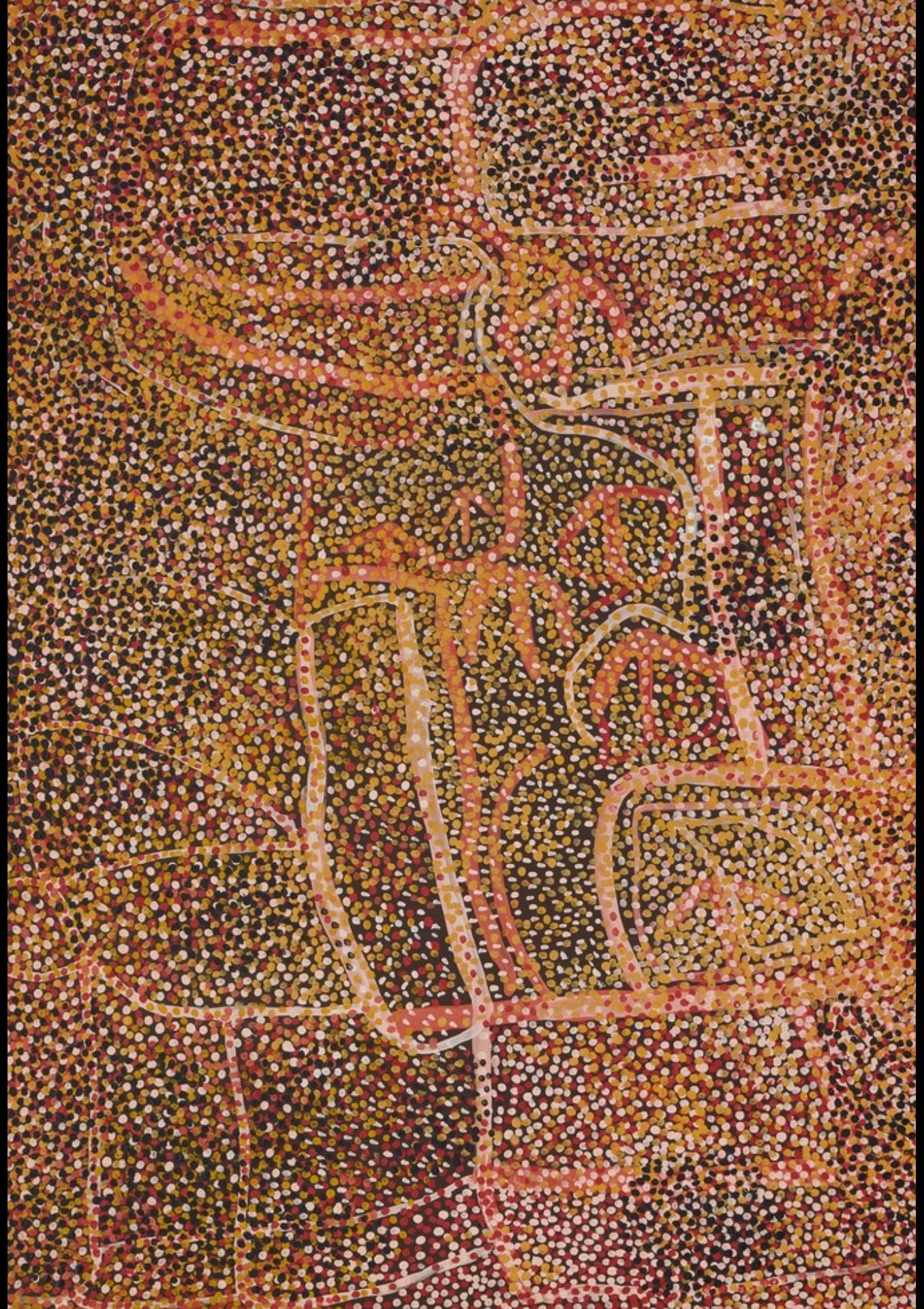
Utopia Art is one of the most important regional movements within Western Desert Art, emerging from the Utopia homelands northeast of Alice Springs in Central Australia. It is distinguished not by a single painting style, but by the remarkable individuality of its artists and the strong aesthetic emphasis on colour, pattern, line and composition.
The movement followed a very different path from Papunya Art movement. Papunya painting began in 1971 with senior men transferring designs associated with Country, ceremony, body and ground painting, and sacred objects onto boards. Utopia’s modern art movement grew largely from women’s Awelye, body painting and the Utopia Women’s Batik movement established in the late 1970s.
Years of working with wax, silk and dye encouraged Utopia artists to explore colour, flowing line, repeated pattern and the overall visual effect of an artwork before the widespread move to canvas in 1988–89. This background helped produce an unusually diverse painting movement, ranging from the intricate dotting of Kathleen Petyarre and the gestural paintings of Emily Kame Kngwarreye to Gloria Petyarre‘s rhythmic brushwork and Kudditji Kngwarreye‘s broad fields of colour.
Despite these striking differences, Utopia artists remain connected through Country, kinship, ceremony and inherited cultural knowledge. This combination of cultural continuity and extraordinary individual experimentation became one of the defining characteristics of Utopia Art.
Utopia Artists
Utopia has produced some of the most celebrated and commercially significant Aboriginal artists in Australian history. While many artists from the region developed highly individual visual languages, their works remain deeply connected through shared relationships to Country, ceremony, ancestral law, and the desert landscape. The following artists are widely regarded among the most important and valuable figures associated with Utopia Art.
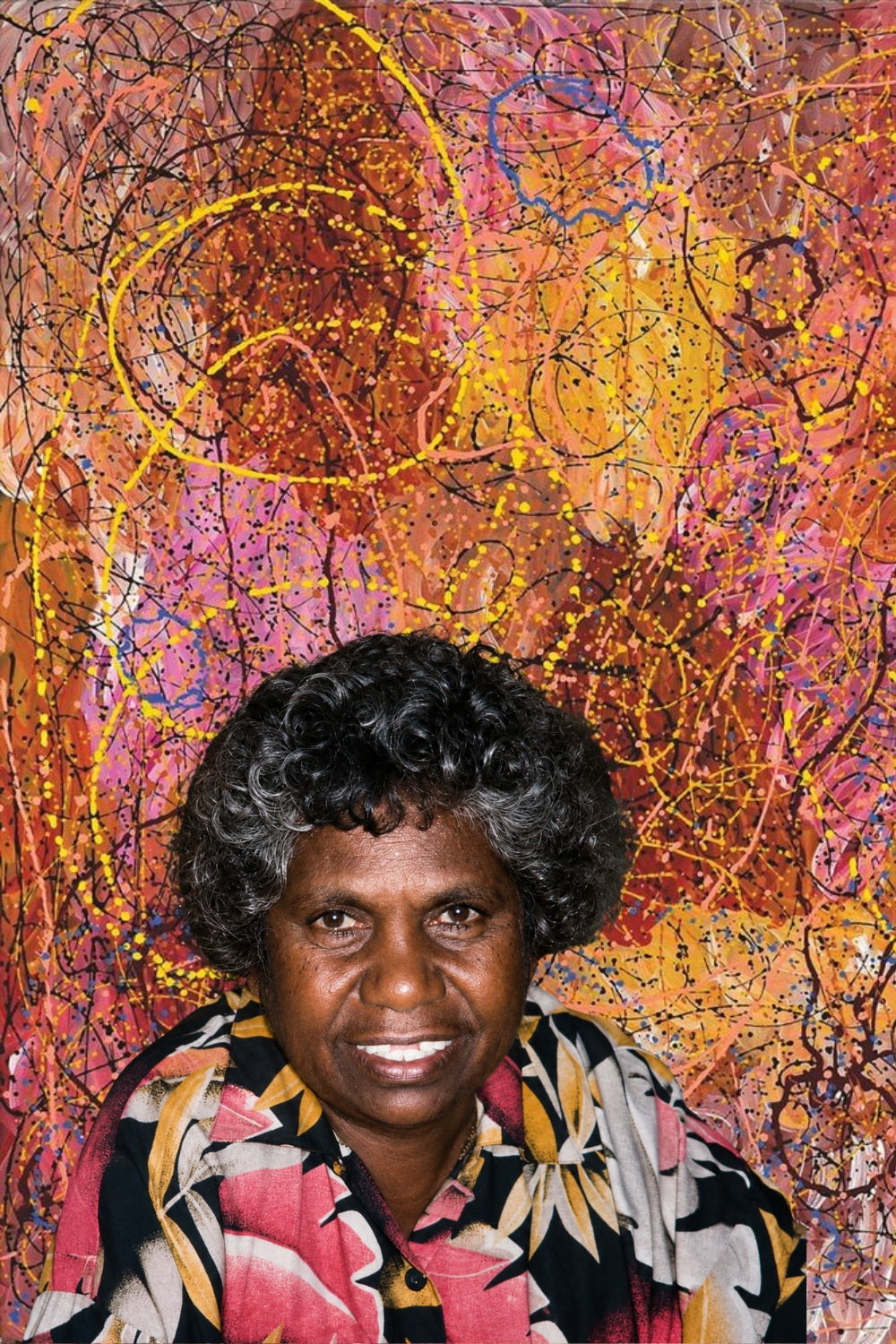
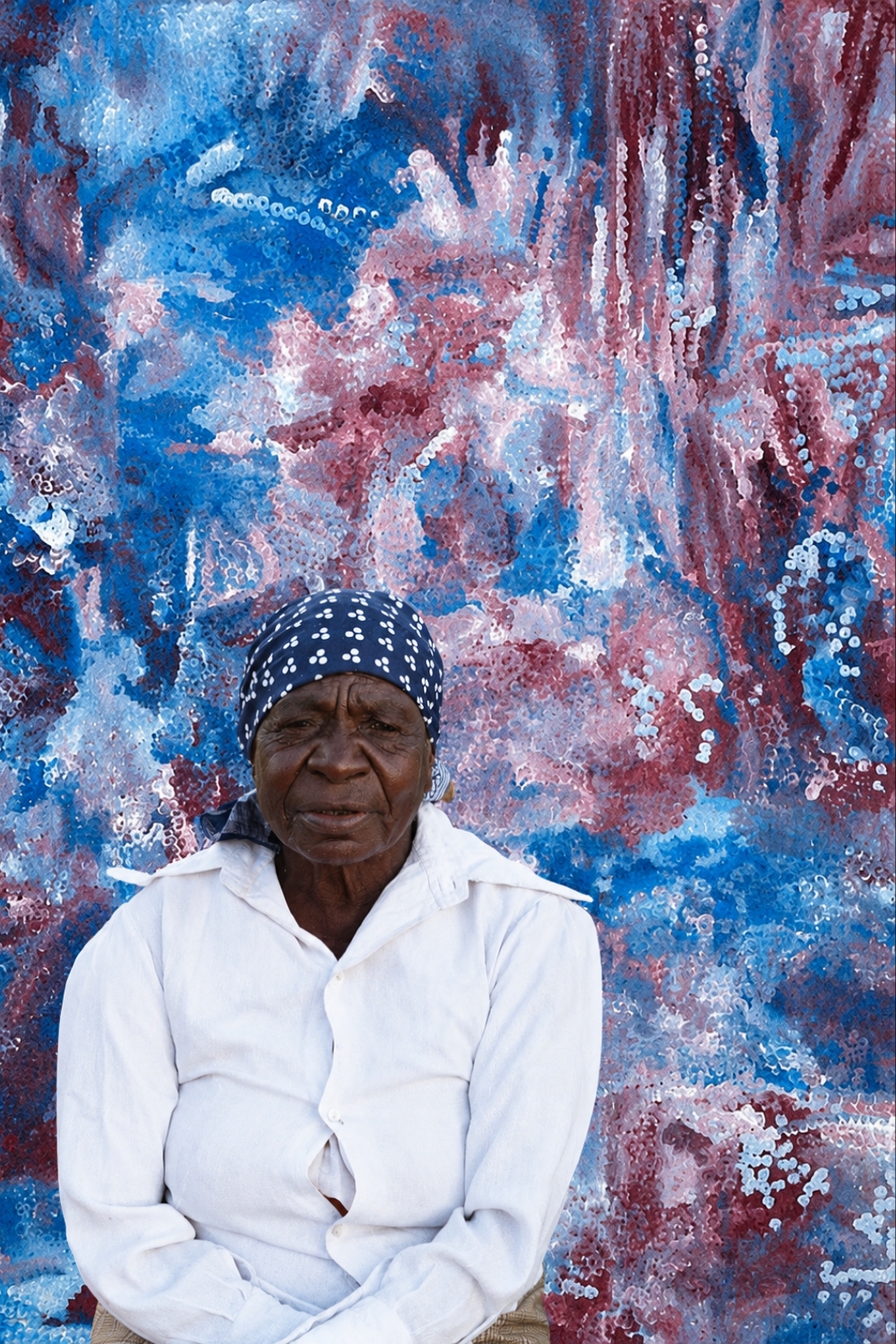
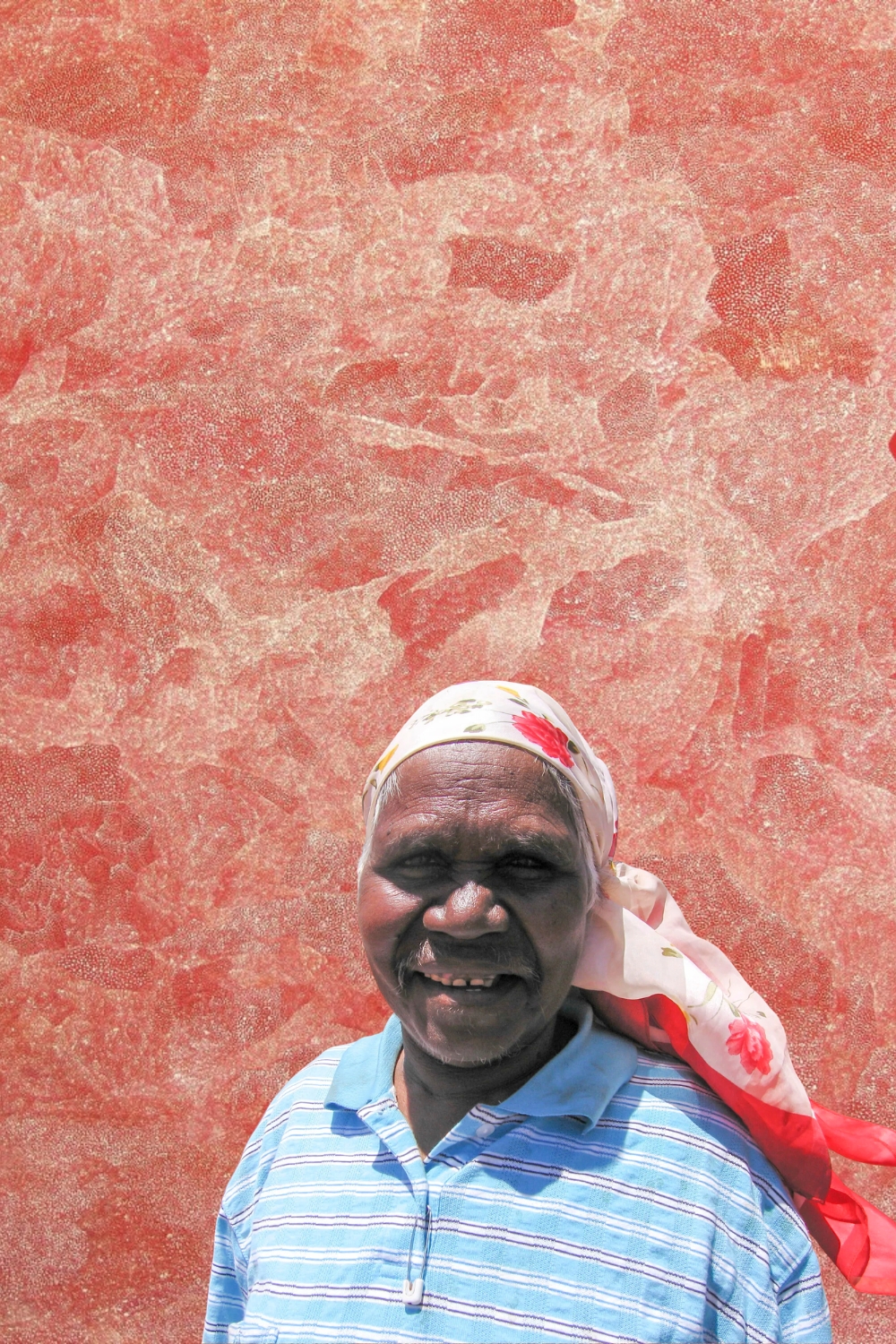
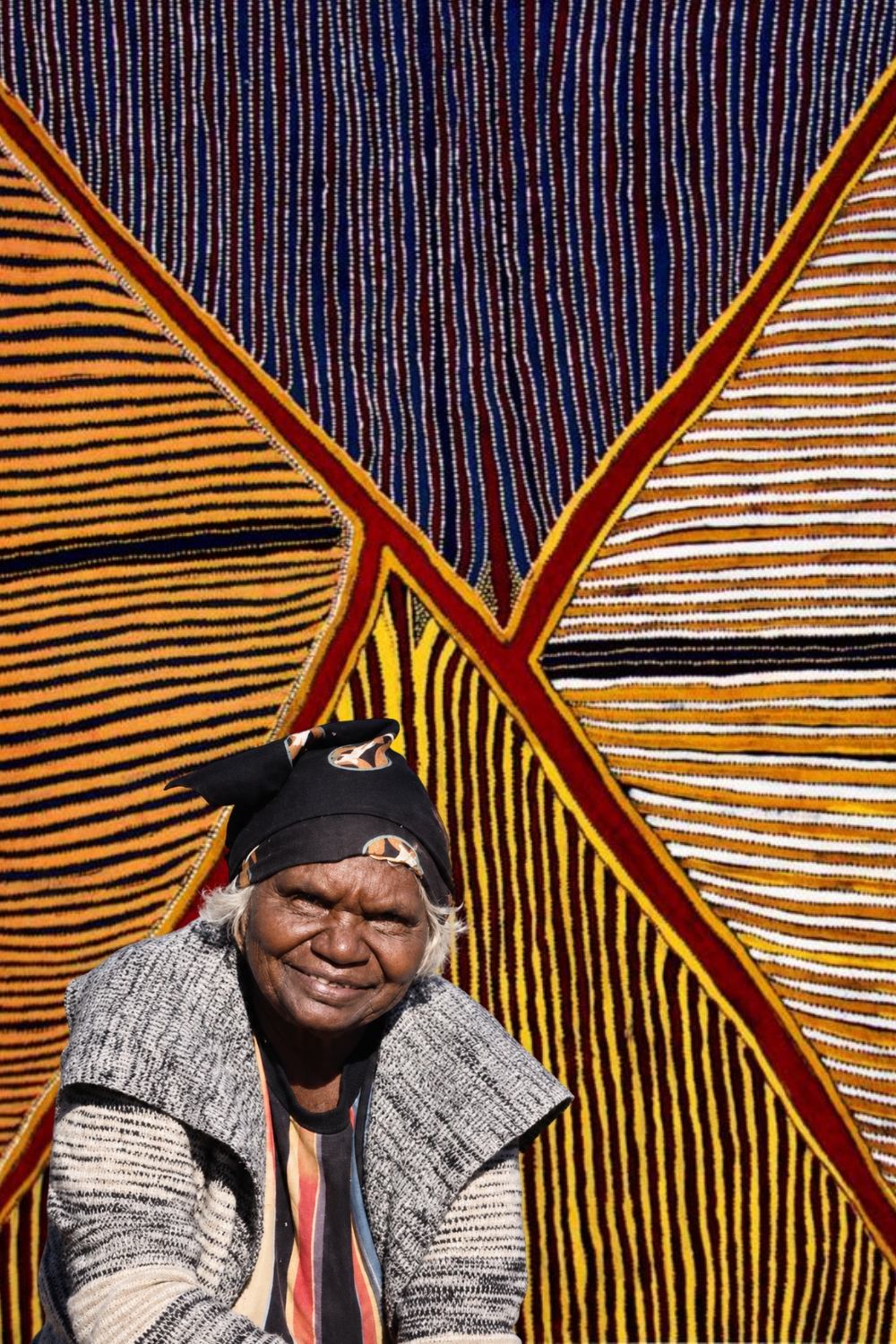
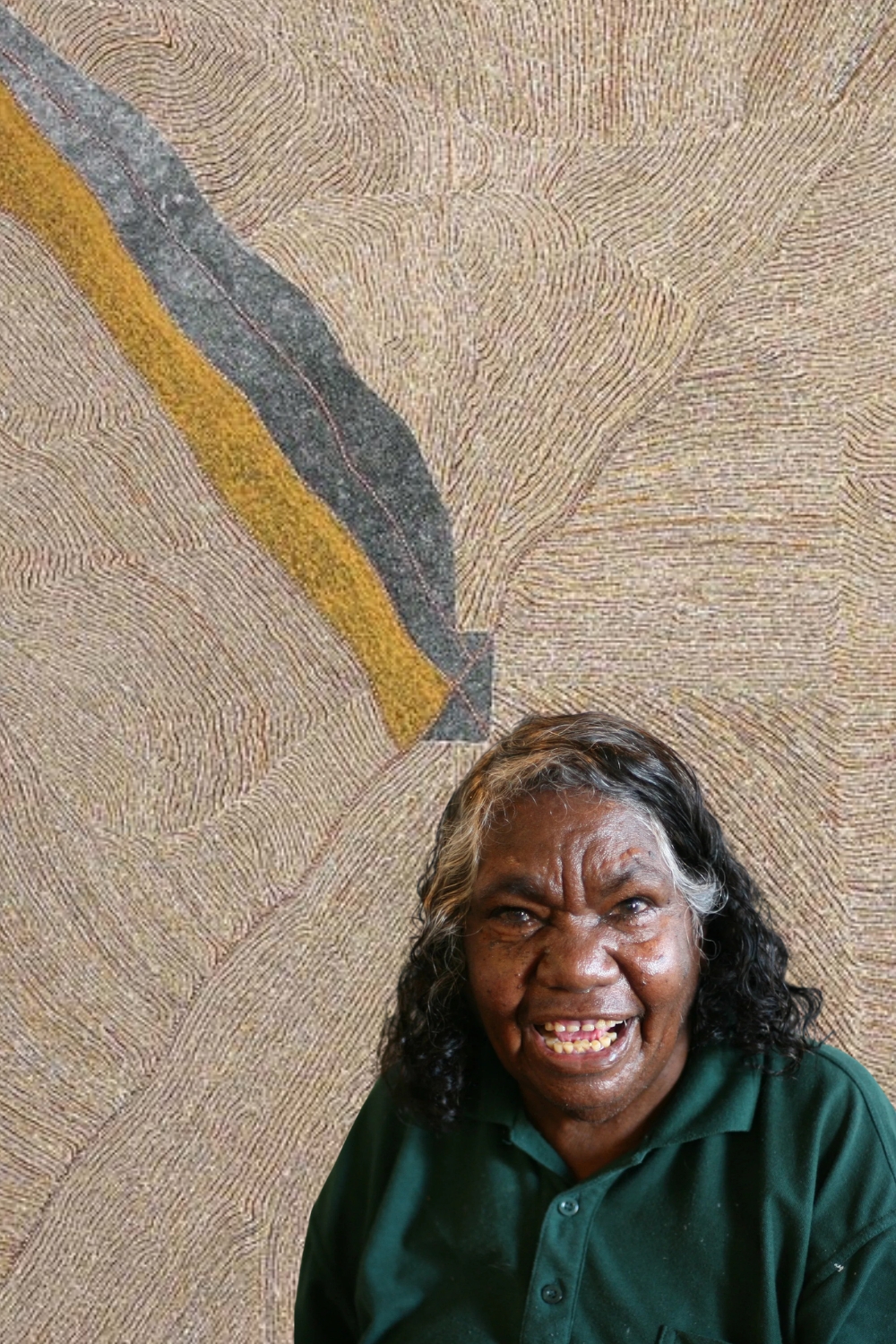
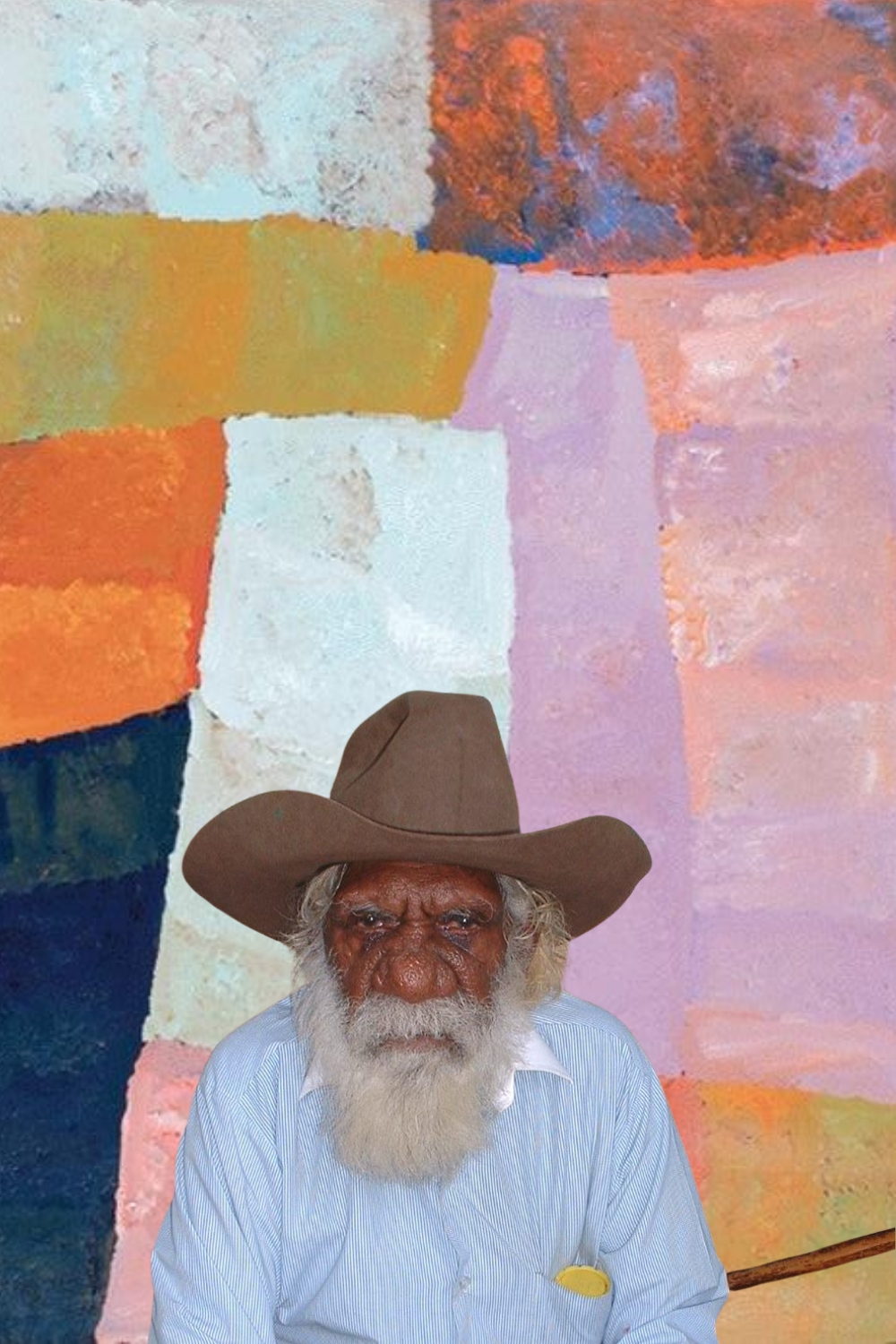
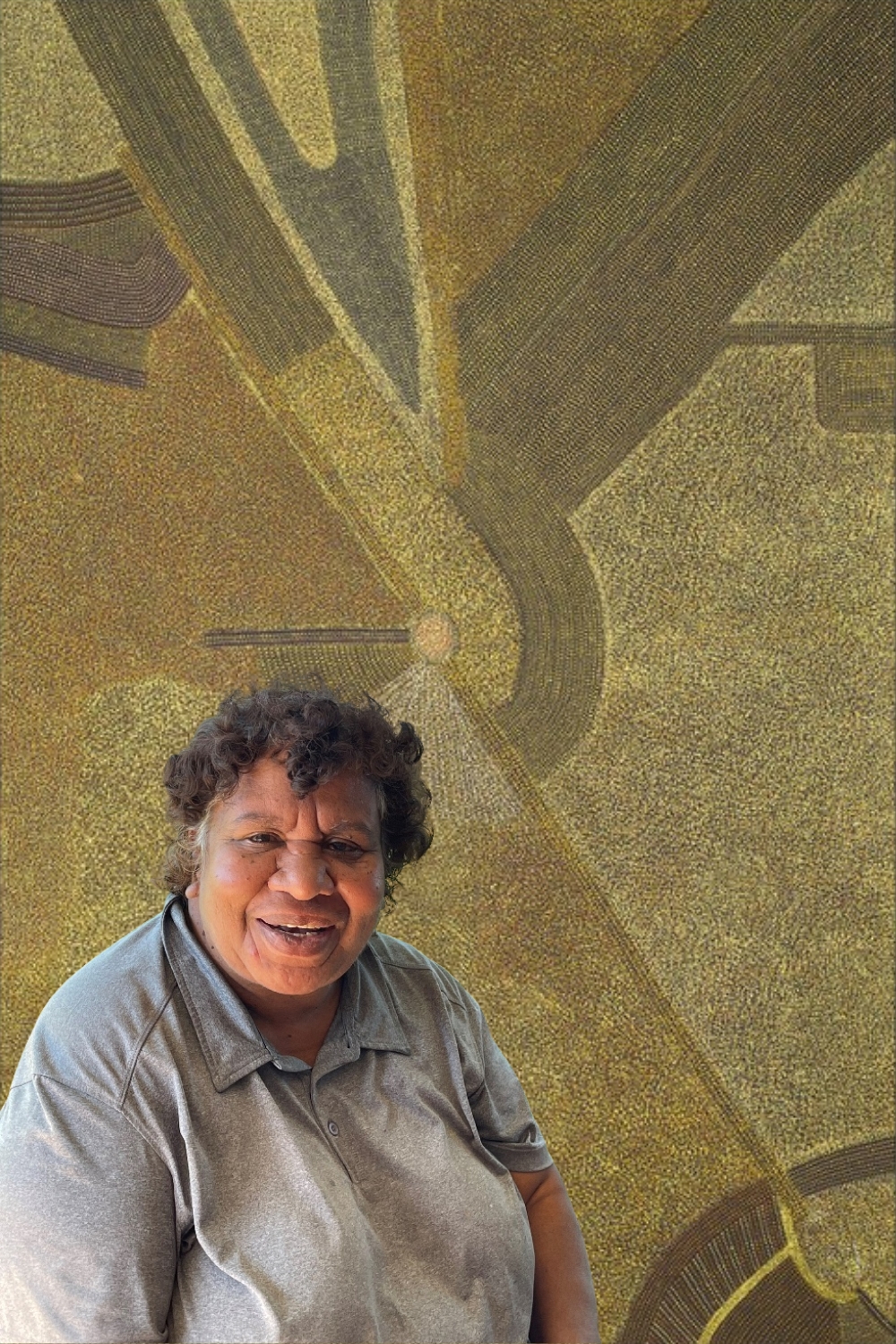

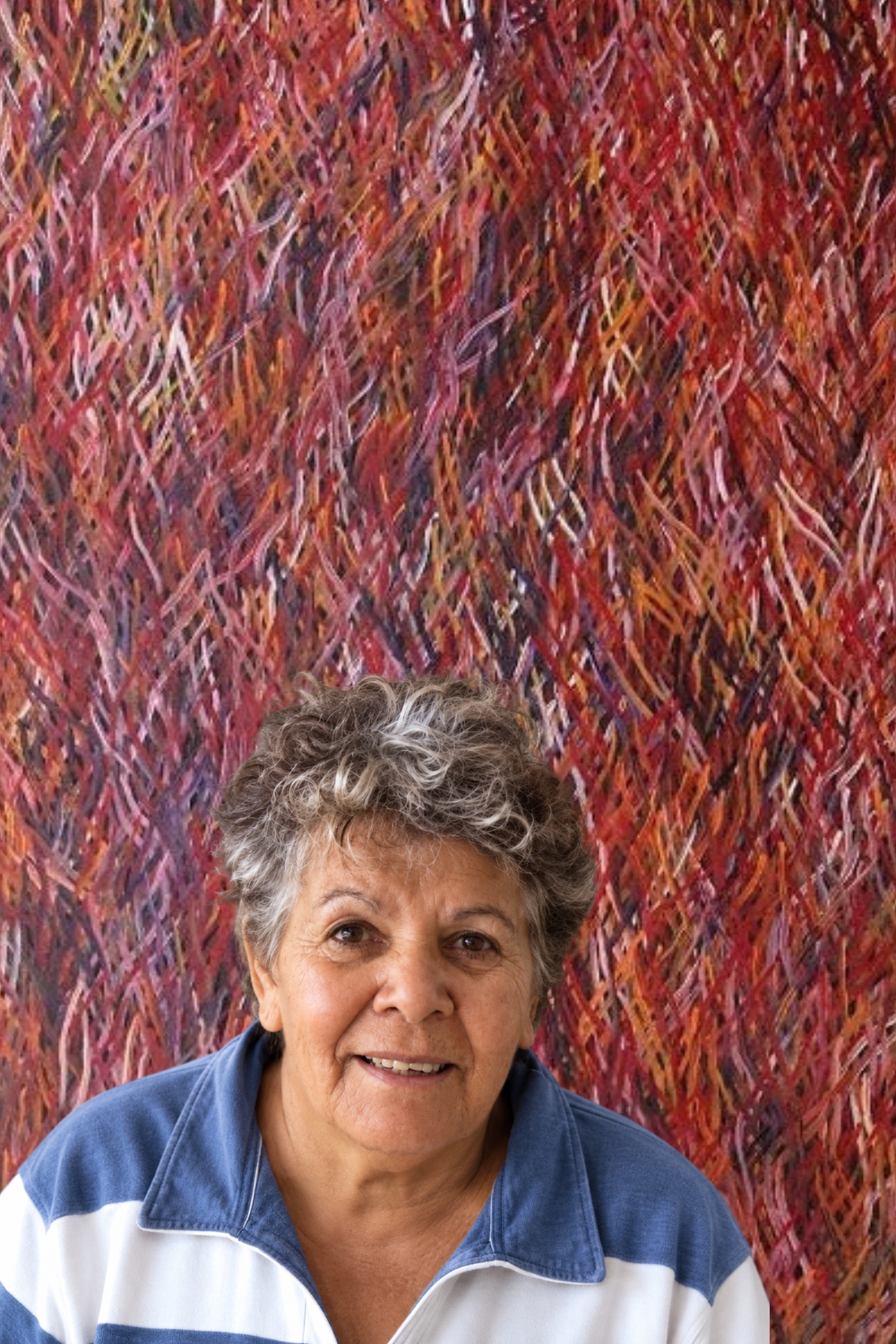
Together, these artists helped establish Utopia as one of the most important movements within contemporary Aboriginal art. Their paintings transformed global perceptions of Indigenous Australian painting, demonstrating that Aboriginal art could stand alongside the most significant developments in international contemporary art while remaining inseparable from Country, ceremony, and ancestral law.
The Origins of Utopia Art
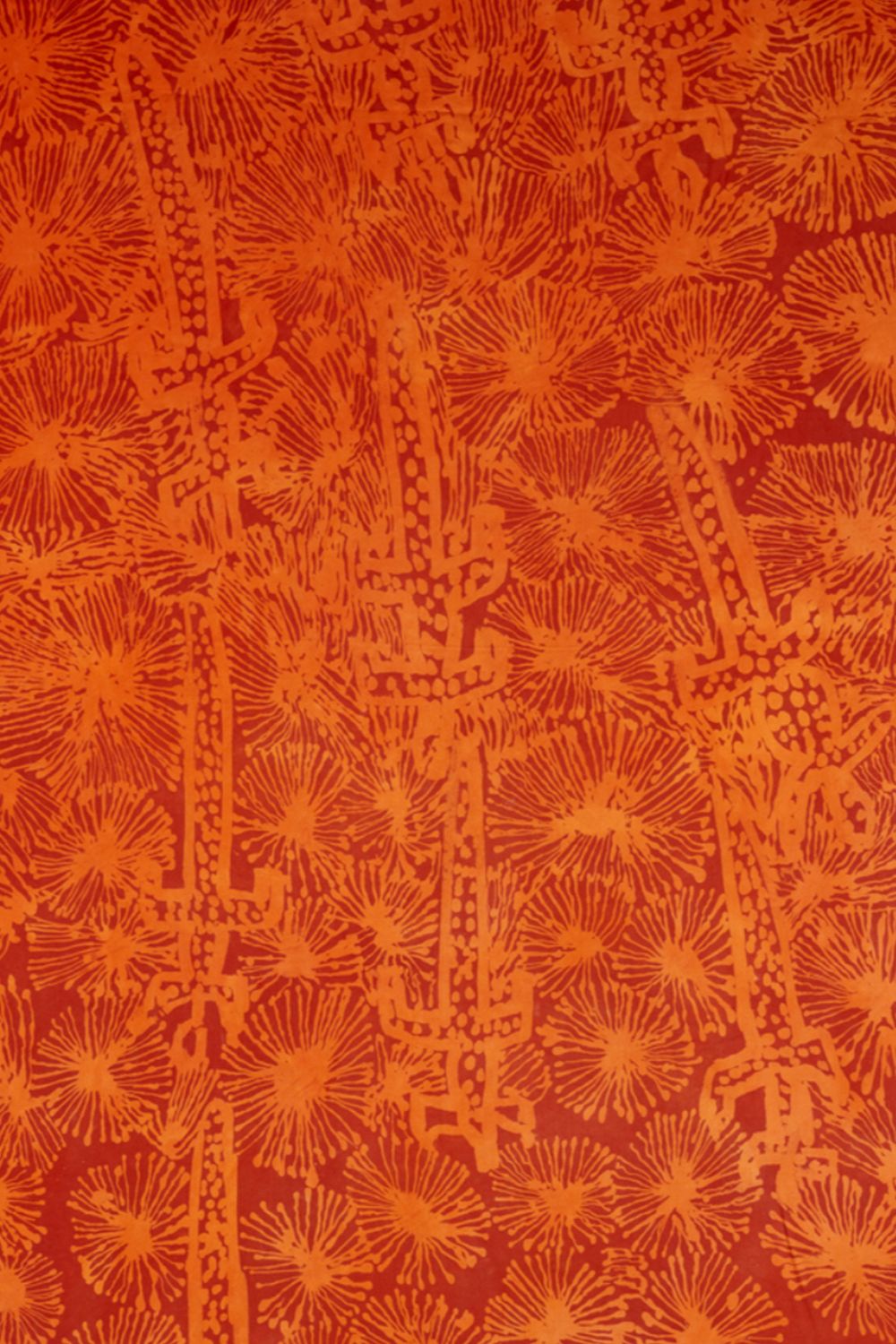
The modern Utopia art movement emerged during the late 1970s when Alyawarr and Anmatyerr women began working with batik. The new medium provided another surface for artistic traditions already expressed through Awelye, body painting and designs made on the ground.. While these visual traditions had existed for countless generations, batik and later acrylic painting created new ways for cultural knowledge to be shared beyond the community.
In 1977, workshops organised by Jenny Green introduced Utopia women to textile techniques including tie-dye, block printing and batik. In 1978, with further funding secured by Julia Murray, the Utopia Women’s Batik Group was established and batik developed into a major artistic activity. Original participants included artists who would later achieve international recognition, among them Emily Kame Kngwarreye, Kathleen Petyarre, Gloria Petyarre, and Ada Bird Petyarre.
Batik involves applying hot wax to fabric to resist dyes, creating layered surfaces through repeated applications of colour and wax. The process encouraged experimentation with fine linework, tonal layering, and rhythmic patterning that later became important characteristics of Utopia painting.
The batik movement also played a significant political role. The batik movement developed during an important period in Utopia’s political history. In 1979, Emily Kame Kngwarreye and other Utopia women performed Awelye before the Aboriginal Land Claim Tribunal as evidence of their cultural connection to Country. That year, the Anmatyerr and Alyawarr peoples gained freehold title to the Utopia pastoral lease under the Aboriginal Land Rights (Northern Territory) Act 1976. During the 1980s, the Utopia Women’s Batik Group became increasingly established, with artists developing sophisticated designs through repeated experimentation with wax, dye, colour and line. By 1988, the project had culminated in Utopia – A Picture Story, a major collection of 88 silk batiks that demonstrated the strength and diversity of the emerging Utopia art movement. A decisive change came in 1988–89 when CAAMA initiated a project introducing Utopia artists to acrylic paint and canvas. The resulting Summer Project comprised 81 paintings by 80 women and one man and marked the beginning of a new phase in Utopia Art.
Drawing inspiration from sandhills, yam plants, sacred sites, rainfall, and ancestral pathways, artists transformed the Central Australian landscape into rhythmic fields of colour, intricate dotting, and increasingly abstract compositions. By the late 1980s, Utopia had become one of the most influential movements in contemporary Aboriginal Australian art.
How Utopia Art Differs from Papunya Art
Utopia Art and Papunya Art both belong to the broader Western Desert painting tradition, but they emerged through different artistic histories.
At Papunya from 1971, senior men transferred designs and cultural knowledge associated with ceremony, sacred objects, body painting and ground designs into a new permanent painting medium. Early works frequently used concentric circles, tracks, connecting lines and figures to represent ancestral journeys, significant places and ceremonial knowledge. Dense dotting became increasingly prominent as the movement developed.
Utopia followed a different path. From the late 1970s, women including Emily Kame Kngwarreye, Gloria Petyarre and Ada Bird Petyarre worked extensively in batik. Their designs drew strongly on Awelye, women’s ceremony and body painting, while the batik medium encouraged experimentation with flowing line, repeated pattern, colour and overall composition.
When Utopia artists increasingly moved onto canvas in the late 1980s, they brought this experience with them. This helps explain the movement’s exceptional stylistic diversity and the highly individual approaches developed by its leading painters.
Both movements remained grounded in Country and cultural knowledge, but they arrived at contemporary canvas painting through significantly different pathways.
The Utopia Community and Homelands
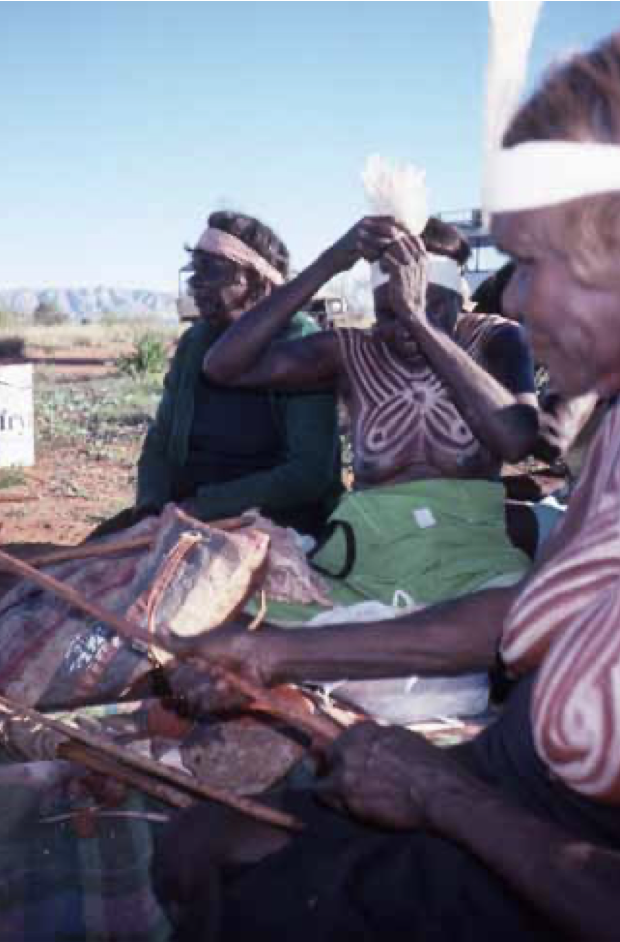
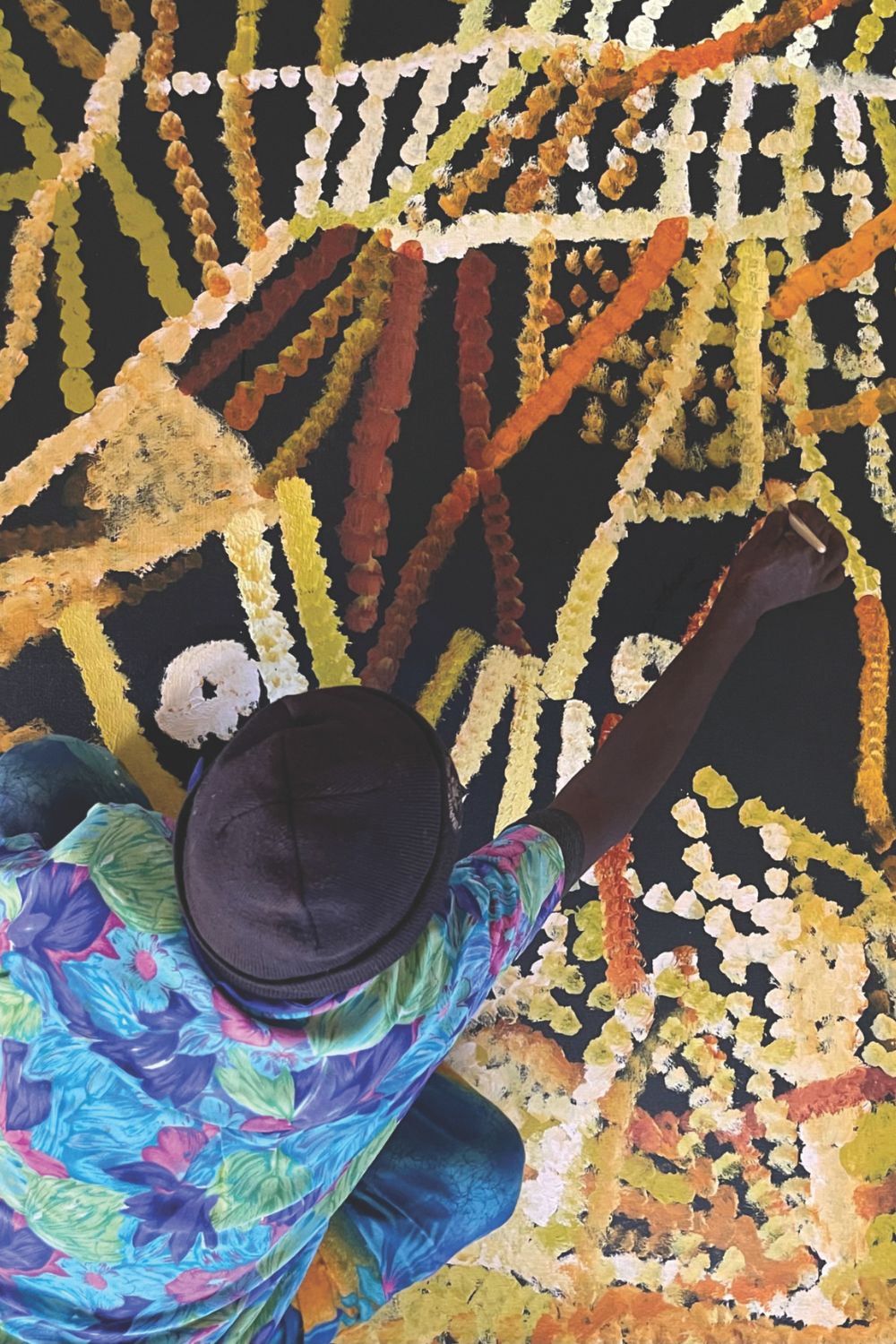
Utopia is not a single township but a large region of Aboriginal homelands northeast of Alice Springs. Anmatyerr and Alyawarr families live across dispersed communities connected through Country, kinship and ceremonial responsibilities.
This dispersed structure is important to understanding Utopia Art. The movement did not develop around a single painting style or one dominant organisation. Its early development involved the Utopia Women’s Batik Group, coordinators working within the community, CAAMA and later a changing network of art advisers, galleries and dealers.
This history helps explain the extraordinary individuality of Utopia painting. Artists living within the same broader region developed radically different visual languages while remaining connected through Country, family and cultural knowledge.
Utopia Art Styles & Techniques
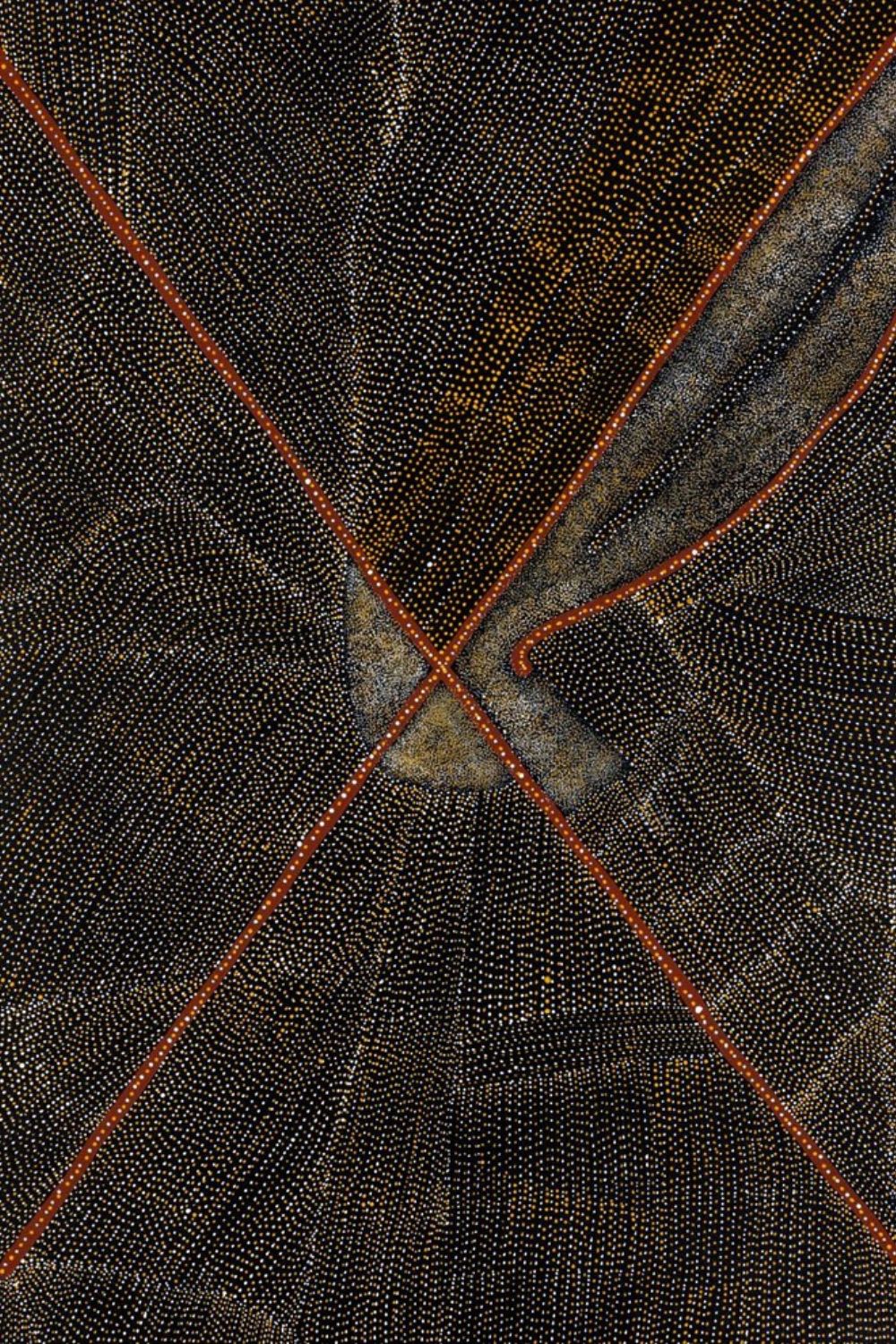
Utopia Art is renowned for its stylistic diversity. Some artists like Angelina Pwerle and Kathleen Petyarre developed intricate surfaces composed of thousands of small dots or marks, while others worked with sweeping lines, repeated brushstrokes, botanical forms or large areas of colour.
This diversity partly reflects the movement’s origins in body painting and batik. Years of working with wax and dye encouraged experimentation with line, layering, pattern and colour before many artists moved onto canvas in the late 1980s.
Individual artists subsequently took these possibilities in very different directions. Kathleen Petyarre developed extraordinarily fine dotted surfaces; Gloria Petyarre used repeated brushstrokes to create movement; Minnie Pwerle painted bold gestural lines; Angelina Pwerle constructed immense fields from minute marks; and Kudditji Kngwarreye eventually reduced his compositions to broad areas of colour.
There is therefore no single “Utopia style”. What connects these artists is not a common visual formula but their relationships to Country, culture and the artistic history of the Utopia region.
Buying and Collecting Utopia Art
Utopia paintings occupy an important position within the Aboriginal art market. Works by leading artists such as Emily Kame Kngwarreye, Minnie Pwerle, Gloria Petyarre and Kathleen Petyarre are regularly offered at major Australian and international auctions, while important examples are held in museum and institutional collections.
The value of a Utopia painting depends on the individual work as well as the artist. Important factors include date, size, condition, provenance, rarity, exhibition history and the strength of the composition. Particular periods can be especially desirable when they represent an artist’s most distinctive or historically important phase.
Provenance is particularly important. Paintings with clear documentation from recognised community projects, established galleries, art advisers or significant collections generally attract greater collector confidence. Certificates, catalogue numbers, photographs of the artist with the work and a documented ownership history can all help establish authenticity and provenance.
Dreaming and Country in Utopia Art
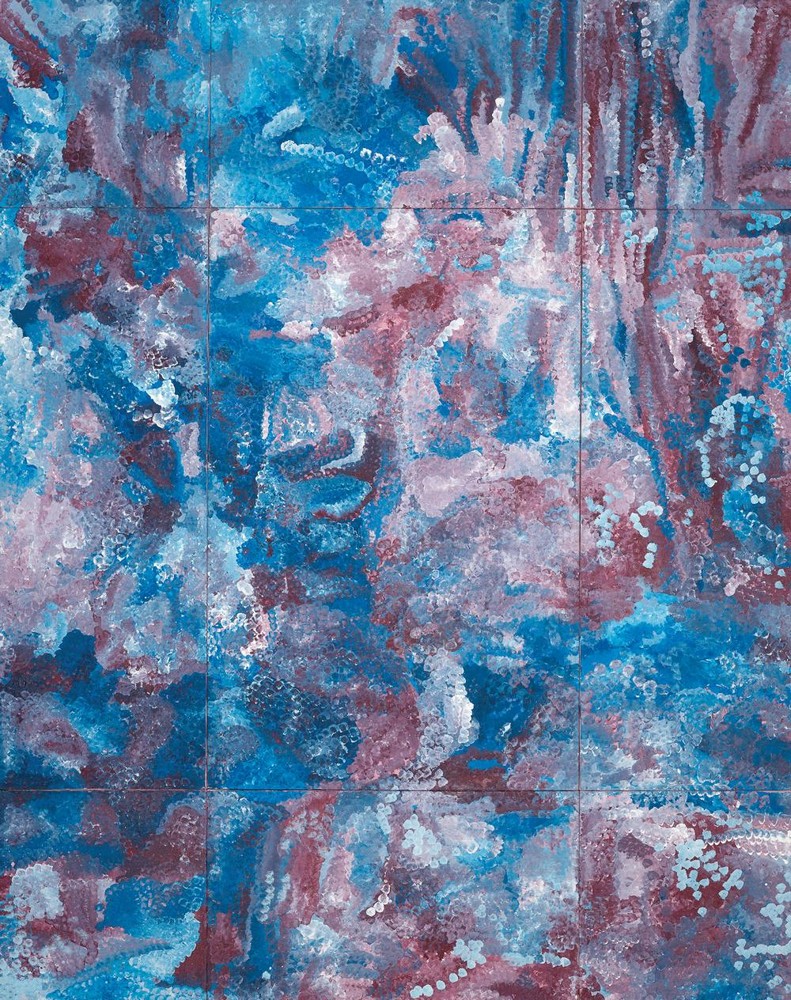
Dreaming is fundamental to much Utopia Art. It encompasses ancestral beings and narratives, law, Country, ceremony and the continuing relationships that connect people with particular places. These relationships are not simply accounts of a distant creation period but remain part of cultural life and responsibility.
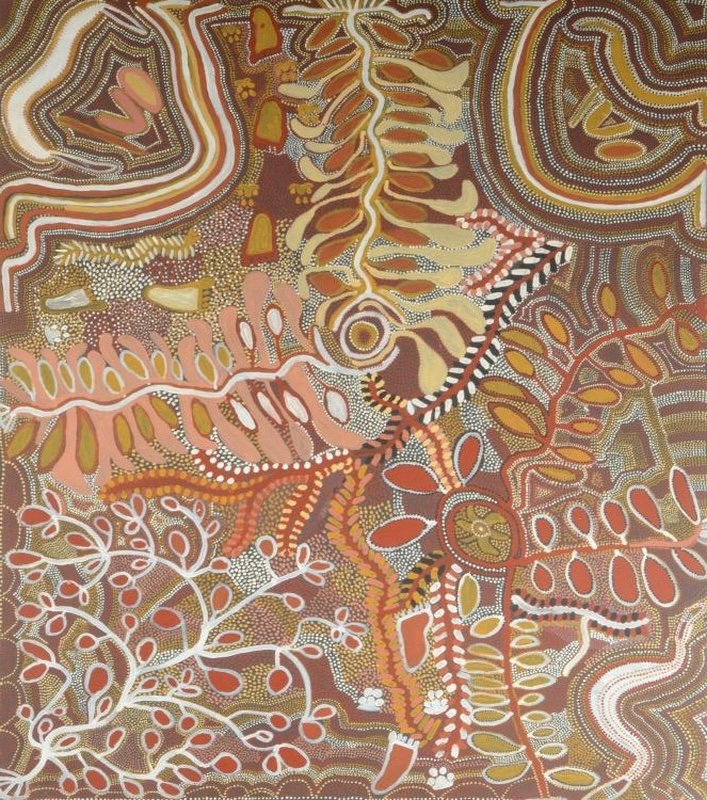
Country is therefore central to the work of many Utopia artists. Individual painters draw upon the places, Dreamings, ceremonies, plants, animals and ancestral knowledge for which they hold particular relationships and responsibilities. Awelye, Emu Dreaming, Mountain Devil Lizard Dreaming, yam and seed subjects, bush foods and particular areas of Country all occur within Utopia painting.
The meanings of these paintings are specific to the artist, the subject and the Country being painted. Dots, lines, circles and other forms should not be read as a universal Aboriginal system of symbols. Similar visual elements can have very different meanings in different works.
This is particularly evident in the extraordinary diversity of Utopia Art. Cultural knowledge and connection to Country provide an important foundation, but individual artists have expressed them through radically different approaches to colour, line, pattern, gesture and composition.
Further Reading on Utopia Art
For readers wishing to explore Utopia Art in greater depth, the following books, exhibition catalogues, and scholarly resources provide important insights into the history of the Utopia movement, the lives of major artists, and the broader cultural traditions of Central Australian Aboriginal art.
Books & Exhibition Catalogues
Utopia: The Genius of Emily Kame Kngwarreye
One of the most important publications on Emily Kame Kngwarreye, examining her artistic development, cultural background, and extraordinary contribution to contemporary Australian art.
Emily Kngwarreye: Paintings
Major survey publication documenting the stylistic evolution of Emily Kame Kngwarreye’s paintings from early batik works through to her monumental late abstractions.
Minnie Pwerle
Important catalogue exploring the life and work of Minnie Pwerle, including her celebrated Awelye and Bush Melon paintings.
Kathleen Petyarre
Detailed examination of Kathleen Petyarre and her highly refined Mountain Devil Lizard Dreaming paintings.