Pintupi Art and the Kintore Painting Movement
Pintupi Art is one of the most important traditions within Western Desert Art. Its contemporary history grew out of the Papunya art movement of the early 1970s, where Pintupi men were among the leading artists who helped establish modern Western Desert painting. It later developed a distinctive identity through the Pintupi homelands of Kintore and Kiwirrkurra.
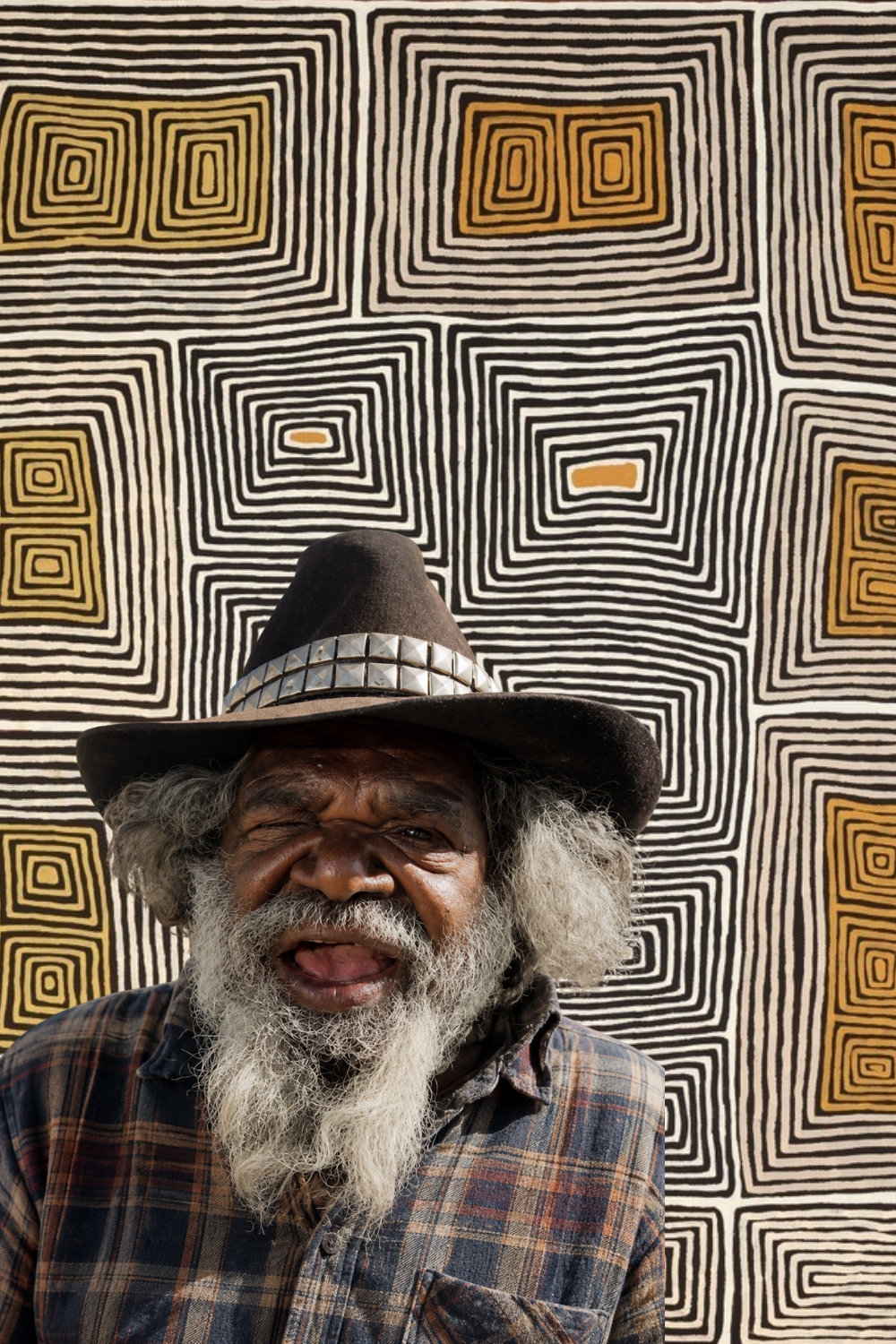
Best known for Tingari painting, intricate dotting, disciplined geometry and powerful expressions of Country, Pintupi Art developed as artists adapted what could appropriately be shown in paintings for public viewing. Tingari subjects became increasingly important, while later artists gave greater prominence to parallel lines, rectilinear forms and other elements with deep roots in Pintupi visual and ceremonial traditions.
The return of Pintupi families west to Kintore and Kiwirrkurra stimulated another period of remarkable artistic innovation. Both men and women developed highly individual approaches that helped make Pintupi painting one of the most influential and internationally recognised traditions in contemporary Aboriginal Australian art
Major Pintupi Artists
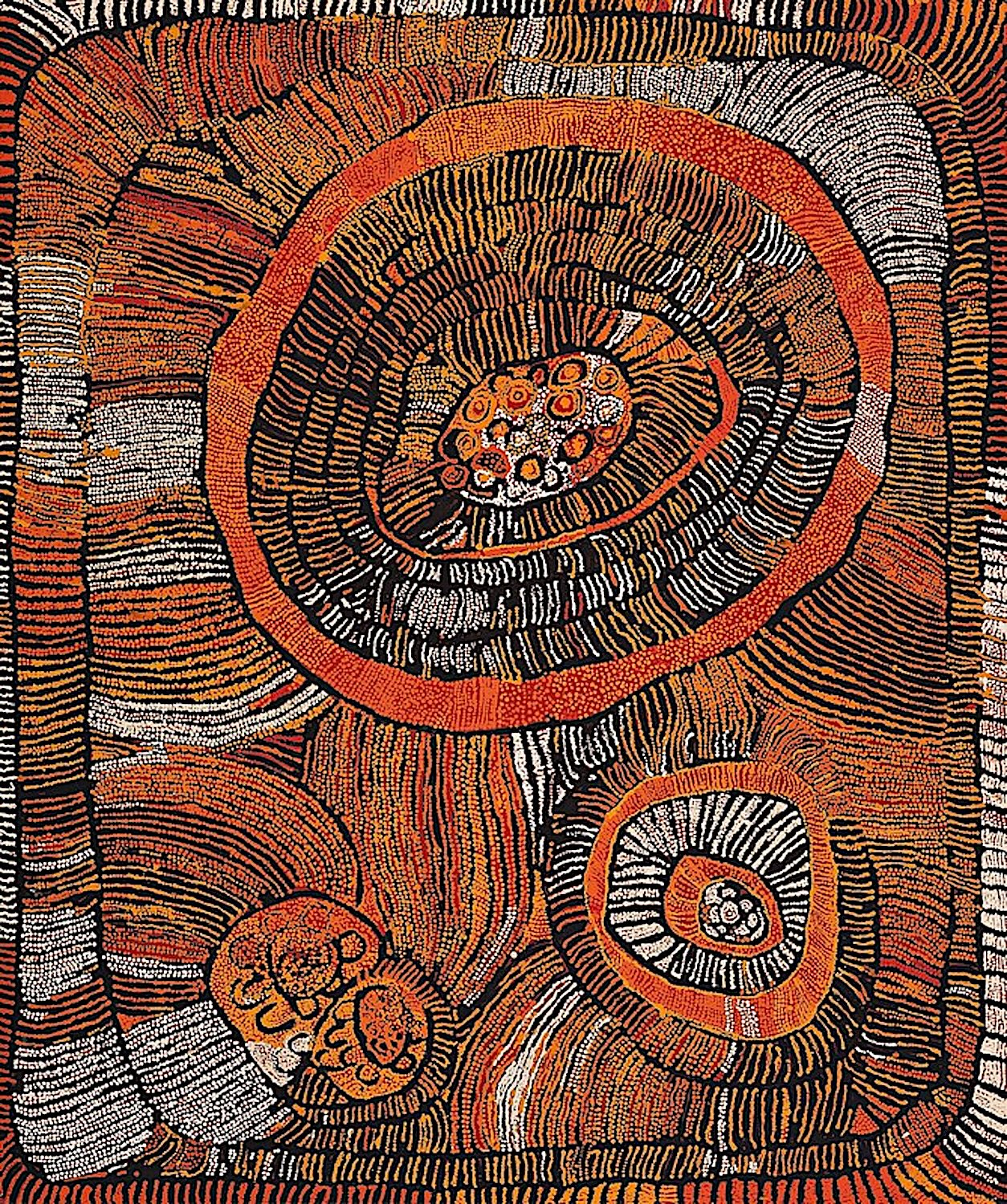
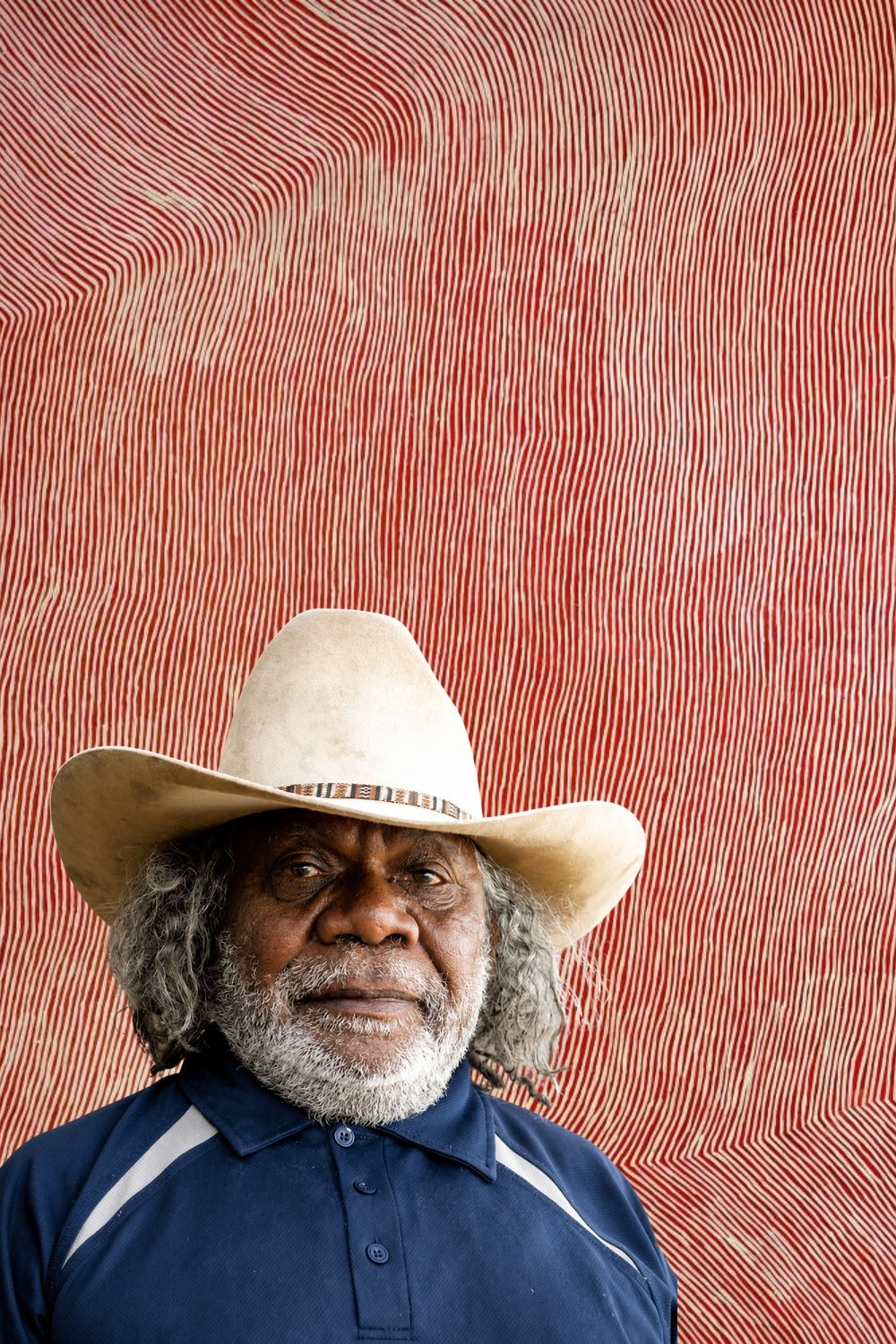
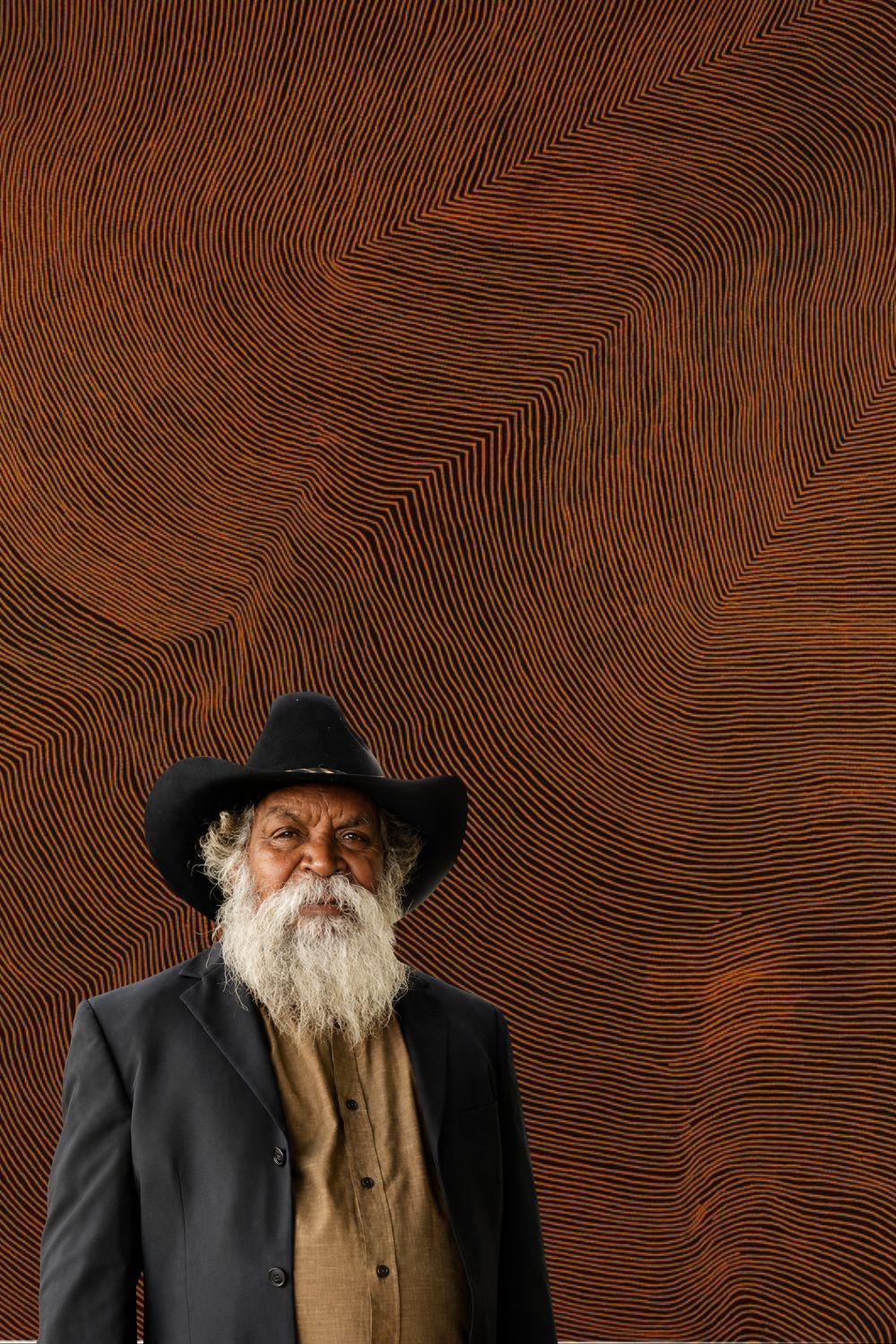
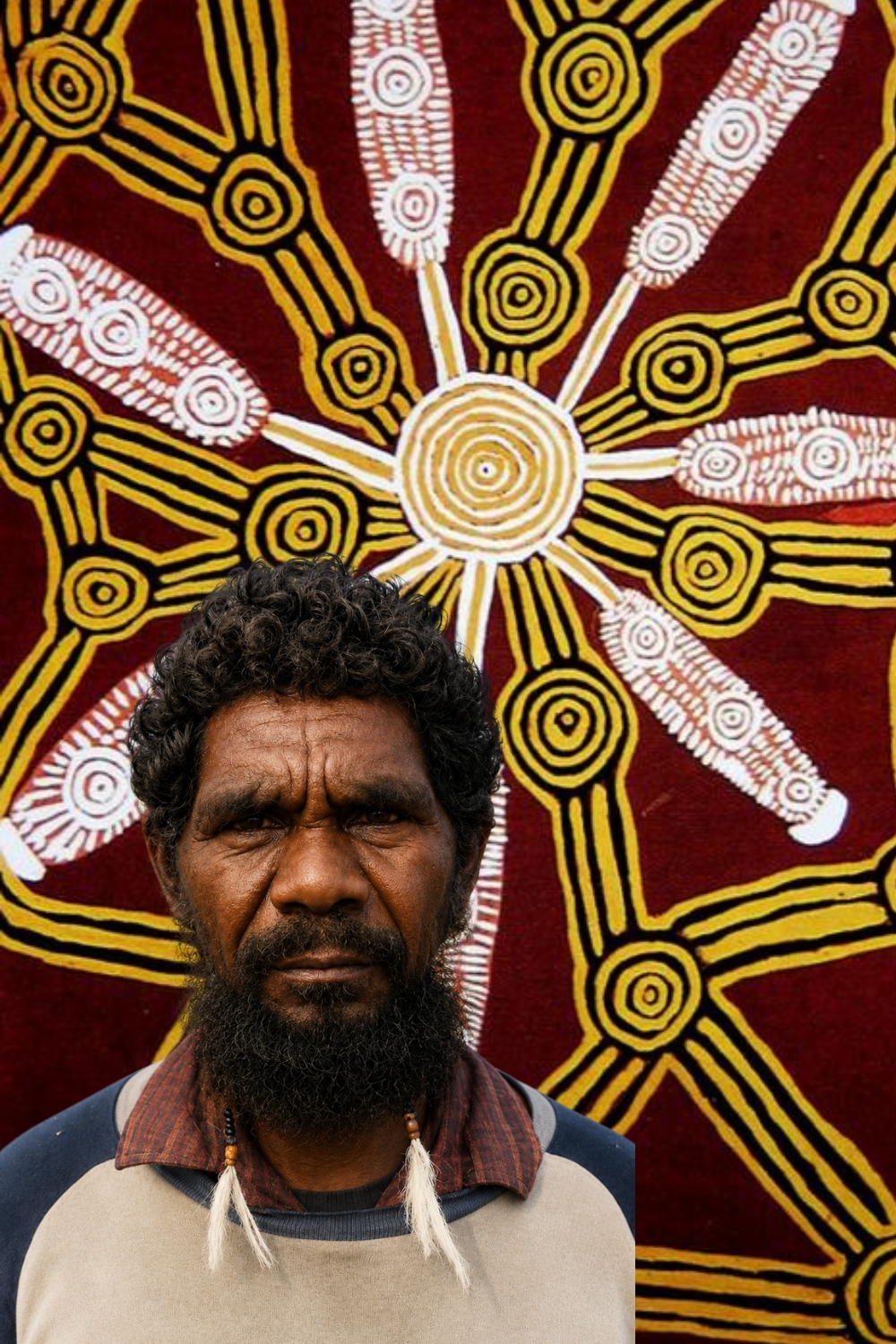
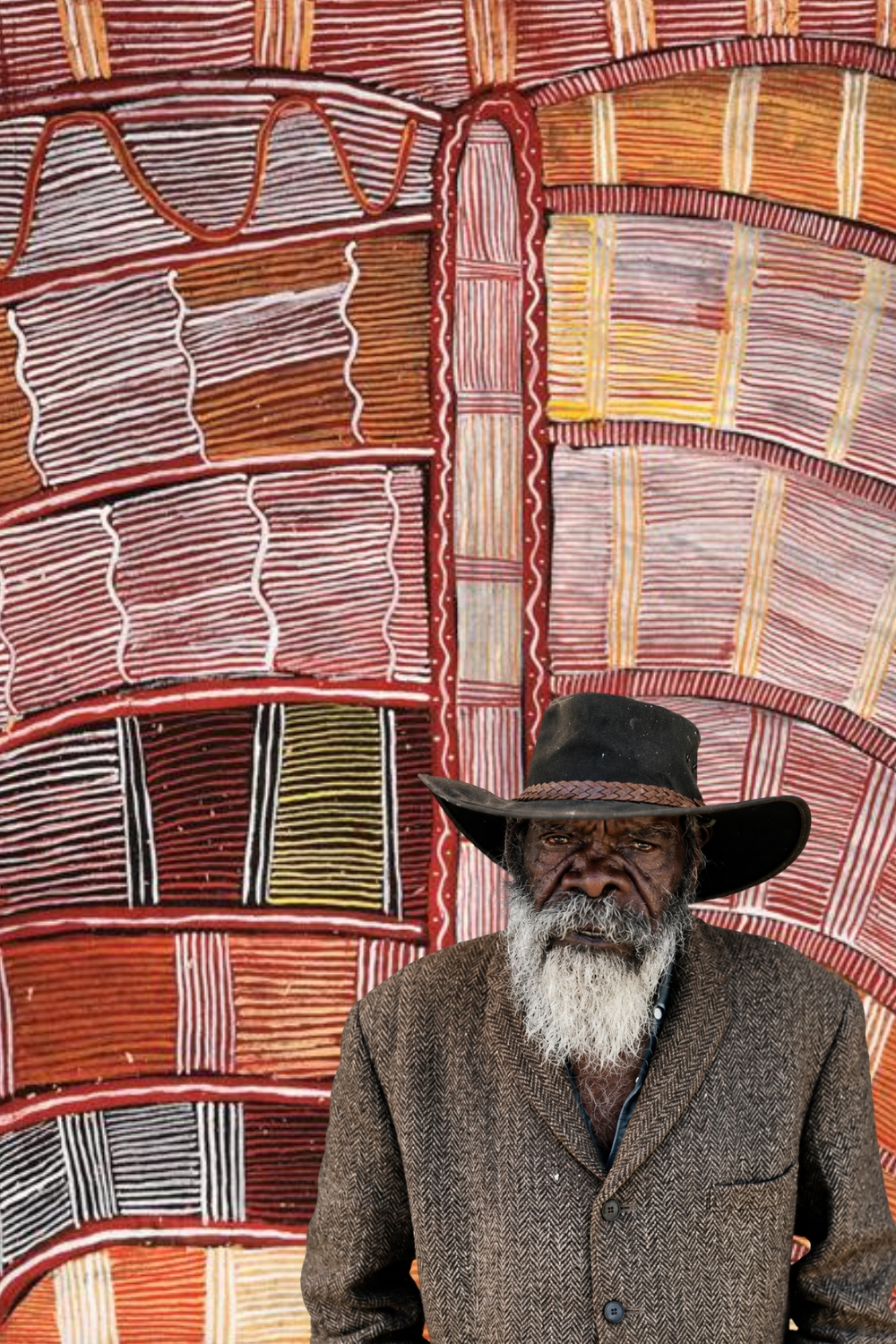
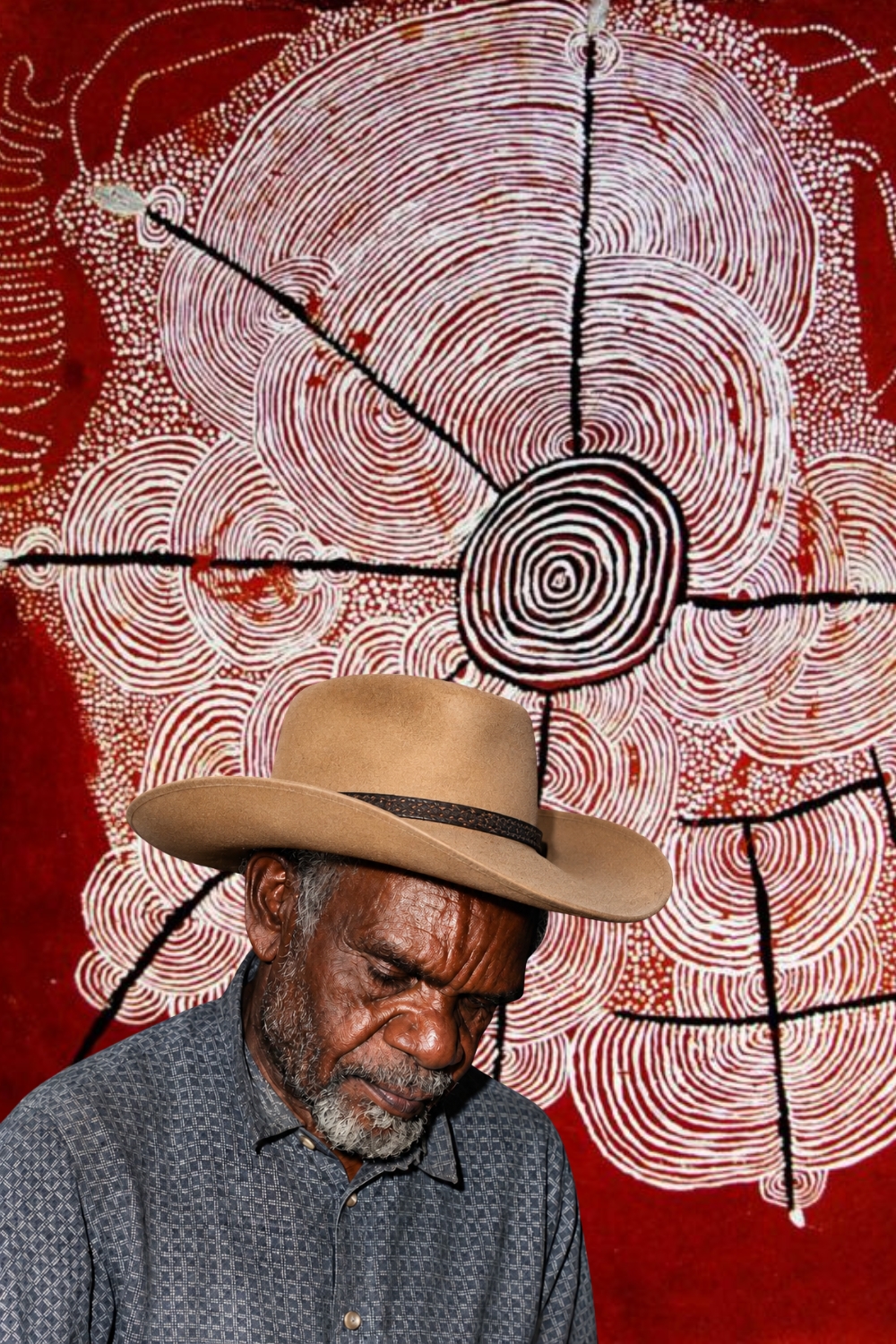
Pintupi painting developed through generations of artists connected by Country, family and ceremony. Among the important early painters was Uta Uta Tjangala, whose monumental Yumari (1981) was created under his direction with the assistance of other Pintupi men. Turkey Tolson Tjupurrula and Ronnie Tjampitjinpa also emerged from the early Papunya movement and later became leading painters at Kintore.
These connections continued through families. George Tjungurrayi and his sister Naata Nungurrayi became major Papunya Tula artists, while George was one of the established painters from whom his close relative Warlimpirrnga Tjapaltjarri learned to paint after arriving at Kiwirrkurra in 1984.
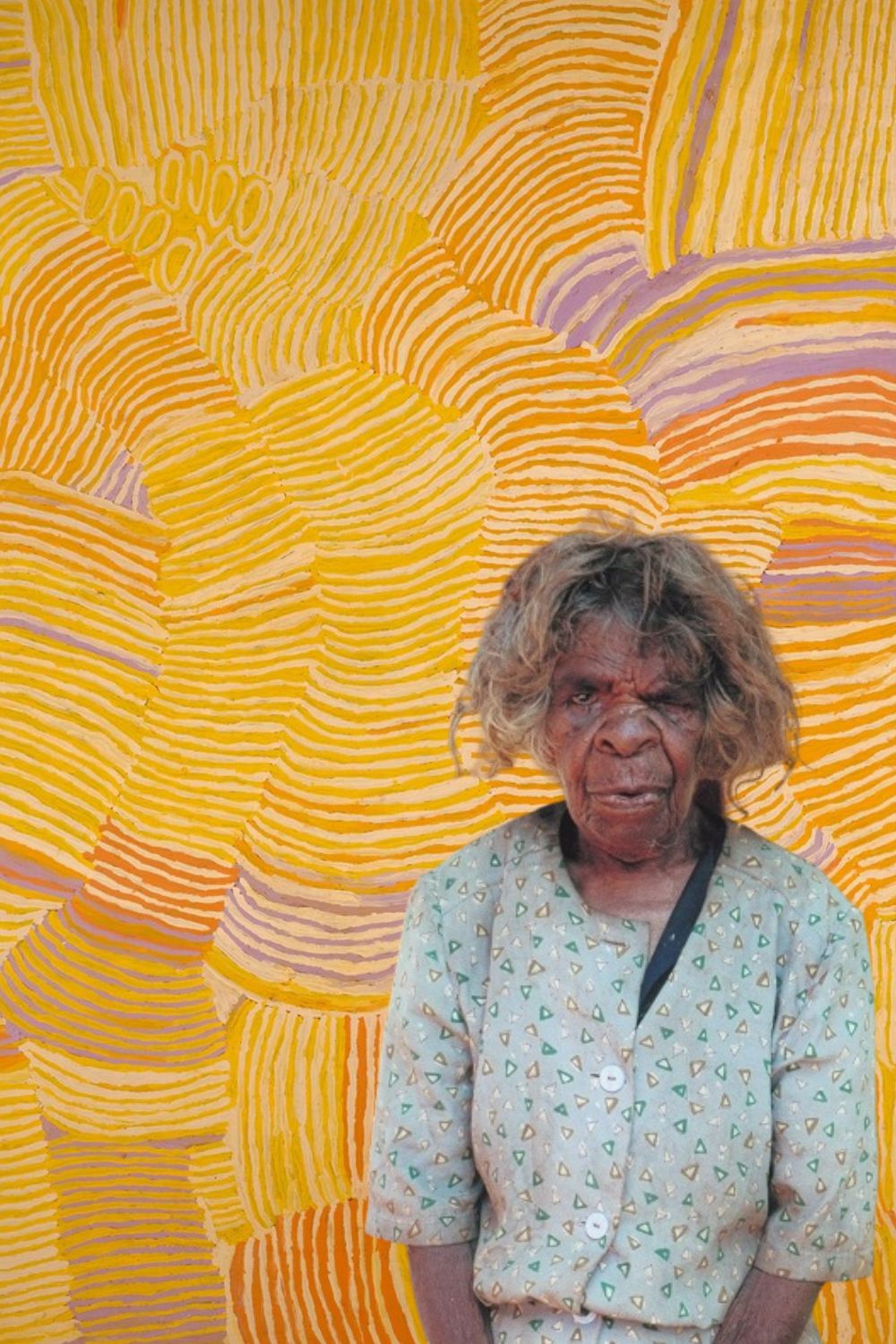
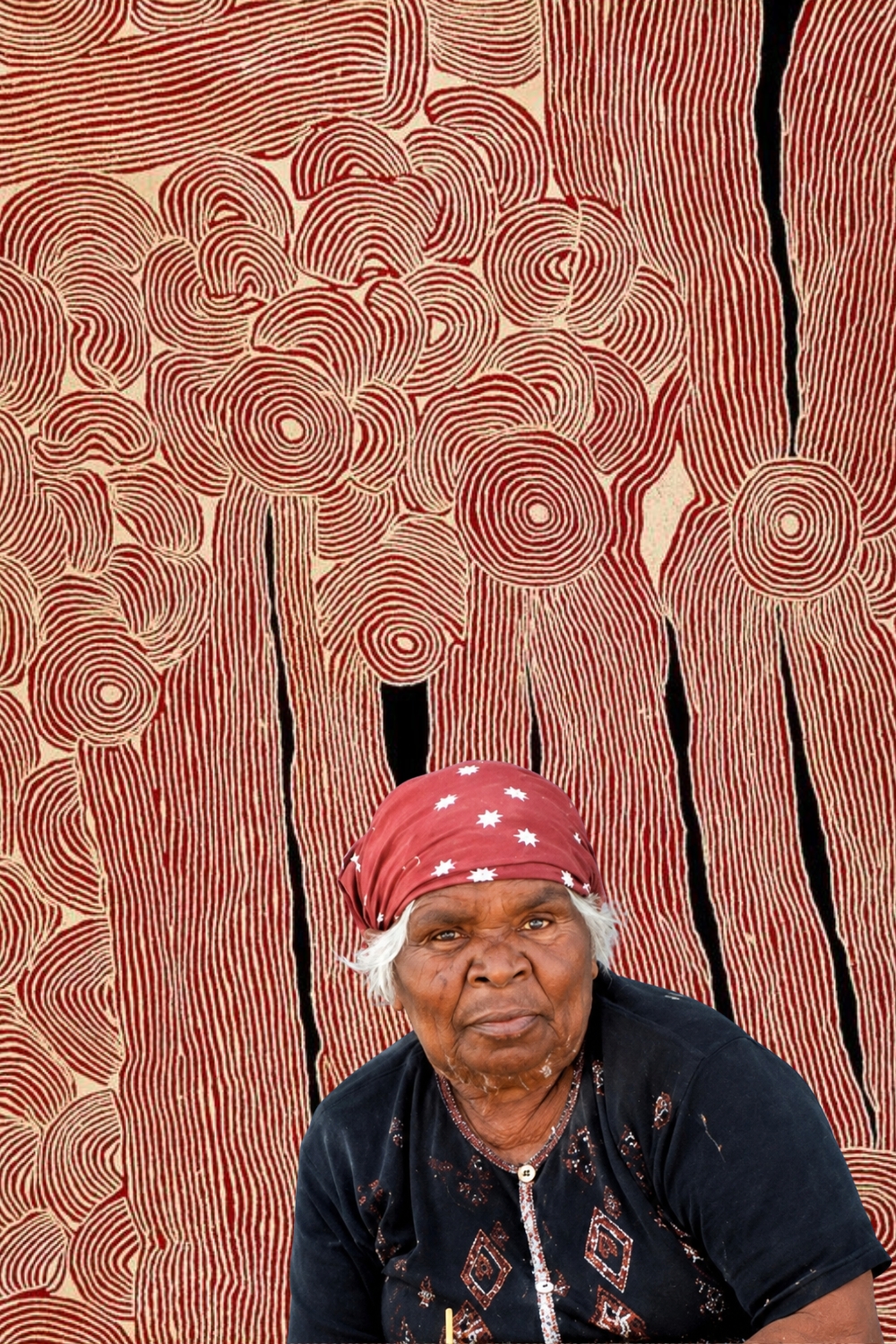
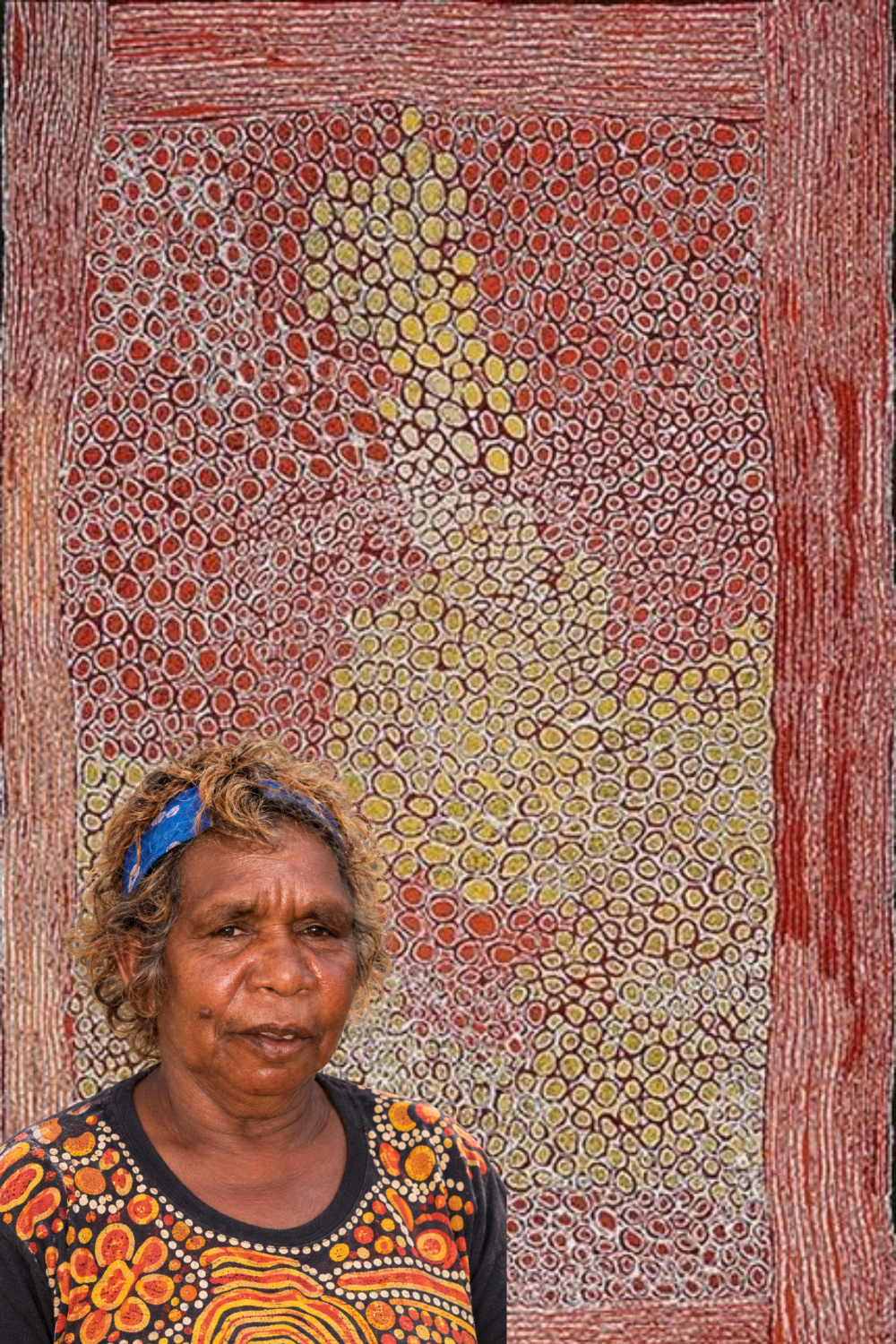
During the 1990s, Naata, Makinti Napanangka and Ningura Napurrula were among the senior Pintupi women who emerged as important independent painters. Ningura had earlier assisted her husband, original Papunya painter Yala Yala Gibbs Tjungurrayi, before developing her own career.
Patrick Tjungurrayi carried this interconnected history beyond Kintore and Kiwirrkurra. Painting with both Warlayirti Artists and Papunya Tula Artists, his career connected Pintupi Art directly with Balgo Art. Together, these artists reveal Pintupi painting not as a single style, but as an artistic tradition shaped by Country, Tjukurrpa, family and the movement of people across the Western Desert.
Pintupi Art vs Papunya Art
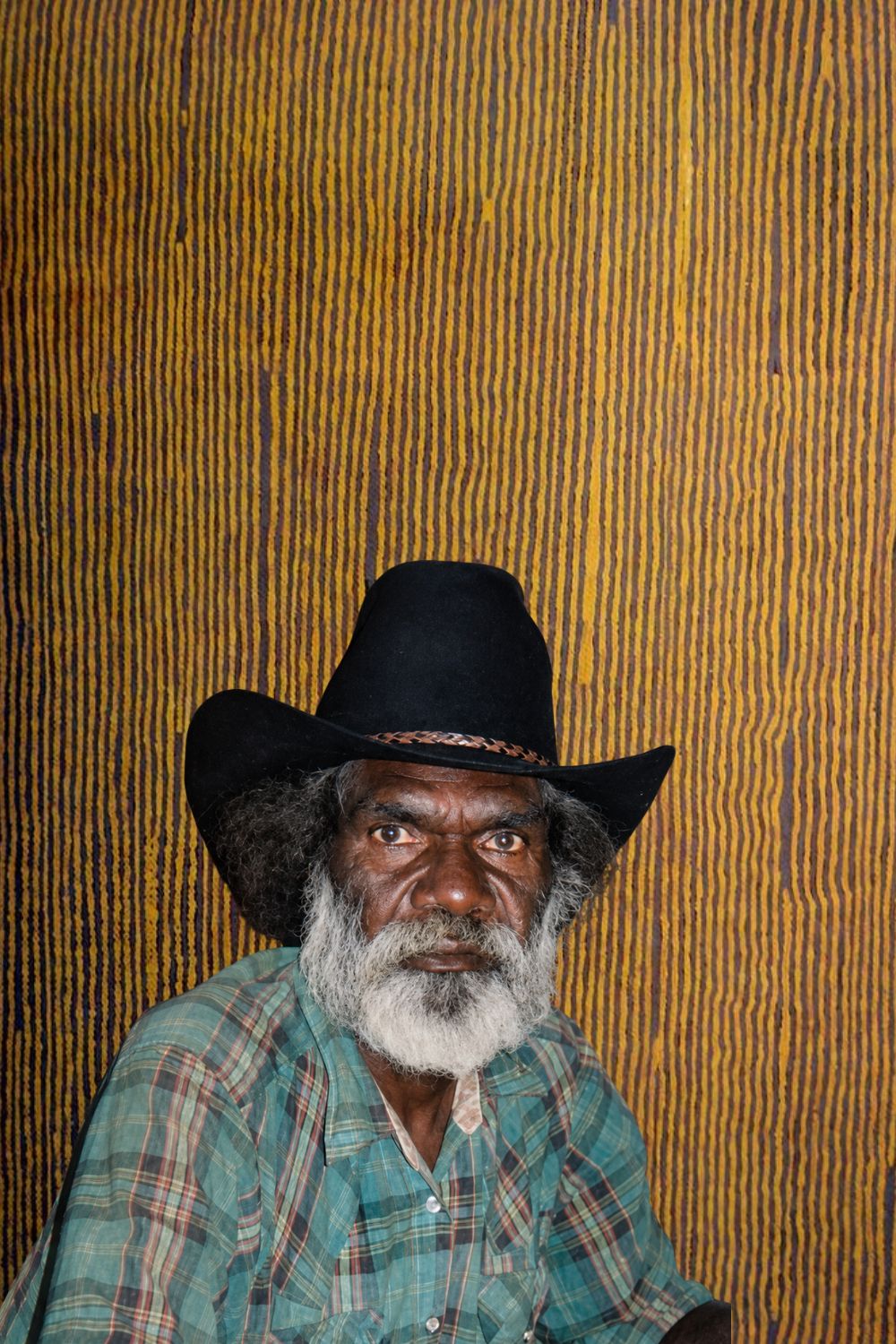
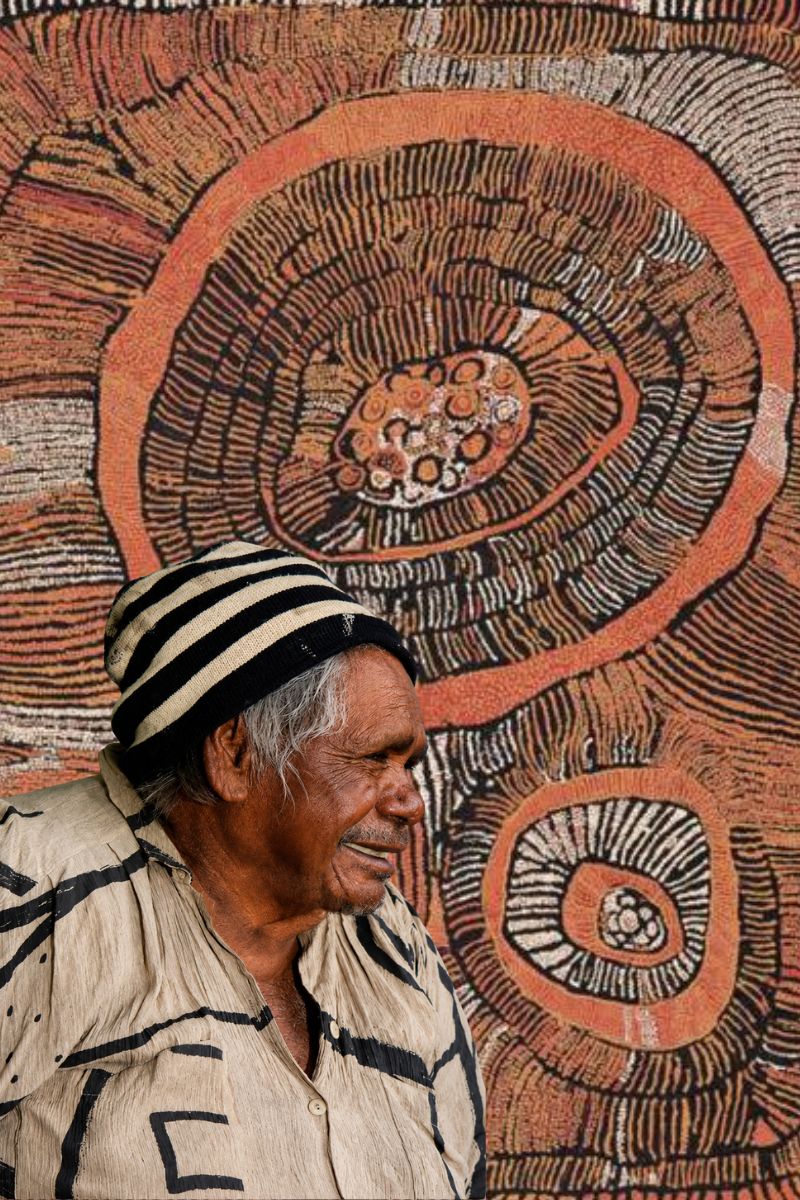
Many Pintupi painters were involved in the early Papunya Art movement, but Papunya painting was never exclusively Pintupi. Artists from several cultural and language groups worked there, including Anmatyerr, Arrernte, Luritja and Warlpiri men alongside Pintupi artists. For the purposes of this site, Papunya Art refers primarily to the early multi-language group painting movement at Papunya between 1971 and 1974.
Pintupi Art developed more specifically from the work of Pintupi artists, many of whom had first painted at Papunya and later moved west towards their own Country. From around 1974, concerns among Pintupi people about paintings revealing restricted ceremonial knowledge also contributed to important changes in subject matter and visual presentation.
Artists increasingly avoided revealing culturally restricted aspects of particular ceremonies and places, while publicly appropriate aspects of Tingari narratives became increasingly prominent. Tingari paintings could represent ancestral journeys, sites and connections across Country while deeper levels of ceremonial knowledge about individual sites or ancestors remained protected.
The two movements are therefore closely connected rather than completely separate. Many Pintupi pioneers of the early Papunya movement later became important figures in the development of Pintupi painting, creating a direct artistic bridge from early Papunya painting to the later Kintore and Kiwirrkurra movements.
Major Pintupi Artists in the Papunya Art Movement
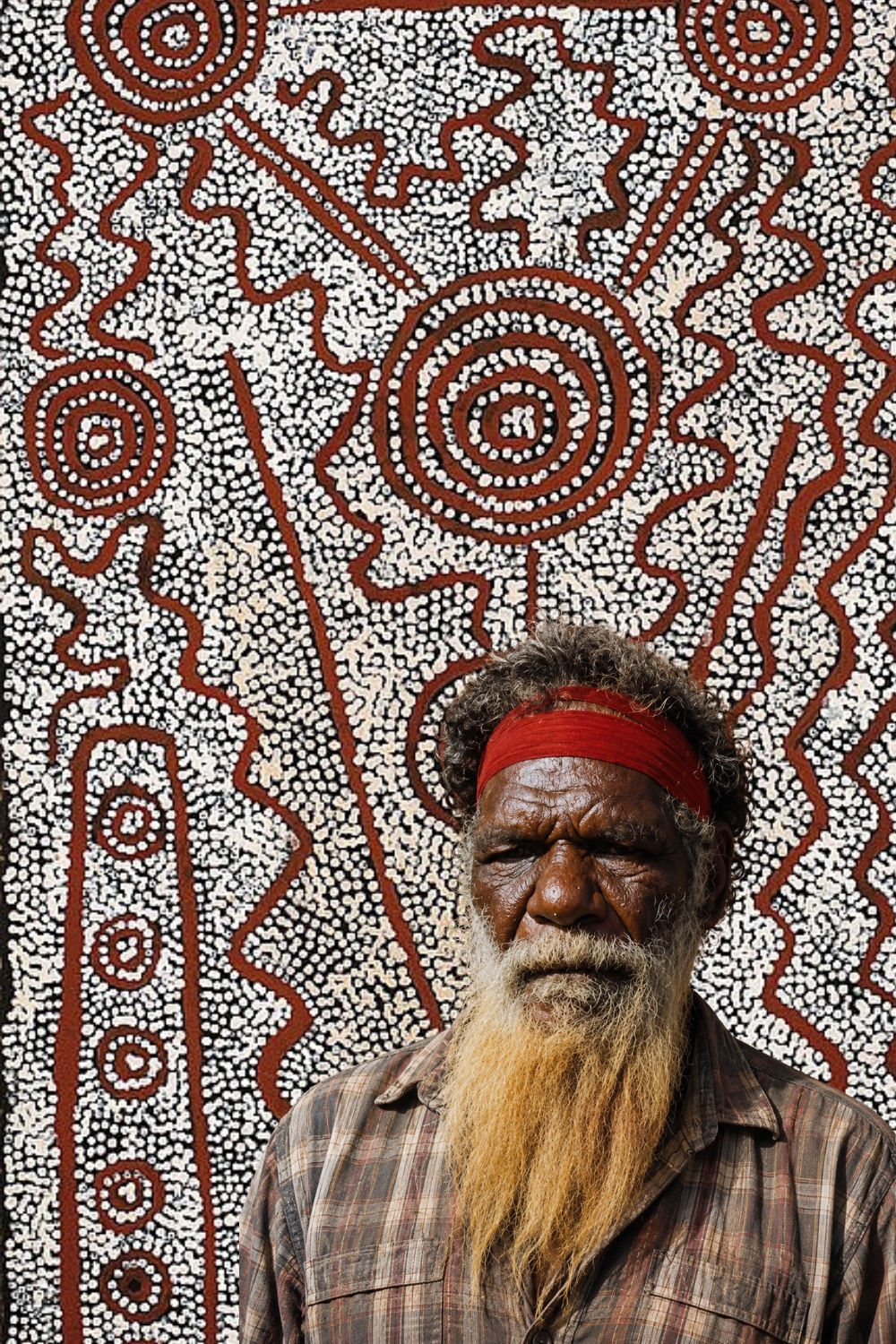
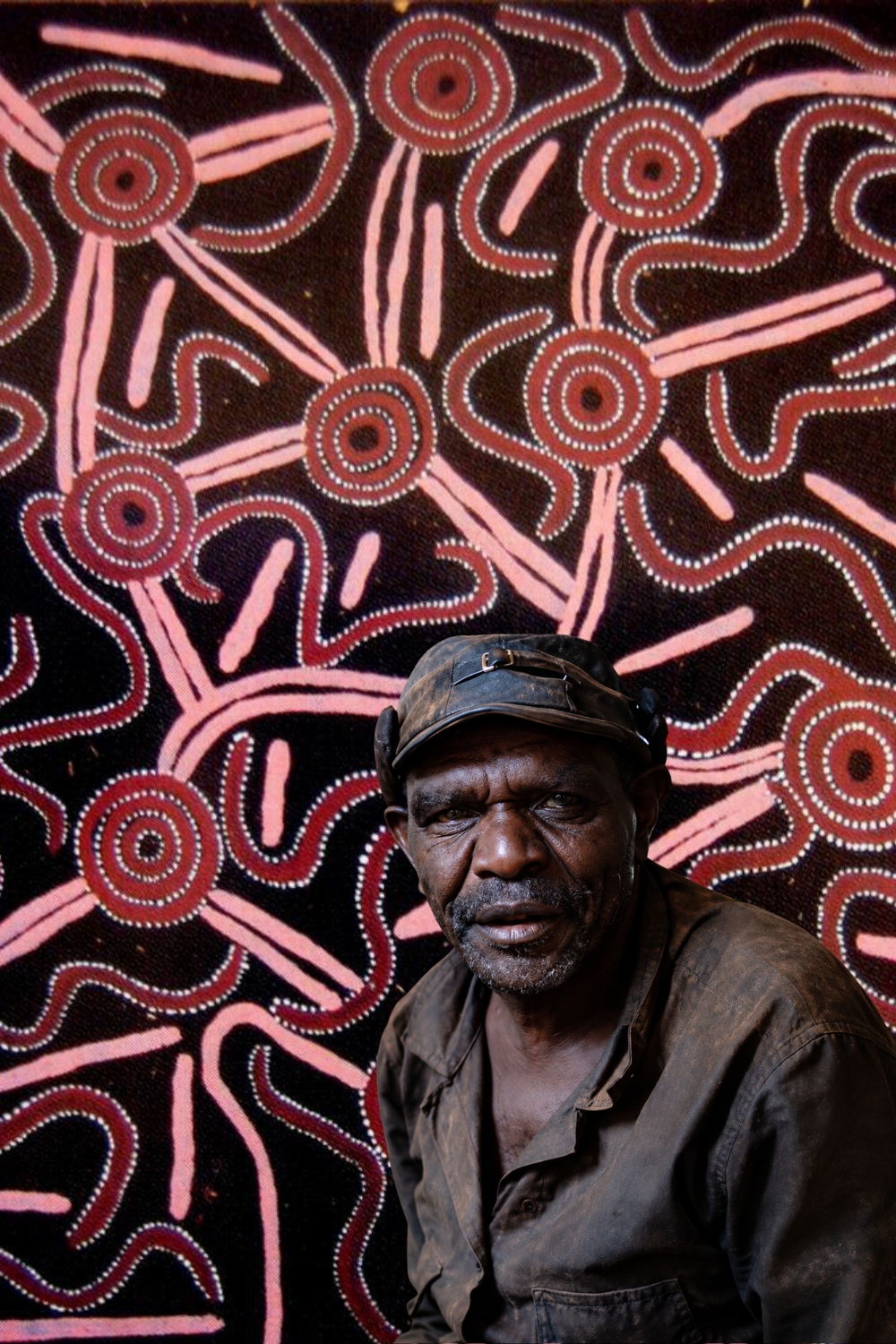
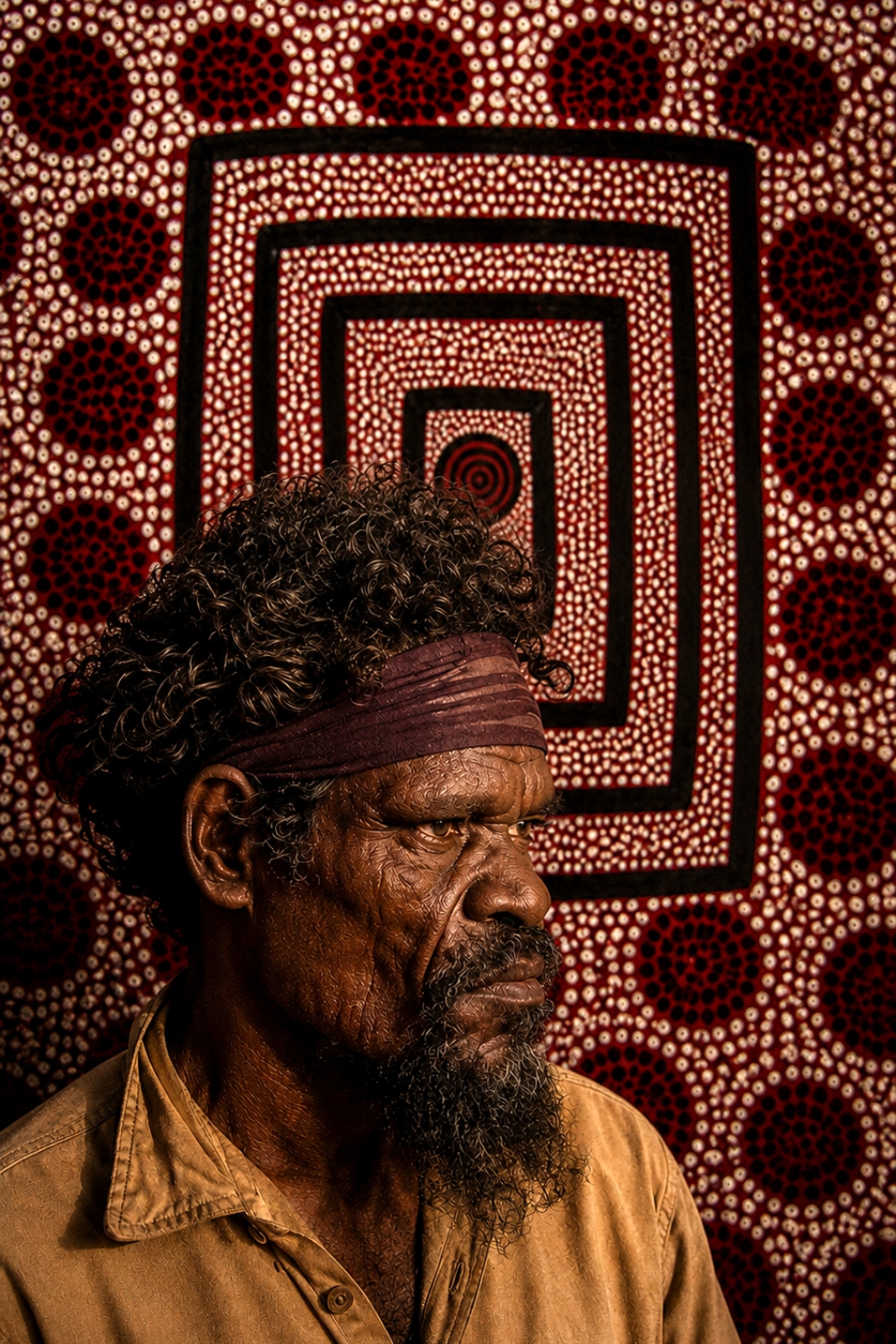
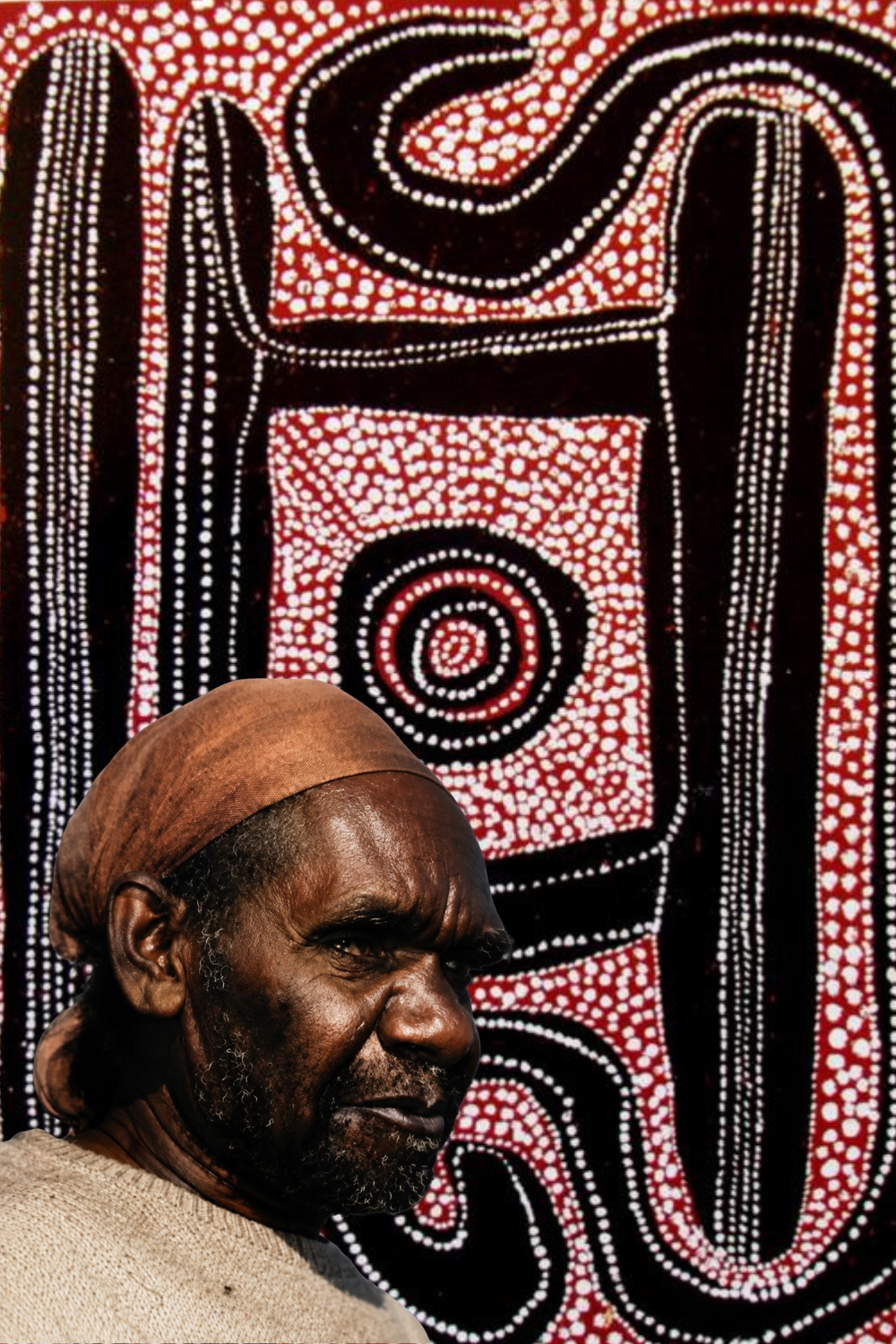
Tingari Paintings
Tingari refers to an extensive cycle of ancestral journeys, places, ceremonies and Law belonging particularly to Pintupi and neighbouring Western Desert peoples. Tingari ancestors travelled across vast areas of Country, stopping at important places, performing ceremonies and establishing aspects of the landscape and social and ceremonial order. Tingari is therefore better understood as a network of interconnected ancestral journeys and sites rather than as a single Dreaming story.
Tingari became increasingly important to Pintupi painters from the mid-1970s as cultural concerns restricted what artists could appropriately reveal in paintings made for public viewing. While detailed knowledge associated with particular sacred sites, ceremonies and ancestors could be highly restricted, the broader existence of Tingari places and the journeys connecting them could be publicly acknowledged. Artists could therefore paint this wider ancestral geography while protecting deeper levels of ceremonial knowledge.
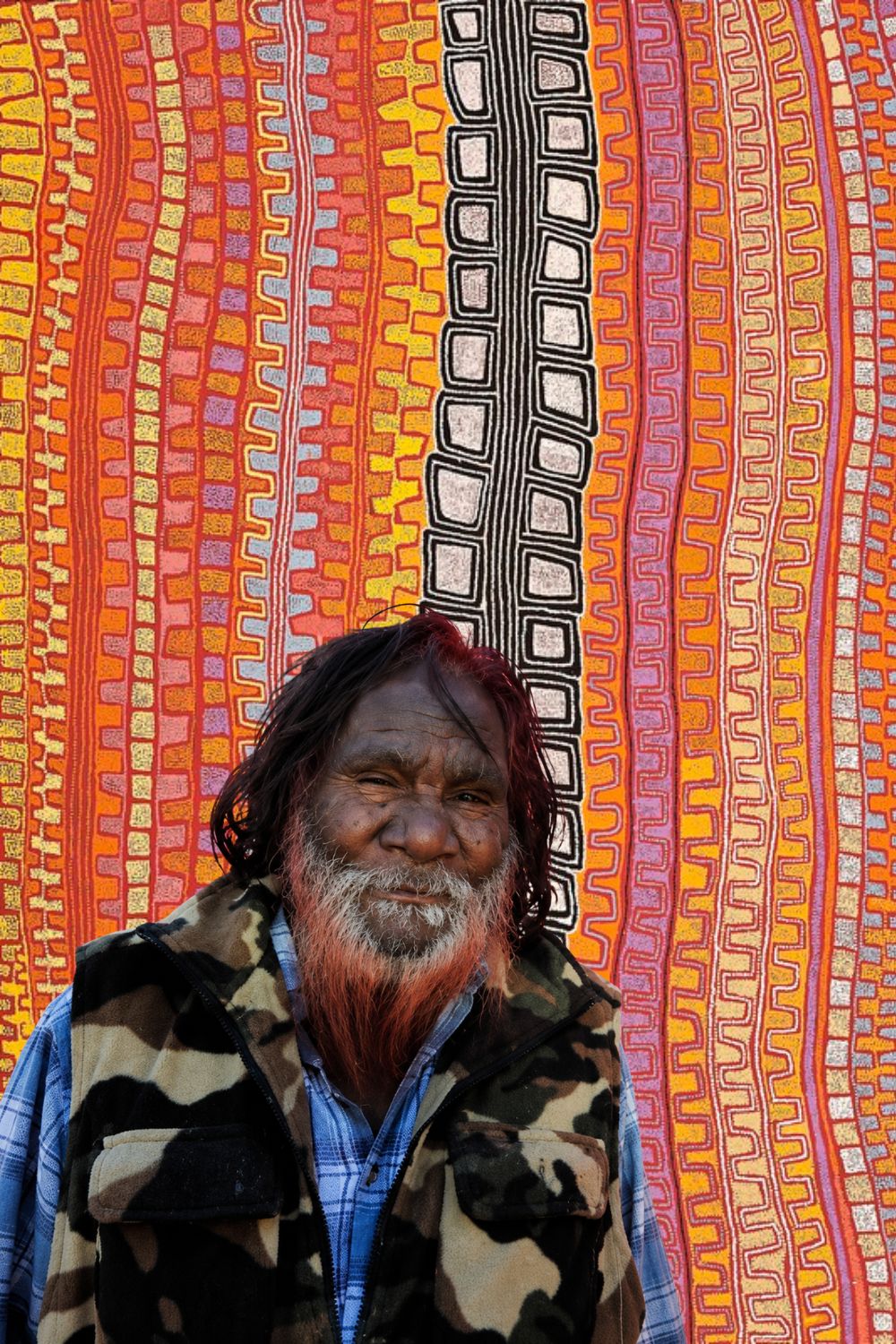
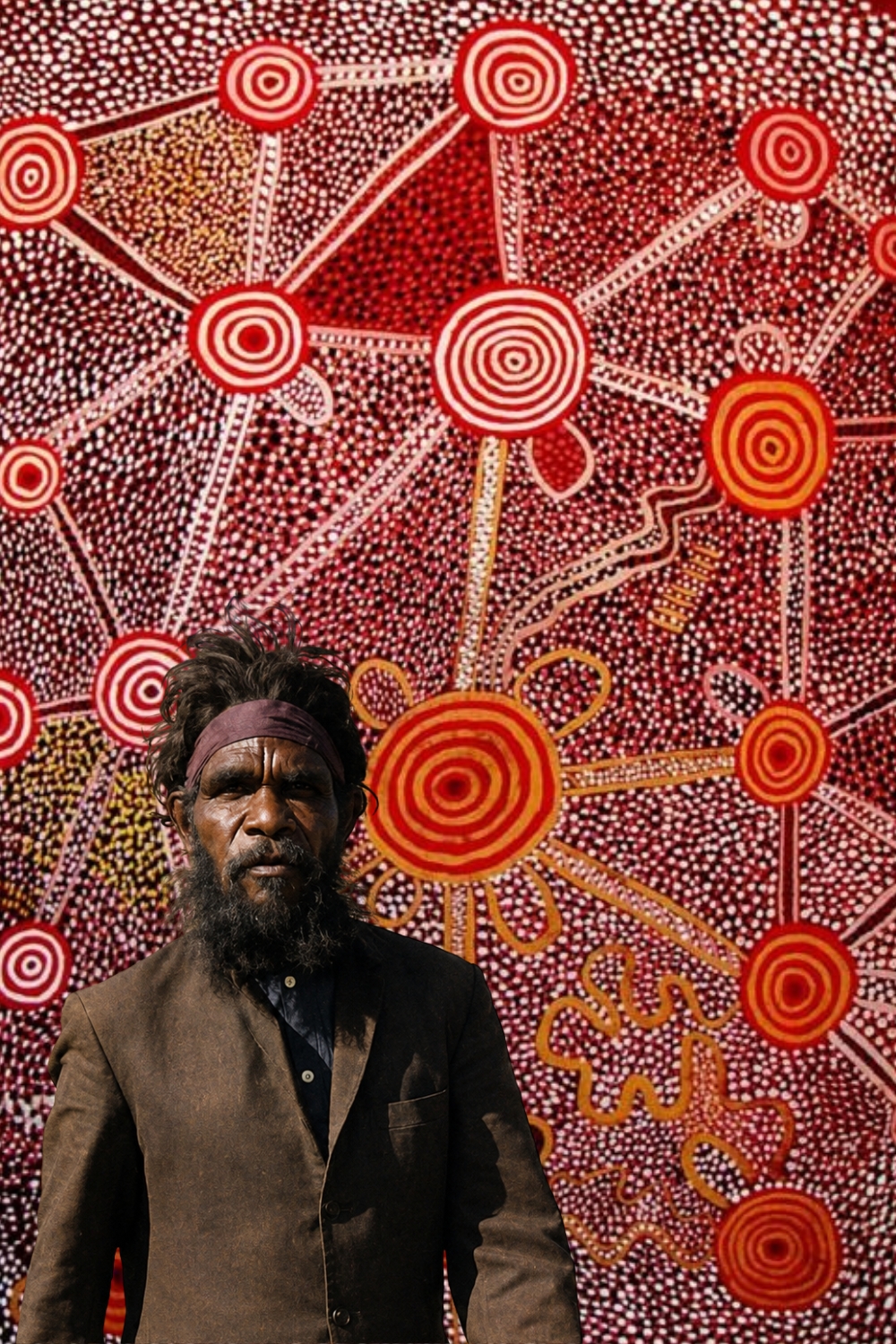
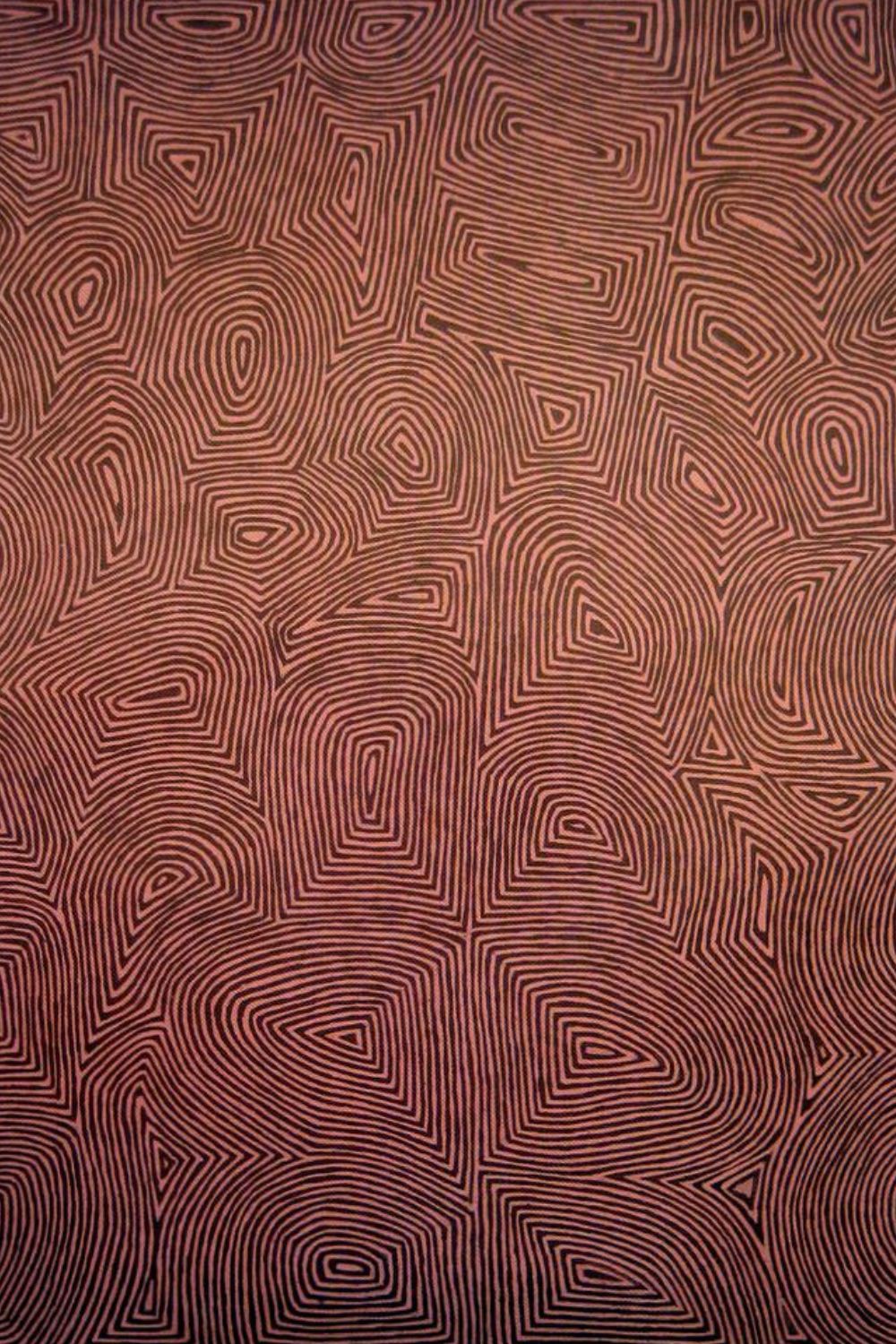
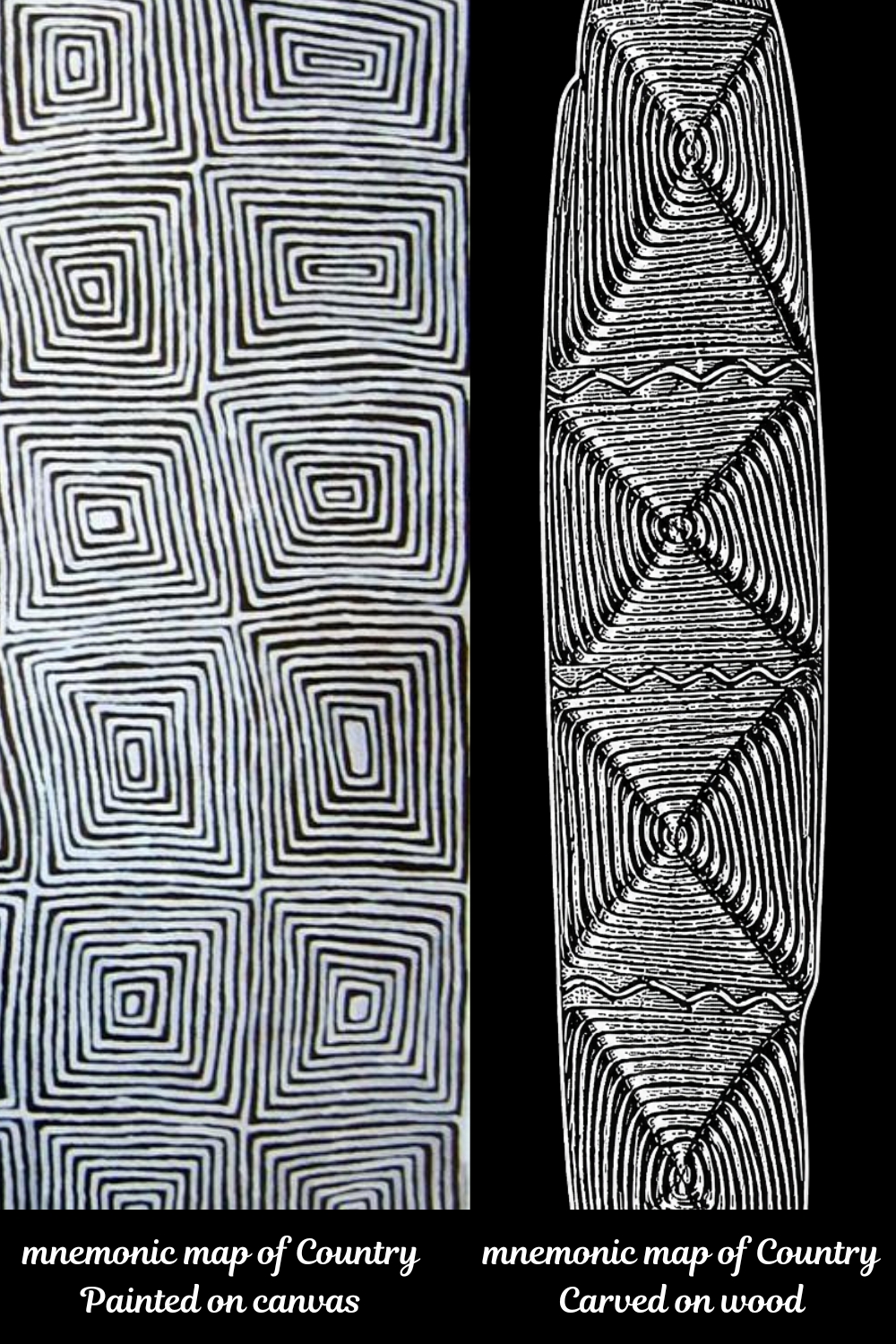
In early Tingari paintings, sites were often represented by concentric circles connected by straight or meandering lines, creating networks of places and ancestral journeys across Country. Later Pintupi painters increasingly gave prominence to nested rectangles and other geometric forms with much older roots in western Pintupi visual and ceremonial traditions. These forms were also part of the Tingari visual vocabulary; they were not a new form of abstraction but older designs that became increasingly prominent in contemporary painting.
Kintore, Kiwirrkurra and the Return to Pintupi Country
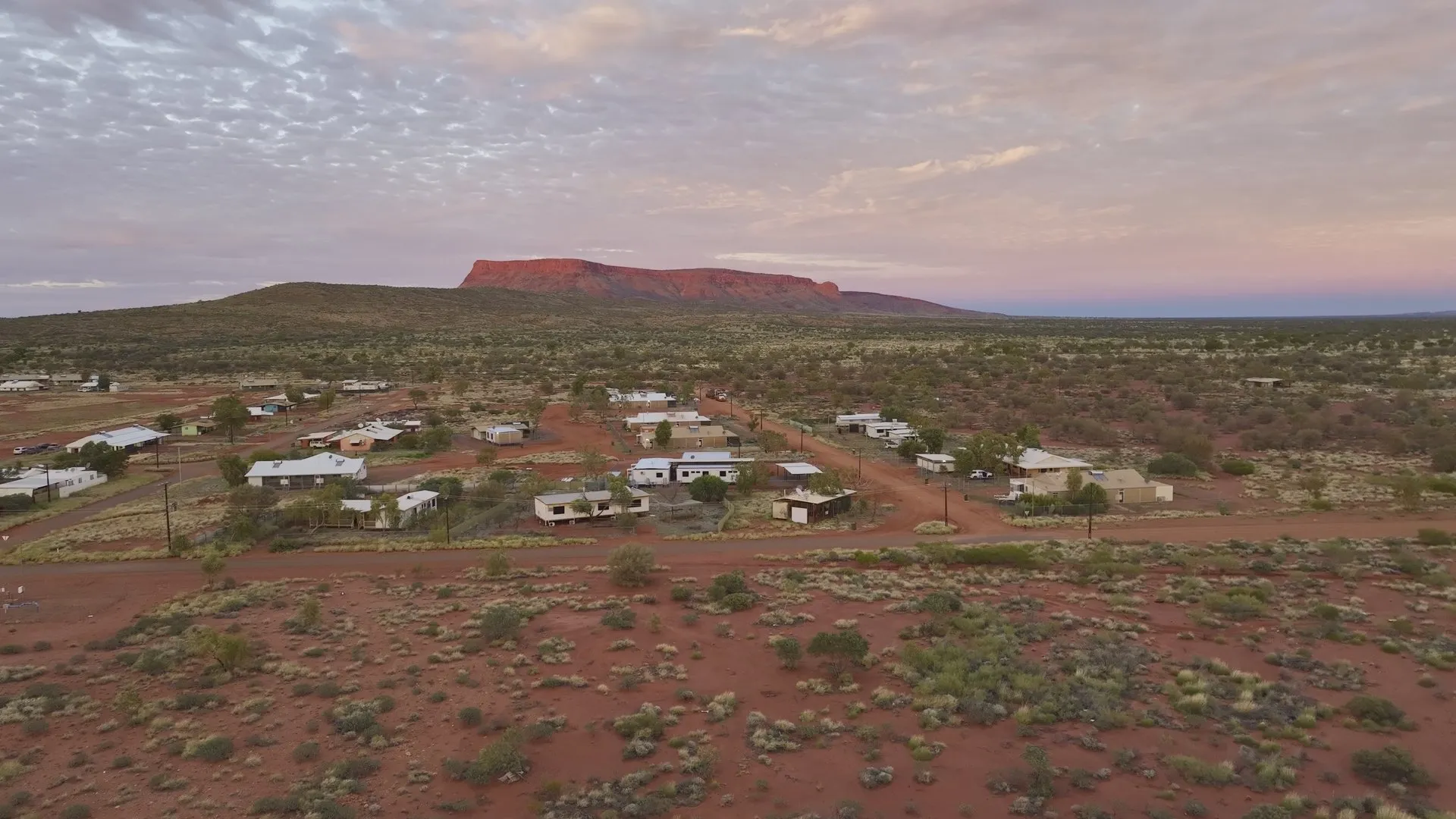
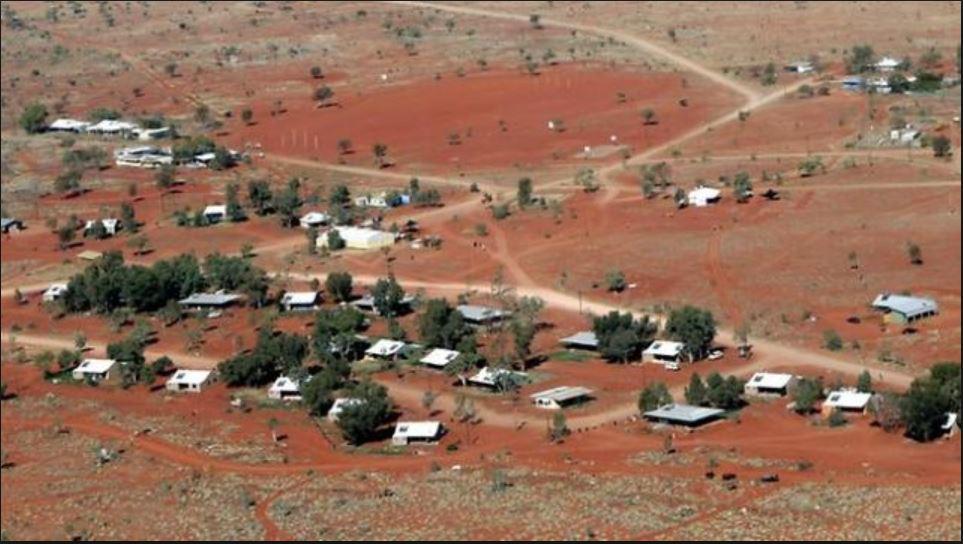
The development of the Kintore painting movement is closely connected to the return of Pintupi families to their Western Desert homelands during the late 1970s and 1980s. After years living at Papunya, families gradually moved west towards their own Country, leading to the establishment of Kintore (Walungurru), about 530 kilometres west of Alice Springs, and later Kiwirrkurra farther west within traditional Pintupi Country.
Living closer to ancestral Country, ceremonial sites, waterholes and Tingari networks coincided with an important new phase in Pintupi painting. Compared with the dense ceremonial iconography of many early Papunya boards, later paintings often became larger and more spatially expansive, increasingly emphasising rhythmic line, restrained palettes and geometric structure.
The return west also brought artists closer to older Pintupi visual traditions. Parallel lines, nested geometry and other designs long present on ceremonial objects became increasingly prominent in painting, contributing to the distinctive visual language associated with later Kintore and Kiwirrkurra art.
By the 1990s, Kintore and Kiwirrkurra had become internationally recognised centres of artistic innovation, helping establish Pintupi painting as one of the most influential traditions within Western Desert Art and the later history of Papunya Tula Artists.
What Makes Pintupi and Kintore Art Distinctive?
Pintupi and Kintore Art encompass remarkably different individual styles, but many paintings share an emphasis on strong geometry, rhythmic repetition, restrained palettes and carefully balanced compositions.
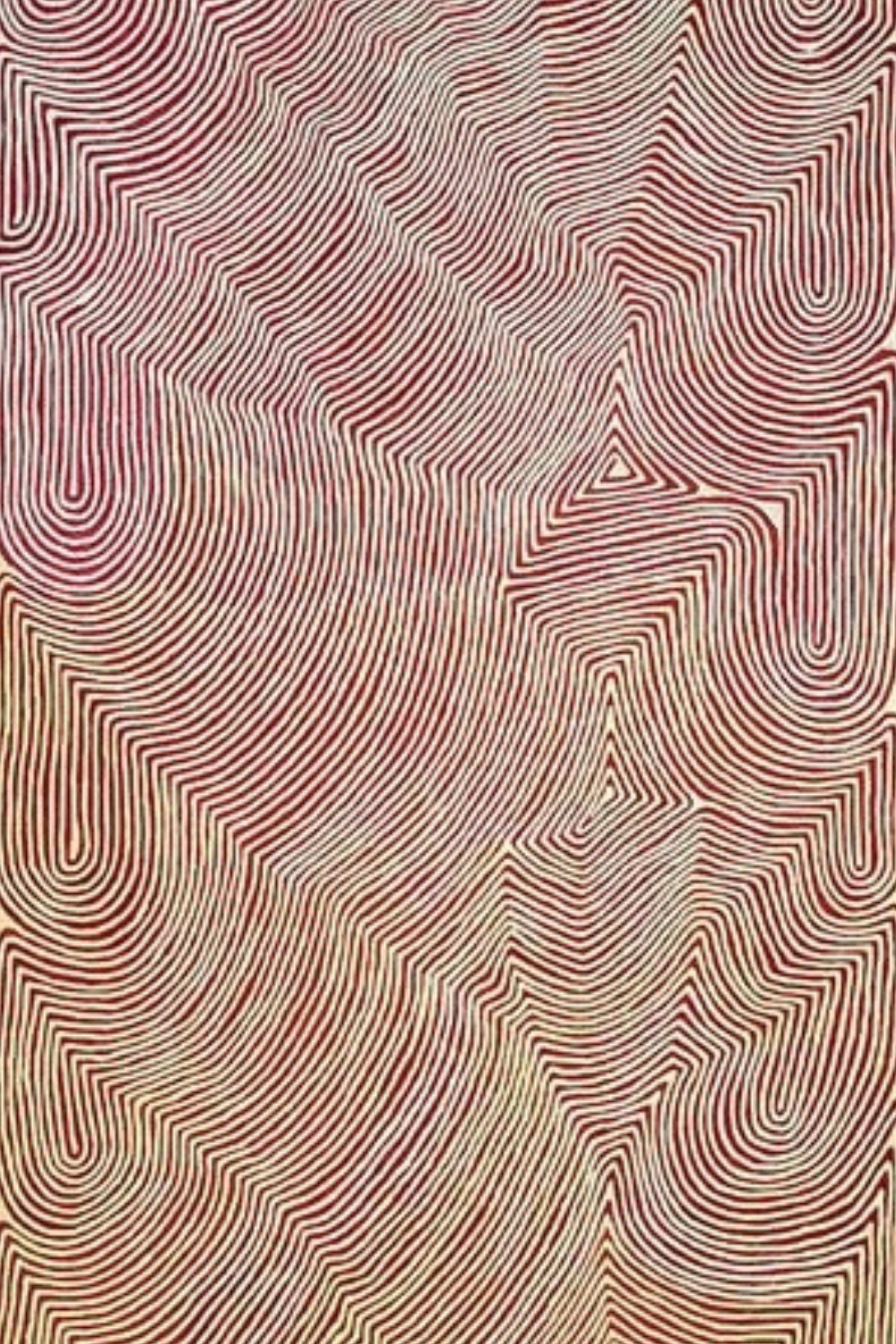
Later Pintupi painting is particularly recognised for its powerful optical movement. Fine dotting, repeated parallel lines, concentric forms and geometric structures can create surfaces that appear to shimmer or vibrate. Other artists used monumental forms, restricted colour and open space to achieve remarkable visual restraint.
This was not simply a progression from traditional imagery towards Western abstraction. Concentric circles, travelling lines, parallel bands and nested rectangles already belonged to Pintupi visual and ceremonial traditions. Later artists increasingly enlarged, repeated and reorganised these existing forms, sometimes allowing a single element to dominate the entire canvas.
The result was not one Kintore style but a remarkable range of individual approaches, all remaining grounded in Pintupi Country, Tingari traditions and ceremonial knowledge.
The meaning of Pintupi Art
Truth, Beauty and Pintupi Painting
Anthropologist Fred R. Myers argued that Pintupi paintings cannot be fully understood through Western ideas of beauty or abstraction. A Western viewer may respond to colour, balance, geometry and optical movement, but for Pintupi people the deeper authority of a painting comes from its relationship to ancestral Country, inherited knowledge and the events associated with particular places. Myers describes this difference as one between an emphasis on “beauty” and an emphasis on “truth.”
This truth does not depend upon a painting being a realistic picture of the landscape. Pintupi artists use a visual language of circles, lines, arcs and other geometric forms whose meanings depend upon the particular ancestral narrative. A circle might represent a waterhole, camp, hill or fire, while a line might indicate a travelling path, spear, digging stick or another element of the story. There is therefore no universal dictionary through which Pintupi paintings can simply be decoded.
Myers’s discussion becomes particularly important when Pintupi paintings are described as maps. Some paintings clearly organise important places and the journeys connecting them, but they contain far more than geographical information. Myers explains that geography can function as a mnemonic for ancestral narratives. A depicted waterhole, hill or pathway can recall the ancestral beings who travelled there, what happened at that place, neighbouring sites, ceremonies and the wider sequence of events to which the place belongs.
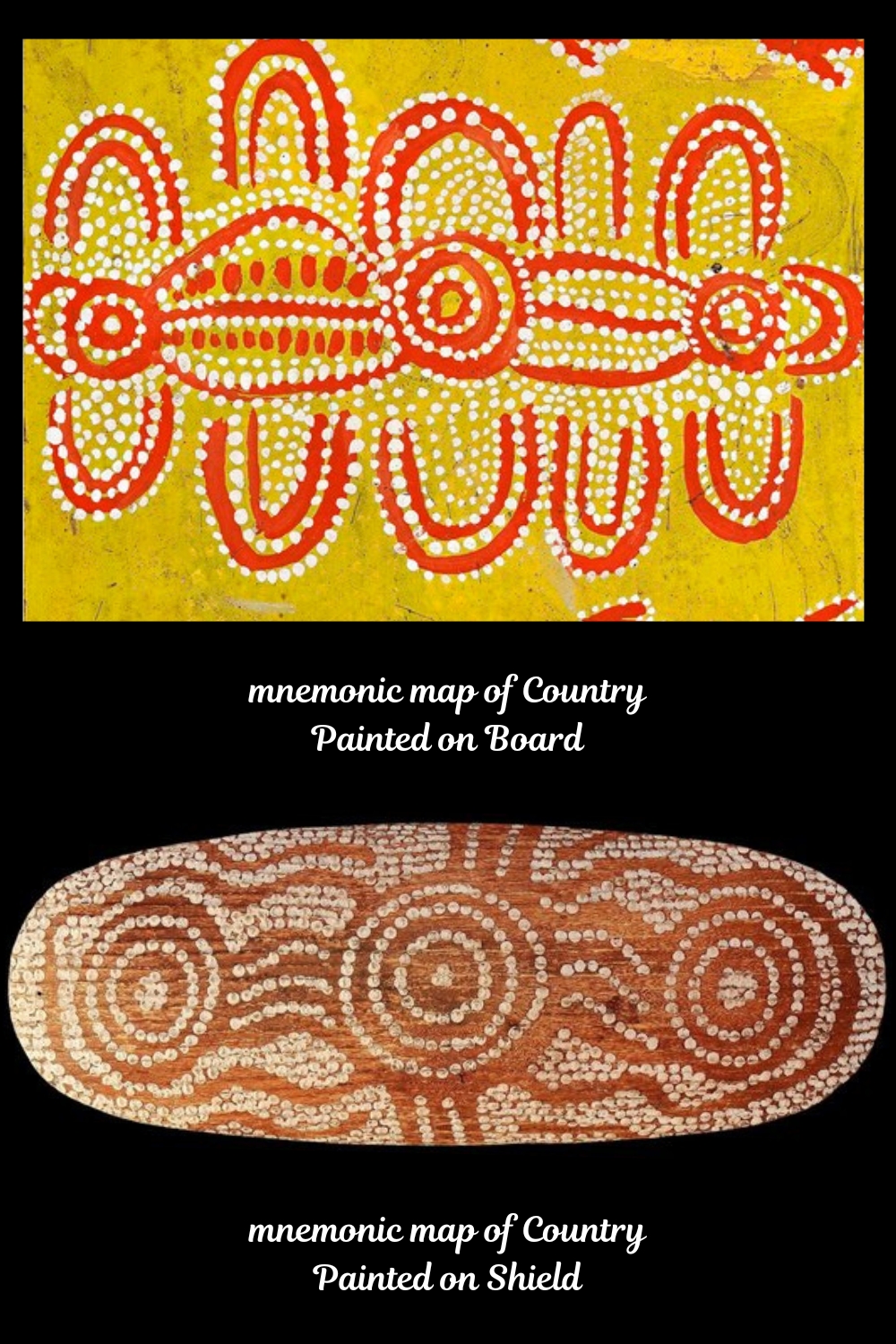
A Pintupi painting can therefore be understood as a kind of mnemonic map of Country. What appears to an outsider as a relatively simple network of circles and connecting lines may provide a knowledgeable Pintupi viewer with a framework for recalling a much larger body of ancestral knowledge. The painting does not need to contain every part of the narrative explicitly because Country itself provides the structure through which those events are remembered.
This is particularly useful for understanding Tingari painting. A series of connected sites can refer not simply to points in the landscape but to ancestral journeys extending across enormous areas of the Western Desert. Each place belongs within a larger sequence of movement, events and ceremonial knowledge. The visible painting may therefore represent only one level of a much more extensive system of knowledge, some of which may be public and some restricted.
Acrylic painting transformed the appearance of this older visual language. Artists enlarged, repeated and reorganised designs previously associated with bodies, ceremonial objects and the ground, eventually producing the monumental circles, parallel lines and nested geometric structures characteristic of much later Pintupi painting. Yet increasing visual abstraction did not necessarily mean decreasing cultural meaning.
Further Reading
Papunya Tula: Genesis and Genius — The most important scholarly study of the Papunya Tula movement, examining the rise of Pintupi painting from Papunya to the Western Desert homelands.
Icons of the Desert: Early Aboriginal Paintings from Papunya — Essential reference documenting the early Papunya boards and the emergence of Pintupi painting during the formative years of the 1970s movement.
Tjukurrtjanu: Origins of Western Desert Art — Major exhibition catalogue exploring the ceremonial foundations of Western Desert painting, including Tingari traditions, body painting, sand mosaics, and the rise of Pintupi Art.
Papunya Tula: Aboriginal Art of the Western Desert — Important examination of Tingari painting traditions, Kintore painting, and the evolution of Pintupi abstraction within contemporary Aboriginal Art.
Warlugulong: The Art of the Western Desert — Influential study of Western Desert painting traditions with important discussion of Pintupi artists, ceremonial geography, and the expansion of the Papunya movement.
Kintore / Kiwirrkurra Exhibition Catalogues — Important museum and gallery catalogues from the 1980s onward documenting the rise of the Kintore homelands movement and the evolution of Pintupi painting after the return to Country.