Aboriginal Art > Contemporary
Contemporary Aboriginal Artists
Contemporary Aboriginal artists represent an extraordinary diversity of cultures, communities and artistic traditions across Australia. Their work ranges from expressive landscape painting and intricate abstract compositions to sculpture, printmaking and experimental contemporary art.
While major movements such as Western Desert Art, Utopia Art and Arnhem Land bark painting have developed recognisable regional styles, many significant Aboriginal artists work outside these established classifications.
This collection brings together artists from different parts of Australia whose distinctive approaches reflect their individual experiences, cultural knowledge and relationships with Country.
Their paintings demonstrate that contemporary Aboriginal art cannot be defined by a single style, technique or artistic movement.
Contemporary Artists Within Traditional Painting Movements
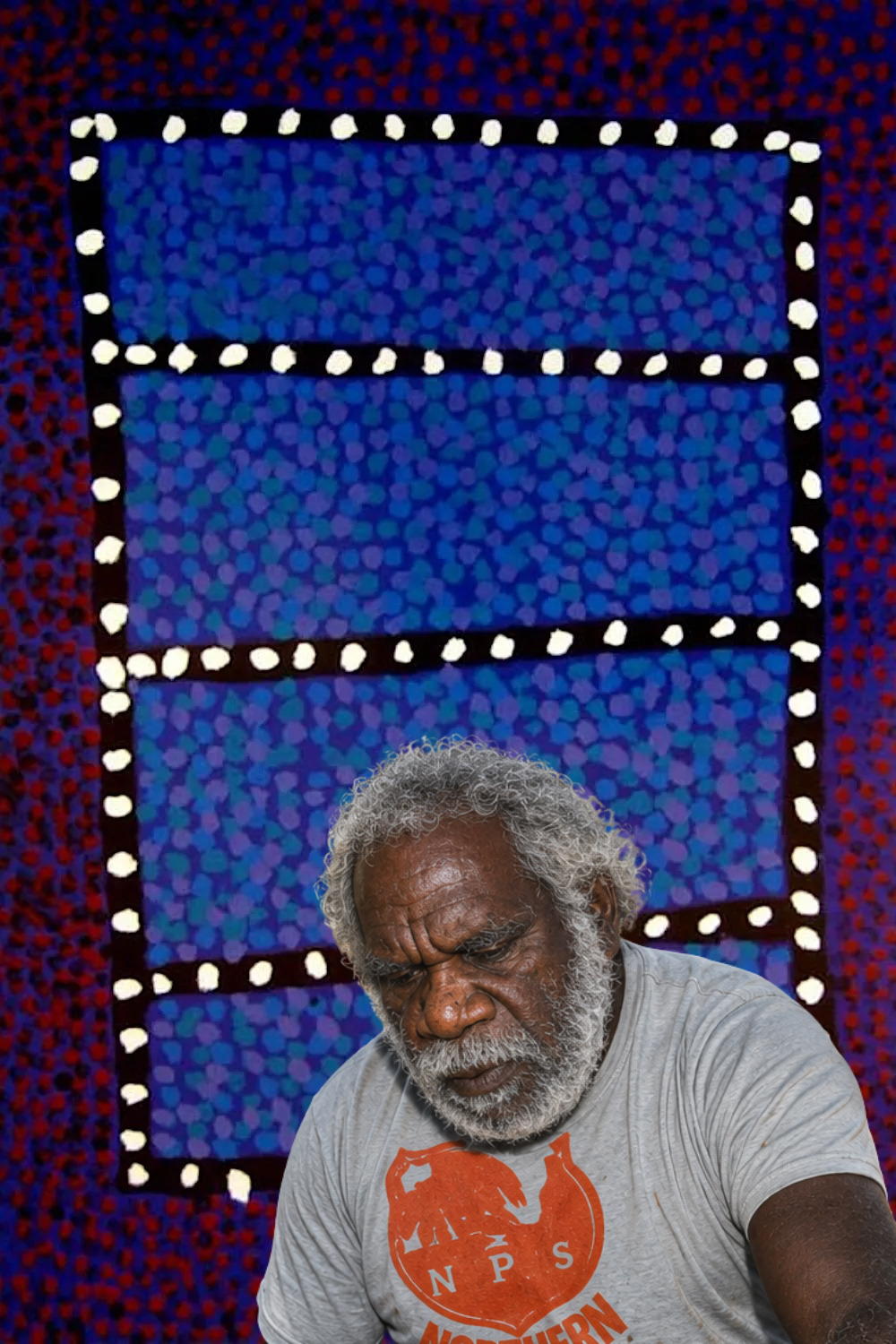
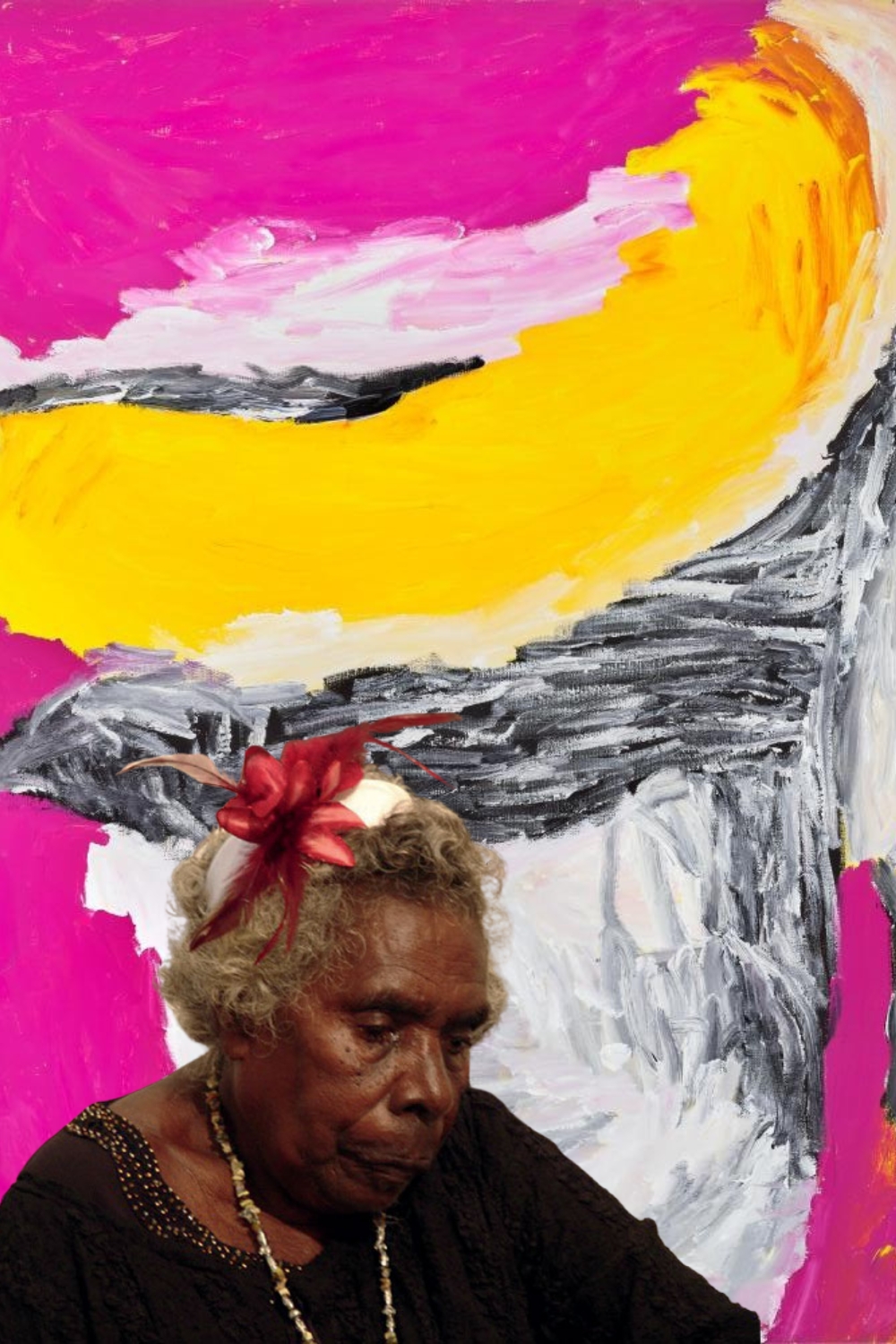
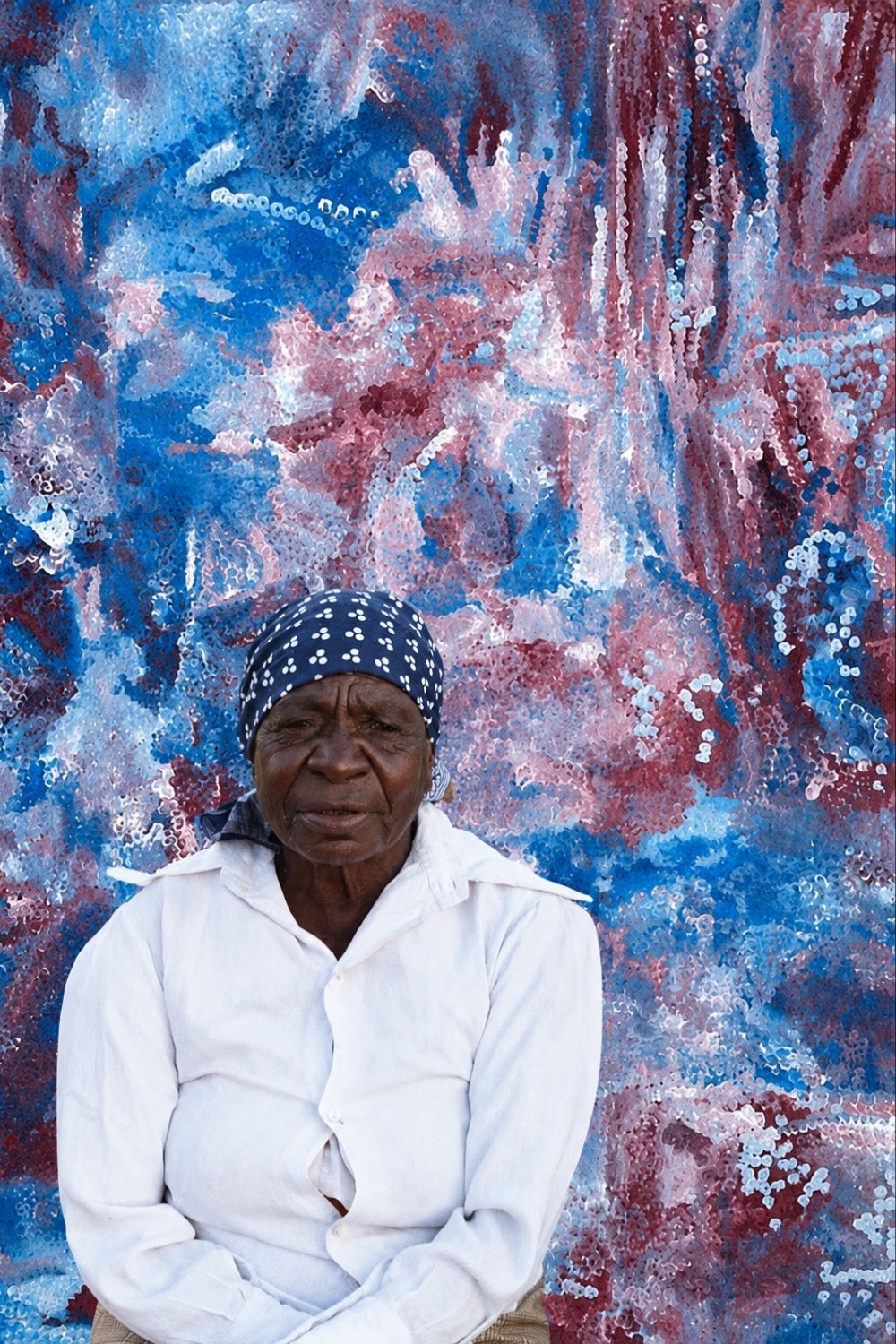
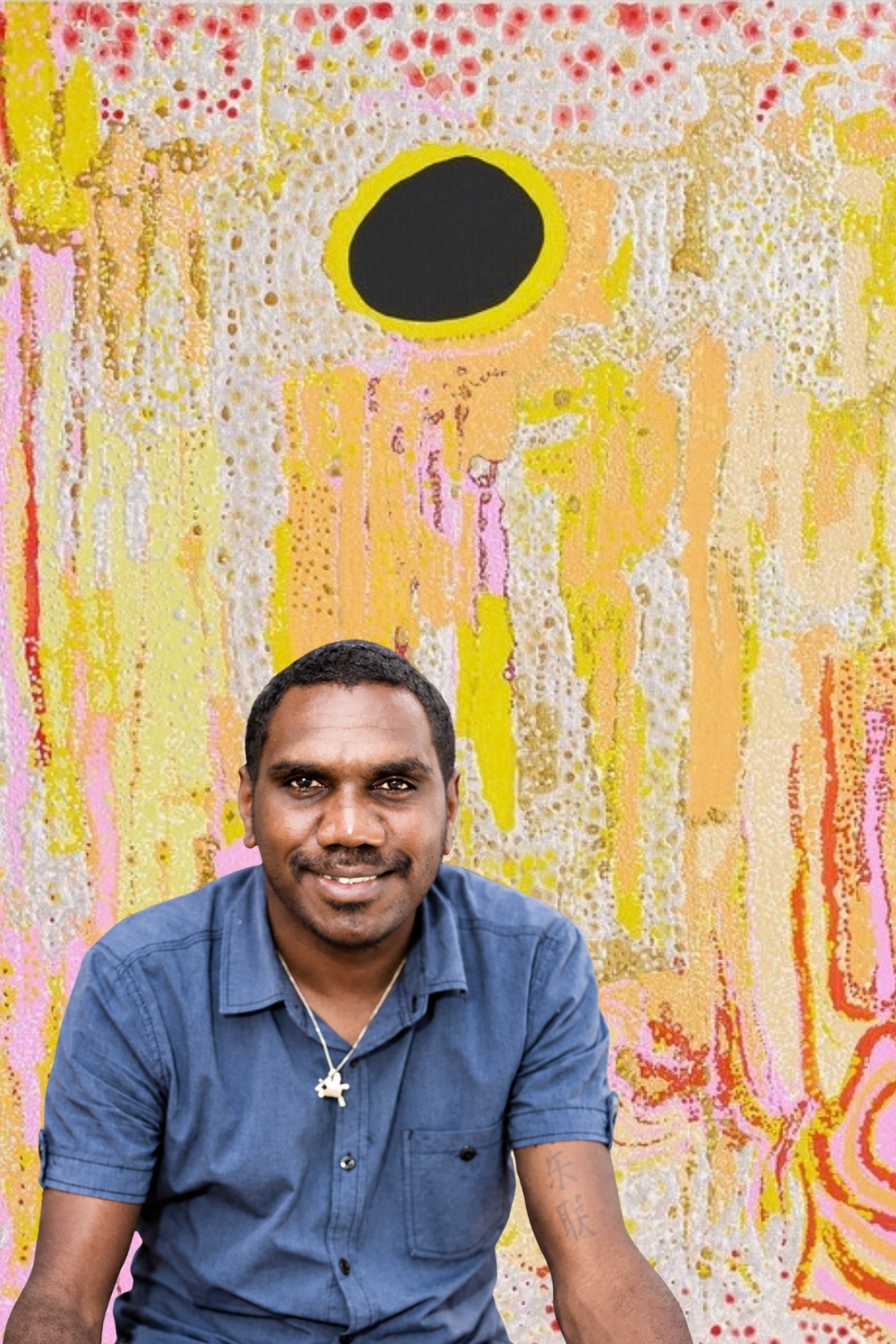
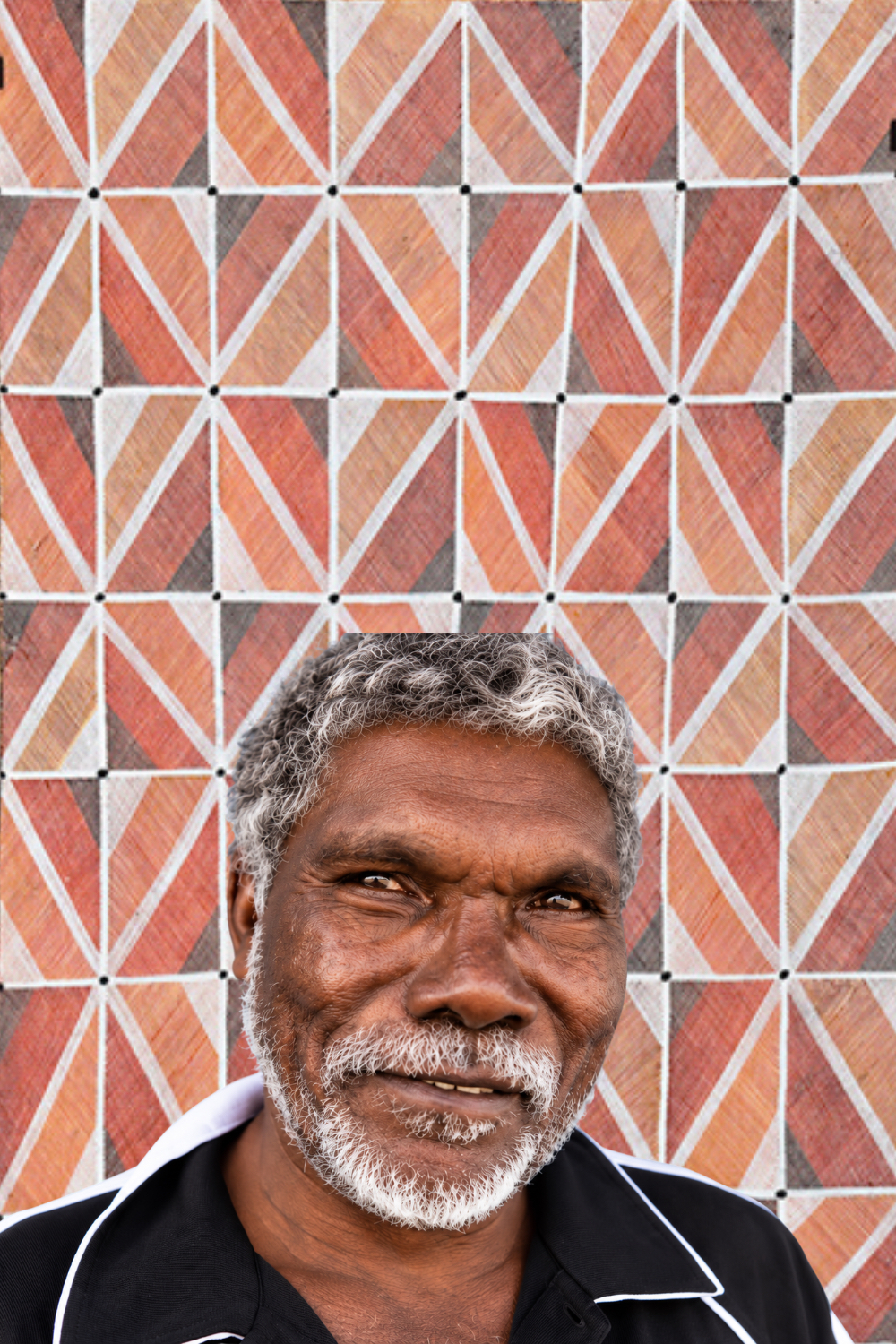
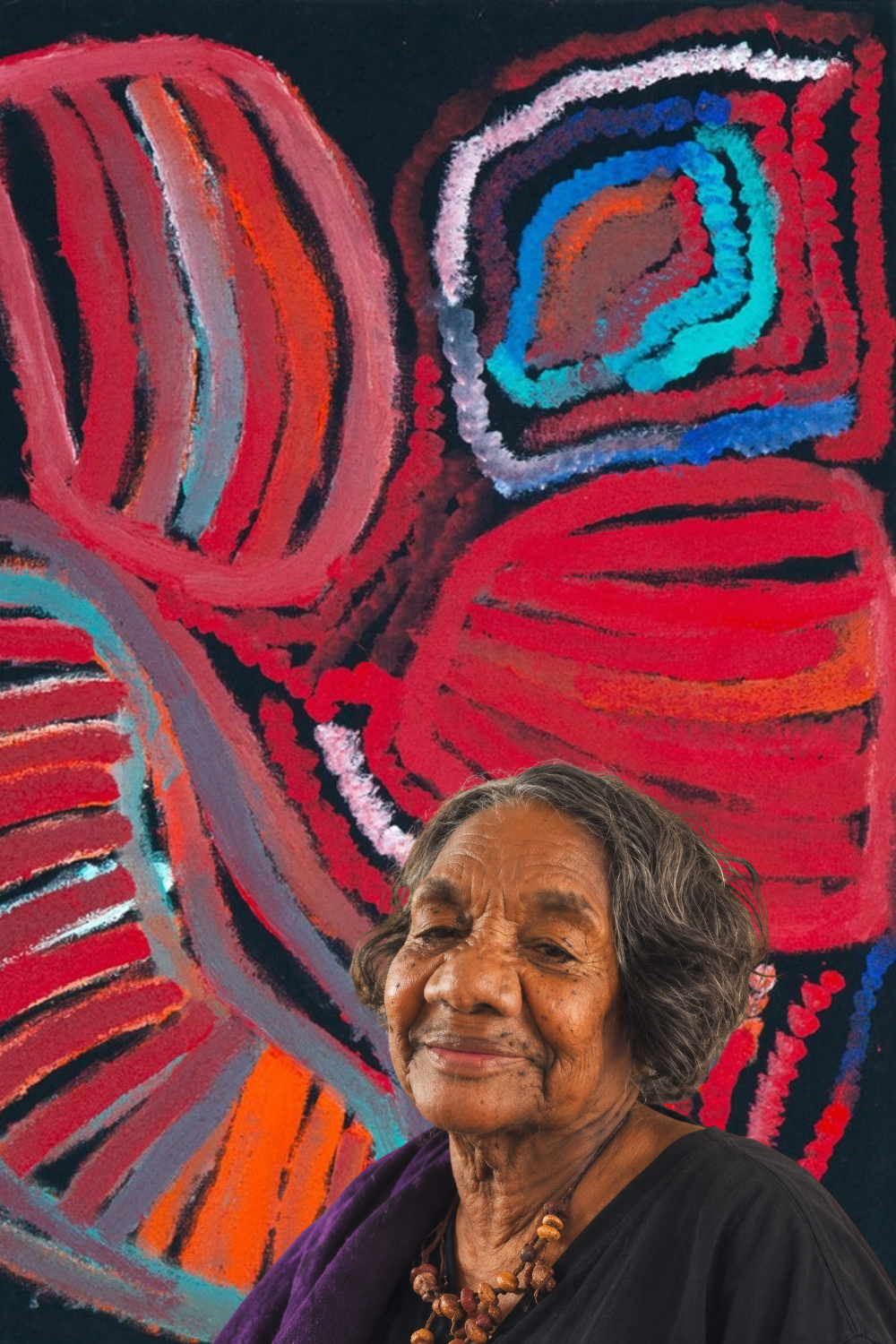
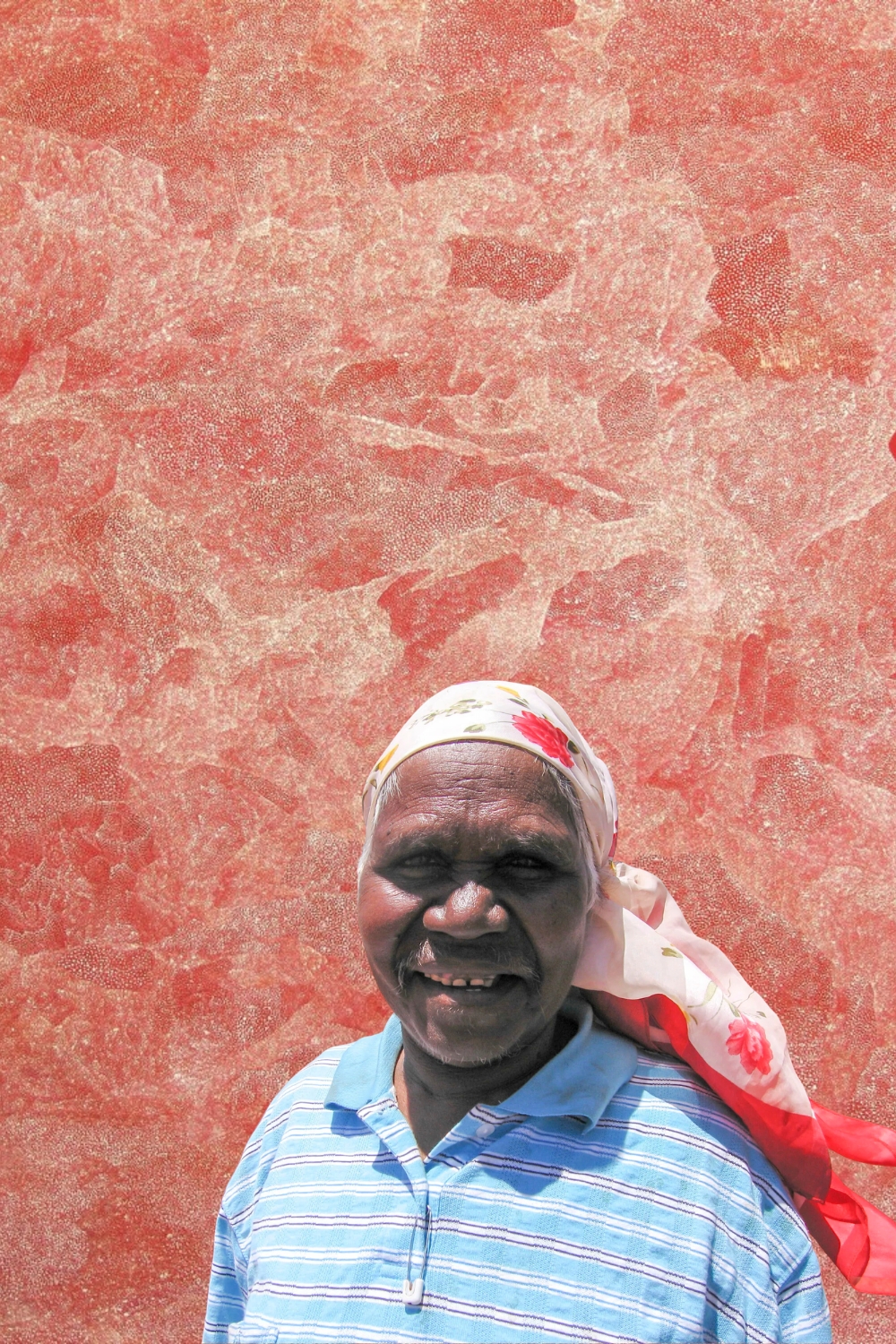
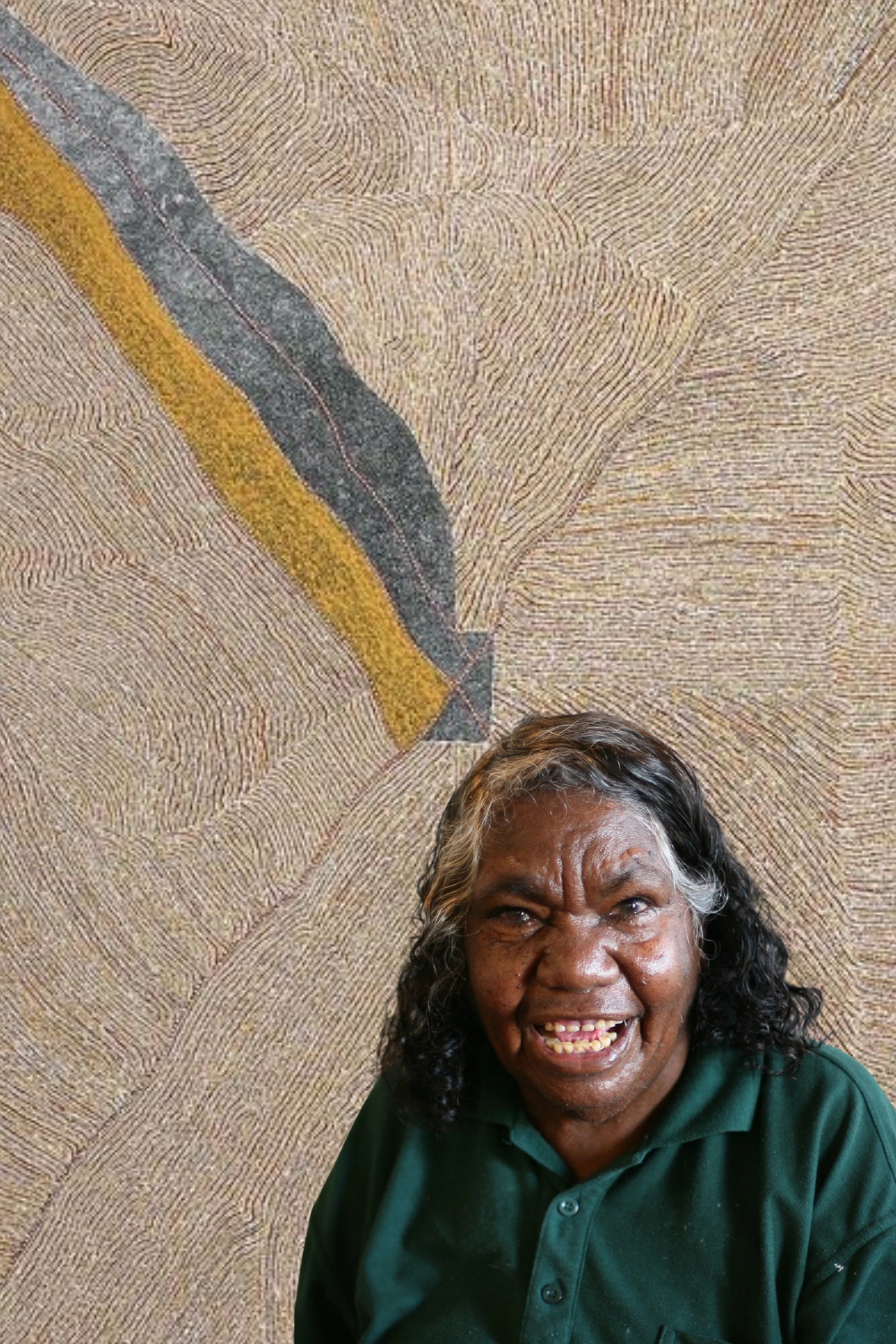
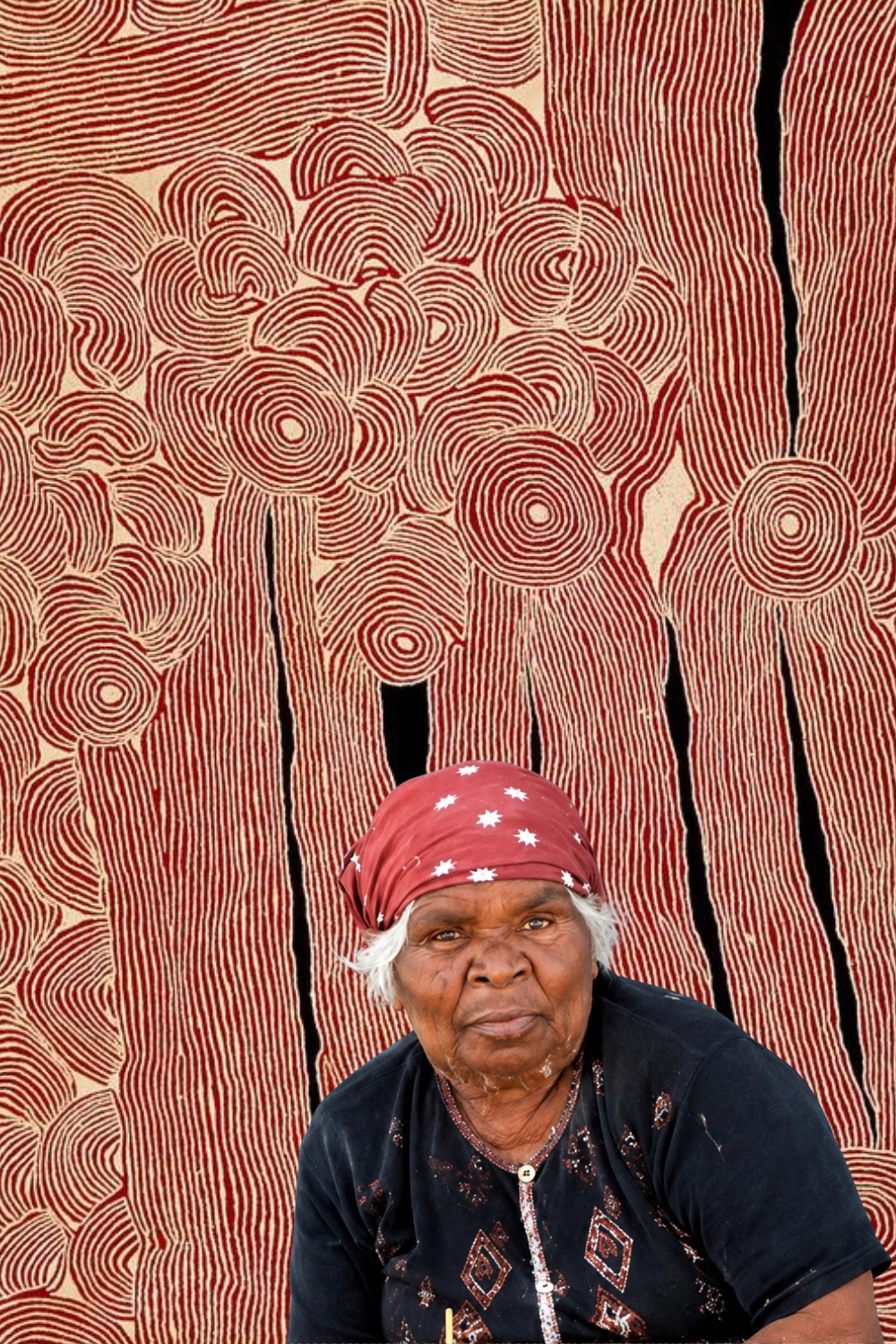
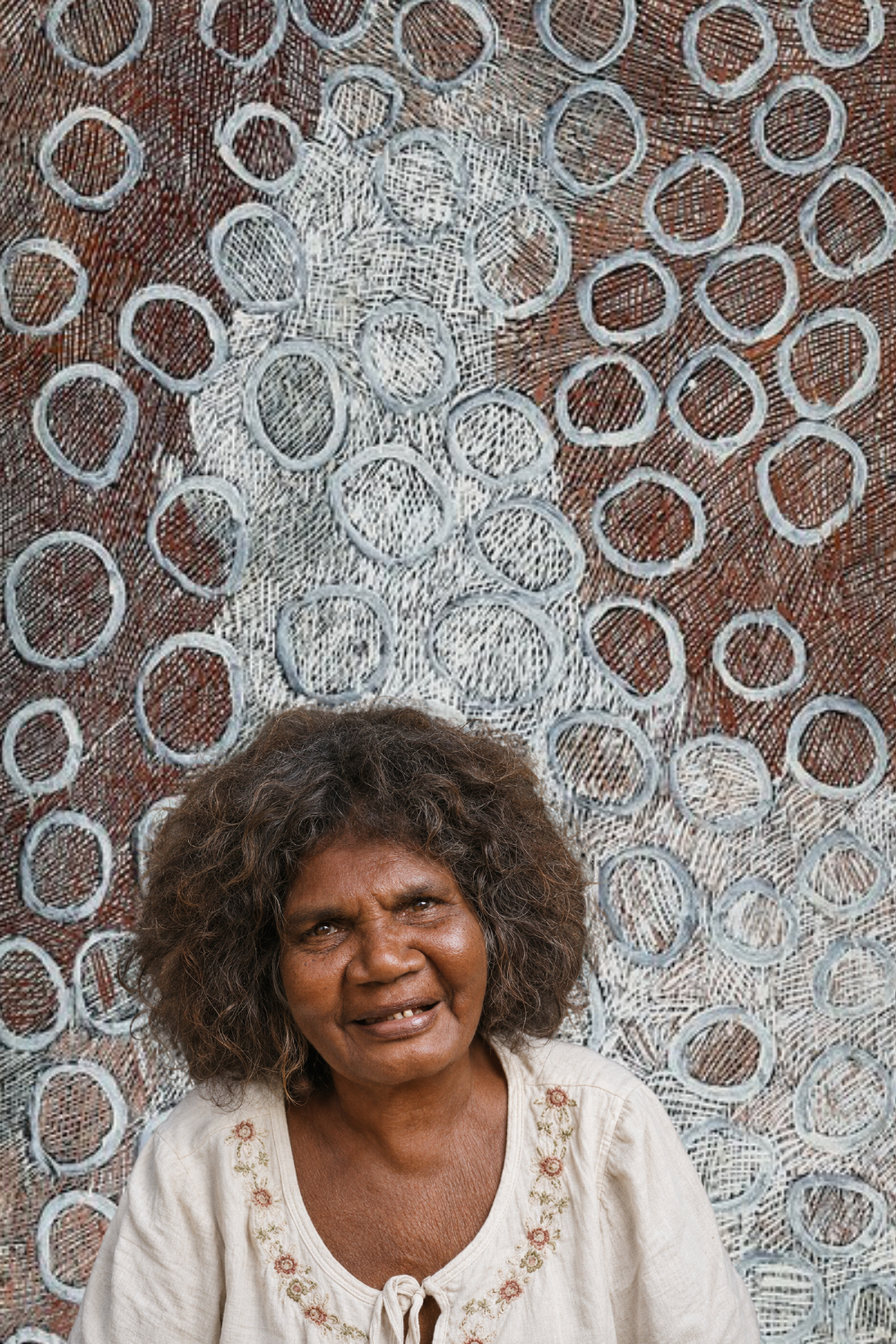
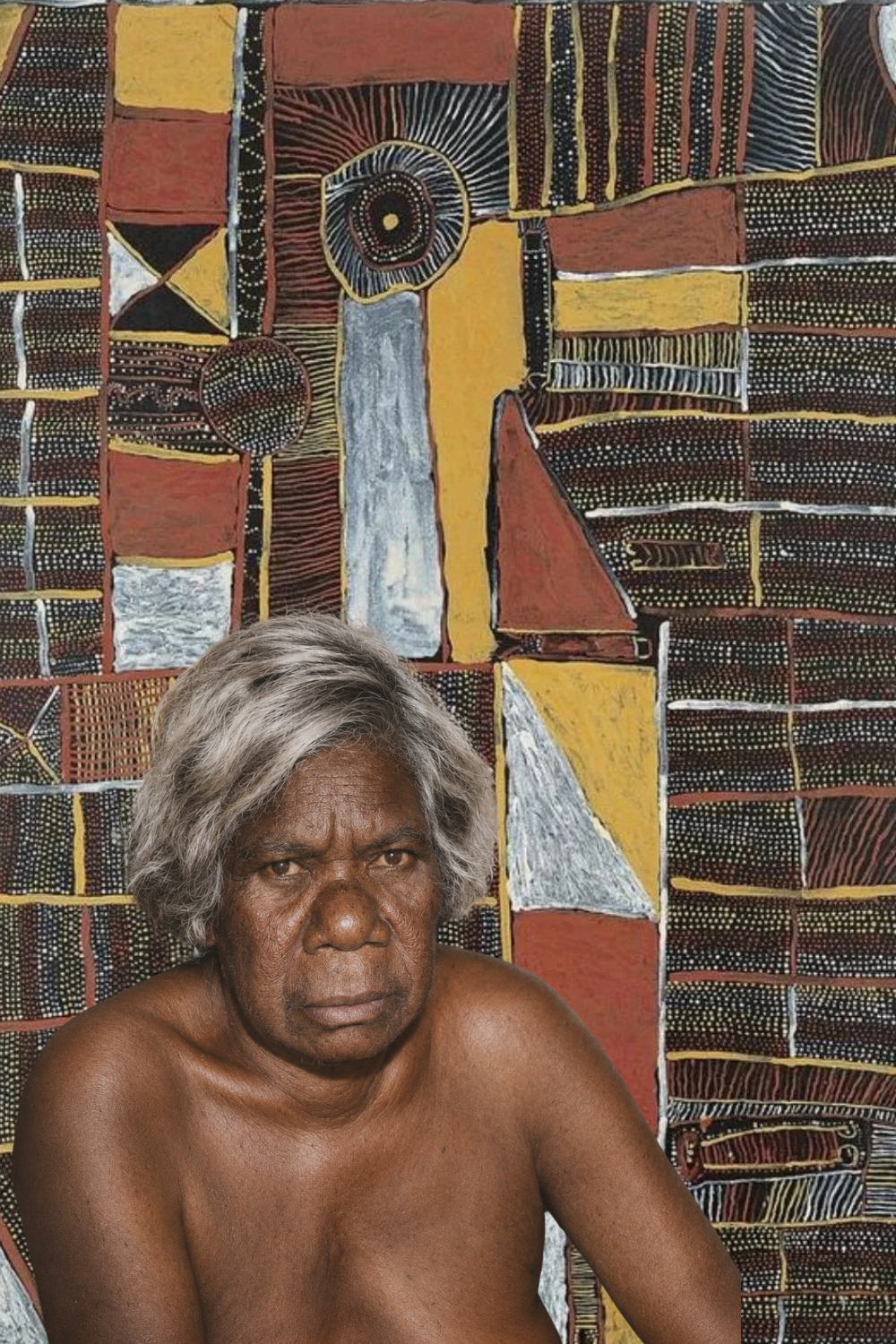
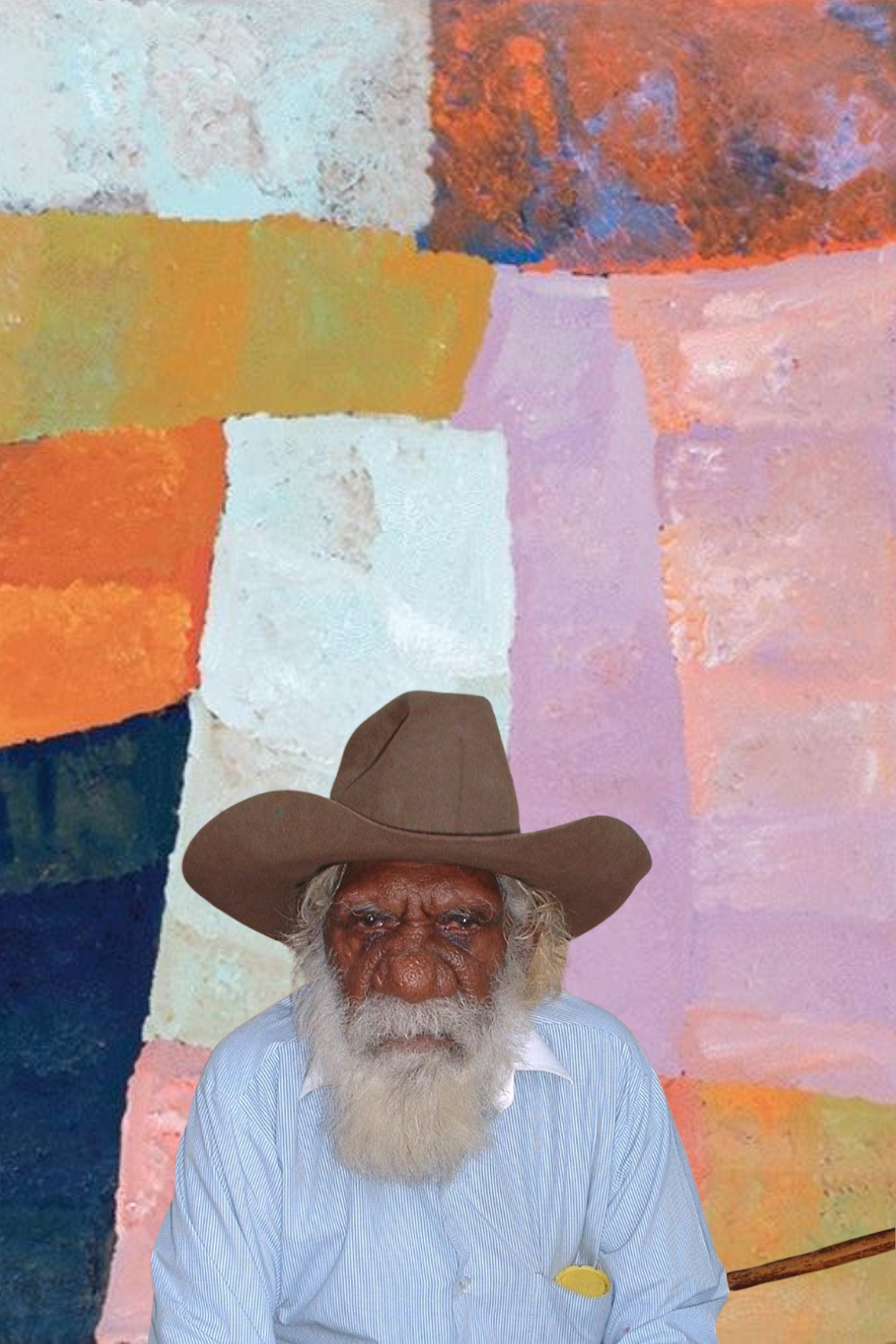
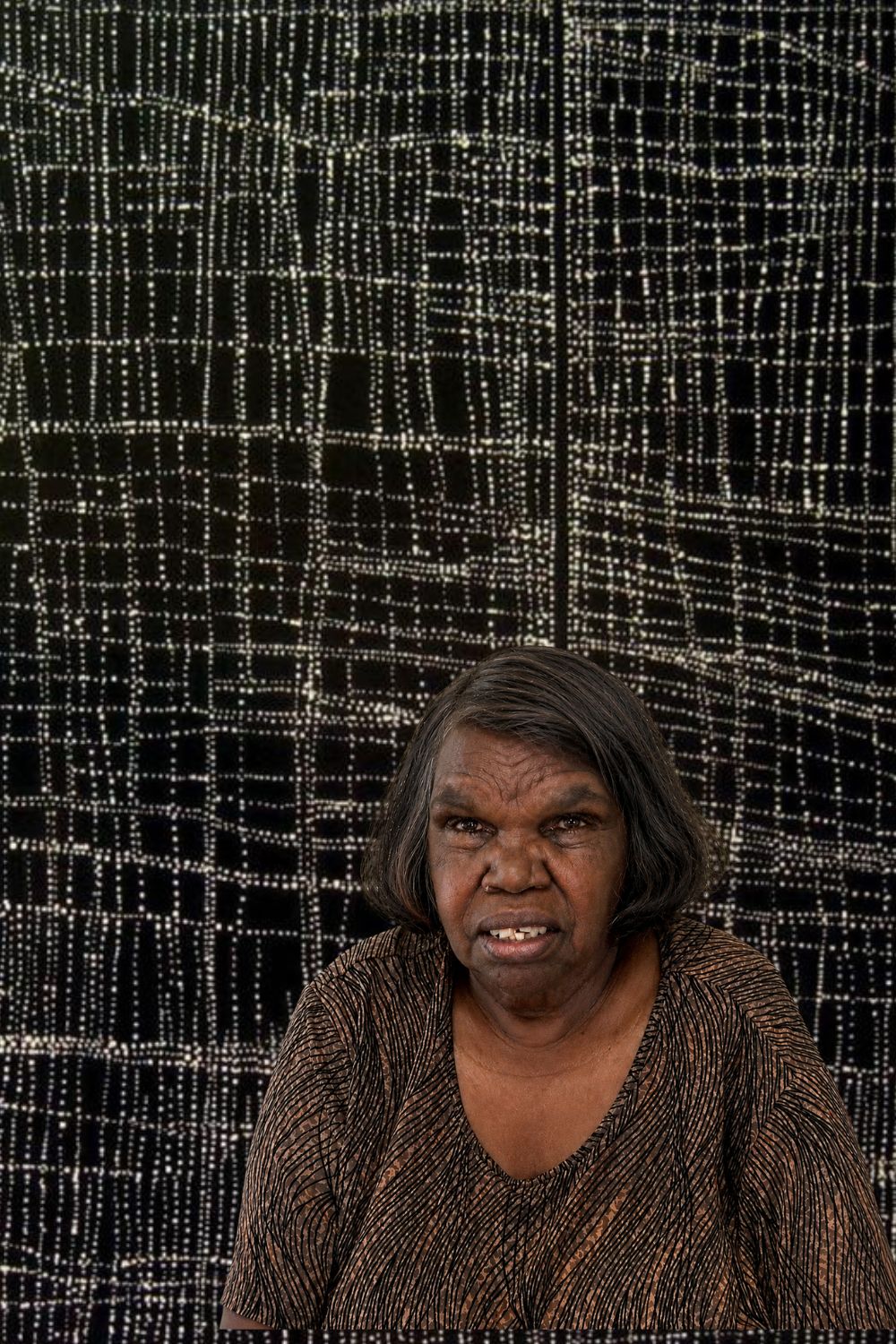
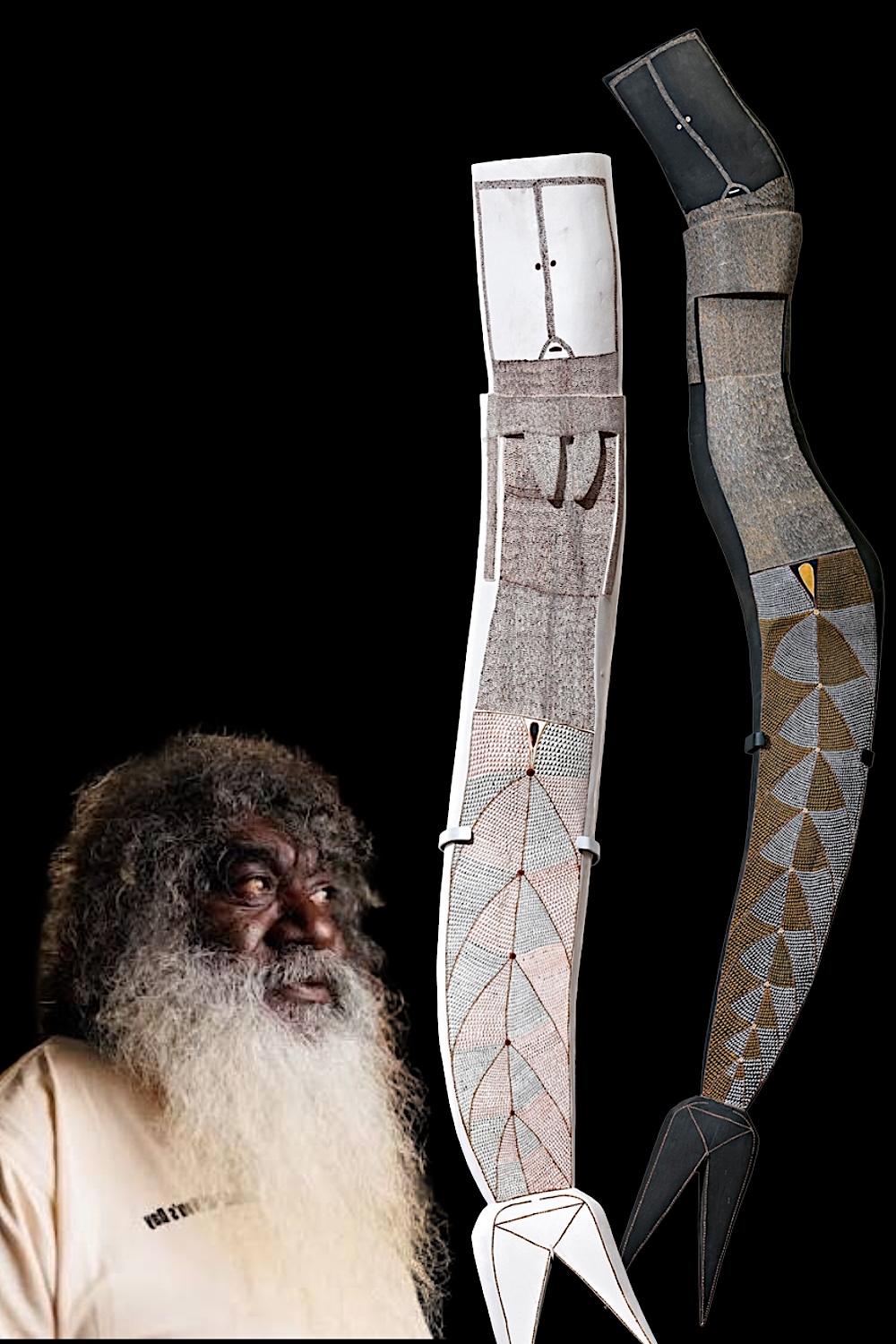
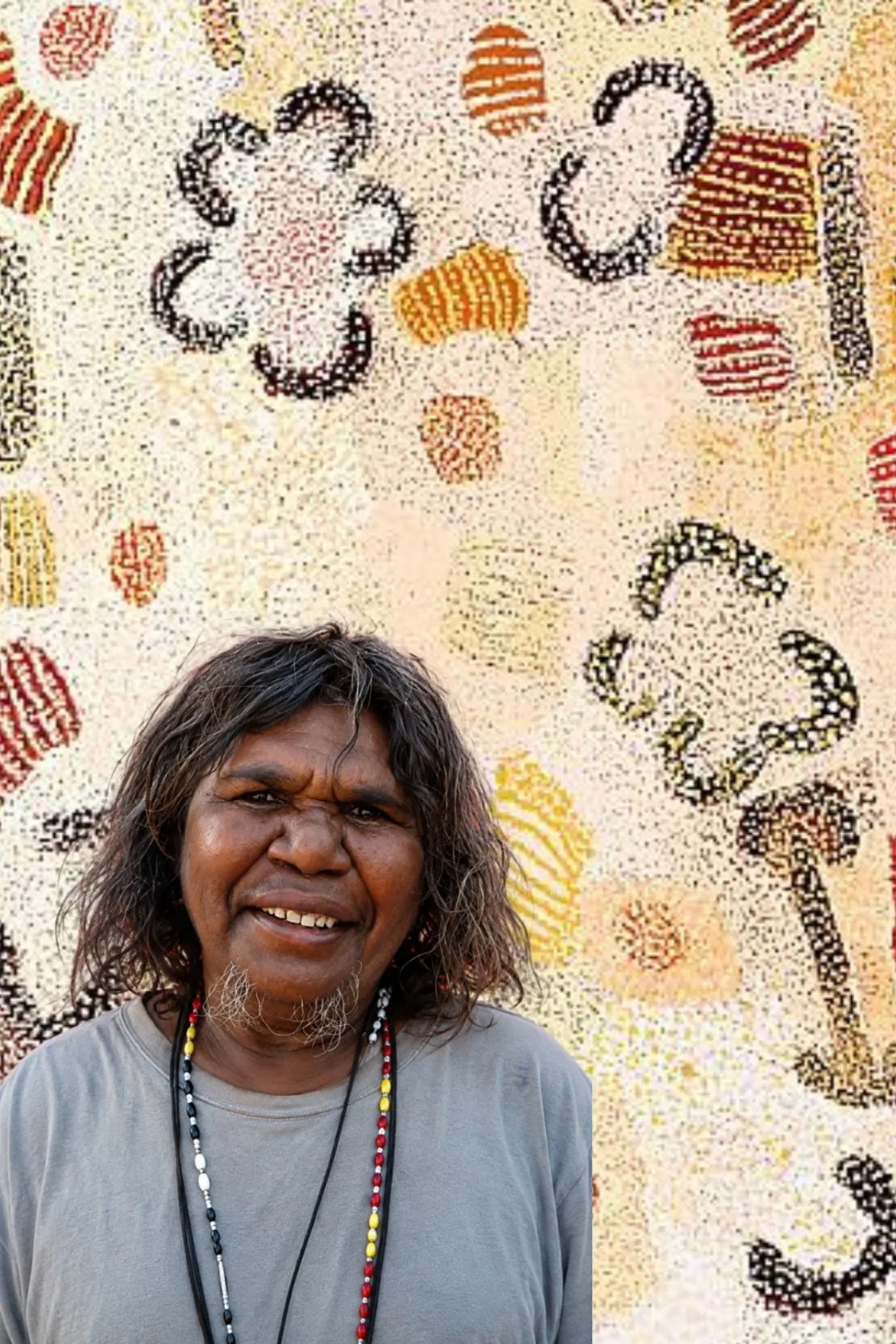
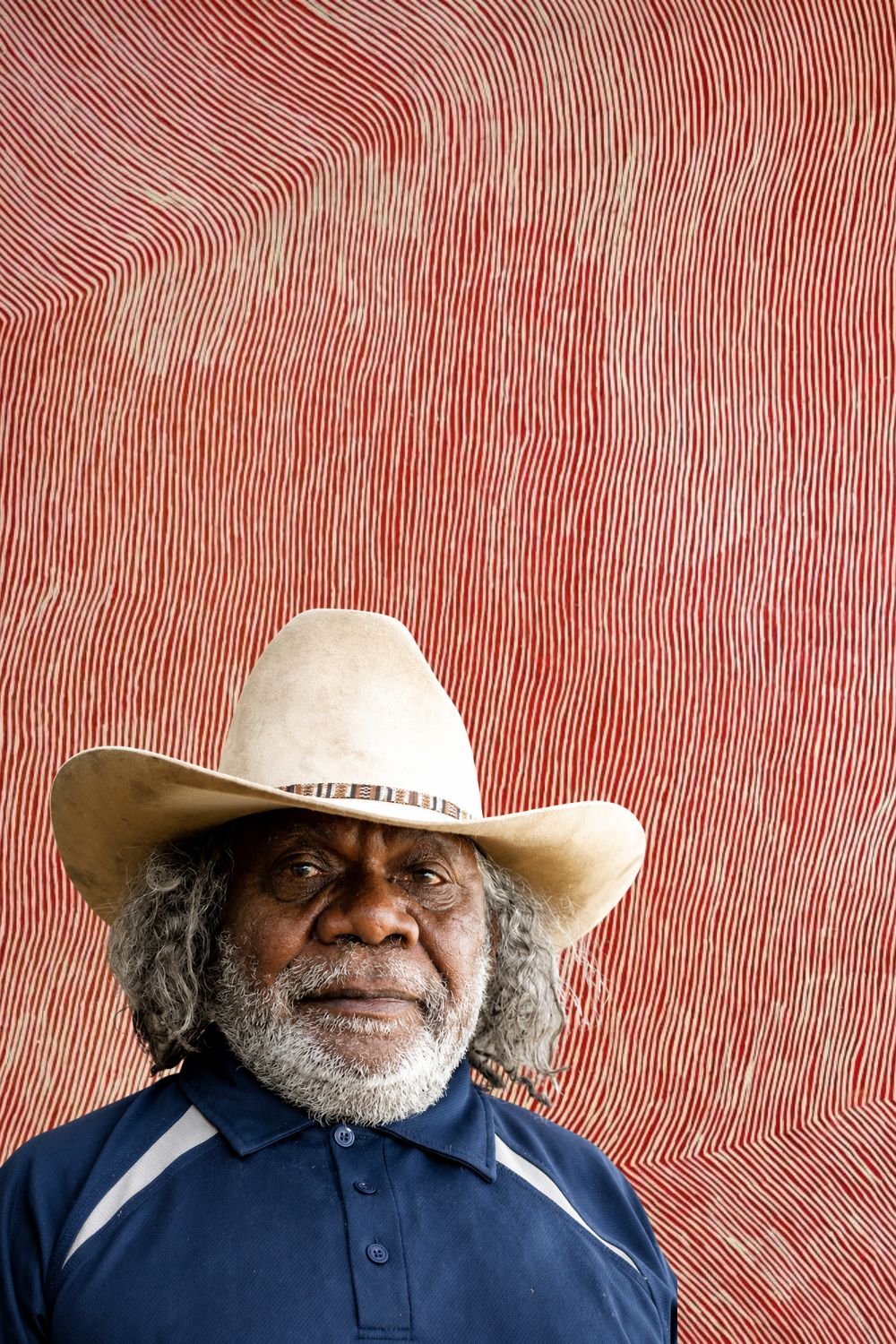
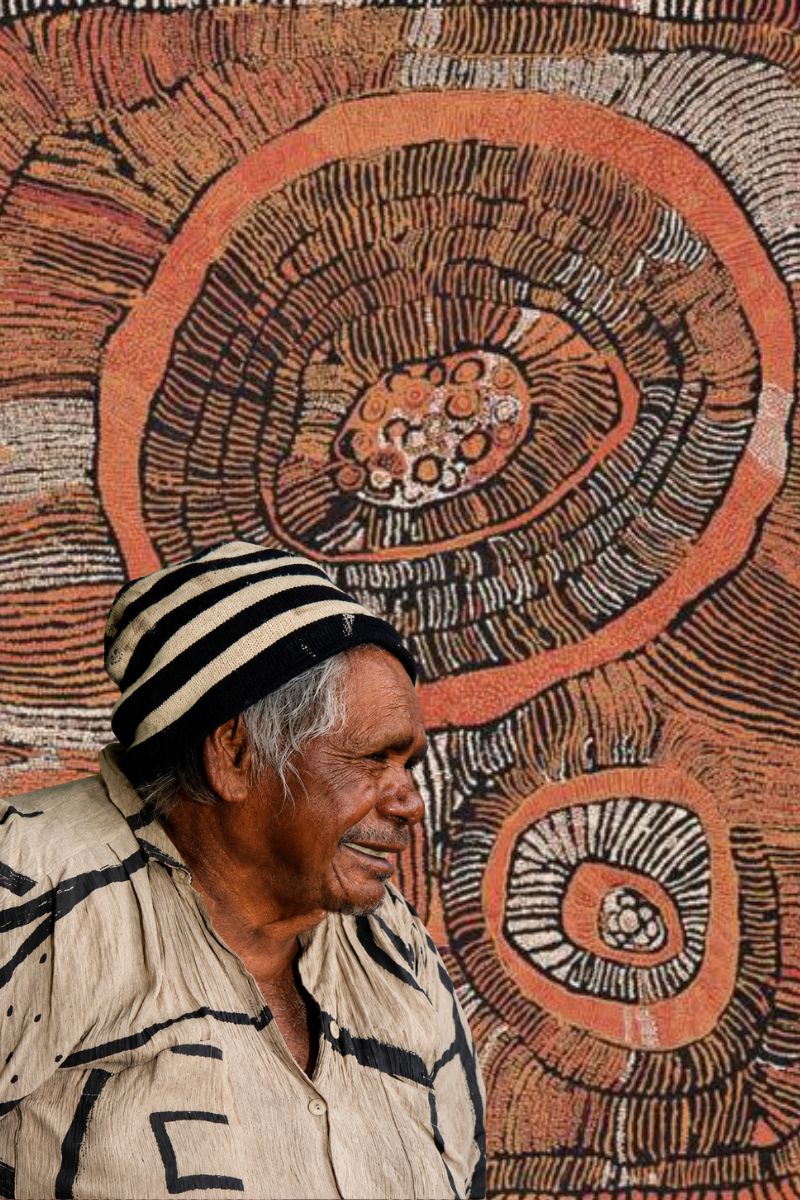
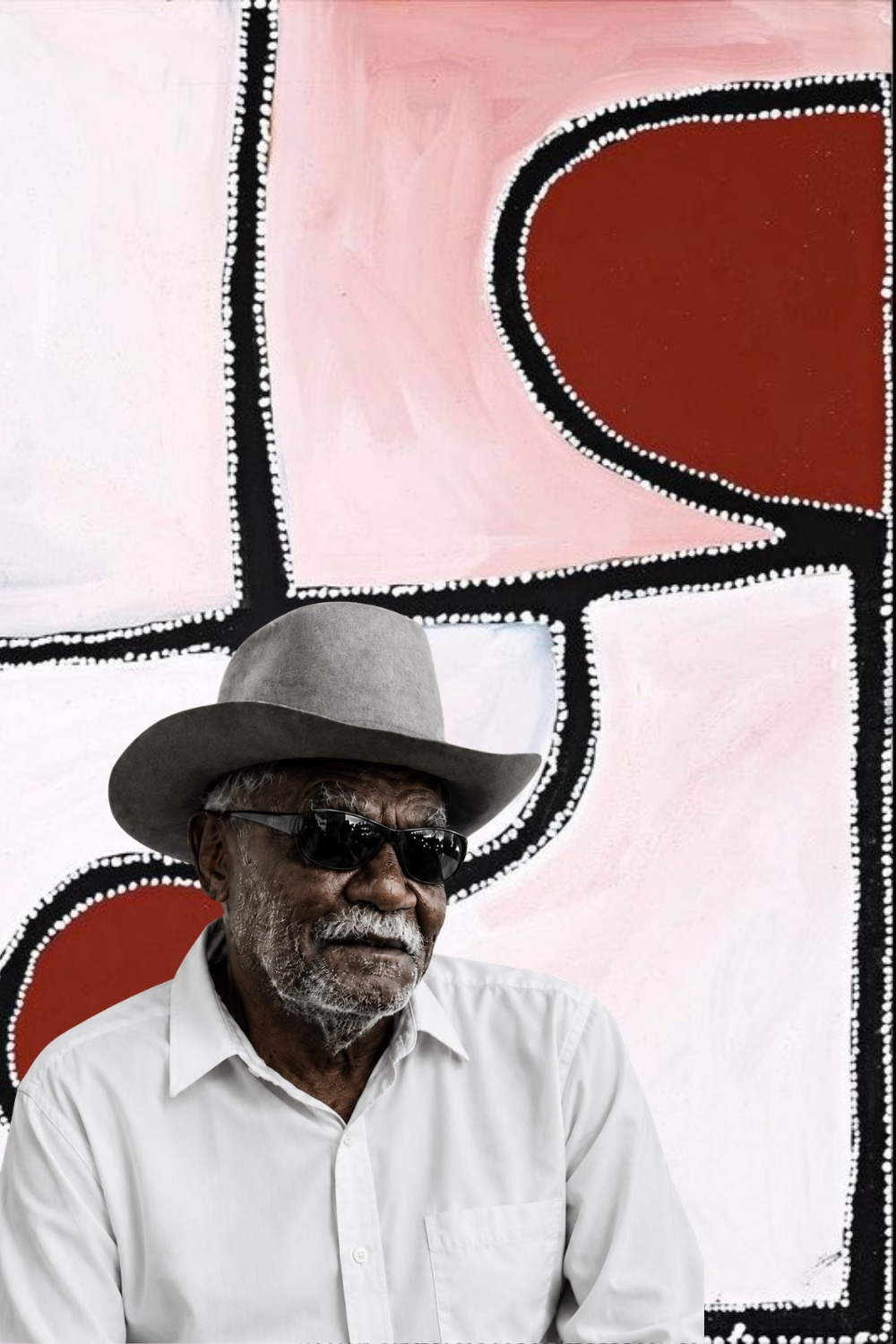
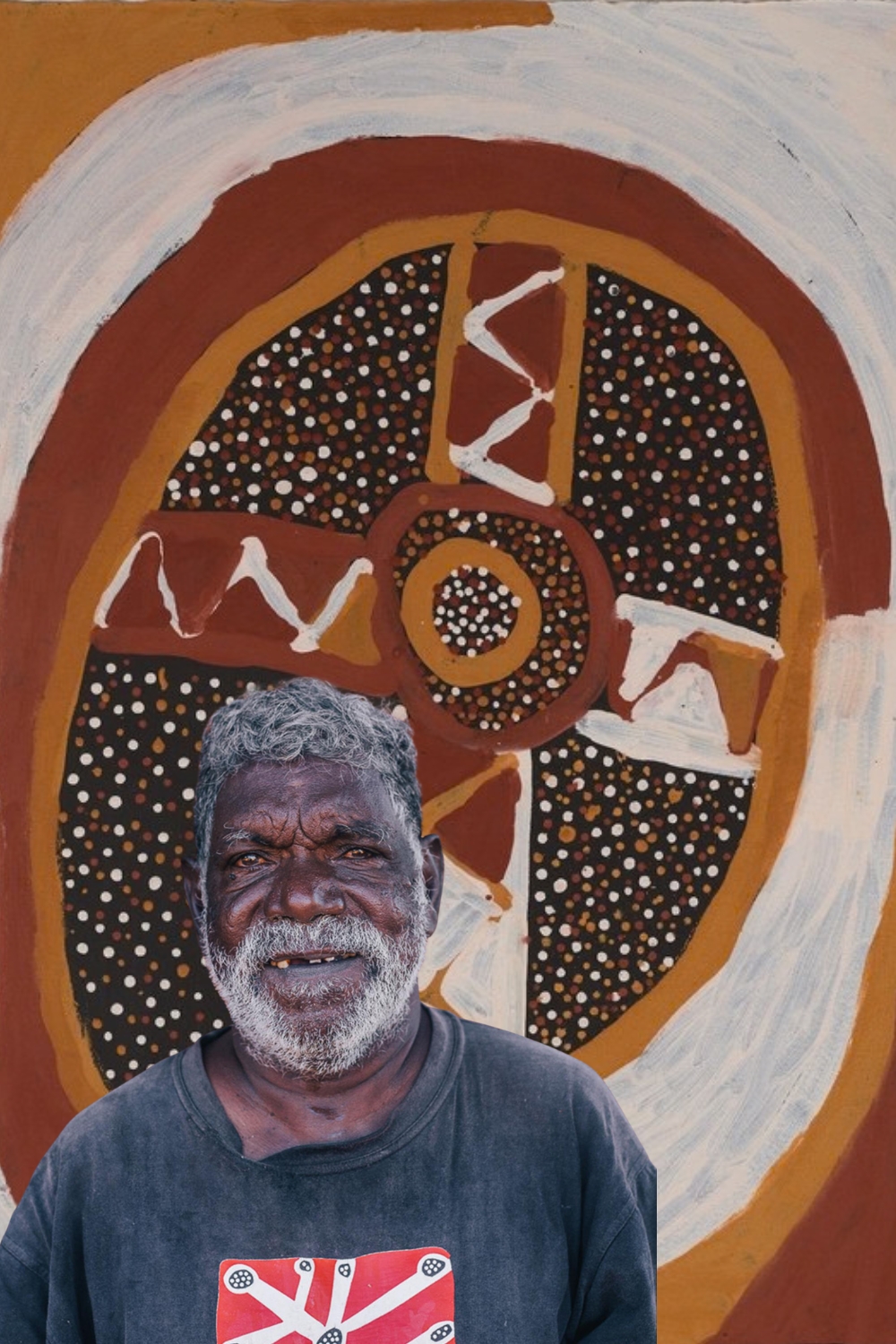
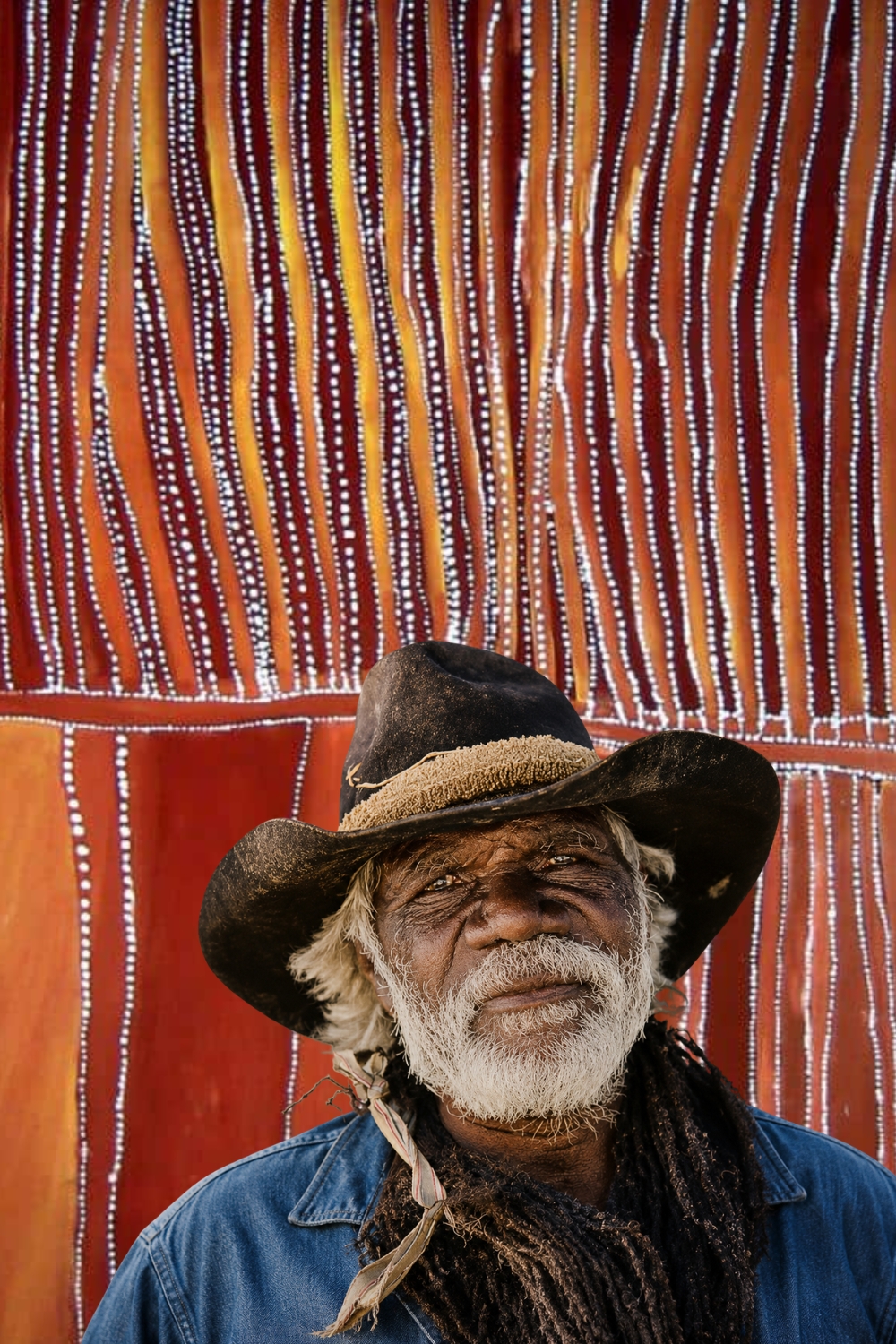
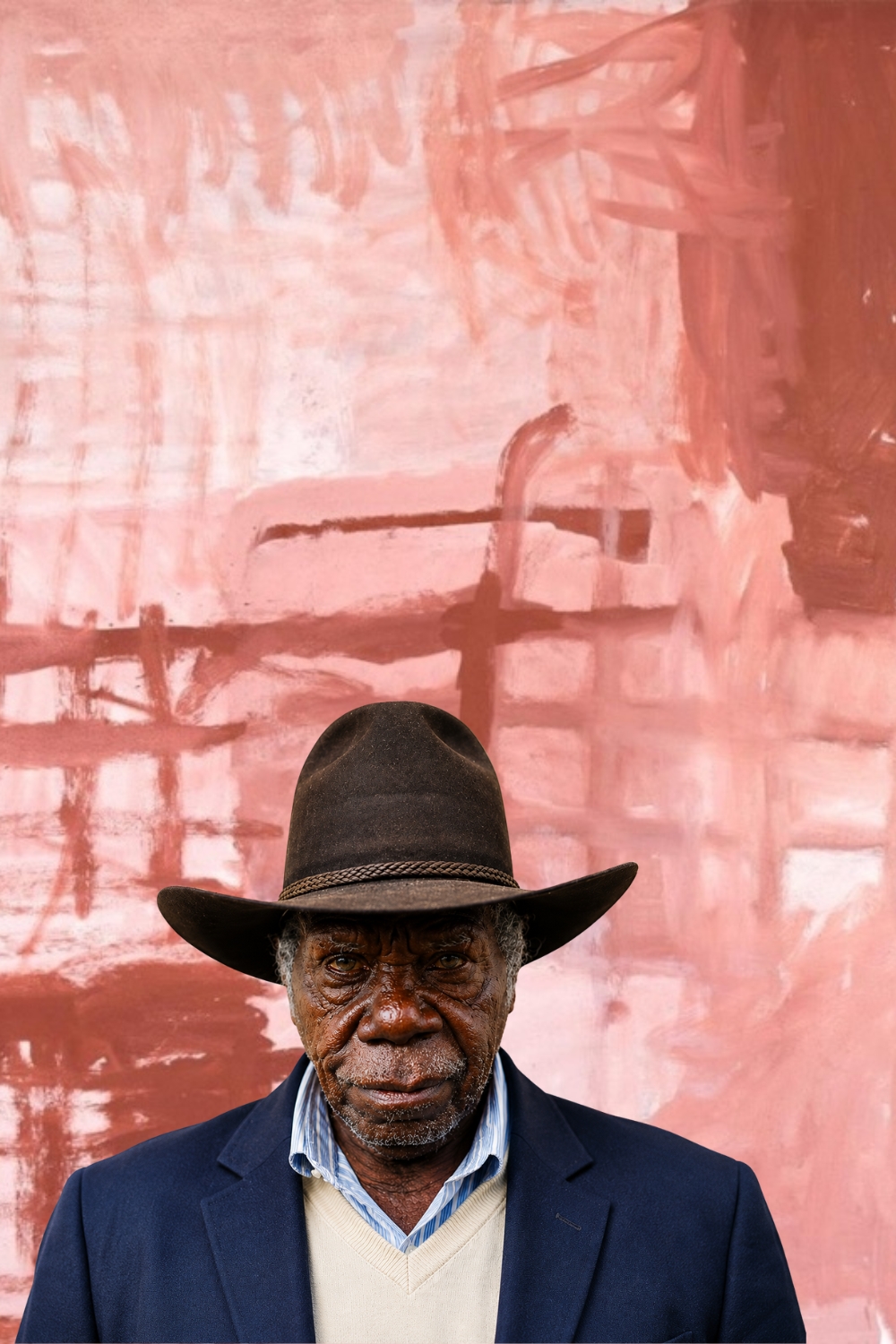
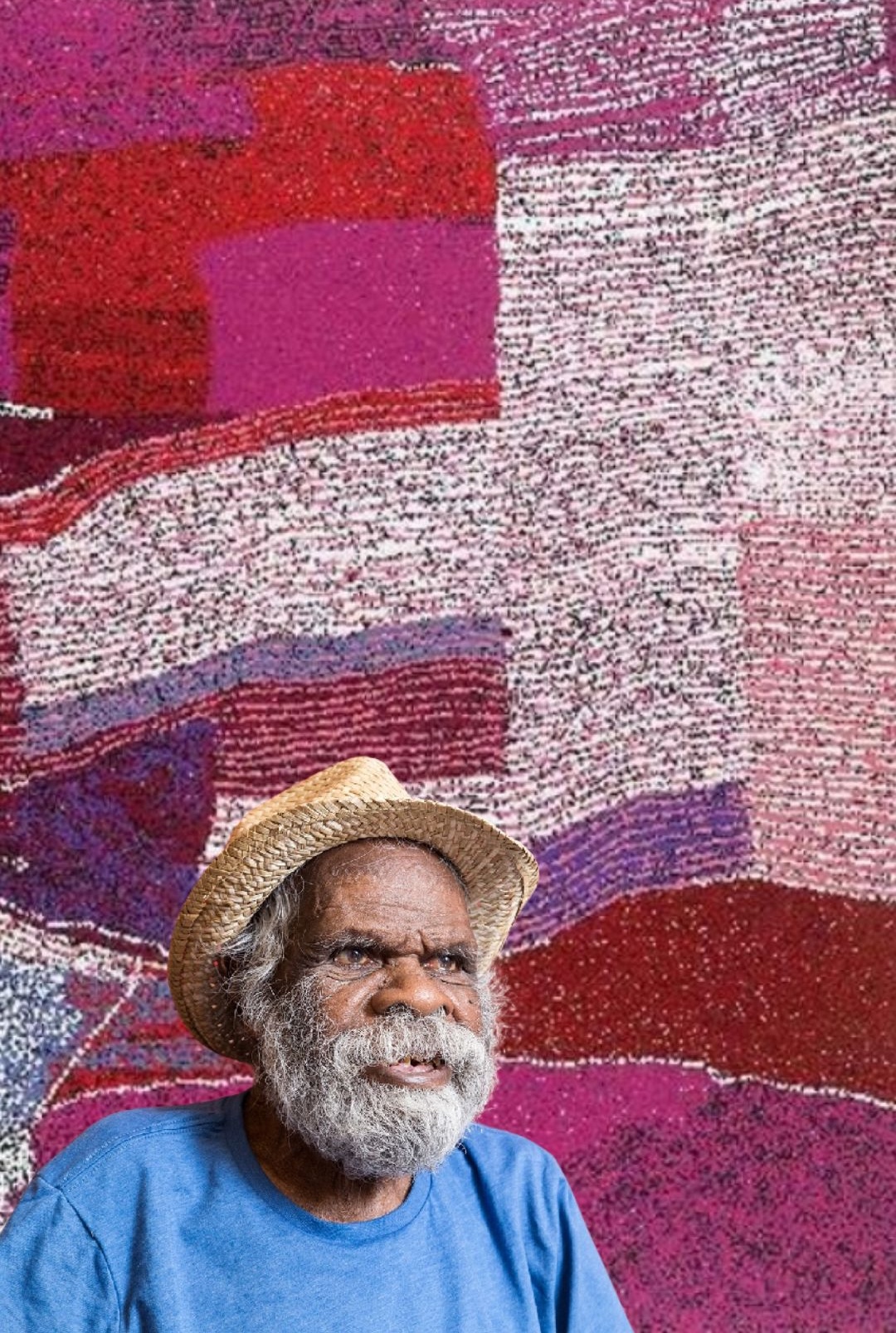
Many of Australia’s most important contemporary Aboriginal artists also belong to established regional painting traditions. John Mawurndjul transformed the ceremonial crosshatching of western Arnhem Land into extraordinary geometric abstraction, while Emily Kame Kngwarreye developed a revolutionary approach to painting her ancestral Country at Utopia. Dorothy Napangardi created intricate minimalist compositions from Warlpiri cultural knowledge, and Paddy Bedford reimagined the landscapes and history of the East Kimberley through monumental fields of ochre.
These artists demonstrate that contemporary Aboriginal art is not separate from traditional cultural practices. Rather, individual artists have extended inherited visual languages in remarkably original directions, creating works recognised internationally as major achievements in contemporary art.

What Is Contemporary Aboriginal Art?
Contemporary Aboriginal art encompasses work created by Aboriginal artists in the modern period, including artists who continue long-established cultural practices and those who explore new forms of expression.
Although the emergence of the Papunya painting movement in 1971 transformed the Australian art market, contemporary Aboriginal art did not begin at Papunya.
Aboriginal artists were already producing innovative paintings, sculpture, drawings and other artworks across Australia.
The term contemporary describes the period in which an artwork is created rather than a particular appearance. An artist using traditional ochres on bark can be just as contemporary as another working with acrylic paint, photography or digital imagery.
What distinguishes individual artists is their approach to materials, subjects and artistic expression.
Country, Culture and Personal Experience
Connection to Country remains an important subject for many contemporary Aboriginal artists.
Country encompasses more than physical landscape. It can include ancestral relationships, cultural responsibilities, family histories, places of belonging and knowledge passed between generations.
However, artists express these relationships in very different ways.
Some paintings represent particular waterholes, mountains, rivers or coastal environments. Others communicate seasonal changes, memories of childhood, ceremonial knowledge or experiences of displacement.
Contemporary Aboriginal artists also explore subjects such as identity, political history, family relationships, social change and everyday life.
Not every artwork depicts a Dreaming narrative, and not every abstract composition contains a system of traditional symbols.
Understanding an artist’s cultural background and individual intentions is essential to interpreting the work accurately.
Painting Styles and Artistic Innovation
One of the defining characteristics of contemporary Aboriginal art is its remarkable stylistic diversity.
Artists employ fine lines, expressive brushstrokes, geometric arrangements, broad areas of colour and complex layered surfaces.
Some paintings are highly detailed and carefully structured, while others rely upon spontaneous gestures and energetic compositions.
Modern Aboriginal artists work across numerous media, including acrylic and ochre painting, printmaking, weaving, sculpture, ceramics, photography and installation.
The distinction between traditional and contemporary techniques is often misleading.
An artist may use modern materials to express inherited cultural knowledge, while another may employ traditional materials to investigate contemporary social and political concerns.
Innovation and cultural continuity are not opposites.
Aboriginal Artists in Regional and Urban Australia
Contemporary Aboriginal art is not confined to remote communities.
Artists from regional towns and Australian cities have made substantial contributions to the development of Australian contemporary art.
Their work frequently examines Aboriginal identity, historical representation, colonisation and the relationship between Indigenous and non-Indigenous Australian society.
Some draw upon family photographs, archival material and historical imagery. Others employ satire, portraiture, photography or conceptual installations.
These practices challenge assumptions that authentic Aboriginal art must feature dots, ancestral symbols or recognisable traditional imagery.
Aboriginal artists have always adapted their artistic expression to changing circumstances while maintaining distinct cultural identities.
Understanding Contemporary Aboriginal Paintings
The most rewarding way to appreciate contemporary Aboriginal painting is to begin with the individual artist.
Consider where the artist comes from, the subjects they paint and the cultural or personal experiences informing their work.
An abstract painting may represent a specific location rather than an imagined landscape. A geometric composition might derive from weaving or ceremonial practices rather than purely decorative design.
Similarly, expressive colour and apparently spontaneous brushwork can communicate highly specific memories of Country.
The artist’s own explanations, exhibition histories and accompanying documentation provide important context.
Explore Contemporary Aboriginal Artists
The artist profiles below introduce painters whose work illustrates the breadth of contemporary Aboriginal artistic expression.
Each profile examines the artist’s background, painting style, principal subjects and contribution to Australian art.
Together, these artists reveal a continually evolving artistic field distinguished by cultural diversity, individual creativity and strong connections to Country.
Their achievements demonstrate that contemporary Aboriginal art is not a single movement but a rich collection of artistic traditions, personal visions and innovative approaches to painting.
All images featured in this article are presented strictly for educational and informational purposes.
This website may include copyrighted material for which specific authorization has not been obtained from the copyright owner.
All such images are presumed to be the intellectual property of the respective artist or their estate, and are used in accordance with principles of fair dealing or fair use under applicable copyright law.