
APY Lands Art: Anangu Painting, Seven Sisters Dreaming and Contemporary Desert Art
APY Lands Art is one of the most influential movements within contemporary Western Desert Art. Created by Anangu artists from the Anangu Pitjantjatjara Yankunytjatjara (APY) Lands of north-west South Australia, the movement became internationally recognised through its powerful depictions of Country, large-scale collaborative paintings, and strong women-led artistic traditions.
Many of the region’s most celebrated works are connected to Kungkarangkalpa (Seven Sisters Dreaming), one of Australia’s most important ancestral songlines. Through luminous colour, expressive brushwork, and monumental compositions, APY artists transformed ancient cultural knowledge into a distinctive contemporary visual language that attracted the attention of major museums, galleries, and collectors around the world.
While APY painting forms part of the broader Western Desert Art movement, it developed its own recognisable character. Expansive colour fields, painterly surfaces, atmospheric abstraction, and profound connections to Country distinguish APY works from many neighbouring desert traditions including Utopia Art, Balgo Art, and Pintupi | Kintore Art. These qualities have helped establish the APY Lands as one of the most important centres of contemporary Indigenous art in Australia.
Today, APY Lands Art is celebrated not only for its visual beauty but also for its cultural authority. The paintings reflect enduring relationships between people, Country, Tjukurpa (Dreaming), and community, creating works that are both deeply rooted in Anangu culture and internationally admired as contemporary art.

Major APY Artists
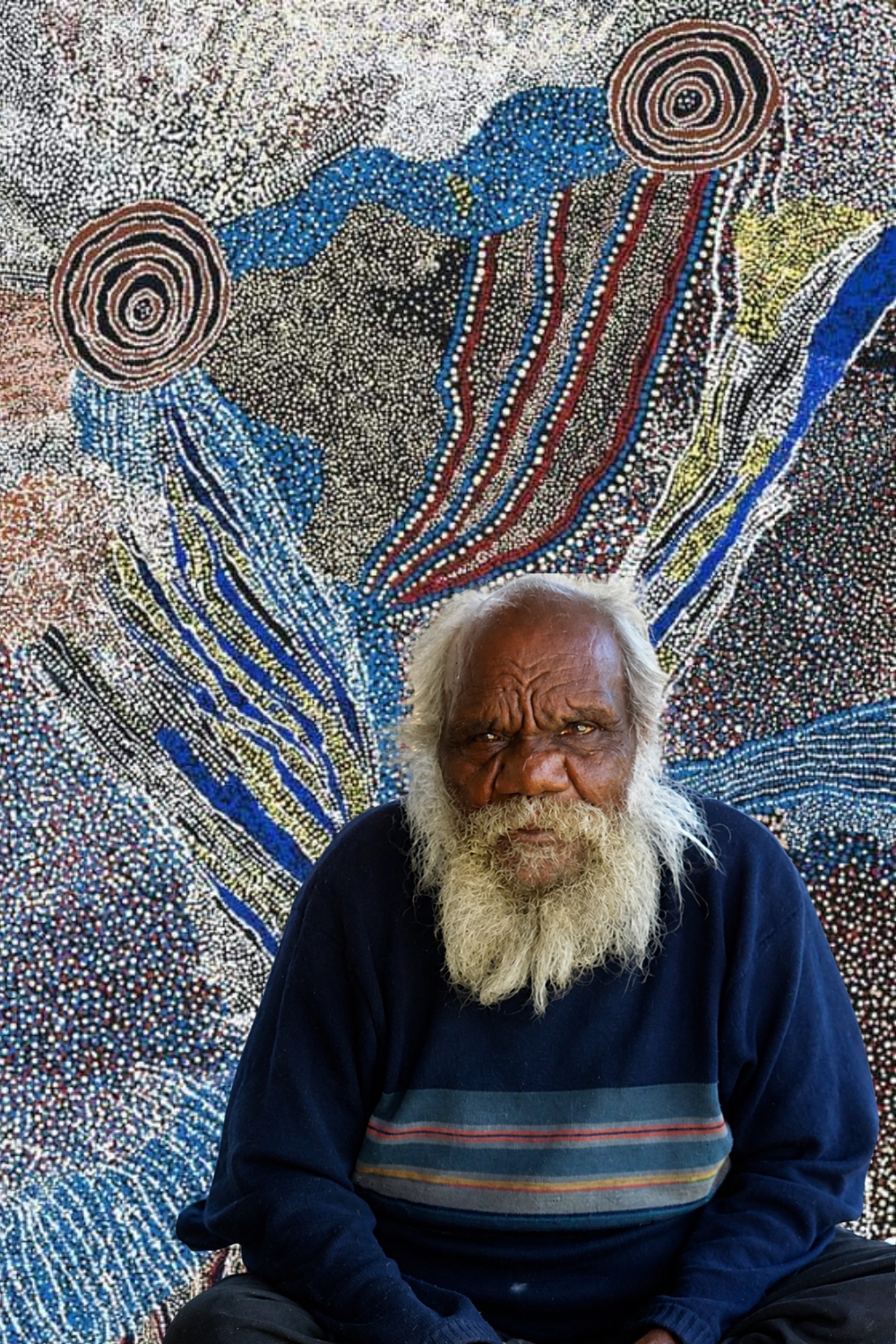
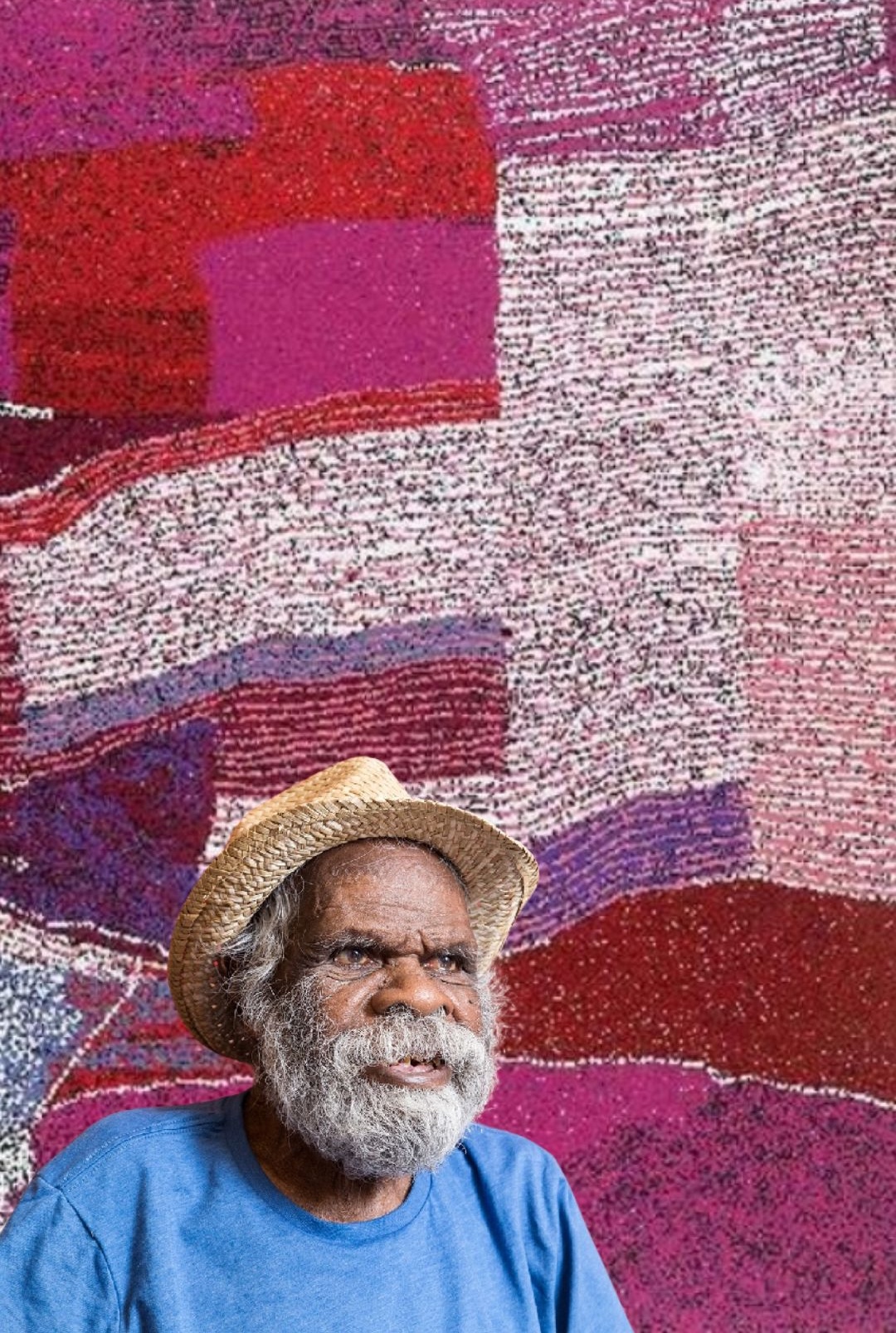
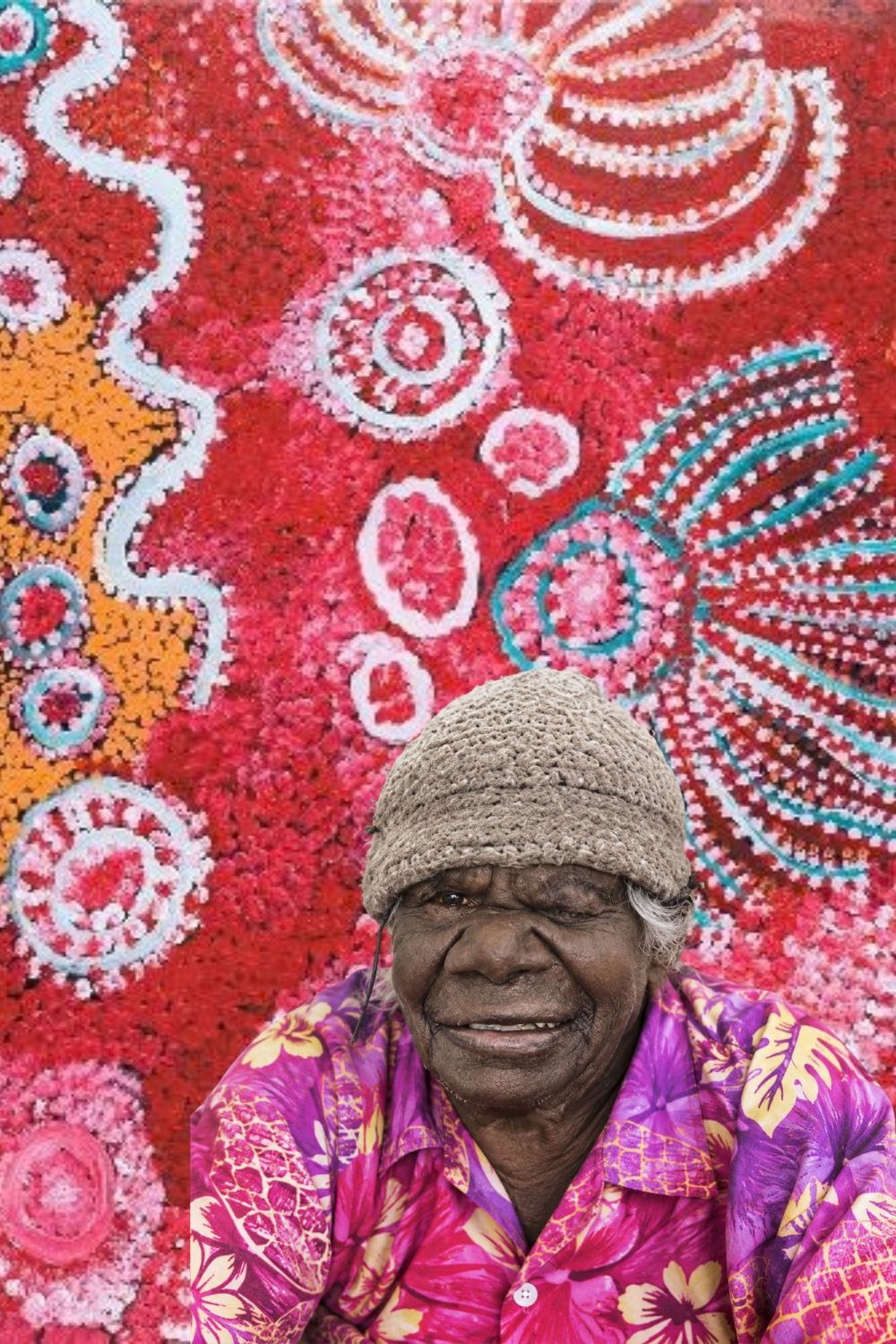
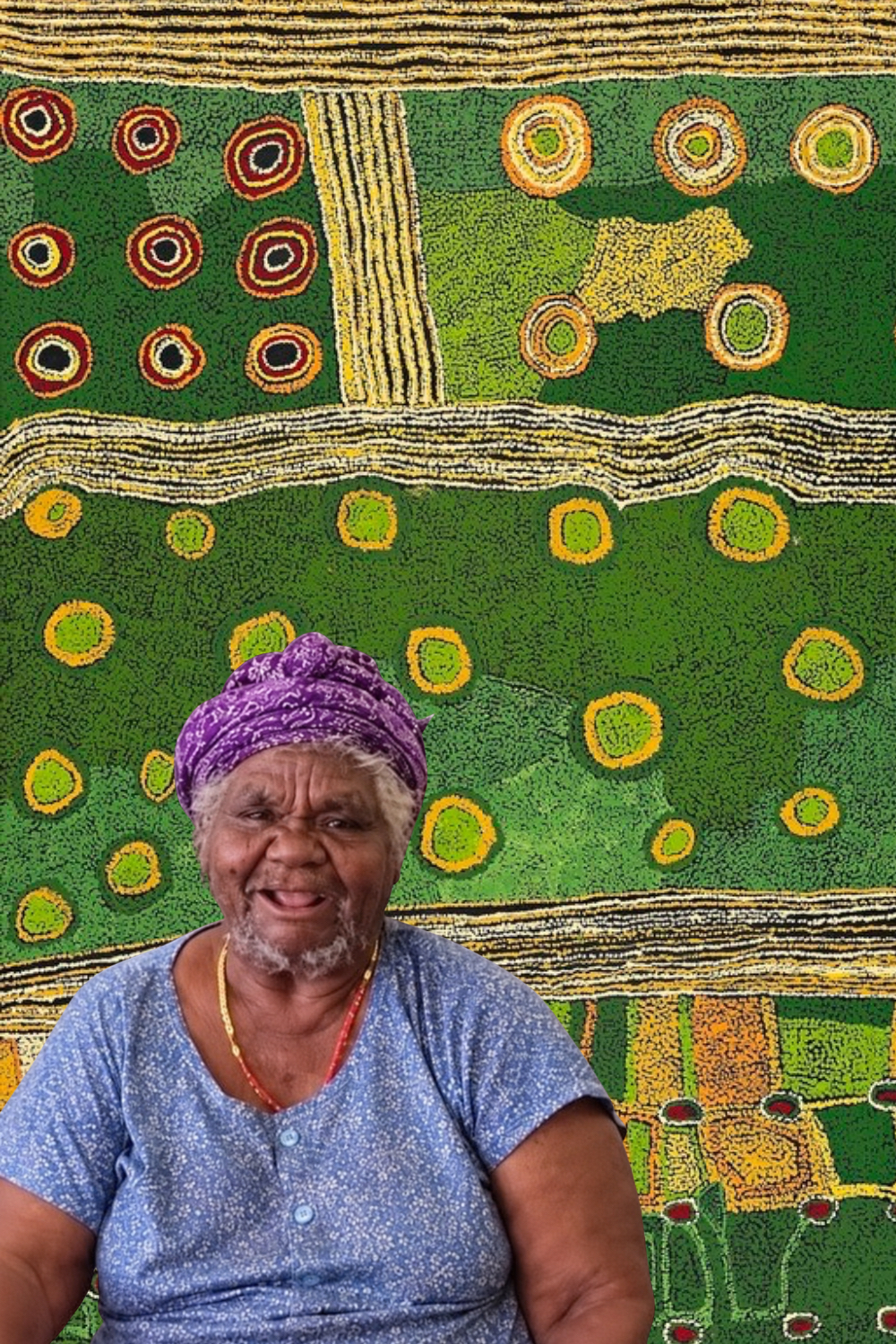
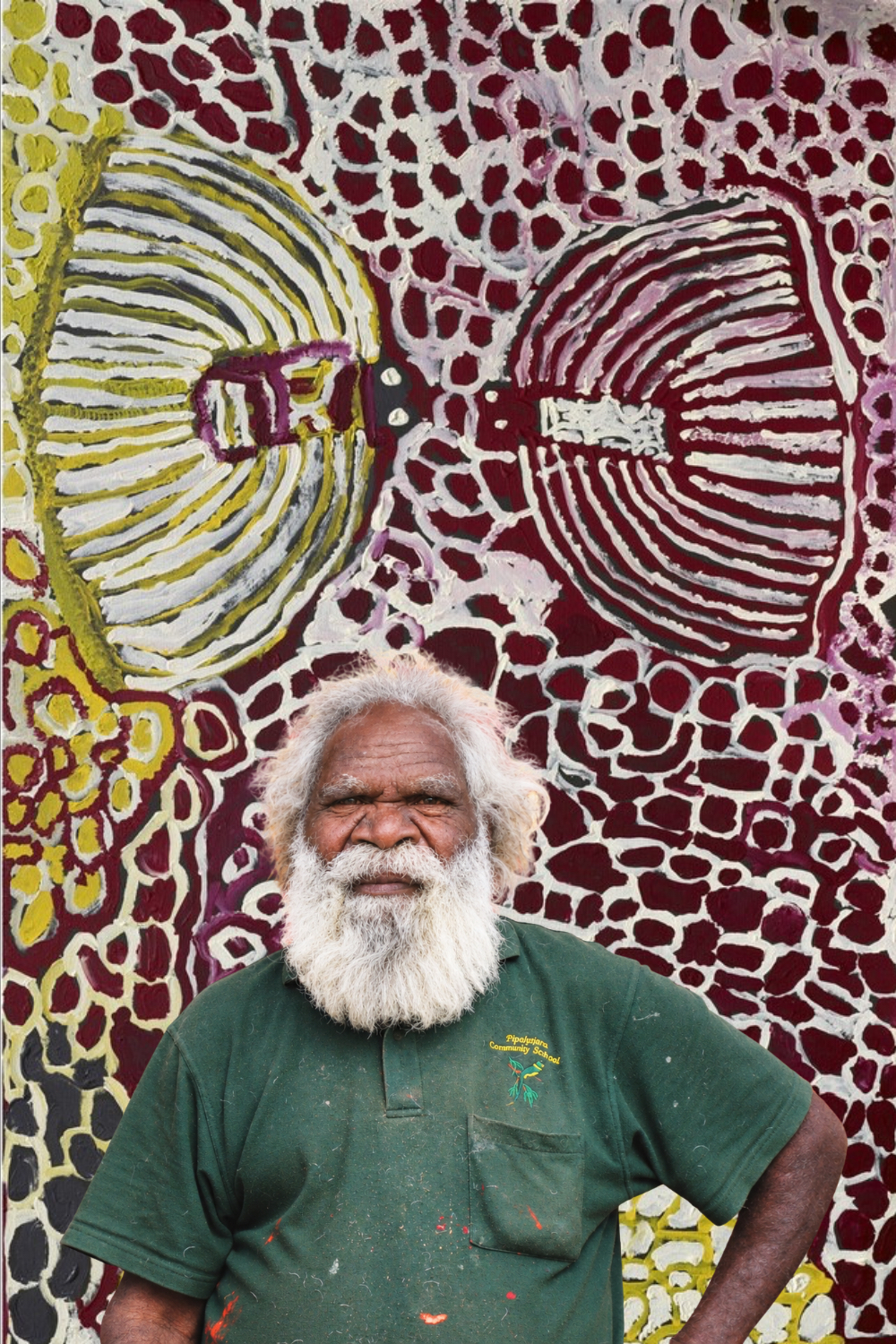
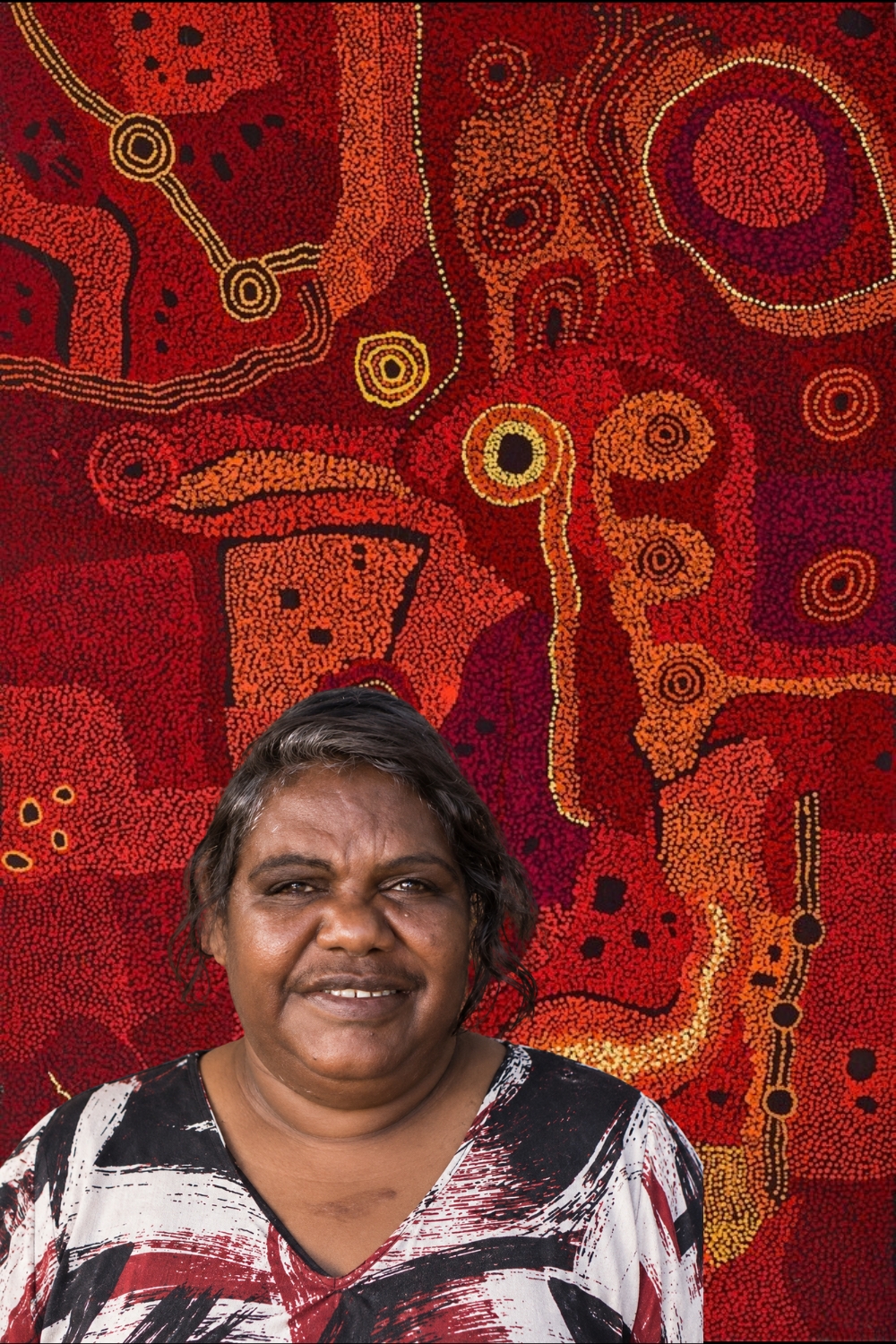
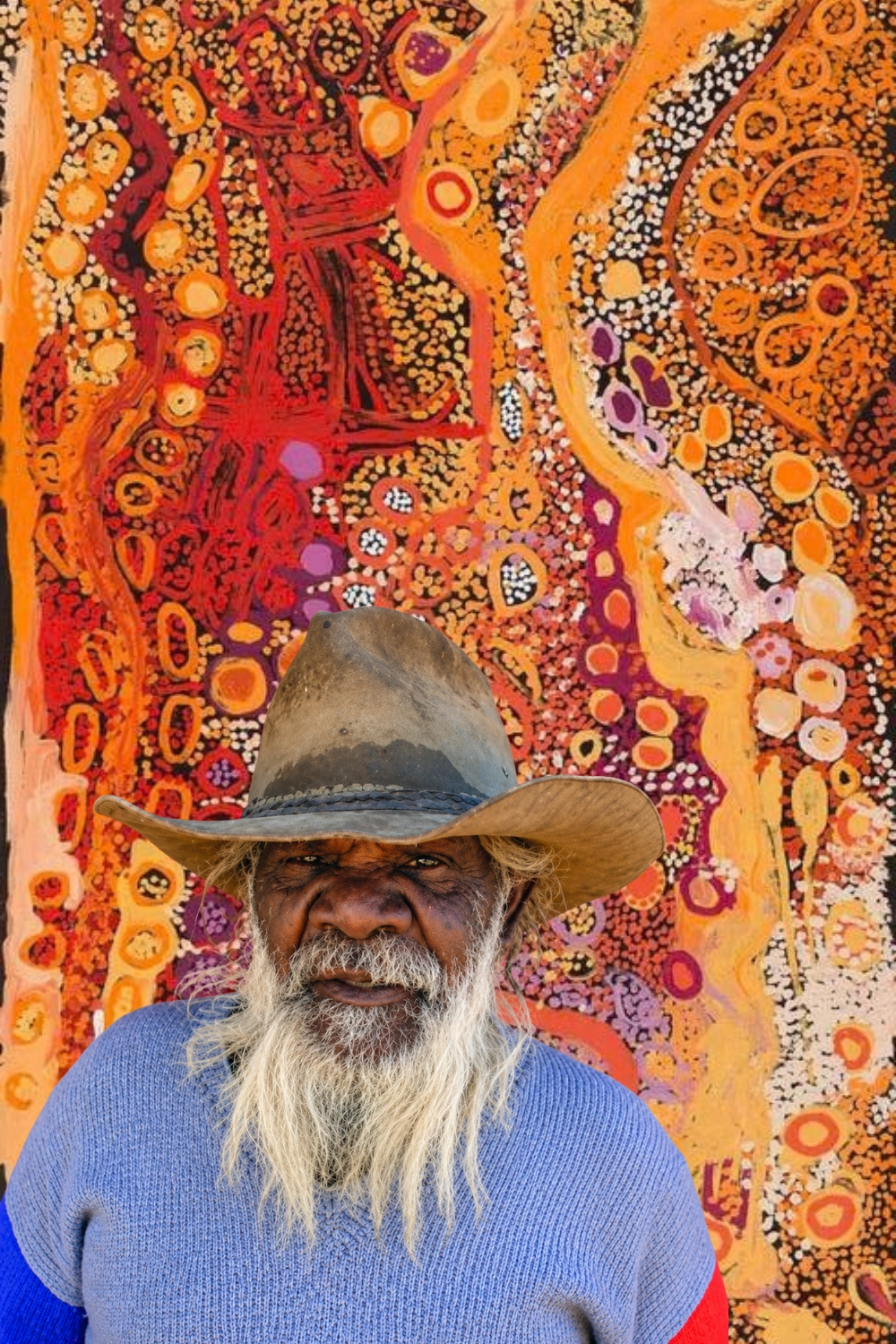
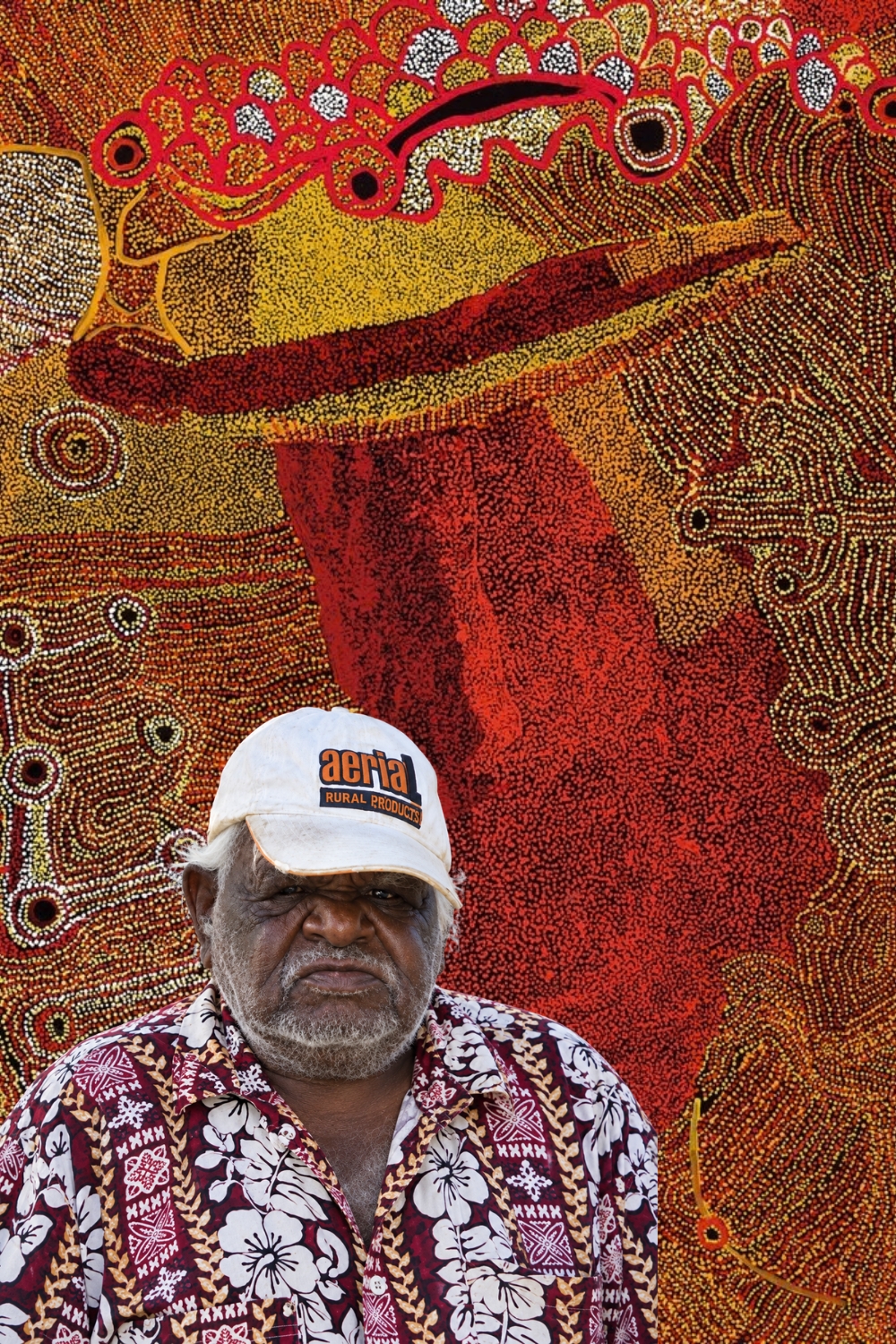
APY Lands artists are connected through family, shared Country, ancestral stories and art centres. Tommy Watson and Wingu Tingima were pioneers of Irrunytju Arts, while Wingu later joined Jimmy Baker and Maringka Baker at Tjungu Palya.
Jimmy Baker and Tiger Palpatja shared connections to Piltati Country and painted Wanampi, the Rainbow serpent.
The Seven Sisters songline connects Wingu Tingima, Maringka Baker and Tjungkara Ken, while Harry Tjutjuna painted Wati Nyiru, the sisters’ ancestral pursuer.
Harry, Jimmy and Tiger were also respected traditional healers (ngangkari), as was Billy Whiskey, who painted further north at Mount Liebig.
These relationships reveal how APY art developed through interconnected communities and inherited cultural responsibilities, while individual artists created remarkably different painting styles.


What Is APY Lands Art?
APY Lands Art is a major movement within contemporary Western Desert Art, created by Aṉangu artists from the Aṉangu Pitjantjatjara Yankunytjatjara (APY) Lands of north-west South Australia.
The region’s painting is recognised for luminous colour, expressive mark-making and highly individual interpretations of Country. Although grounded in Tjukurpa (ancestral law and knowledge), APY artists have developed distinctive contemporary approaches ranging from expansive fields of colour to densely worked surfaces and energetic, gestural compositions.
Central to much APY painting is Ngura — Country, home and belonging. Country is understood not simply as landscape, but through relationships connecting people, ancestors, significant places, ceremony and cultural law. Paintings may express these relationships through colour, movement and remembered experience rather than literal representations of landscape.
Important Tjukurpa represented by APY artists include Kungkarangkalpa (Seven Sisters dreaming), whose songline crosses a vast area of the Western and Central deserts.
Today, APY Lands painting is recognised as one of the most significant movements in contemporary Aboriginal Australian art.
Where Are the APY Lands and Who Are the Anangu People?
The APY Lands are a vast Aboriginal-owned region located in the remote north-west of South Australia near the borders of Western Australia and the Northern Territory. Covering more than 100,000 square kilometres of desert Country, the region includes communities such as Pukatja (Ernabella), Amata, Mimili, Indulkana, Kaltjiti (Fregon), Pipalyatjara, and Kalka.
APY stands for Anangu Pitjantjatjara Yankunytjatjara, referring to the Aboriginal peoples and language groups who have lived throughout this region for countless generations. The word Anangu broadly means “people”, while Pitjantjatjara and Yankunytjatjara are the two major Western Desert languages spoken across much of the area.


The Seven Sisters Dreaming and APY Lands Art
The Seven Sisters Dreaming, widely known in the APY Lands as Kungkarangkalpa, is one of the most important Tjukurpa represented by contemporary APY artists. It follows seven ancestral women travelling across Country while pursued by Wati Nyiru, their journey connecting significant places across the desert.
For Aṉangu artists, Kungkarangkalpa is inseparable from Ngura — Country, home and belonging. Paintings therefore need not illustrate the narrative literally. They may express the Country through which the sisters travelled, significant sites and the artist’s inherited relationship with those places.
Kungkarangkalpa has become particularly important in large-scale collaborative painting. Senior women sometimes work together on monumental canvases or multi-panel works, bringing together knowledge and custodianship held across families and generations.
The subject is associated with major APY artists including Tjungkara Ken and the Ken Sisters, while collaborative Seven Sisters paintings have brought considerable national attention to APY Lands Art.
These works demonstrate one of the defining characteristics of APY painting: Tjukurpa, Country and contemporary artistic expression remain interconnected rather than separate.
The Late Emergence of Men’s Painting in the APY Lands
One important difference between APY Lands Art and the earlier Papunya movement is the relatively late emergence of painting by senior Aṉangu men like Harry Tjutjuna, Tiger Palpatja and Jimmy Baker.
When acrylic painting began at Papunya Art Movement in 1971, some early works incorporated ceremonial designs and knowledge traditionally restricted according to gender, initiation and rights in particular Country. Senior Aṉangu and other Western Desert men objected to restricted men’s Law being publicly displayed to people who were not entitled to see it.
During the 1970s, Papunya artists responded by removing, concealing or transforming restricted imagery, developing ways of painting ancestral knowledge without revealing everything contained within it. Many Aṉangu farther south remained cautious and did not immediately join the acrylic painting movement.
This helps explain why men’s painting developed comparatively late in the APY Lands, despite much older traditions of visual expression through body painting, sand drawing, decorated ceremonial objects and carving. For many years, art centres in the region were predominantly women’s spaces, with important traditions developing in textiles, batik, weaving and other forms.
By the 1990s and early 2000s, senior Aṉangu men increasingly began painting Country and Tjukurpa while controlling what could appropriately be shown publicly. Artists such as Tiger Palpatja, Billy Whiskey and Jimmy Baker entered painting late in life, bringing decades of ceremonial knowledge and relationships to Country to canvas.
Collecting Authentic APY Lands Art
Provenance and authenticity are central considerations when collecting APY Lands Art. Works originating through Aboriginal-owned art centres generally have documentation identifying the artist, artwork, community and relevant cultural information, providing an important record of the painting’s history.
Artist reputation is also significant. Works by established artists represented in major public collections or exhibitions may attract greater collector interest, while condition, size, date, rarity, subject and exhibition history can all influence value.
Collectors should look for clear documentation and an unbroken provenance wherever possible. Art-centre certificates, original gallery invoices, exhibition records and earlier collection histories can all strengthen the provenance of an APY painting.
Beyond market considerations, the strongest APY paintings combine individual artistic power with relationships to Country and Tjukurpa, making provenance important not only to authenticity but also to understanding the context in which the work was created.
Why APY Lands Art Became Internationally Important
APY Lands Art gained wider recognition as artists from the region developed increasingly ambitious contemporary paintings while maintaining strong relationships with Country and Tjukurpa.
From the 2000s, APY artists became increasingly visible in major exhibitions, prizes and public collections. Large-scale paintings and collaborative works, particularly those created by senior Aṉangu women, brought further attention to the region.
The movement also broadened perceptions of Western Desert Art. Rather than following a single desert style, APY artists developed highly individual approaches to colour, scale, surface and mark-making. Artists working through centres across the Lands produced paintings that were recognisably contemporary while remaining grounded in particular Country and inherited cultural knowledge.
Major institutional exhibitions and acquisitions subsequently brought APY painting to audiences beyond the region, establishing the APY Lands as an important centre of contemporary Aboriginal Australian art.
Further Reading
The following books provide deeper insight into APY Lands Art, Anangu culture, the Seven Sisters Songline, and the broader history of Western Desert painting. Together they explore the cultural traditions, ancestral narratives, and artistic movements that shaped one of the most important developments in contemporary Aboriginal Australian art.
- Tjukurrtjanu: Origins of Western Desert Art — Essential study of the ceremonial, cultural, and artistic foundations of Western Desert painting, including the traditions that later informed APY Lands Art.
- Songlines: Tracking the Seven Sisters — Major publication exploring the Seven Sisters Songline across Australia, including its importance within the APY Lands and contemporary Aboriginal art.
- Tjukurpa Pulkatjara: The Power of the Law — Important publication examining Anangu cultural law, Tjukurpa, and the relationship between contemporary APY painting and cultural knowledge.