Balgo Art: A Western Desert Art Movement
Balgo Art (formerly Balgo Hills) is a major regional movement within Western Desert Art that emerged at Wirrimanu (Balgo) in Western Australia during the 1980s. Rather than describing a single painting style, the term refers to the contemporary art movement that developed around Balgo as artists from different Countries, language groups and cultural traditions began producing paintings for wider audiences.
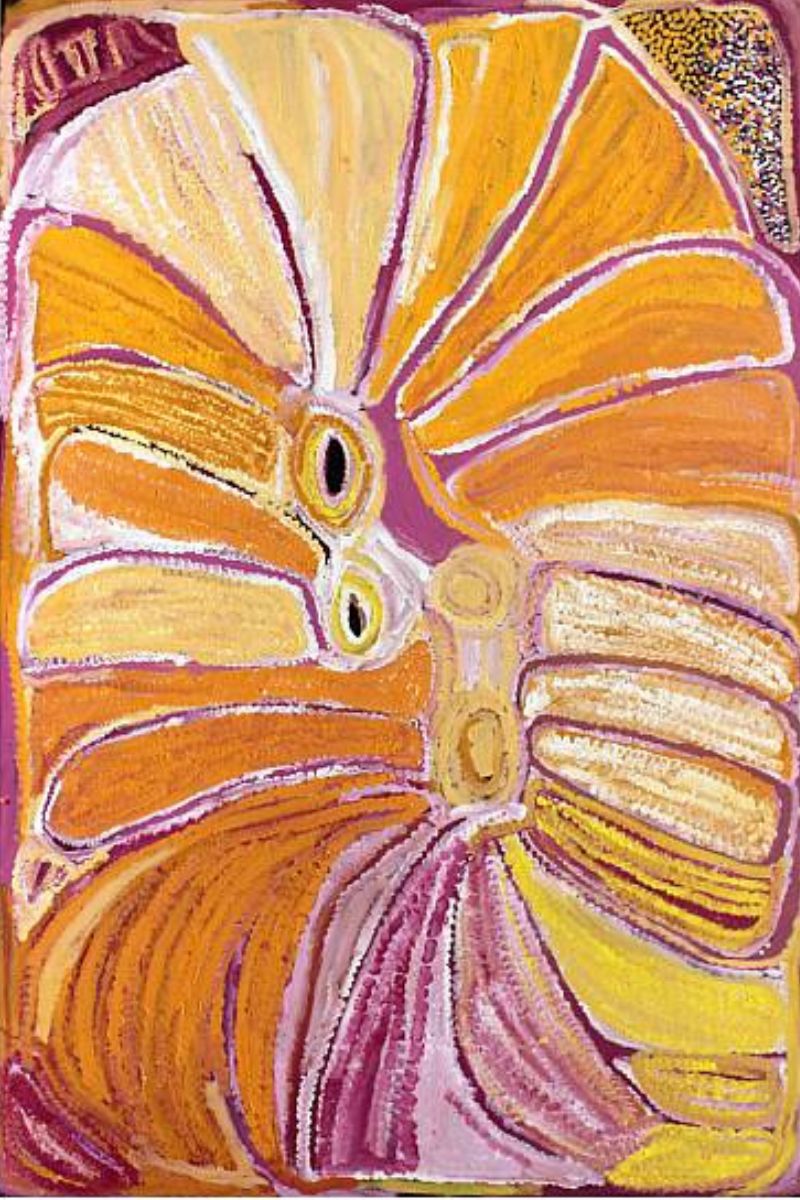
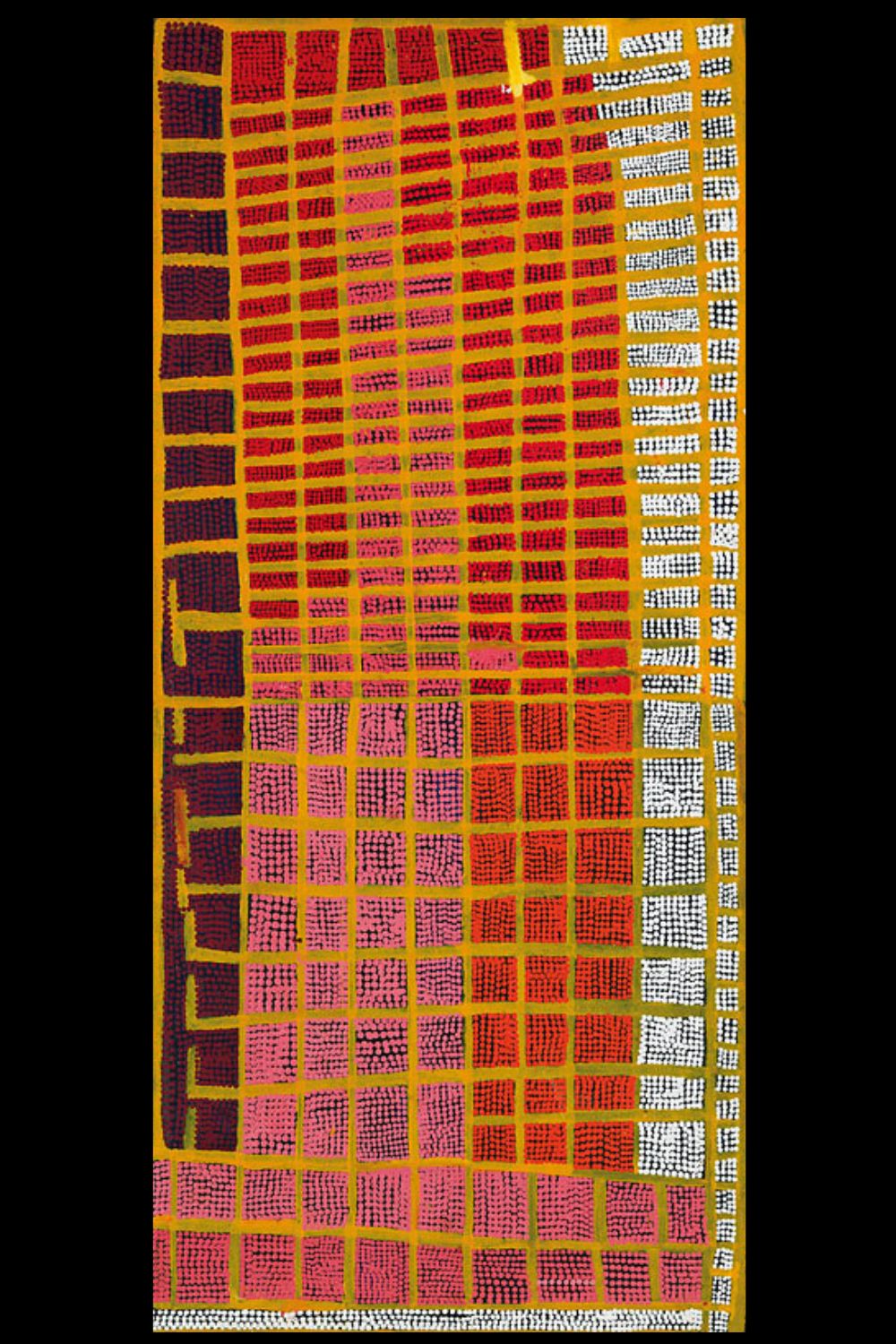
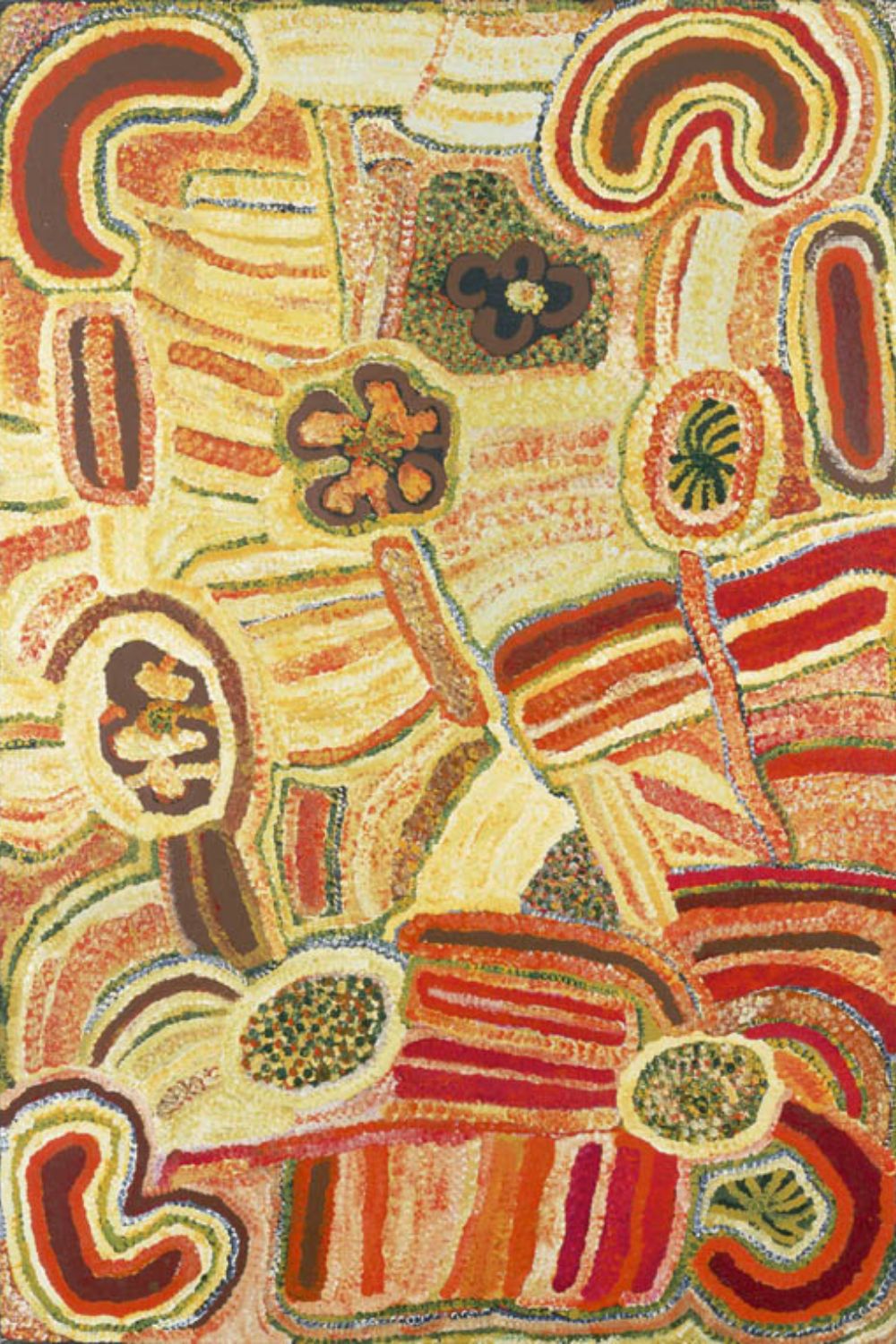
The movement is remarkable for the individuality of its artists. Eubena Nampitjin developed sweeping fields of colour, Helicopter Tjungurrayi dense parallel lines, Sunfly Tjampitjin monumental geometric compositions, and Wimmitji Tjapangarti intricate representations of ancestral Country. Other Balgo artists developed equally distinctive approaches, demonstrating why Balgo Art should be understood as a movement rather than a uniform visual style.
Situated between the Great Sandy and Tanami Deserts, Balgo brought together artists from Kukatja, Pintupi, Warlpiri, Ngardi, Walmajarri, Wangkajunga and Djaru backgrounds. Their different Countries, ancestral narratives and ceremonial responsibilities gave the movement its extraordinary diversity, while Warlayirti Artists helped establish Balgo as one of the major centres of contemporary Aboriginal Australian painting.
Major Balgo Artists
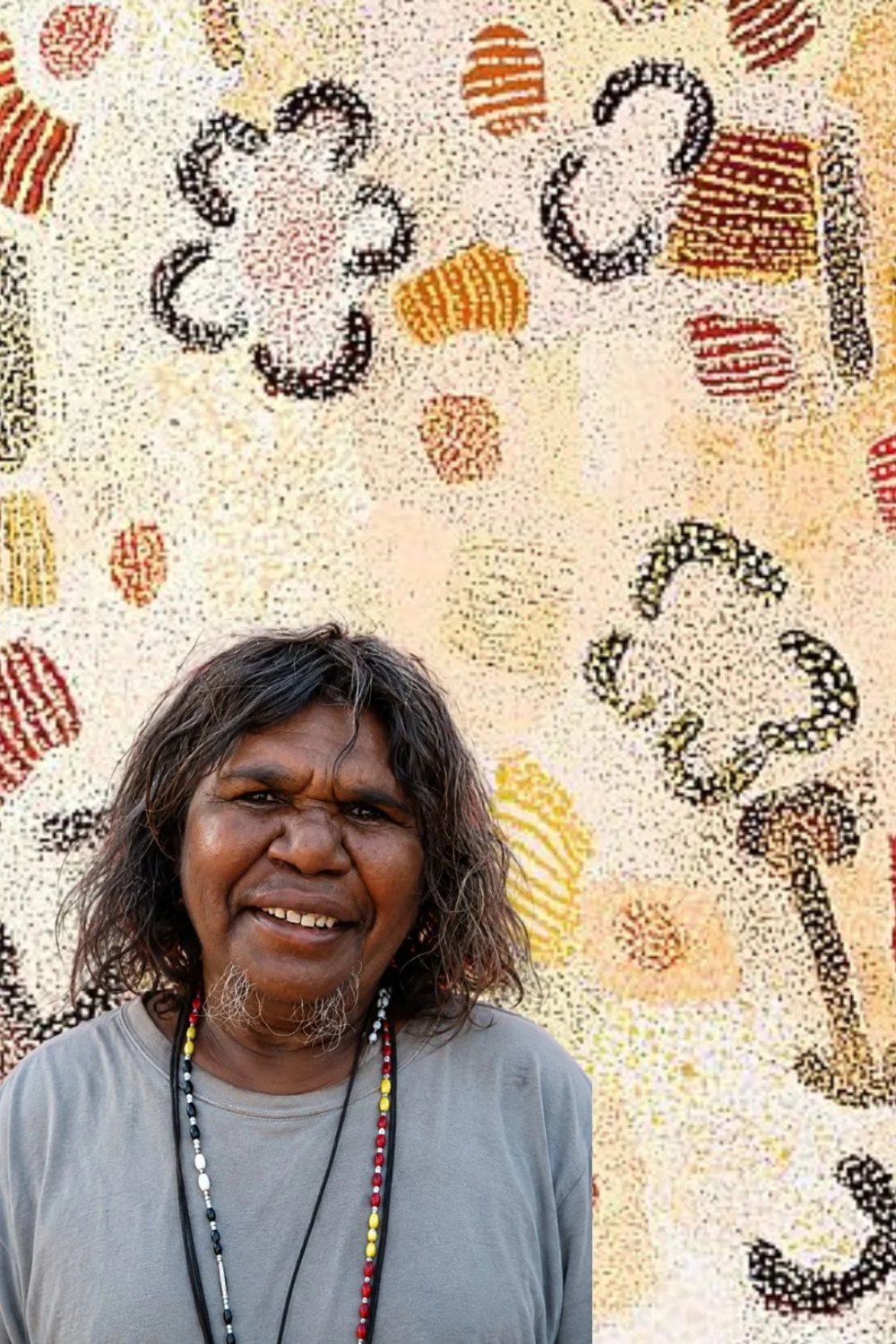
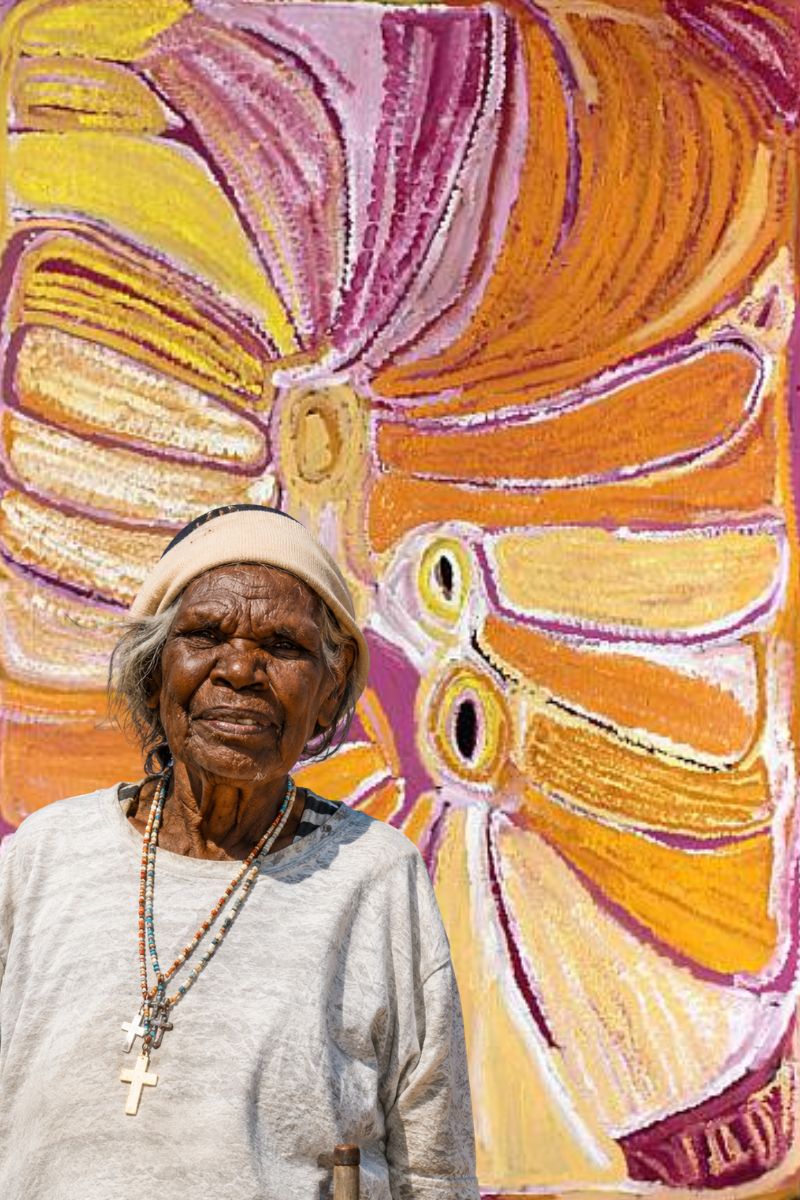
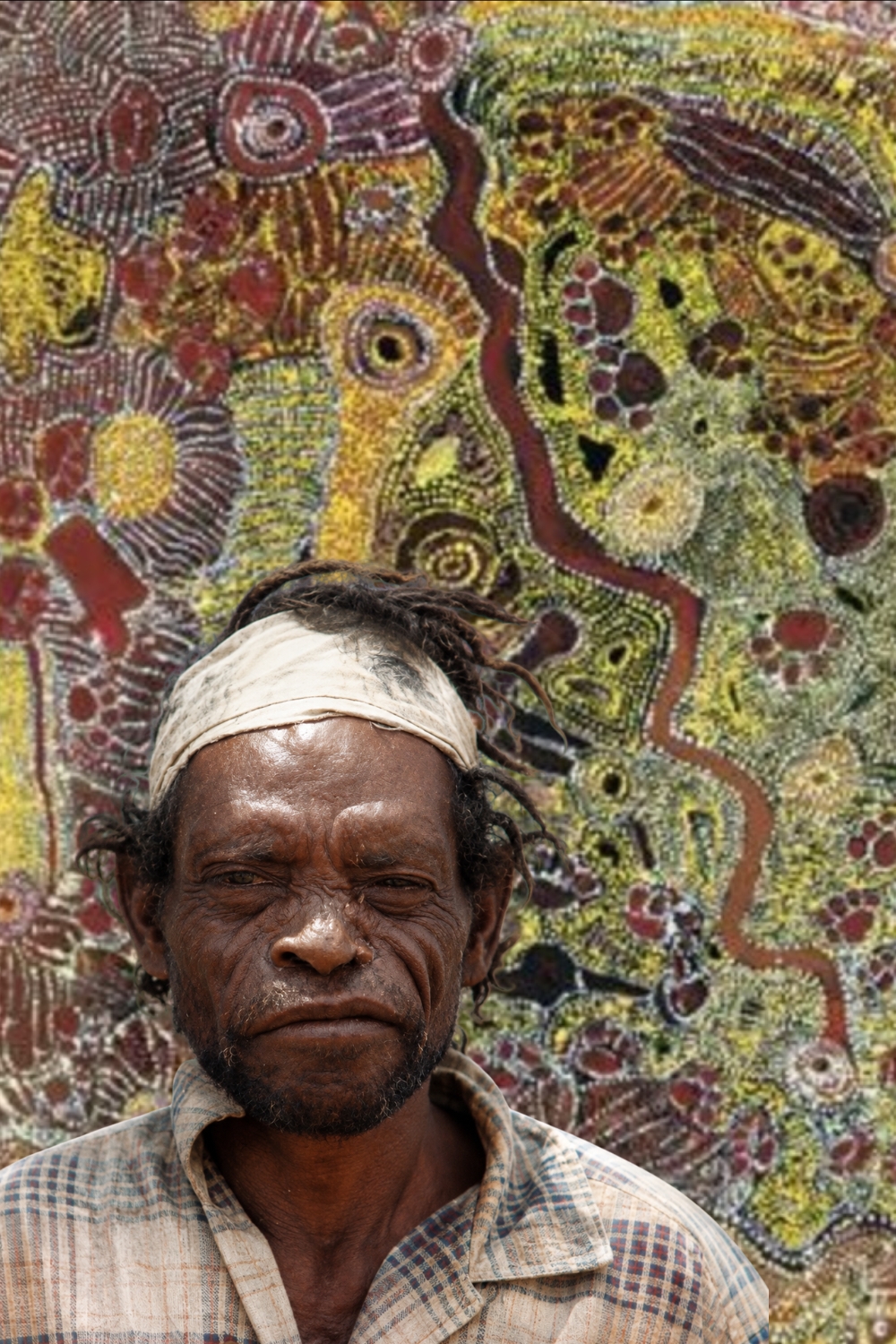
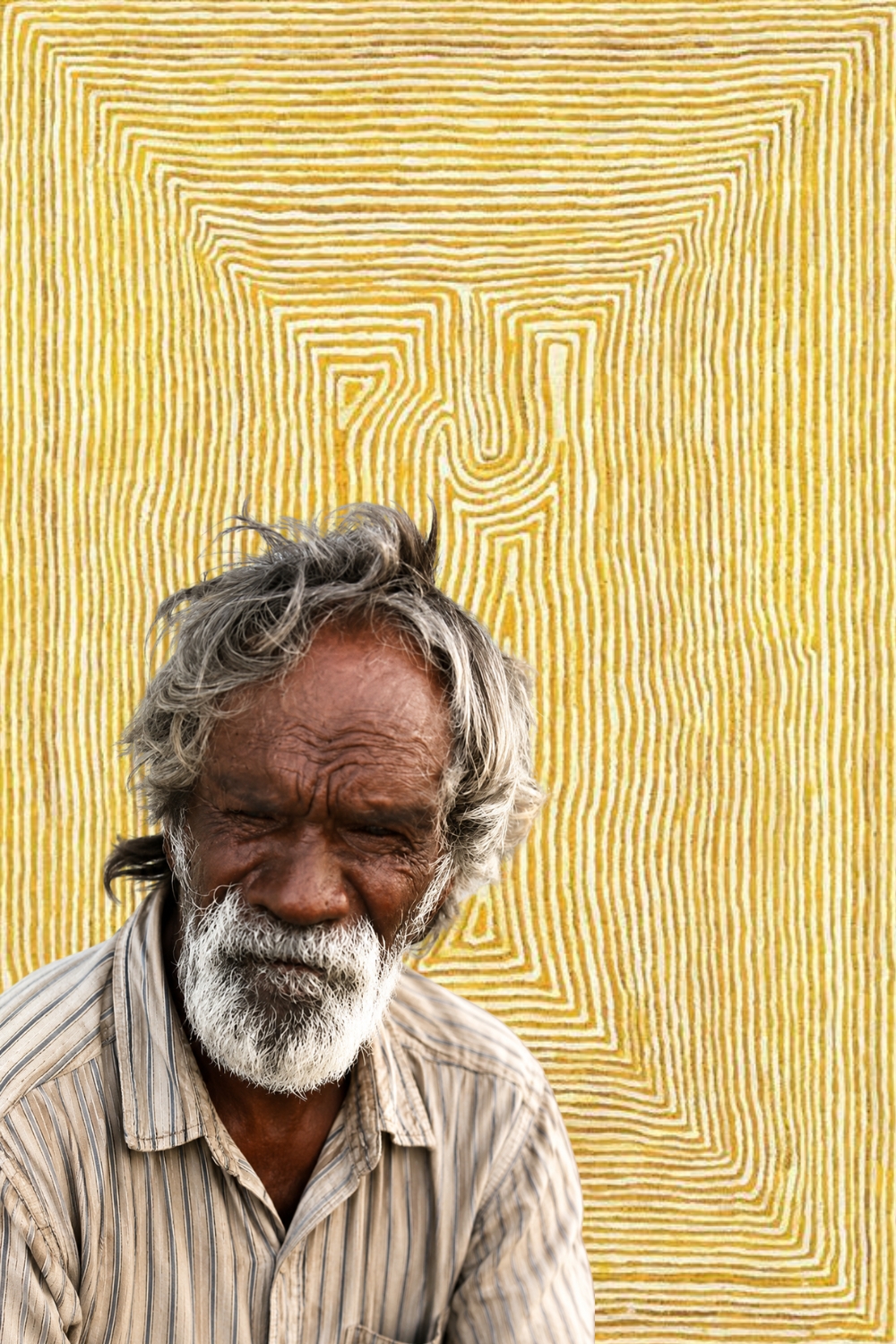
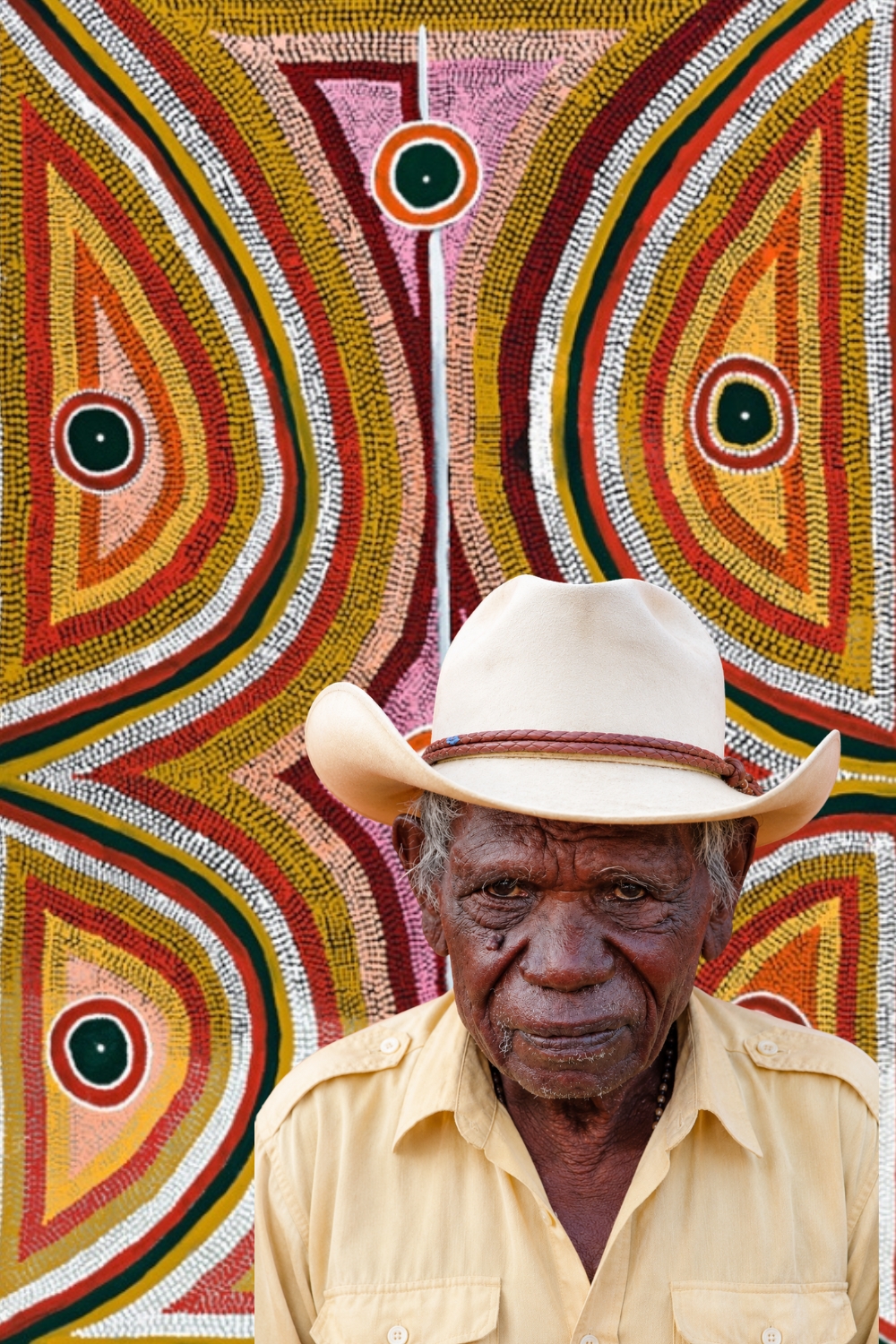
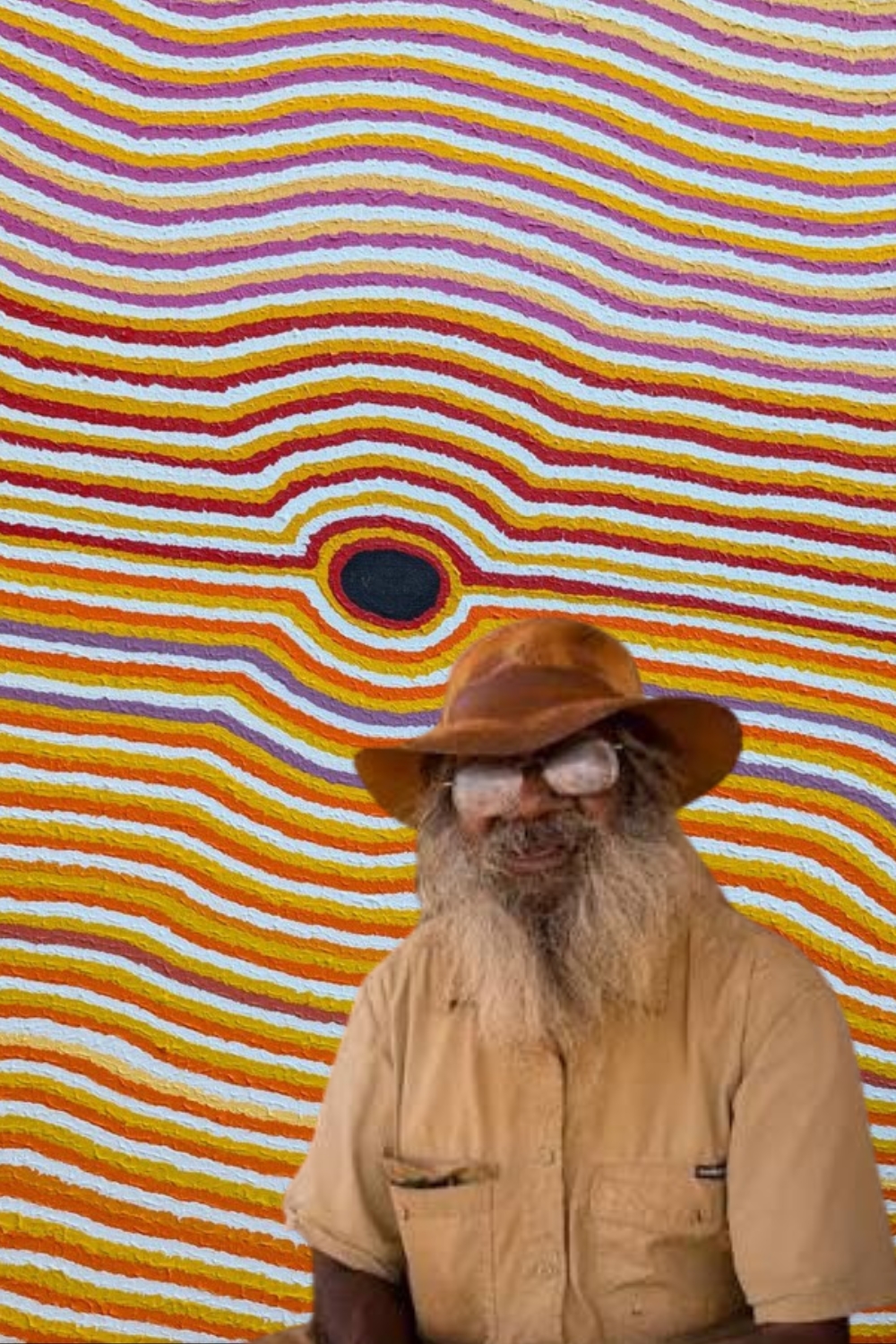
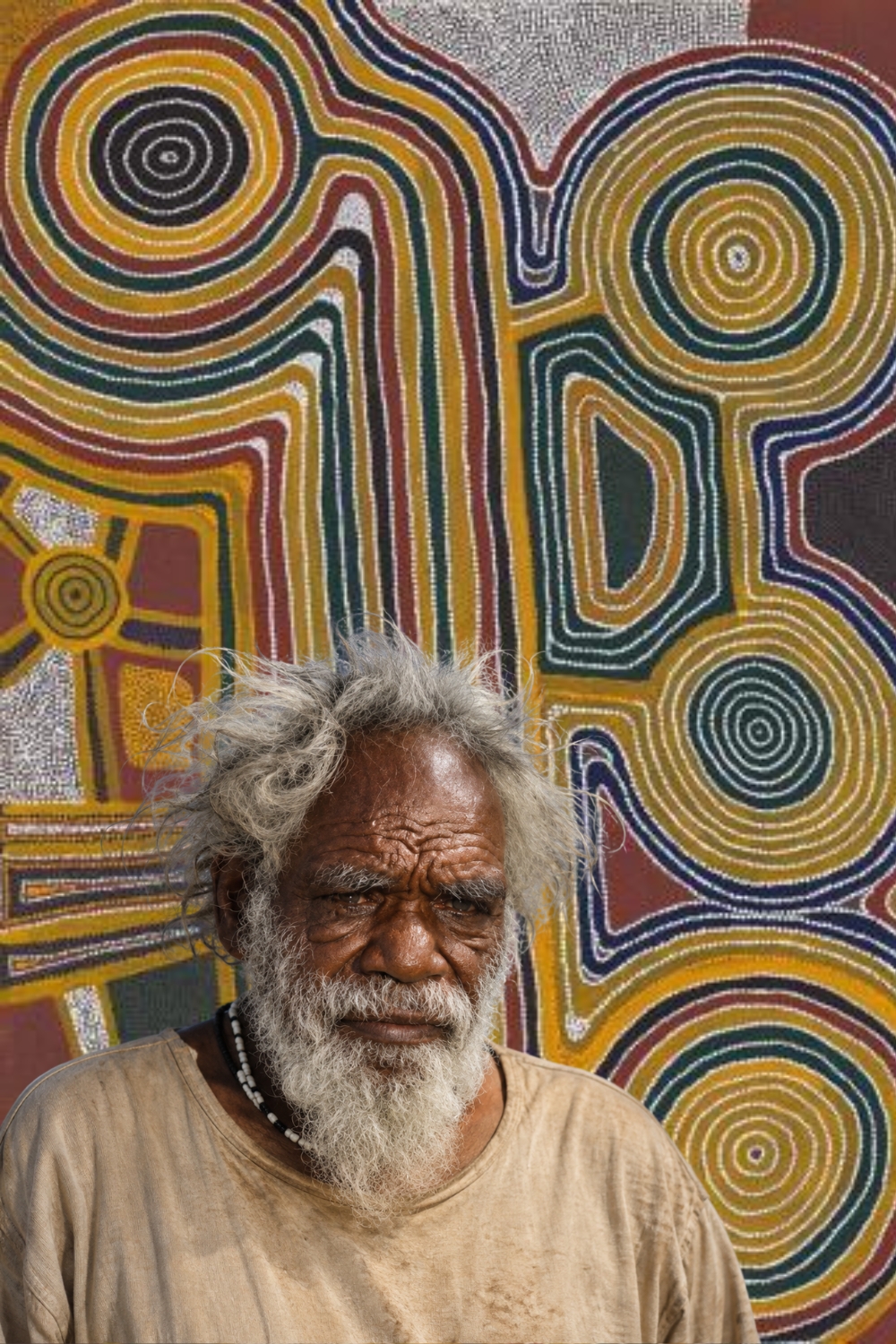
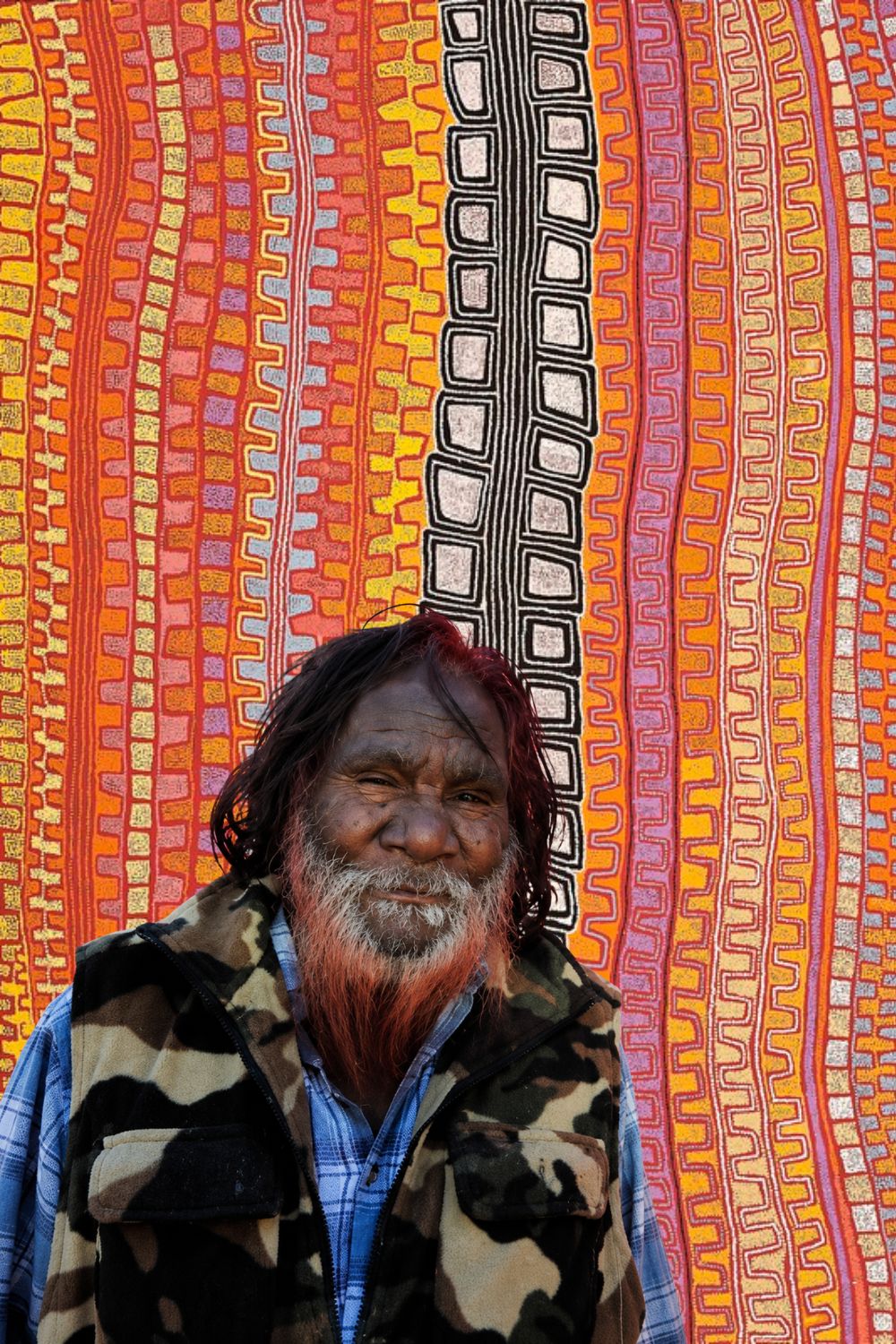
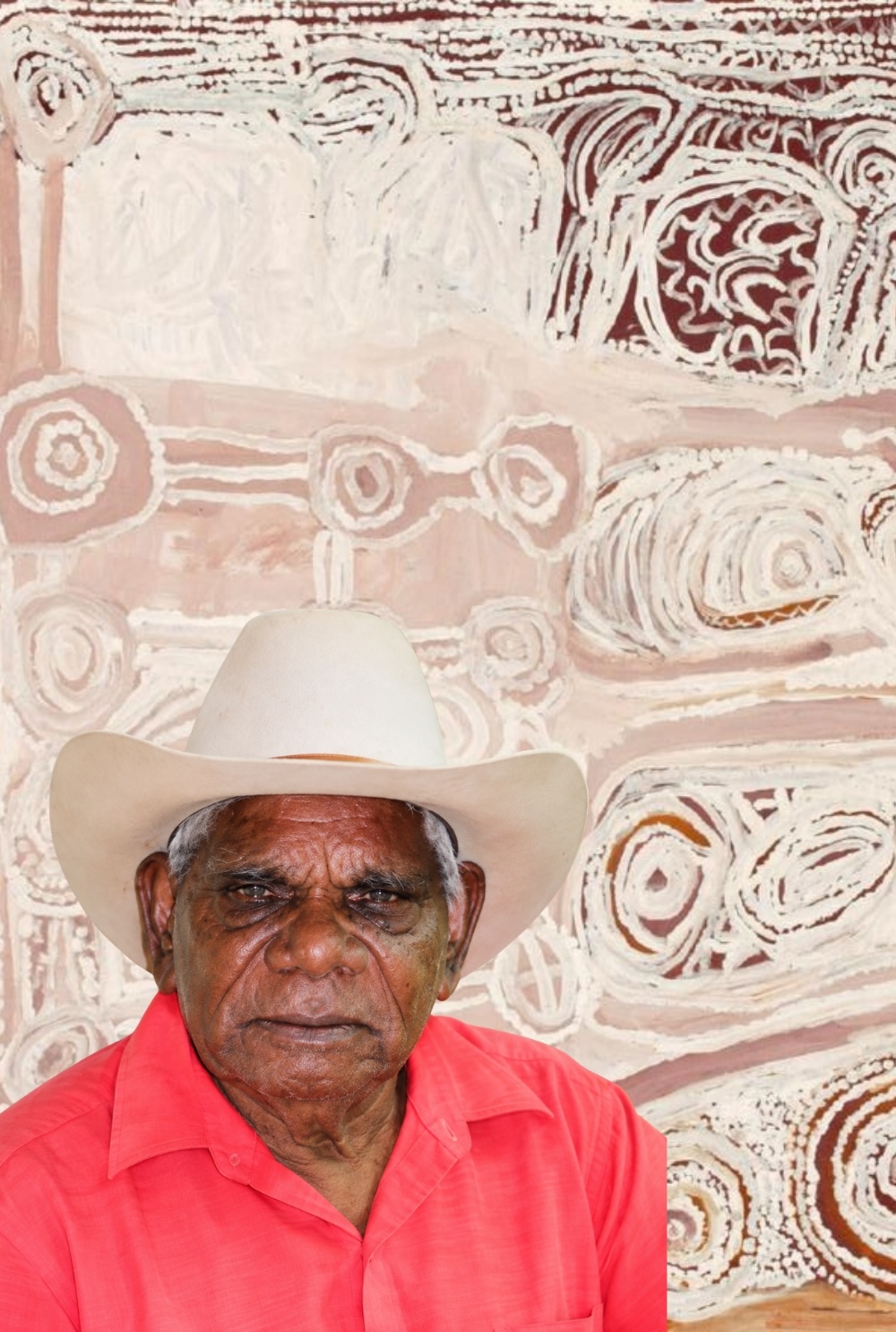
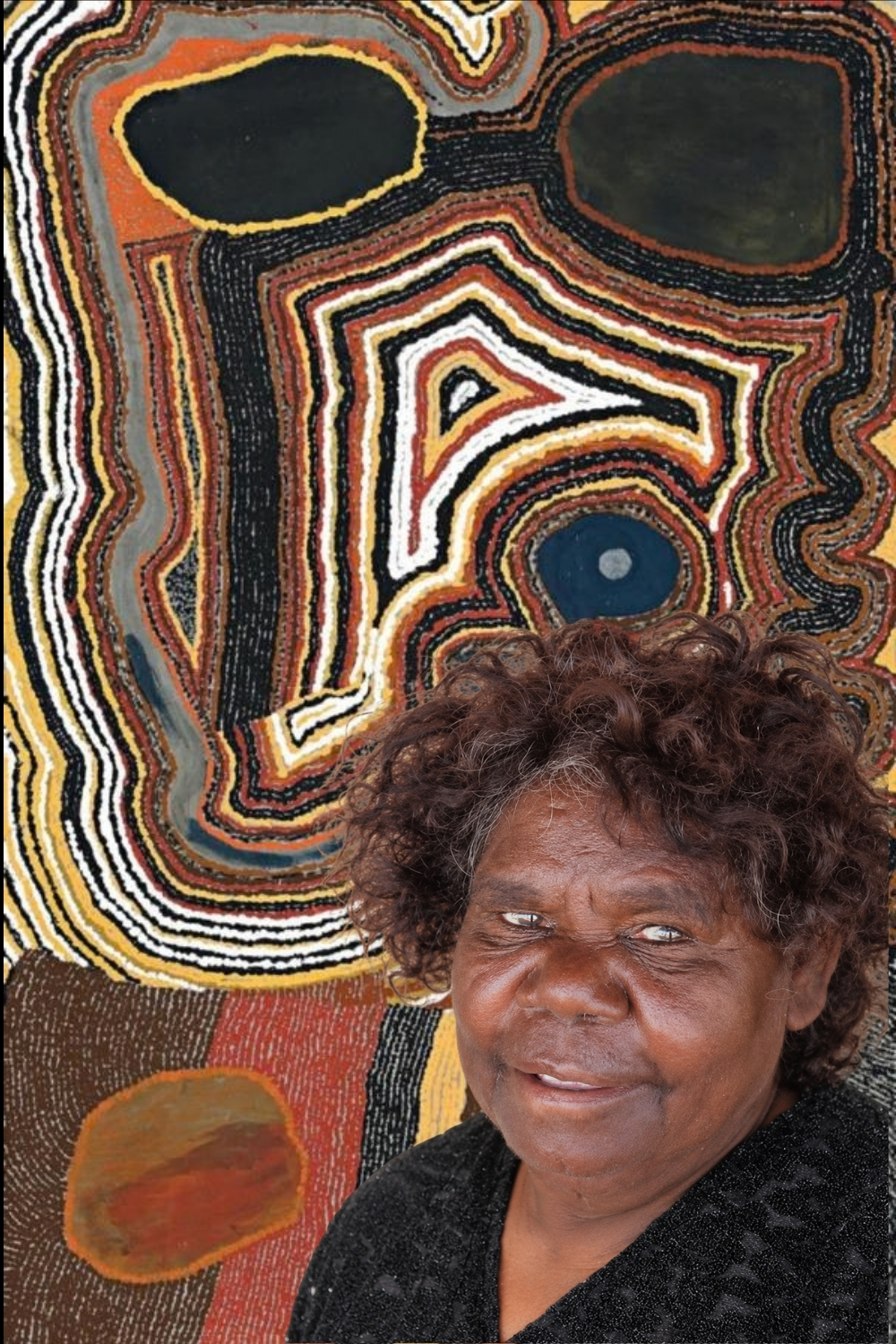
Balgo produced an extraordinary group of painters, many of whom were connected by family as well as by their association with Warlayirti Artists. Eubena Nampitjin began painting alongside her husband Wimmitji Tjapangarti, while Elizabeth Nyumi grew up travelling through the desert with her older brothers, including Patrick Tjungurrayi. Their wider family circle also included Helicopter Tjungurrayi. Other important Balgo painters included Tjumpo Tjapanangka, Boxer Milner and Sunfly Tjampitjin, each of whom brought the ancestral knowledge of different Countries into the emerging Balgo painting movement. The remarkable diversity of their work—from Eubena’s powerful fields of colour to Boxer’s spare representations of Sturt Creek Country—helps explain why Balgo is better understood as a major regional art movement rather than a single painting style.
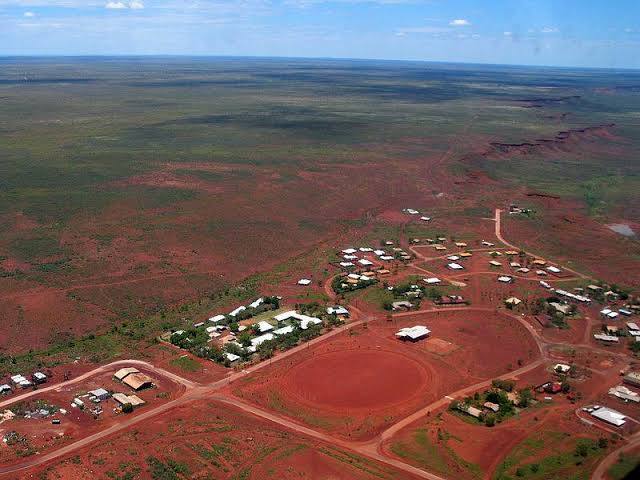
Where is Balgo (Wirrimanu)?
Balgo, also known by its Aboriginal name Wirrimanu, is a remote Aboriginal community in the south-east Kimberley region of northern Western Australia near the Northern Territory border. The community lies on the edge of the Great Sandy and Tanami Deserts, approximately 280 kilometres south-west of Halls Creek and around 850 kilometres north-west of Alice Springs via the Tanami Road.
Geographically, Balgo occupies an important cultural crossroads between the Kimberley and Central Western Desert regions. This location helped create strong ceremonial and family connections between Kukatja, Pintupi, Warlpiri, Ngardi, Walmajarri, Wangkajunga, and Djaru peoples, contributing to the remarkable cultural diversity that defines Balgo painting today.
Balgo Art Within the Western Desert Movement
Balgo Art forms part of the broader Western Desert Art movement that began with the emergence of contemporary painting at Papunya in the early 1970s and subsequently developed through communities across desert Australia. Balgo became one of its most important regional centres, bringing together artists from different Countries, language groups and cultural traditions.
Like other Western Desert painting traditions, Balgo works frequently represent ancestral journeys, ceremonial places, waterholes, soakwaters, sandhills and travelling routes across Country. Circles, pathways, lines and other forms of spatial mapping appear in many paintings, although their meanings and visual treatment vary considerably between artists.
Balgo is particularly notable for the diversity of its individual artists, whose approaches range from dense linear and geometric compositions to intricate dotted structures and expansive fields of colour. Balgo Art therefore cannot be defined by a single visual language.
Balgo emerged as an important centre of contemporary desert painting during the 1980s, more than a decade after the Western Desert Art movement began at Papunya in 1971. It became one of several distinctive regional traditions that developed across the desert, alongside painting by Pintupi artists at Kintore and Kiwirrkurra, Warlpiri artists at Yuendumu and artists at Utopia. Each developed through different communities, Countries and artistic histories, demonstrating that Western Desert painting is not a single style but a broad and interconnected movement.
The Origins of Balgo Painting
Contemporary Balgo painting emerged at Wirrimanu (Balgo) during the 1980s, although the ceremonial designs and systems of representing Country that informed it were far older, expressed through body painting, sand drawing and other forms of cultural practice.
The community developed from a Catholic mission established near the Balgo Hills in the 1940s, which brought together Aboriginal families from across the Great Sandy and Tanami Desert regions. In 1964 the mission moved to the present site of Wirrimanu, creating an important meeting place for people from different Countries and language groups.
Contemporary painting began to develop through St John’s Adult Education Centre in the early 1980s. Senior artists initially worked with ochres before increasingly adopting acrylic paint, adapting established ceremonial and visual traditions to a new medium.
An important step in the wider recognition of Balgo painting came with the 1986 Art Gallery of Western Australia exhibition Art from the Great Sandy Desert. The establishment of Warlayirti Artists in 1987 then provided continuing support, materials and opportunities for artists to exhibit and sell their work.
Artists from Kukatja, Pintupi, Warlpiri, Ngardi, Walmajarri, Wangkajunga and Djaru backgrounds contributed to the movement, helping make Balgo one of the most culturally and stylistically diverse centres of Western Desert painting.
Balgo Colour, Style and Symbolism
Balgo Art is renowned for its adventurous use of colour, with many artists employing brilliant and highly contrasting palettes that distinguished the movement from earlier Western Desert painting. Thick applications of paint, intense colour and strong surface patterning became particularly associated with Balgo during the late 1980s and 1990s.
There is, however, no single Balgo painting style. Artists developed highly individual visual languages according to their Country, cultural inheritance and personal approach to painting. These range from the sweeping fields of colour associated with Eubena Nampitjin and the dense linear striations of Helicopter Tjungurrayi to the monumental geometry of Sunfly Tjampitjin, the intricate ancestral mapping of Wimmitji Tjapangarti and the increasingly reduced linear compositions of Tjumpo Tjapanangka.
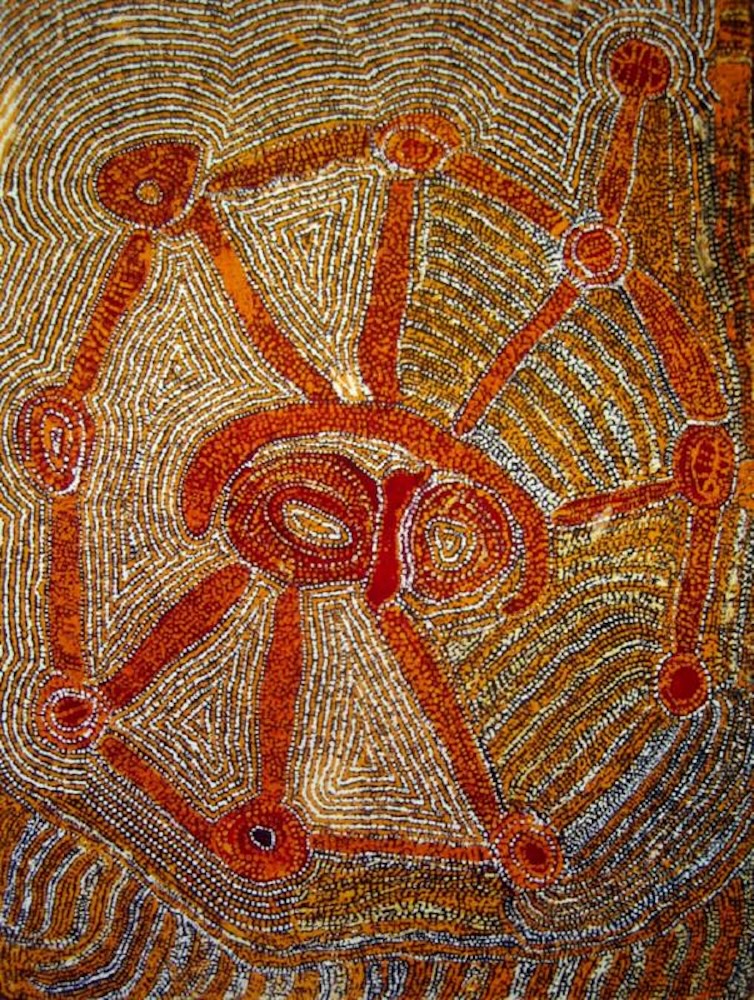
Despite this stylistic diversity, Balgo paintings remain grounded in Country and ancestral knowledge. Paintings may represent waterholes, soakwaters, sandhills, salt lakes, travelling routes, ceremonial places, bush foods and the journeys of ancestral beings. Circles, pathways, lines and fields of pattern can identify places and movement across Country, although their meanings vary according to the artist and the narrative being represented.
Tingari narratives are particularly important in the work of a number of Balgo artists, while other paintings relate to Wati Kutjarra, women’s ceremonies, ancestral animals, bush foods and other Dreaming narratives. Rather than representing a single system of symbols, Balgo painting reflects the different Countries, languages and cultural traditions brought together at Wirrimanu.
Collecting and Valuing Balgo Art
For collectors, provenance and documentation are particularly important when assessing Balgo paintings. Works produced through Warlayirti Artists are commonly documented with the artist’s name, catalogue number, date and information about the Country or ancestral narrative depicted. Original certificates, labels and other documentation should therefore be retained with the painting.
The value of Balgo Art varies considerably according to the artist, period, quality, size, provenance, exhibition history and condition. Important works from the formative late 1980s and 1990s, as well as major paintings from the early 2000s, can command substantially higher prices than more typical examples.
Provenance through Warlayirti Artists is particularly desirable, while museum exhibition history and inclusion in major publications can further strengthen collector interest. For detailed market information, see the individual auction results and value pages for major Balgo artists.
Further Reading on Balgo Art
- Balgo: Creating Country
The most important contemporary monograph on the Balgo movement, exploring the history of Wirrimanu, the emergence of Balgo painting, ceremony, colour, and the relationship between Country and abstraction. - Piercing the Ground: Balgo Women’s Image Making and Relationship to Country
Major study of Balgo women painters examining ceremony, symbolism, gender, and the relationship between painting and ancestral Country. - Wirrimanu: Aboriginal Art from the Balgo Hills
Important early publication documenting the emergence of the Balgo movement and the distinctive visual language that developed through the community during the 1980s and 1990s. - Balgo: New Directions
Explores the stylistic evolution of Balgo painting, including increasing abstraction, colour experimentation, and changing approaches to ceremonial imagery. - Yapa: Peintres Aborigènes de Balgo et Lajamanu
Important exhibition publication documenting early international exhibitions of Balgo artists during the early 1990s.