Kudditji Kngwarreye: Biography, Painting Style and Importance
c. 1928–2017
Anmatyerre
Boundary Bore Country, Utopia
Utopia / Central Australia
Utopia Art / Western Desert Art
Painting on canvas and linen
Kudditji Kngwarreye was a senior Anmatyerre artist from Utopia in Central Australia whose paintings are closely associated with his Country around Boundary Bore and with Emu Dreaming. A skin brother of Emily Kame Kngwarreye through Anmatyerre kinship, he belonged to the remarkable generation of Utopia artists who transformed Australian Aboriginal painting from the late 1980s onward.
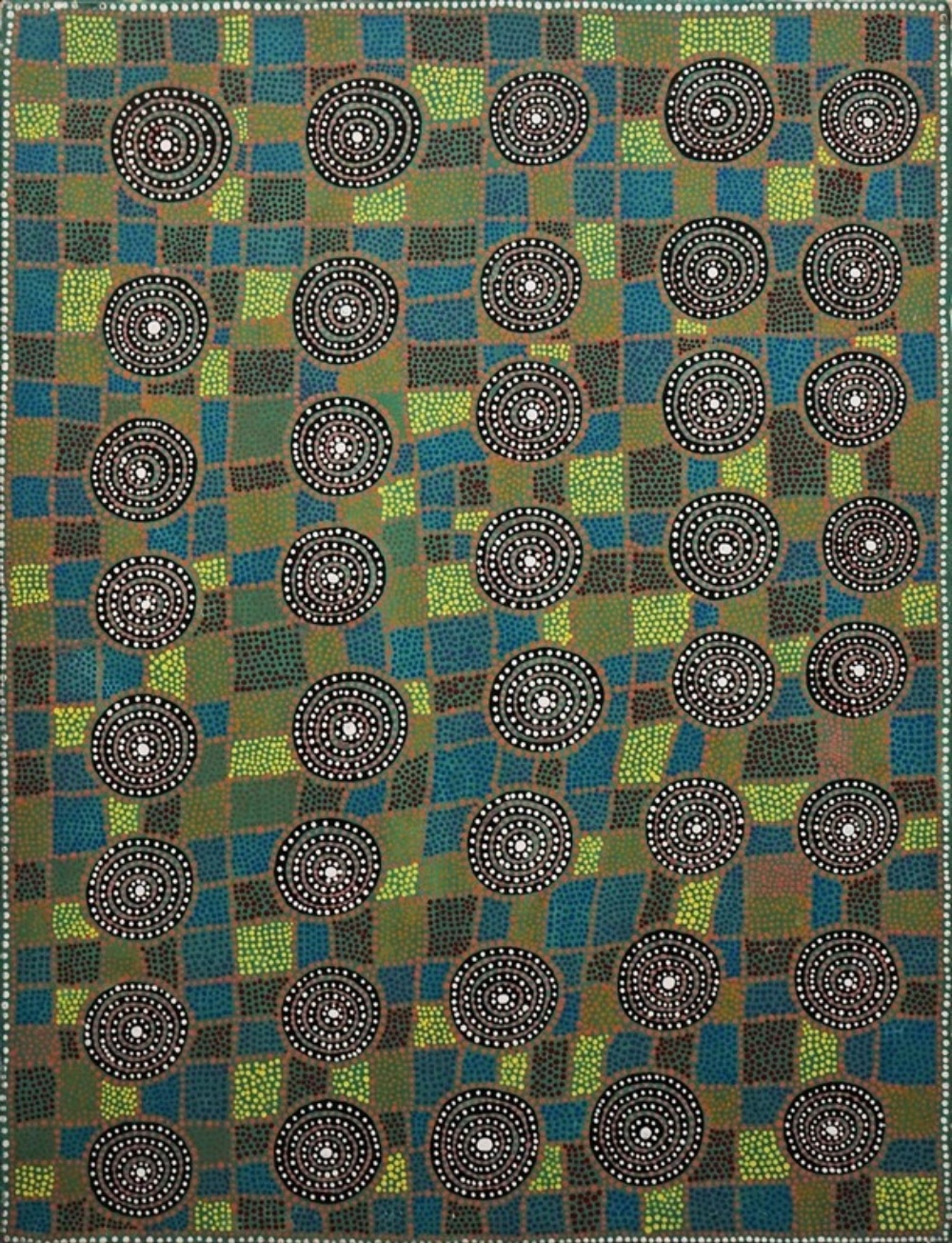
His career was marked by an extraordinary transformation. Earlier paintings were constructed from dots, repeated marks, circles and clearly defined designs. During the 1990s he began experimenting with a much freer approach, and from the early 2000s broad, heavily worked fields of colour became increasingly central to his work.
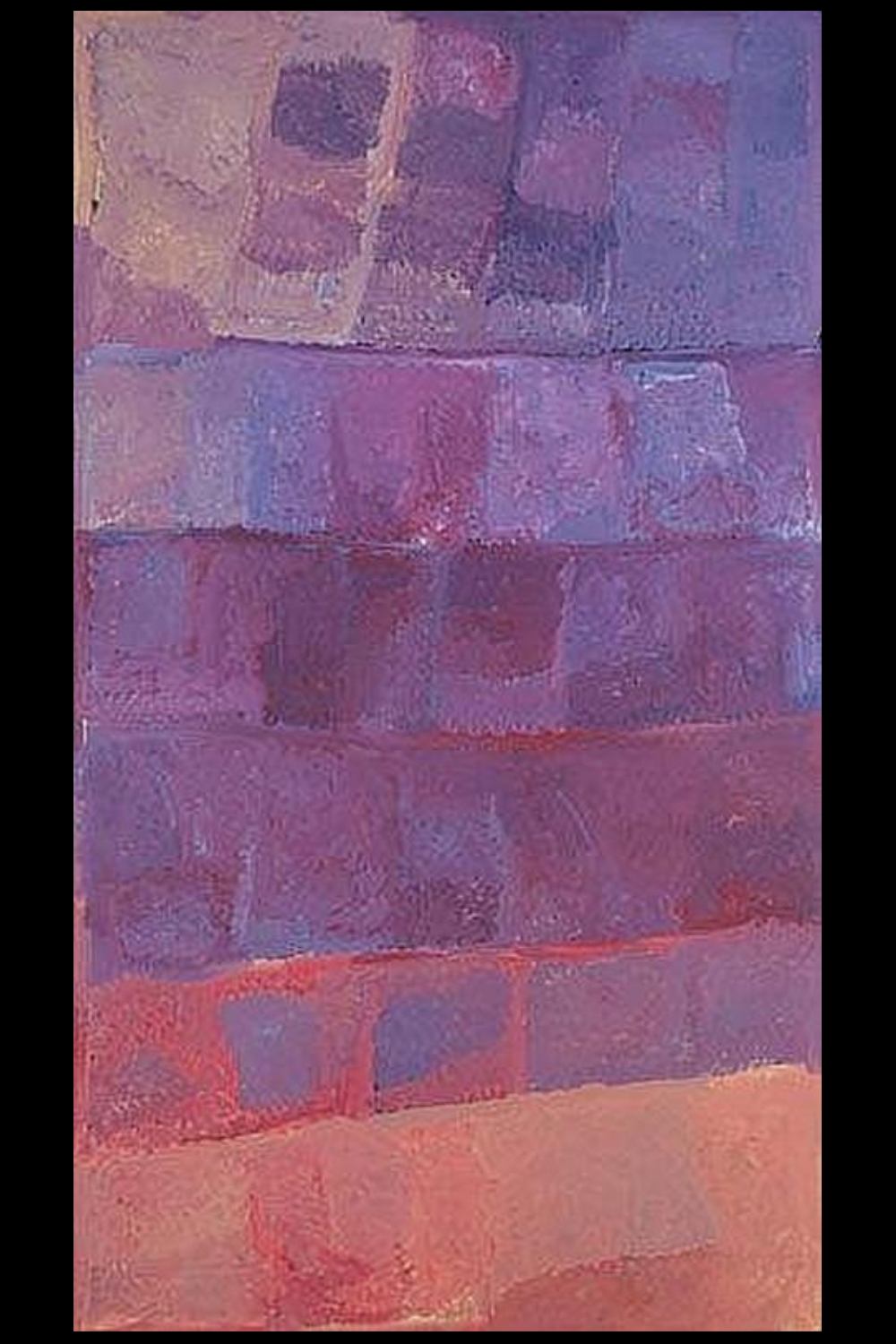
These mature paintings, often titled My Country, can appear almost completely abstract. Large areas of red, orange, pink, blue, green and ochre evoke the changing colour, light and atmosphere of Country. Yet Kudditji had not abandoned his earlier cultural subjects. Country, Boundary Bore and Emu Dreaming remained at the foundation of his painting.
Kudditji Kngwarreye Biography
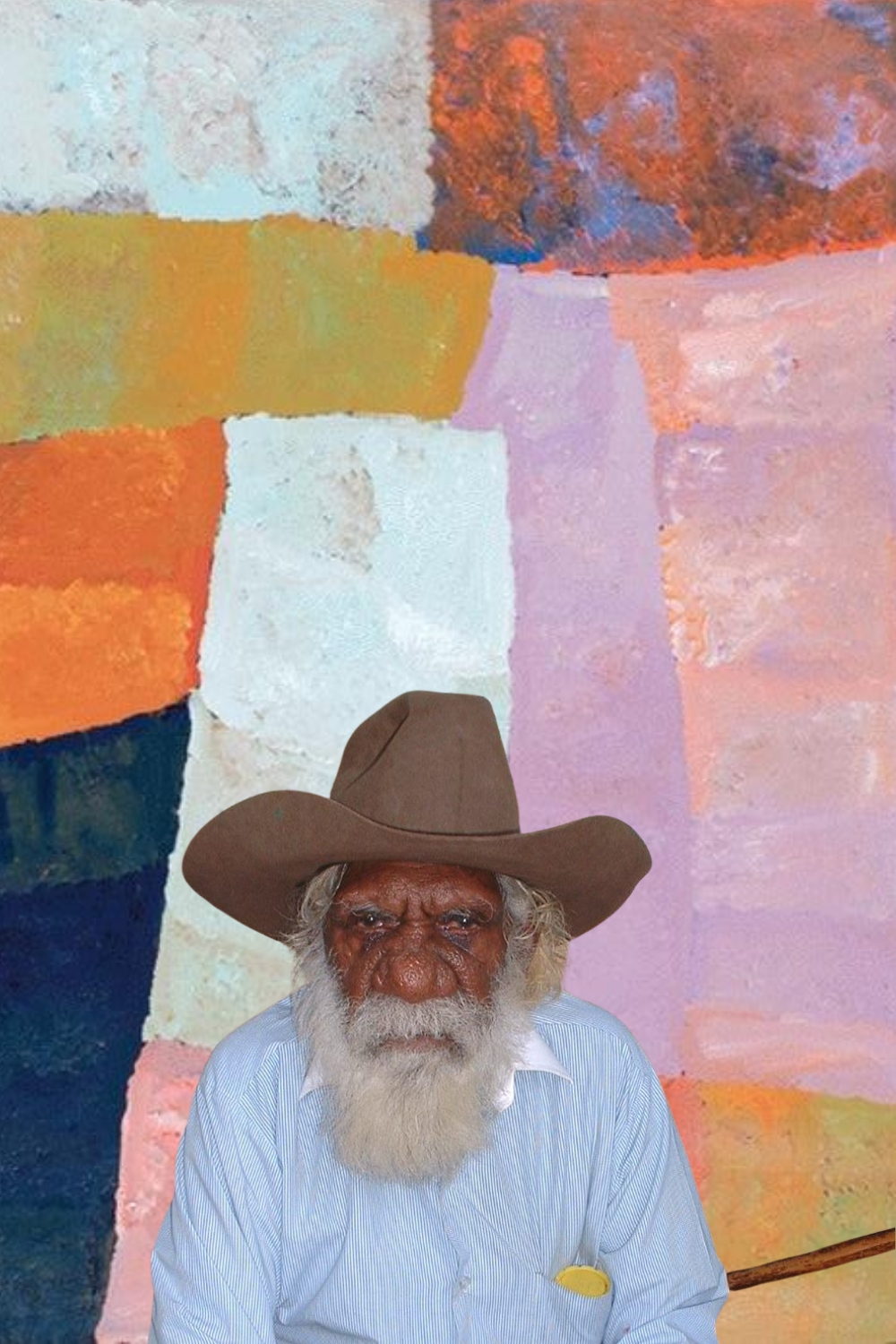
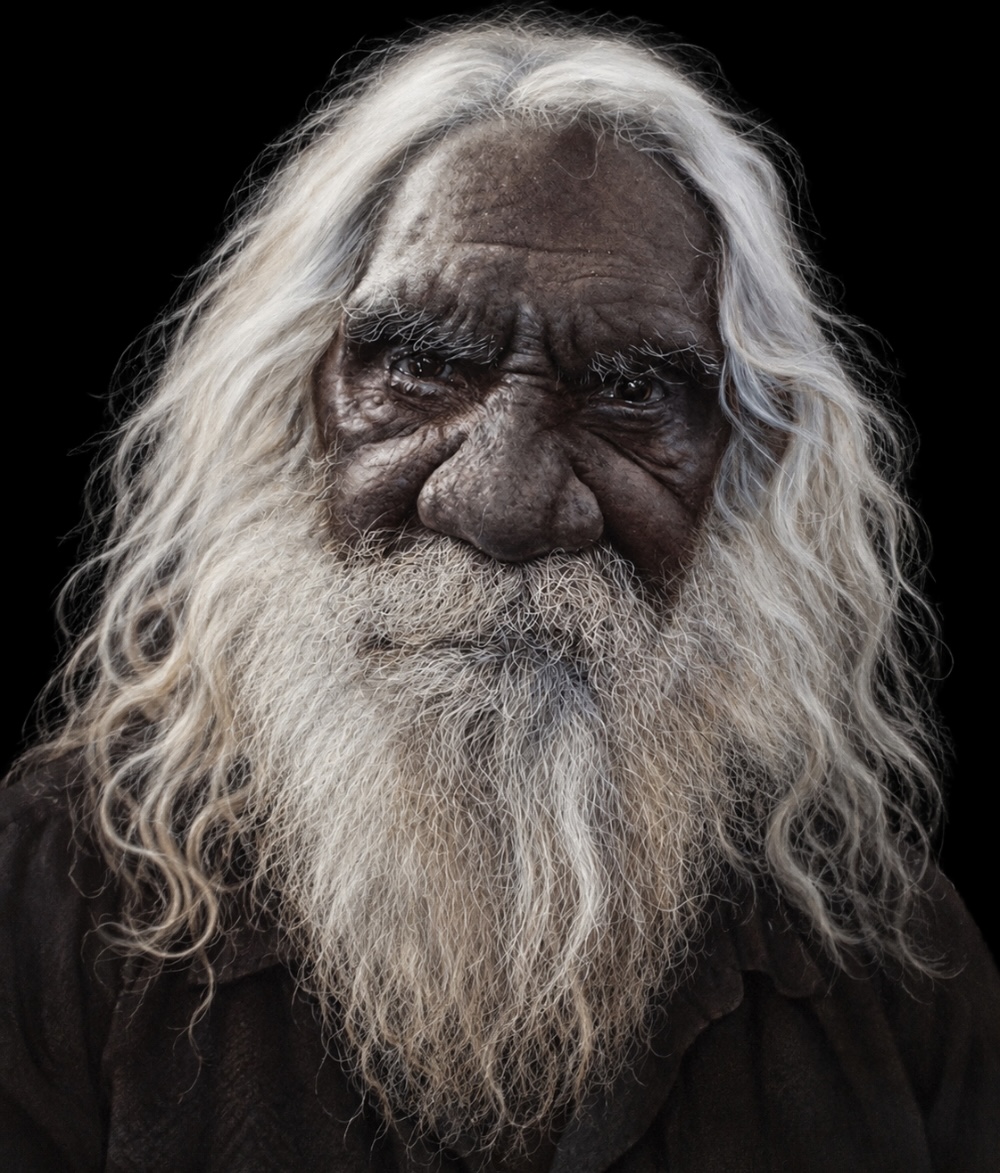
Kudditji Kngwarreye was born around 1928 at Lallguora in the Utopia region northeast of Alice Springs. An Anmatyerre man, he grew up living a traditional bush life and became a senior custodian of Country and ceremonial knowledge associated with Boundary Bore.
As a younger man, Kudditji travelled widely through Central Australia, working as a stockman and at different times in mineral and gold mines. Like many Aboriginal men of his generation, his working life away from his homelands existed alongside continuing responsibilities to Country, ceremony and family.
Emu Dreaming was particularly important. An account accompanying one of his paintings records Kudditji explaining that part of his Country was where he had learned to hunt emu. As an older man he took younger men there and passed this knowledge on, describing the Country as sacred.
Kudditji was also a skin brother of Emily Kame Kngwarreye, related to her through Anmatyerre kinship rather than by blood. Although both became major Utopia artists, Kudditji’s career and painting developed in a distinctly individual direction.
He began painting around 1986. His early works were quite different from the broad colour paintings for which he later became famous. A documented Boundary Bore, Utopia Emu Dreaming dates from 1989, and during the 1990s he continued painting Emu Dreaming alongside subjects including Yam Seed Dreaming and Men’s Business.
During the 1990s Kudditji also began experimenting with a freer and increasingly painterly approach. This did not immediately replace his established work, and for a period he continued producing detailed Emu Dreaming paintings while exploring a more reduced visual language.
From around 2003 the new direction became increasingly prominent. Detailed patterns gave way to large areas of saturated colour, developing into the mature My Country paintings now most immediately associated with Kudditji’s name.
He continued painting into old age and died in 2017.
Kudditji Kngwarreye Painting Style and Subjects
Kudditji’s paintings changed dramatically during his career, but the Country and cultural knowledge underlying them remained remarkably consistent.
His earlier paintings (mid 1990’s) contain clearly articulated designs constructed from dots, repeated marks, circles, lines and geometric arrangements. Emu Dreaming was a recurring subject, while documented works also record Yam Seed Dreaming and men’s ceremonial themes. A Yam Seed Dreaming from 1996, for example, is organised around repeated circular forms rather than the broad expanses of colour seen in his later work.
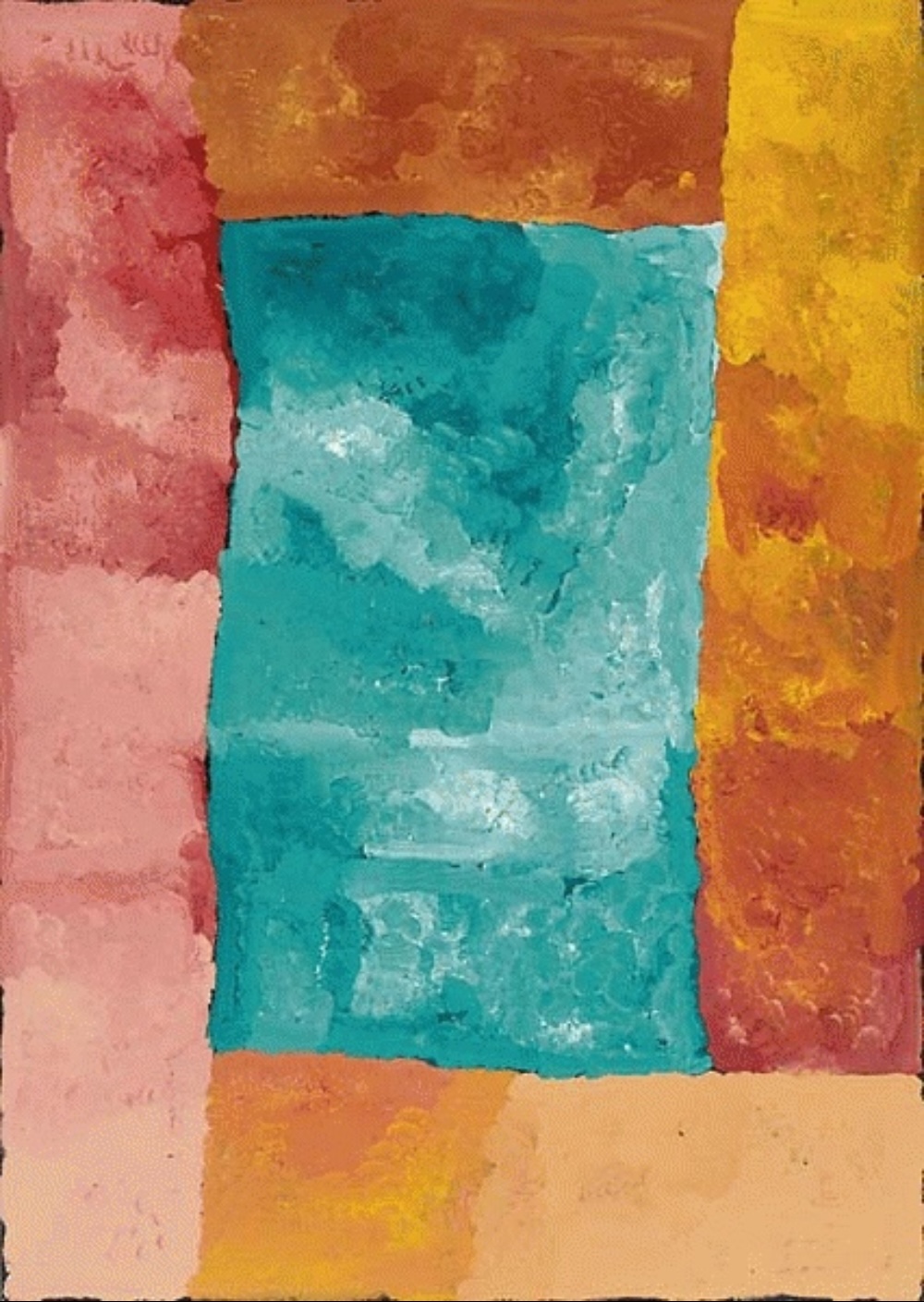
By the mid-1990s Kudditji was experimenting with a radically different way of painting. Instead of building the surface from detailed infill and repeated small marks, he increasingly worked with a heavily loaded brush, sweeping paint broadly across the canvas.
In the mature works, adjoining areas of colour provide much of the structure. Irregular rectangles, bands and expanses of pigment meet and sometimes overlap at their boundaries. Reds, pinks, oranges and ochres can dominate one painting, while another may contain intense blues, greens or purples. Variations created by the brush and the layering of pigment prevent these apparently simple areas from becoming completely flat.
My Country became the title most strongly associated with this phase. Large documented examples from 2005 and 2006 show the mature language already fully developed.
It would be misleading, however, to interpret this stylistic transformation as Kudditji abandoning his earlier subjects in favour of Western abstraction. Emu Dreaming and Boundary Bore continued to occur in his later work. A documented Emu Country, Boundary Bore dates from 2012.
Kudditji Kngwarreye value artworks and auction results
Works Offered at Auction: 420
Sale Rate: 56%
Highest Sale: $16,000 AUD
Median Sale Price: $1,250 AUD
For individual artwork provenance size and auction results please see the support page (Not yet constructed)
Kudditji Kngwarreye in Public Collections
Kudditji Kngwarreye’s paintings are held in several Australian public and institutional collections. The Art Gallery of South Australia holds examples of his mature My Country paintings, while the Araluen Art Collection in Alice Springs includes a large My Country from 2004.
His work is also recorded in the collections of Artbank and Macquarie University. Together, these holdings reflect the institutional recognition of Kudditji’s distinctive contribution to Utopia and contemporary Aboriginal art.
All images featured in this article are presented strictly for educational and informational purposes.
This website may include copyrighted material for which specific authorization has not been obtained from the copyright owner.
All such images are presumed to be the intellectual property of the respective artist or their estate, and are used in accordance with principles of fair dealing or fair use under applicable copyright law.