
Aboriginal Weapons Value — Expert Guide to Pricing, Appraisal and Market Trends
Determining Aboriginal weapons value is a highly specialised field requiring careful assessment, cultural understanding, and direct comparison with known sales results. Values can range widely—from modest examples worth around twenty dollars to rare and important pieces exceeding sixty thousand. Achieving an accurate valuation is essential, particularly in a market where quality and authenticity vary significantly.
Many general auctioneers do not possess the depth of expertise required for accurate Aboriginal weapon appraisal. A large proportion of material on the market today consists of later-made pieces produced for the tourist trade, particularly from the mid-20th century. During the 1960s, mission settlements often encouraged the production of weapons for sale, resulting in a substantial number of decorative or non-utilitarian objects. These pieces, while culturally interesting, typically hold lower market value.
If you are seeking an Aboriginal weapons valuation, clear images of the front and back of the object are often sufficient for an initial assessment. With access to a database of past sales, it is possible to compare your piece against similar examples and establish a reliable estimate of value.
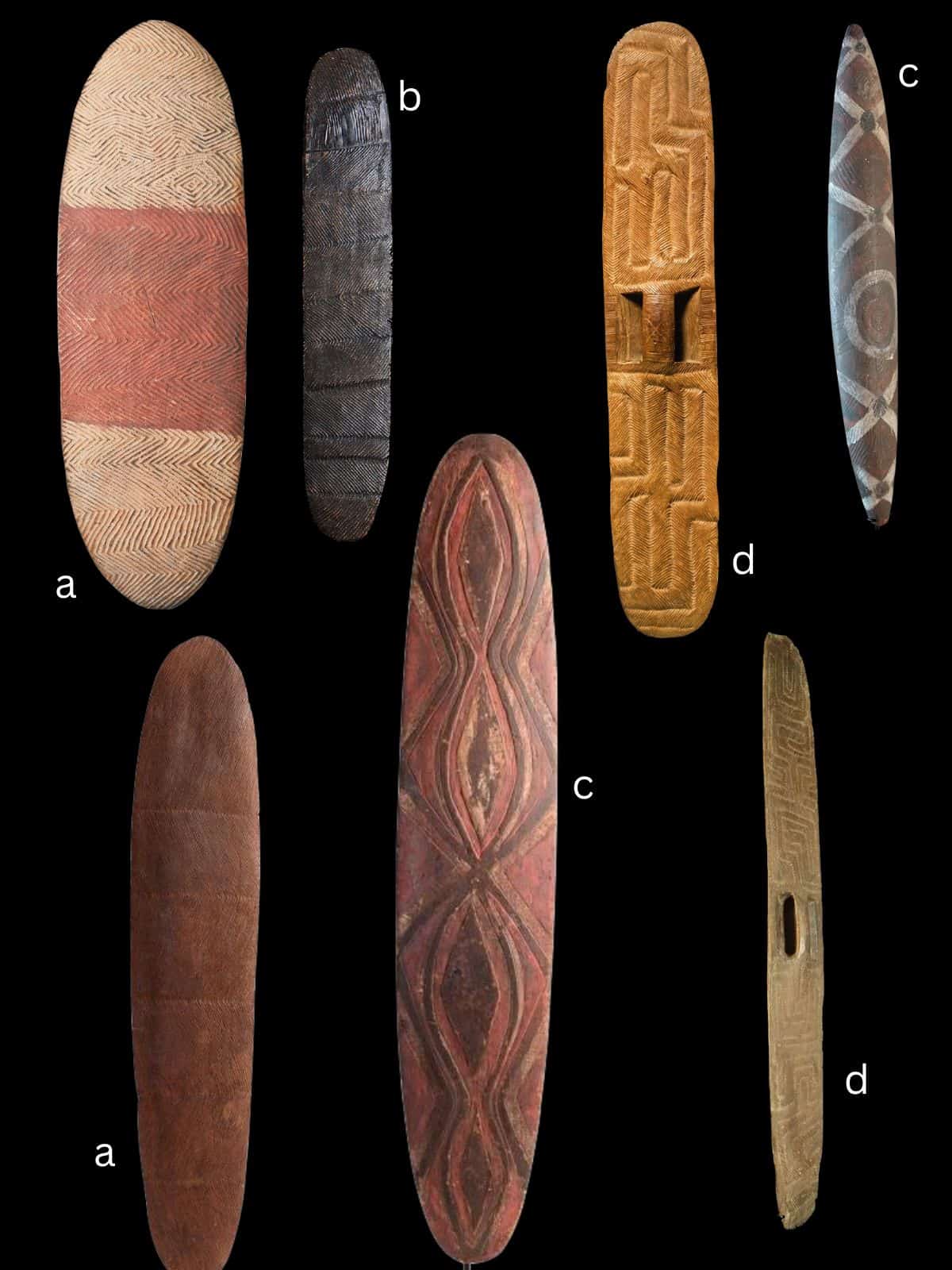
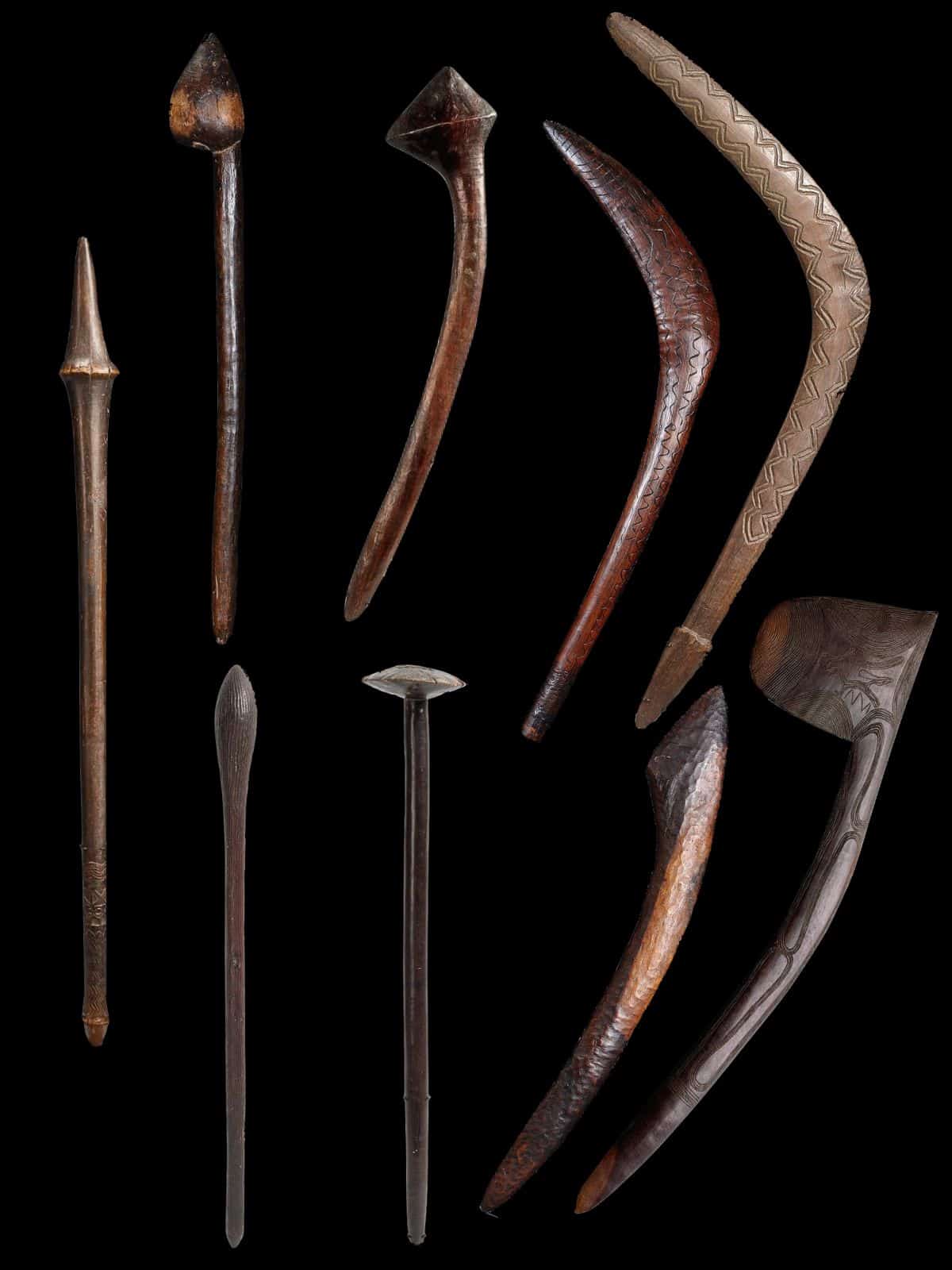
Key Factors That Influence Aboriginal Weapons Value
The value of Aboriginal weapons is shaped by several critical factors:
Age and Evidence of Use
Older weapons, particularly those that show clear signs of indigenous use, are significantly more desirable. Surface wear, patina, and evidence of handling can indicate authenticity and cultural function, enhancing overall value.
Rarity and Regional Type
Certain weapon types—such as shields, clubs, spears, and boomerangs—vary widely in rarity depending on region and form. Some are relatively common, even when old, while others are scarce and highly sought after. This rarity plays a central role in determining Aboriginal weapons prices.
Condition and Aesthetic Appeal
Condition is important, though not always in the conventional sense. While structural integrity is essential, visual strength, balance, and surface character often carry equal or greater weight. A well-proportioned and visually striking weapon will typically command stronger interest.
Market Location and Buyer Access
Where a weapon is sold has a direct impact on realised value. Aboriginal weapons sold in Australia generally achieve stronger results than those offered in overseas markets such as the United States or United Kingdom. International buyers are often deterred by freight costs, customs requirements, and logistical complexities.
Auction Outcomes and Market Behaviour
Weapons offered at the right auction in Australia may achieve strong results, but outcomes can vary. Pieces that fail to meet reserve are often perceived by collectors as less desirable, which can influence future sale potential. The market remains selective, with quality, provenance, and presentation playing decisive roles.
Professional Aboriginal Weapon Valuation
For insurance, estate planning, or formal documentation, a certified Aboriginal weapon valuation is recommended. This process involves detailed analysis, supported by market data, comparative sales, and, where possible, provenance research.
Buying and Selling Aboriginal Weapons
When acquiring Aboriginal weapons, dealers typically operate with margins reflecting risk and liquidity. Lower-value or more difficult-to-sell pieces require a higher margin, while rare, high-quality examples with strong demand may be acquired closer to full market value. Exceptional works—particularly those of personal collecting interest—may justify paying established market prices.
Request an Aboriginal Weapons Value Assessment
Each weapon must be considered individually. Variations in age, region, material, and use can significantly influence value. I am always pleased to review material and provide informed guidance on Aboriginal weapons value.
If researching a specific weapon type, it is often worthwhile consulting dedicated resources. For example, Queensland shields or South East Australian clubs each have distinct characteristics and market benchmarks that can assist in more precise valuation.
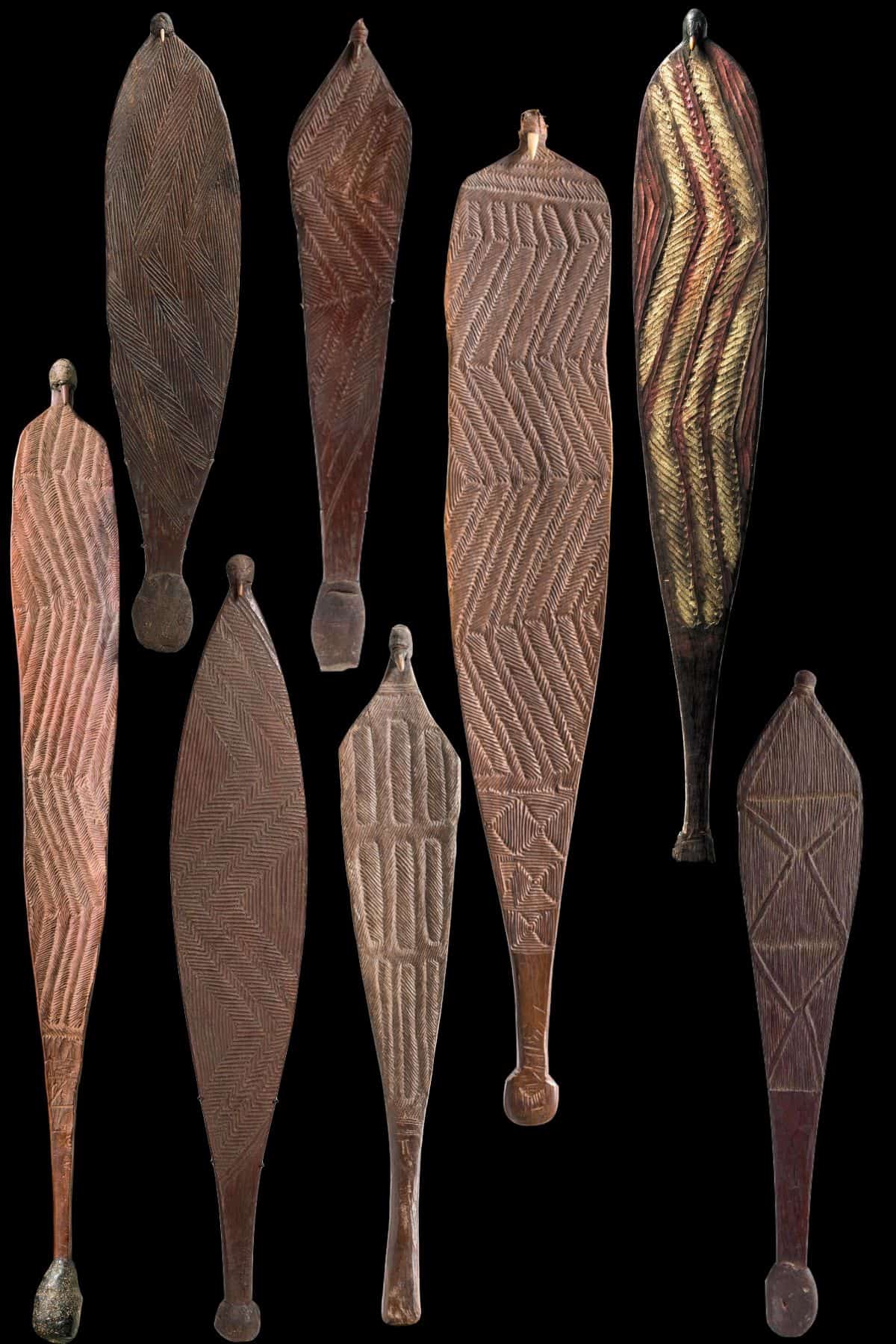
All images featured in this article are presented strictly for educational and informational purposes.
This website may include copyrighted material for which specific authorization has not been obtained from the copyright owner.
All such images are presumed to be the intellectual property of the respective artist or their estate, and are used in accordance with principles of fair dealing or fair use under applicable copyright law.