Papunya Art and the Origins of Western Desert Painting
Papunya Art began in 1971 at the Central Australian settlement of Papunya, where Aboriginal men from several desert communities began painting ancestral stories and ceremonial designs using modern materials. Their work established the Papunya painting movement, which became the foundation of contemporary Western Desert Art and one of the most influential developments in Australian art history.
The earliest paintings, now widely known as Papunya Boards, were created on composition board and other readily available materials before canvas became the principal painting surface. These early works are particularly significant for their experimental compositions, strong ceremonial associations and direct connection to the movement’s beginnings.
Papunya Art is best understood as a historical movement rather than a single artistic style. Artists brought together different Central Australian cultural traditions, drawing upon established practices of sand painting, body painting, decorated ceremonial objects and ancestral iconography. Concentric circles, travelling lines, animal tracks and other Aboriginal symbols were adapted into paintings that represented ancestral journeys, significant places and relationships to Country. The meanings of these designs varied according to the artist, subject and cultural tradition.
Although Papunya is often associated with Aboriginal dot painting, many early works employed bold lines, figurative elements and geometric designs with relatively little dotting. The development of distinctive painting approaches among its artists helped establish a movement whose influence eventually extended across the Western and Central Deserts.
Papunya Artists
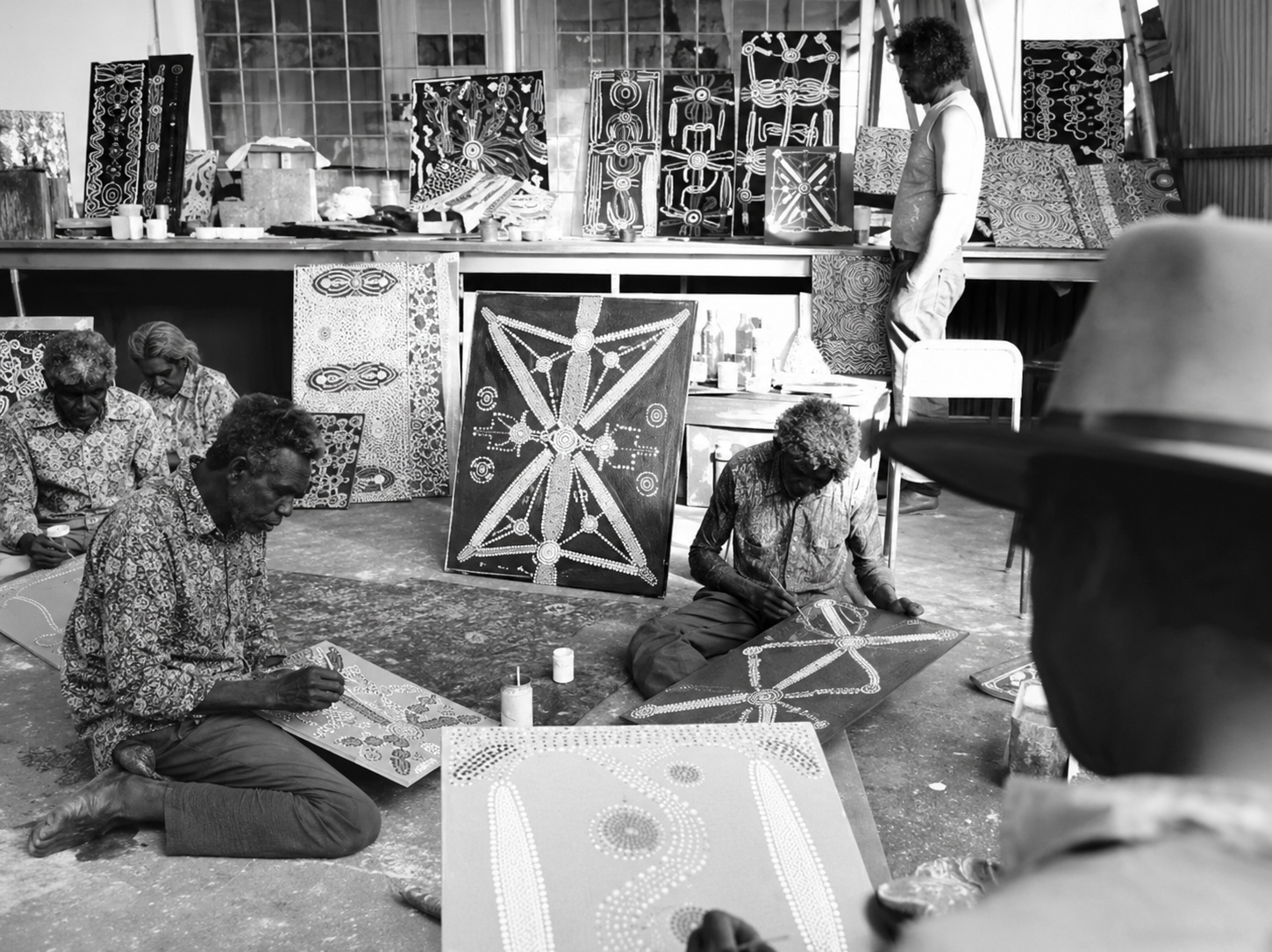
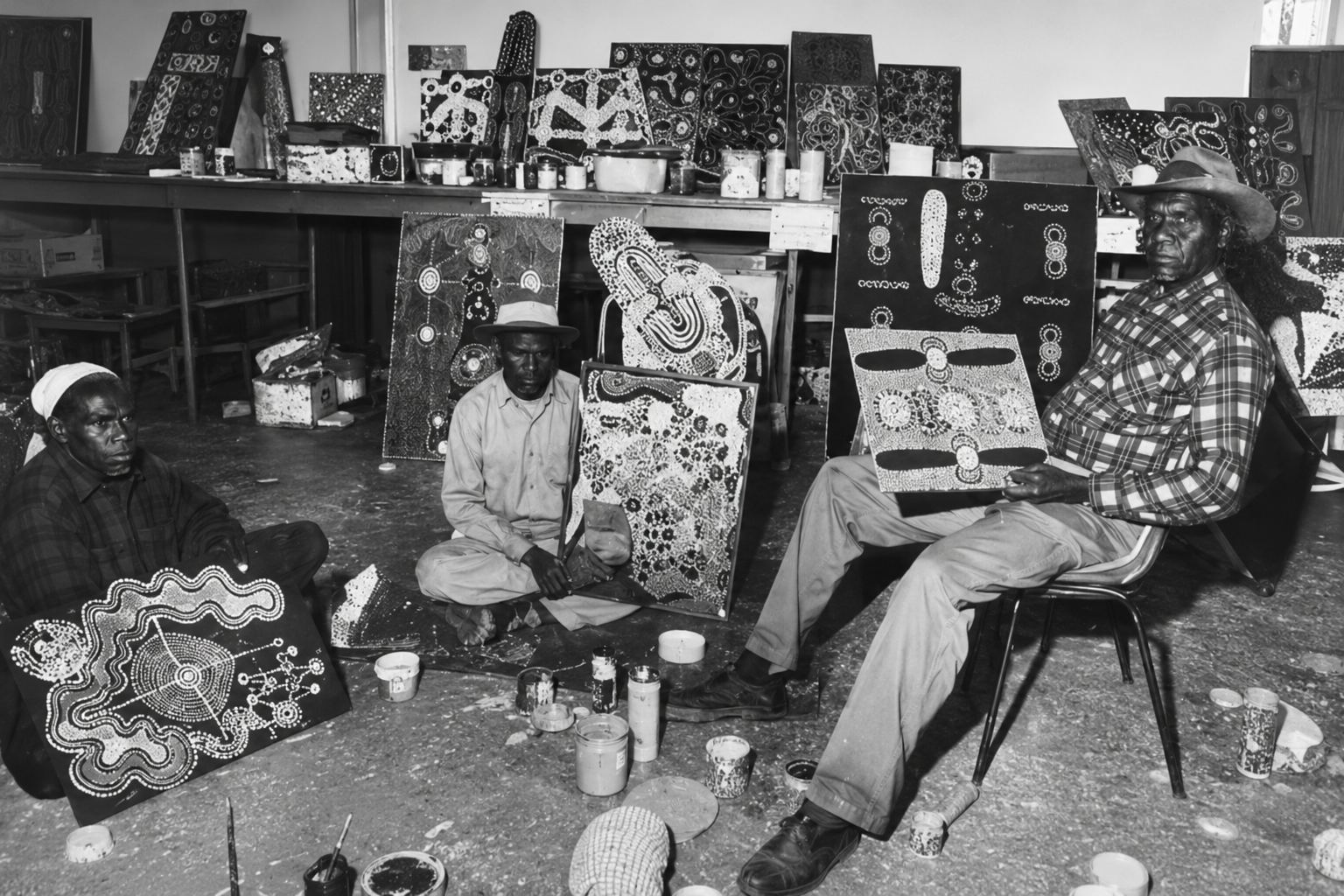
The artists who established the Papunya painting movement belonged to several Aboriginal peoples, including the Pintupi, Luritja, Warlpiri, Anmatyerre and Arrernte. They came together at Papunya, a government settlement established in 1959, rather than belonging to a single artistic or cultural community.
Many had grown up on their traditional lands before moving or being relocated to settlements. They brought intimate knowledge of their ancestral Country, ceremonial responsibilities and artistic traditions inherited over generations.
Papunya was the place where these artists came together, not the origin of the traditions they painted. Although working alongside one another, they developed distinctive artistic approaches reflecting their different cultural backgrounds, ancestral stories and personal experiences
Major Papunya Artists
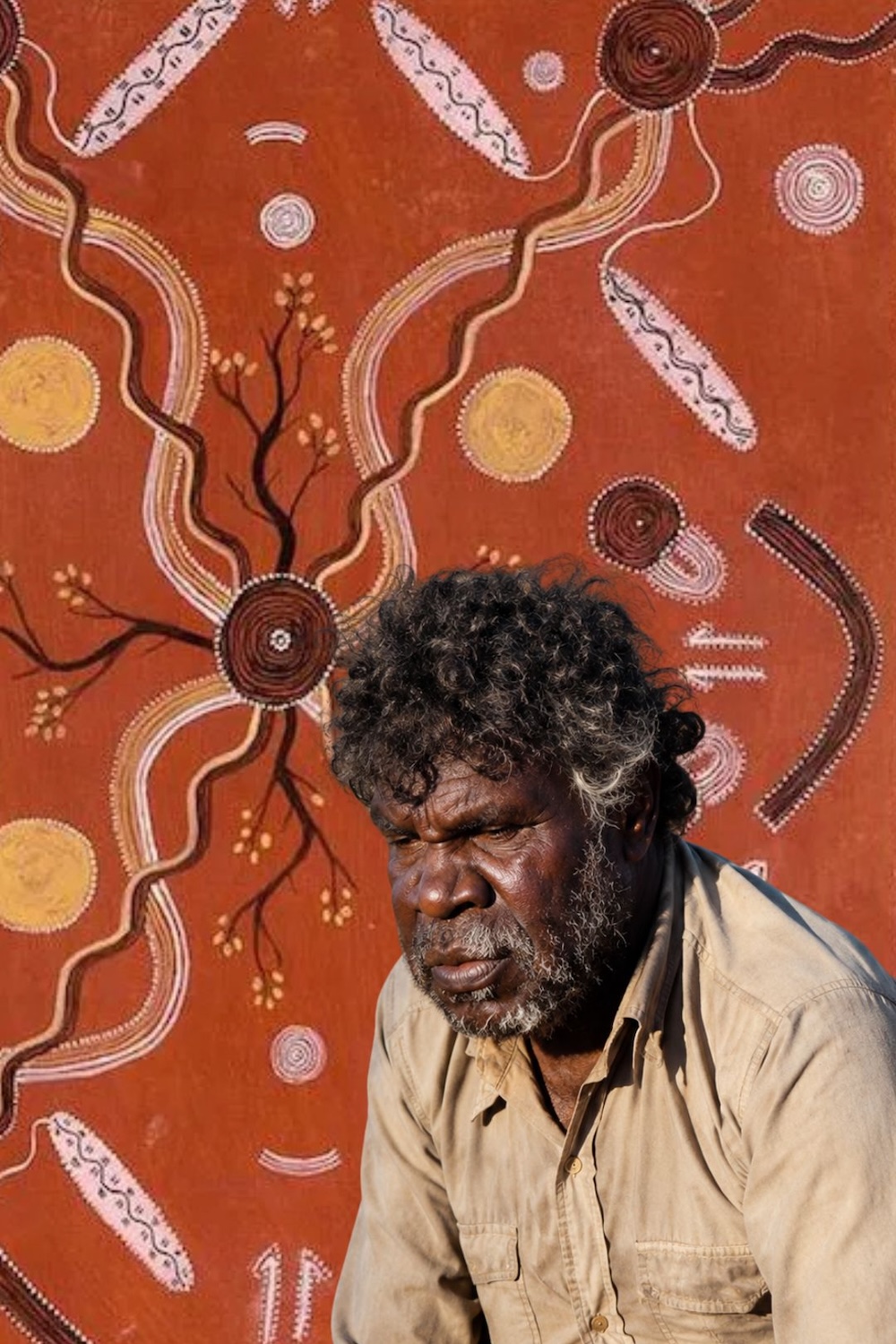
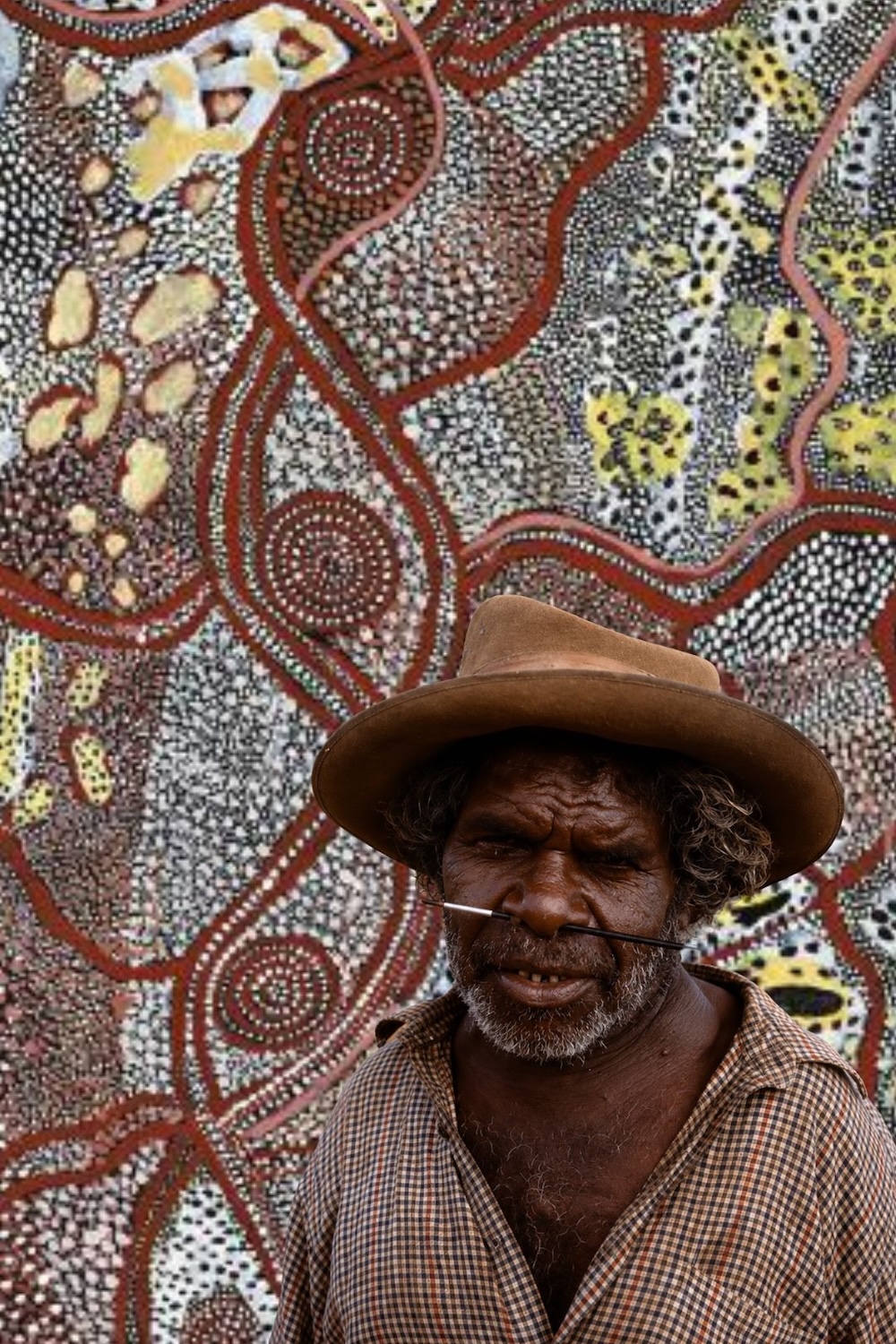
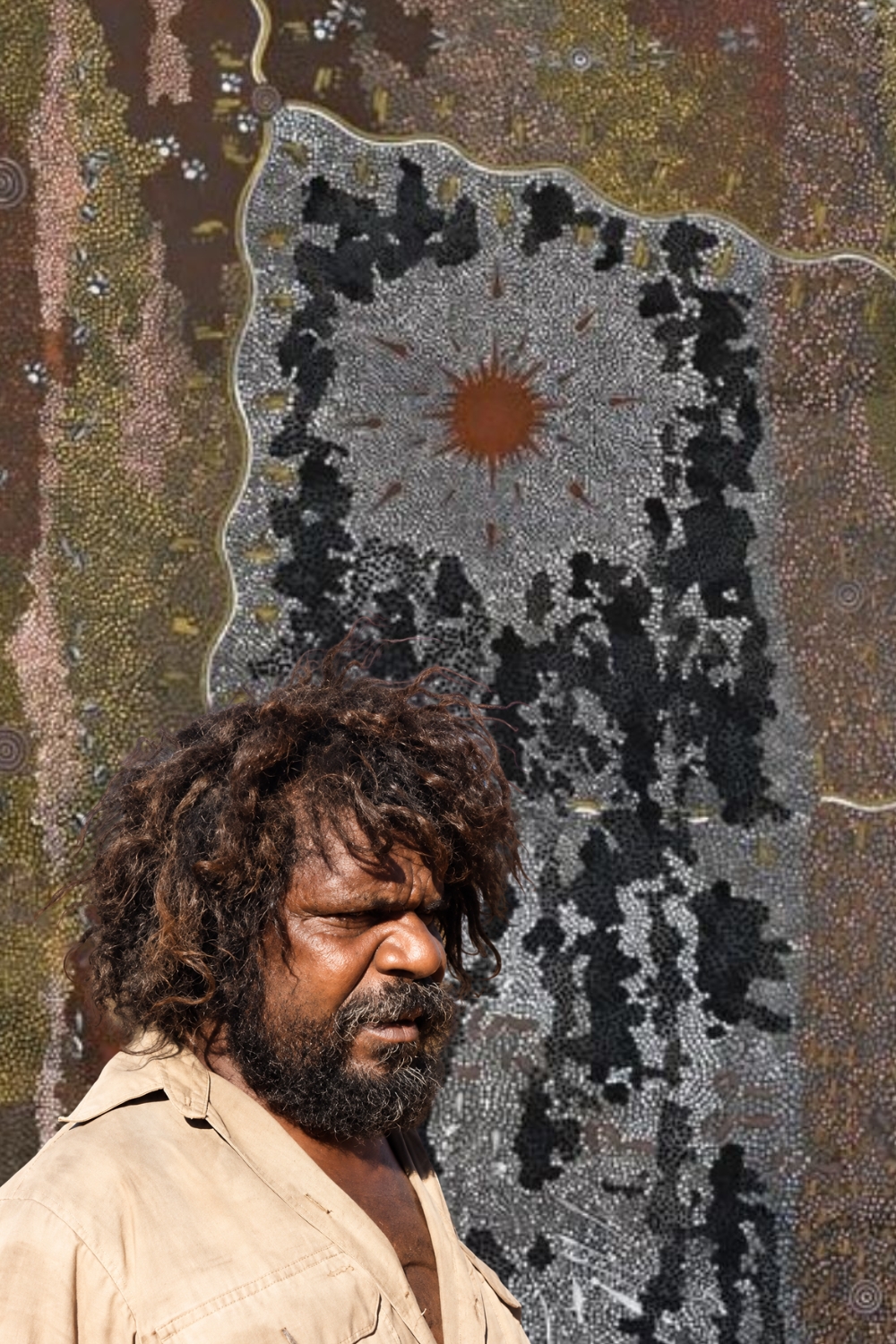
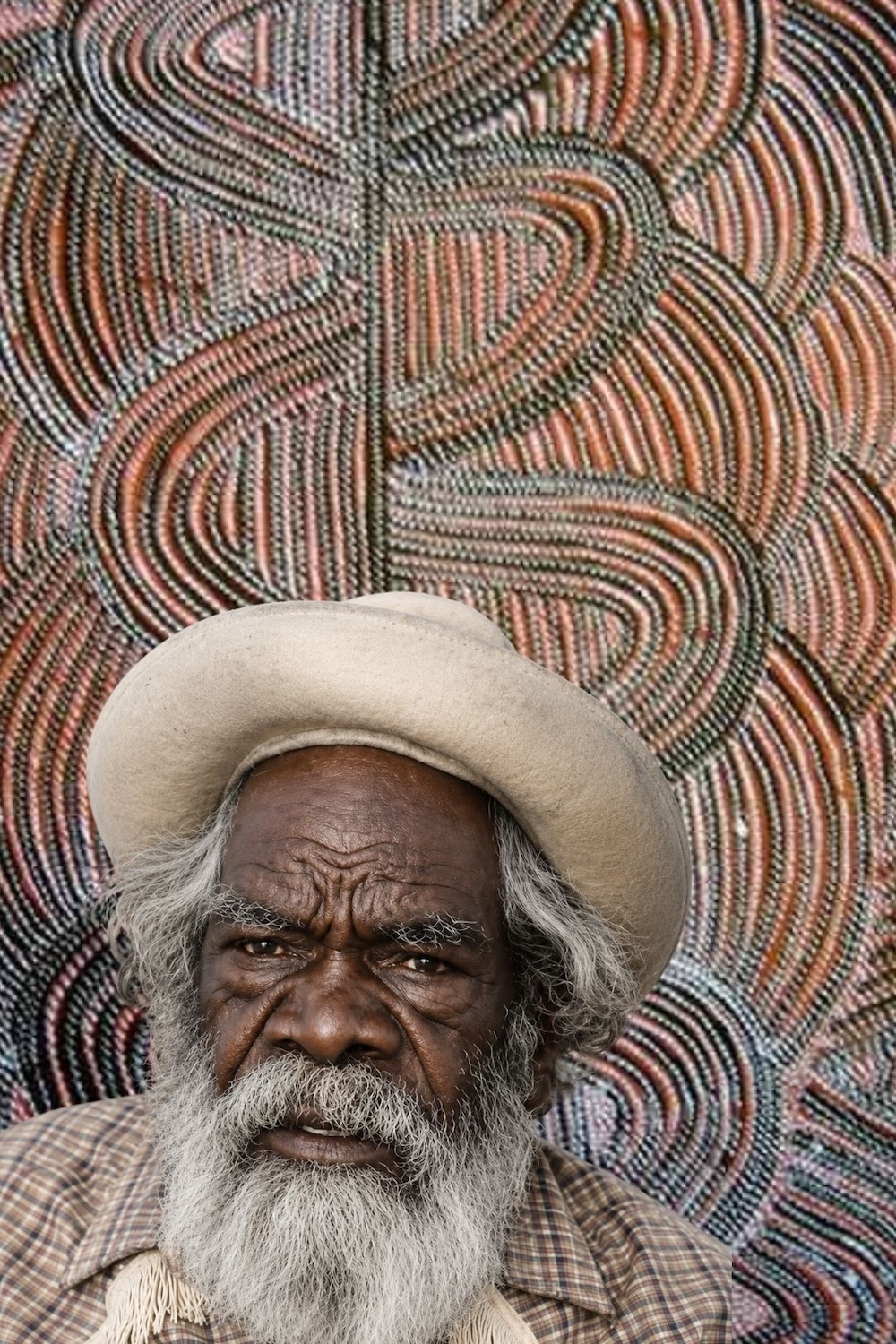
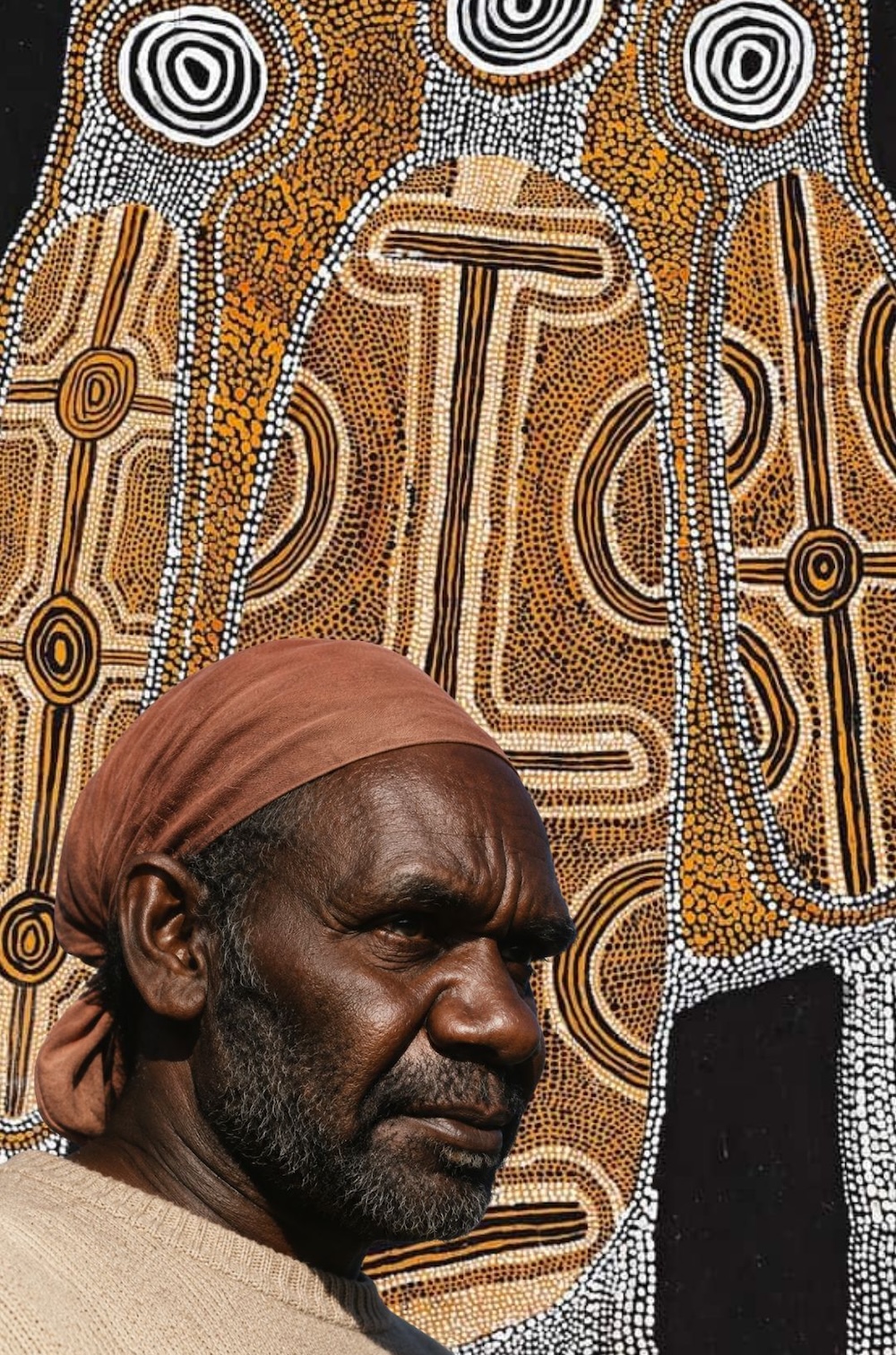
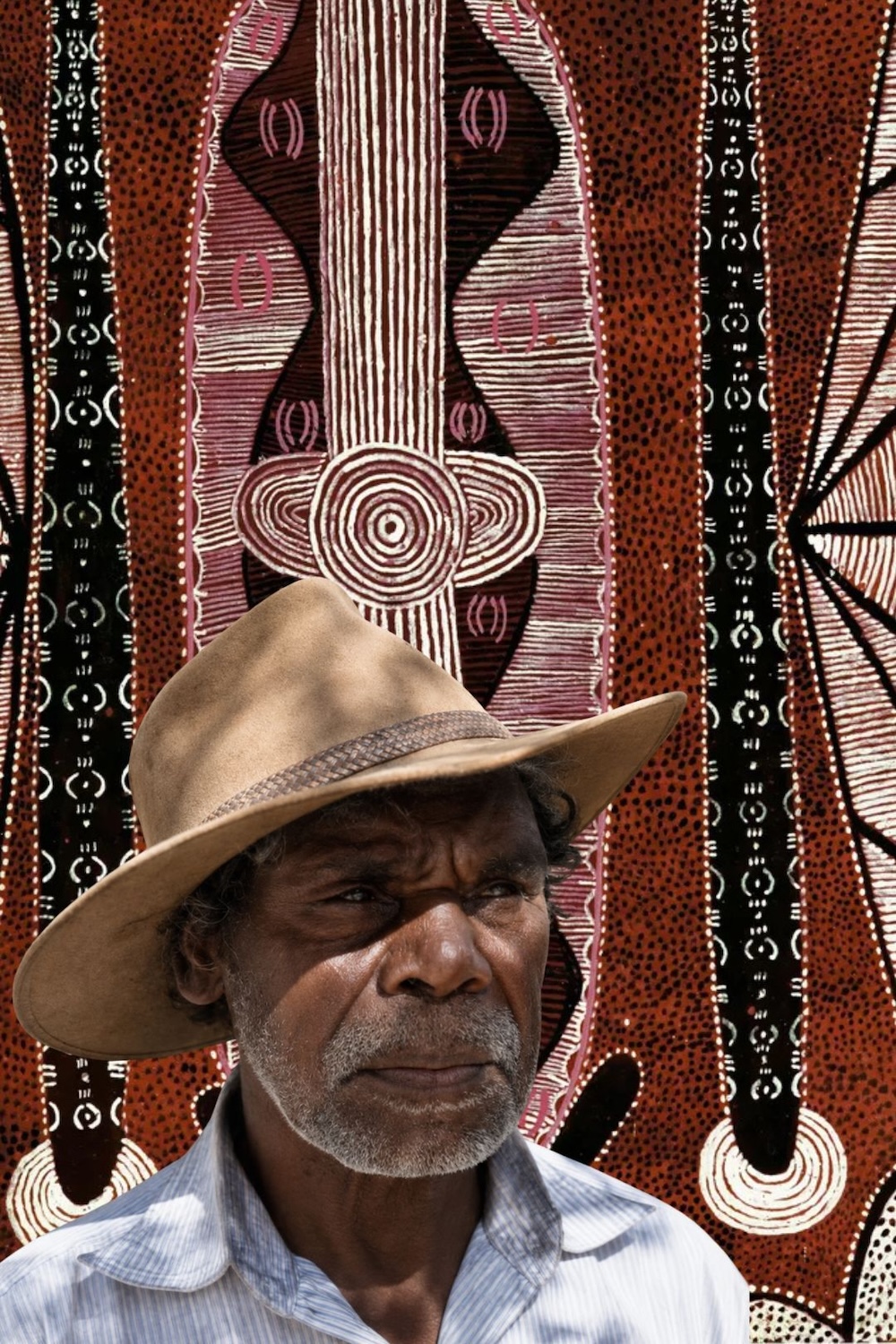
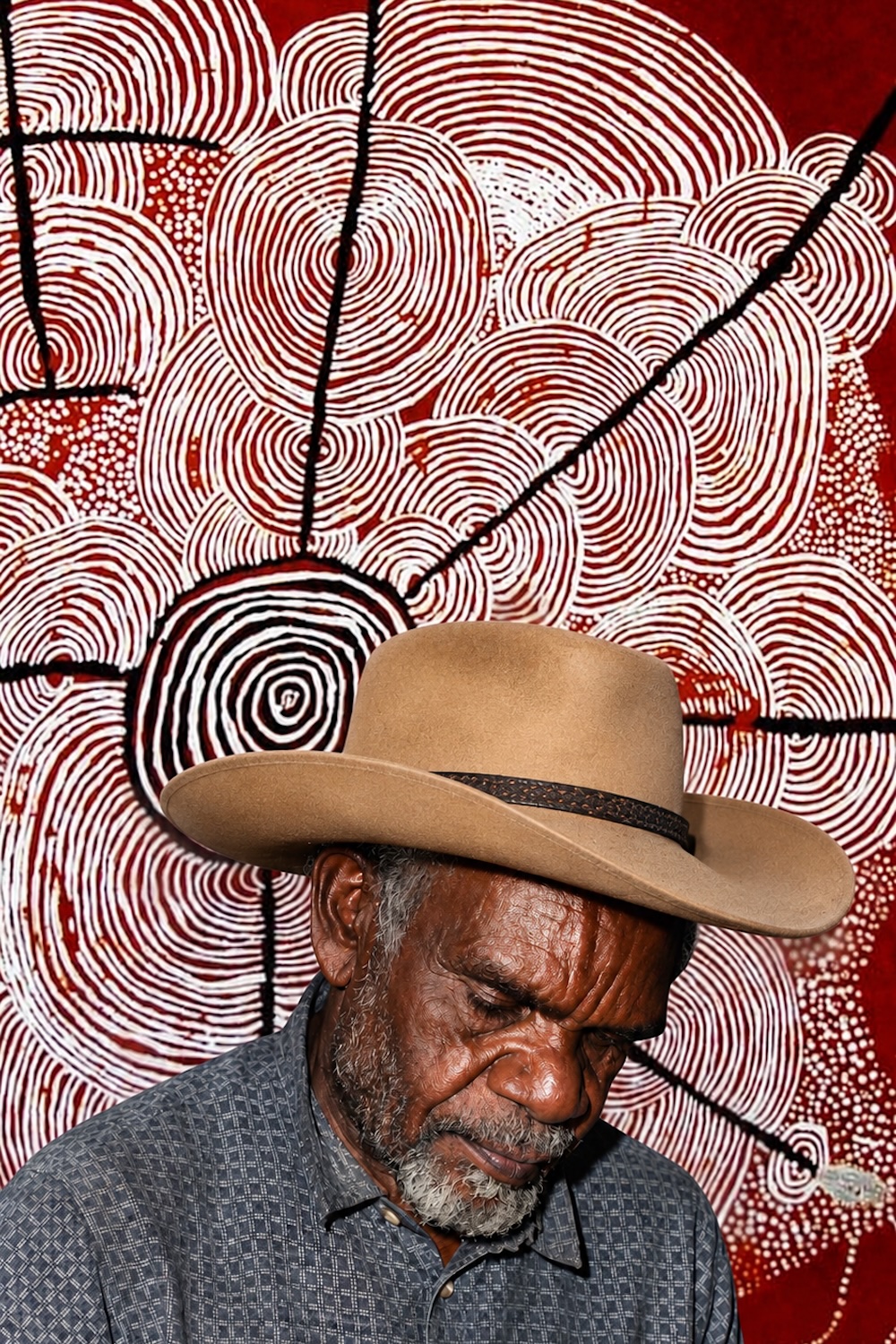
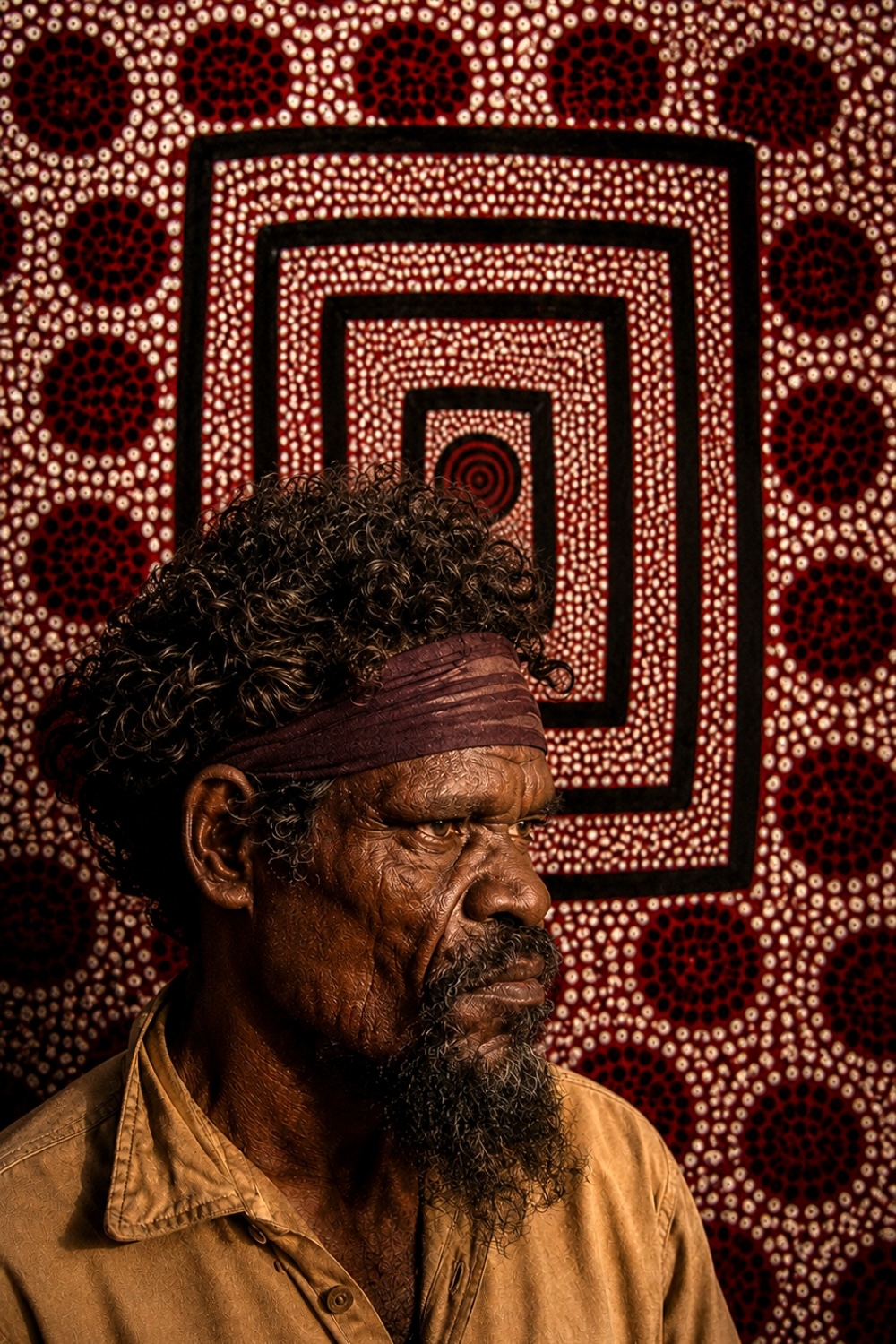
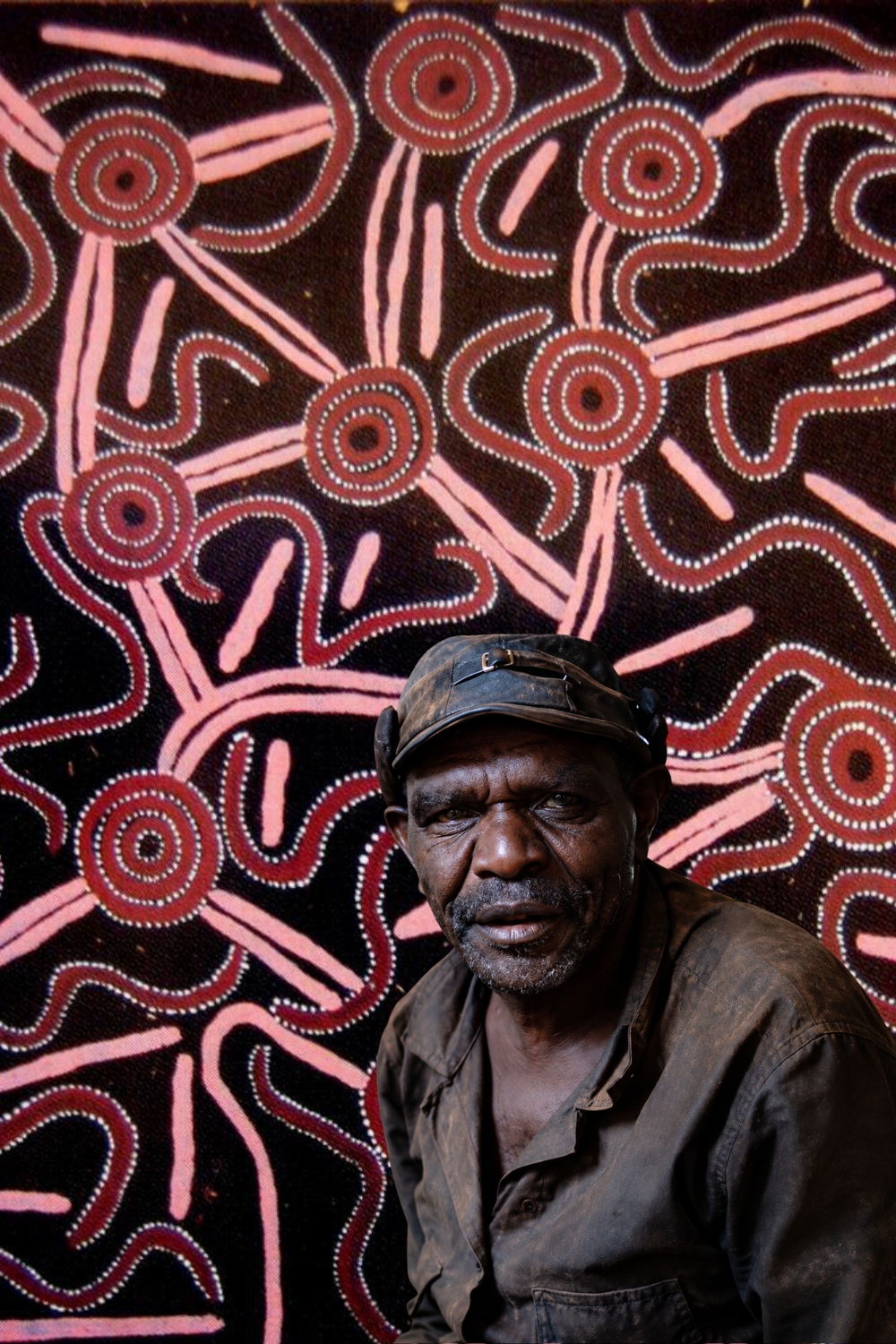
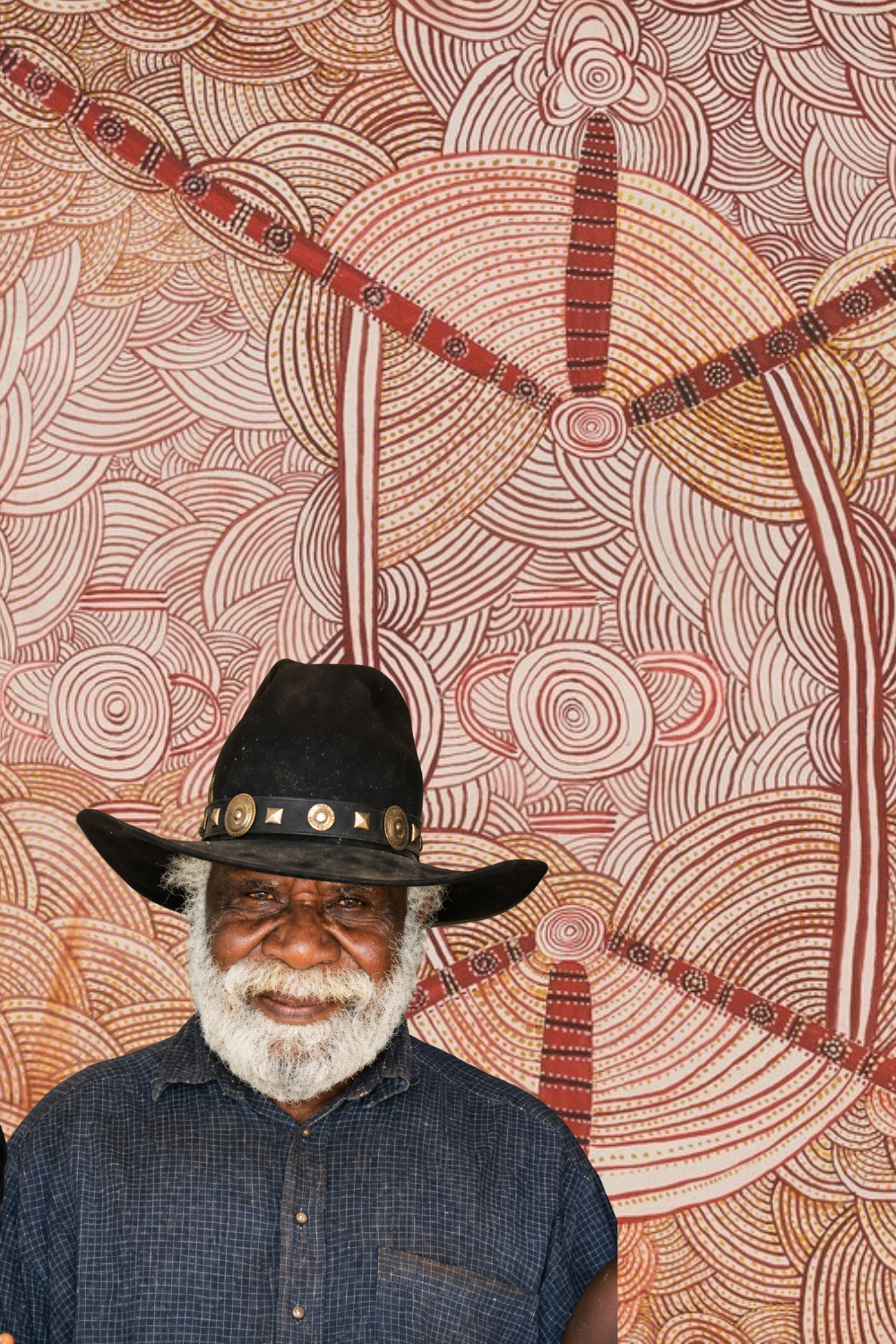
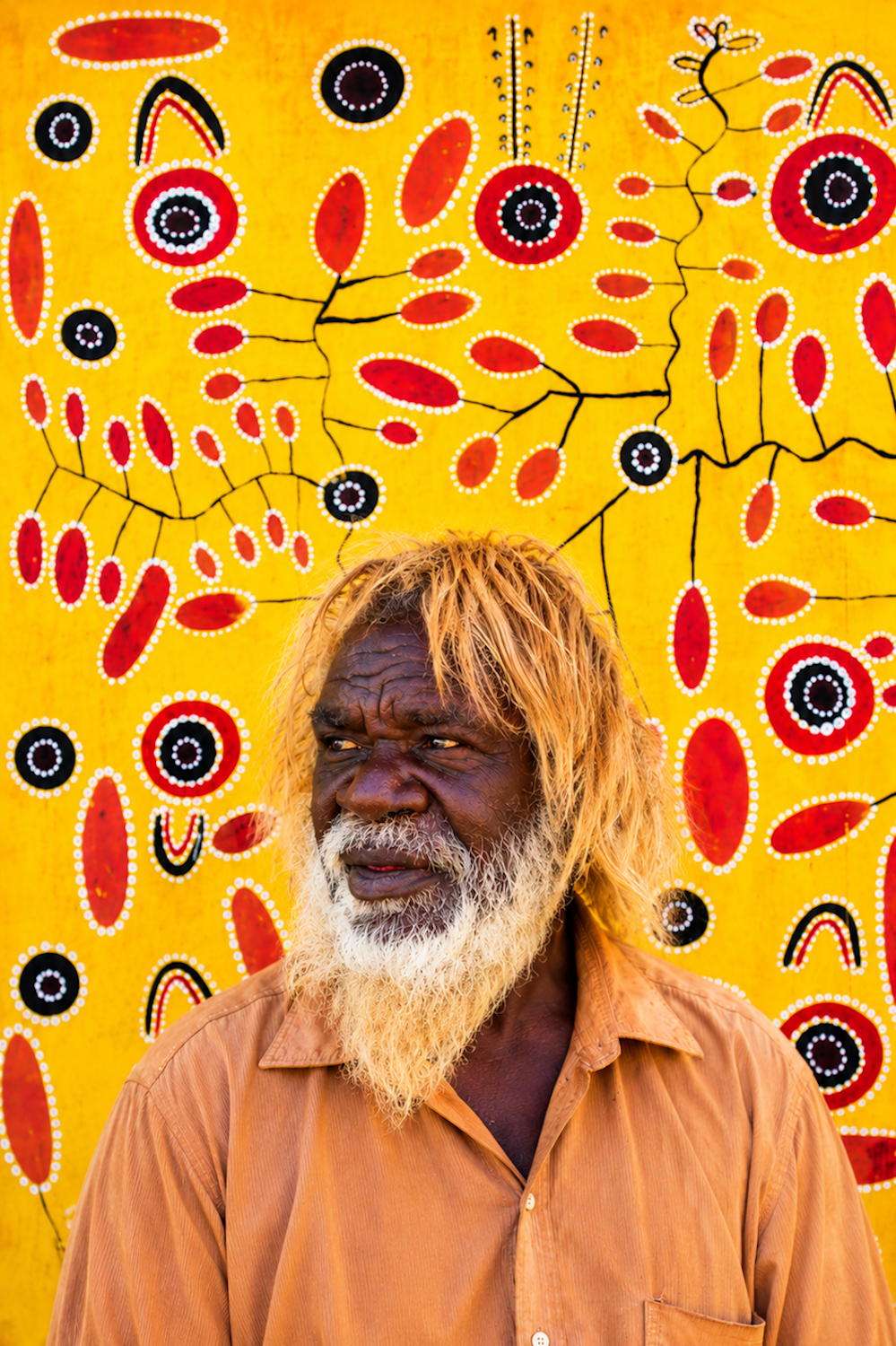
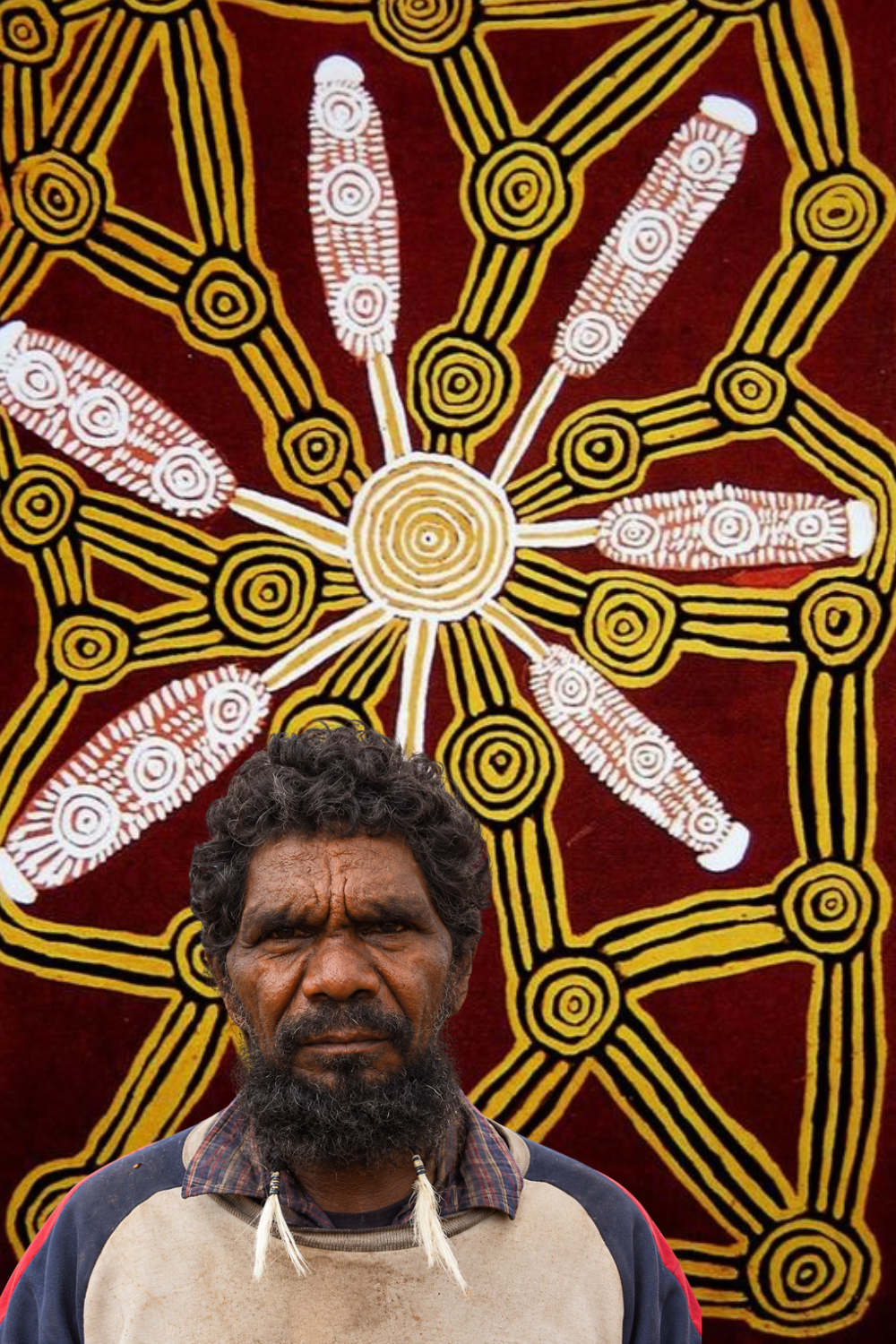
Early Papunya Artists – Historical Register
| Artist | Cultural affiliation | Born–died |
|---|---|---|
| Anatjari Tjakamarra | Pintupi | c.1930–1992 |
| Billy Stockman Tjapaltjarri | Anmatyerre / Arrernte | c.1927–2015 |
| Charlie Egalie Tjapaltjarri | Warlpiri | c.1938–2002 |
| Charlie Tawara Tjungurrayi | Pintupi | c.1920–1999 |
| Clifford Possum Tjapaltjarri | Anmatyerre / Arrernte | c.1932–2002 |
| David Corby Tjapaltjarri | Warlpiri | c.1945–1980 |
| Dinny Nolan Tjampitjinpa | Anmatyerre / Arrernte | c.1922–? |
| Don Ellis Tjapanangka | Anmatyerre / Arrernte | c.1928–1976 |
| Freddie West Tjakamarra | Pintupi | c.1935–1994 |
| George Tjangala | Pintupi | c.1925–1989 |
| Harry Tjangala | Anmatyerre / Arrernte | c.1917–? |
| John Tjakamarra | Pintupi | c.1935–2002 |
| Johnny Lynch Tjapangati | Anmatyerre / Arrernte | c.1922–1981 |
| Johnny Scobie Tjapanangka | Pintupi | c.1935–1999 |
| Johnny Warangkula Tjupurrula | Luritja | c.1924–2001 |
| Kaapa Mbitjana Tjampitjinpa | Anmatyerre / Arrernte | c.1925–1989 |
| Kingsley Tjungurrayi | Anmatyerre / Arrernte | c.1935–? |
| Limpin Pungtungka Tjapangati | Anmatyerre / Arrernte | c.1930–1985 |
| Long Jack Phillipus Tjakamarra | Luritja | c.1932–2020 |
| Mick Namarari Tjapaltjarri | Pintupi | c.1926–1998 |
| Michael Tommy Tjapangati | Anmatyerre / Arrernte | c.1960–? |
| Noongie nosepeg Tjupurrula | Pintupi | c.1915–1990 |
| Old Mick Tjakamarra | Anmatyerre / Arrernte | c.1905–1996 |
| Old Tutuma Tjapangati | Pintupi | c.1908–1987 |
| Old Walter Tjampitjinpa | Pintupi | c.1912–1981 |
| Ronnie Tjampitjinpa | Pintupi | c.1943– |
| Ross Davis | Arrernte | c.1930–? |
| Shorty Lungkarta Tjungurrayi | Pintupi | c.1920–1987 |
| Tim Leura Tjapaltjarri | Anmatyerre / Arrernte | c.1929–1984 |
| Timmy Payungka Tjapangati | Pintupi | c.1940–2000 |
| Toby Tjangala | Arrernte / Warlpiri | c.1930–? |
| Tommy Tickwan Tjapaltjarri IV | Pintupi | c.1935–1987 |
| Tommy Tolson Tjupurrula | Pintupi | c.1942–2001 |
| Turkey Tolson Tjupurrula | Pintupi | c.1938–2001 |
| Uta Uta Tjangala | Pintupi | c.1926–1990 |
| Yala Yala Gibbs Tjungurrayi | Pintupi | c.1928–1998 |
What Is Papunya?
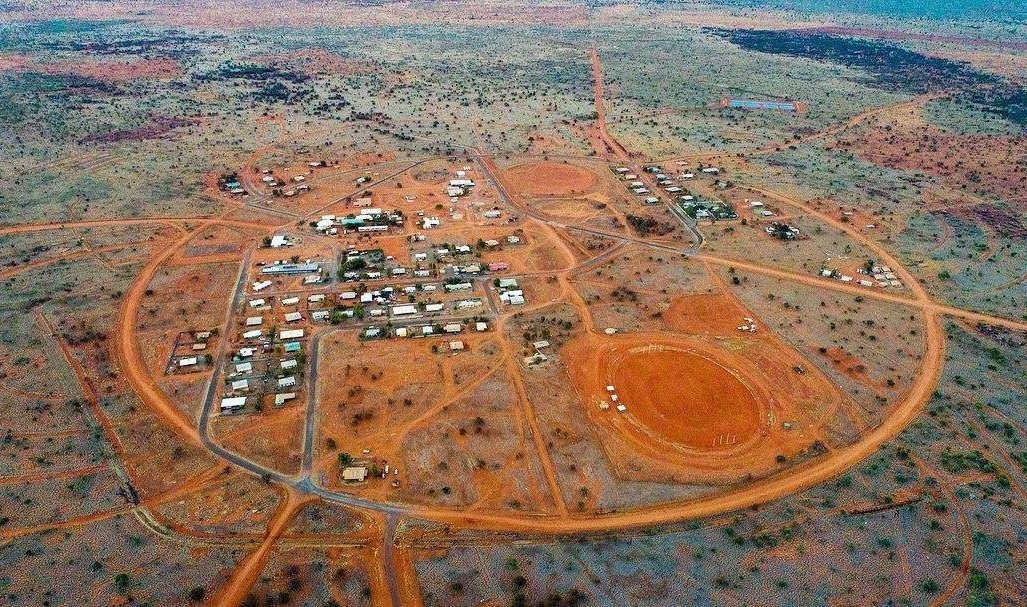
Papunya is a remote Aboriginal community approximately 240 kilometres north-west of Alice Springs in Central Australia. Established by the Australian government in 1959, it brought together Aboriginal people from different traditional lands, including Pintupi, Luritja, Warlpiri, Anmatyerre and Arrernte peoples.
Many residents had been displaced from their ancestral lands through government settlement policies, creating a community of people with different languages, ceremonial traditions and cultural responsibilities.
Although Papunya itself was a relatively new settlement, the artistic and ceremonial traditions its residents brought with them were generations old. It was this unusual gathering of different desert cultures that provided the setting for the Papunya painting movement beginning in 1971.
The Origins of Papunya Painting
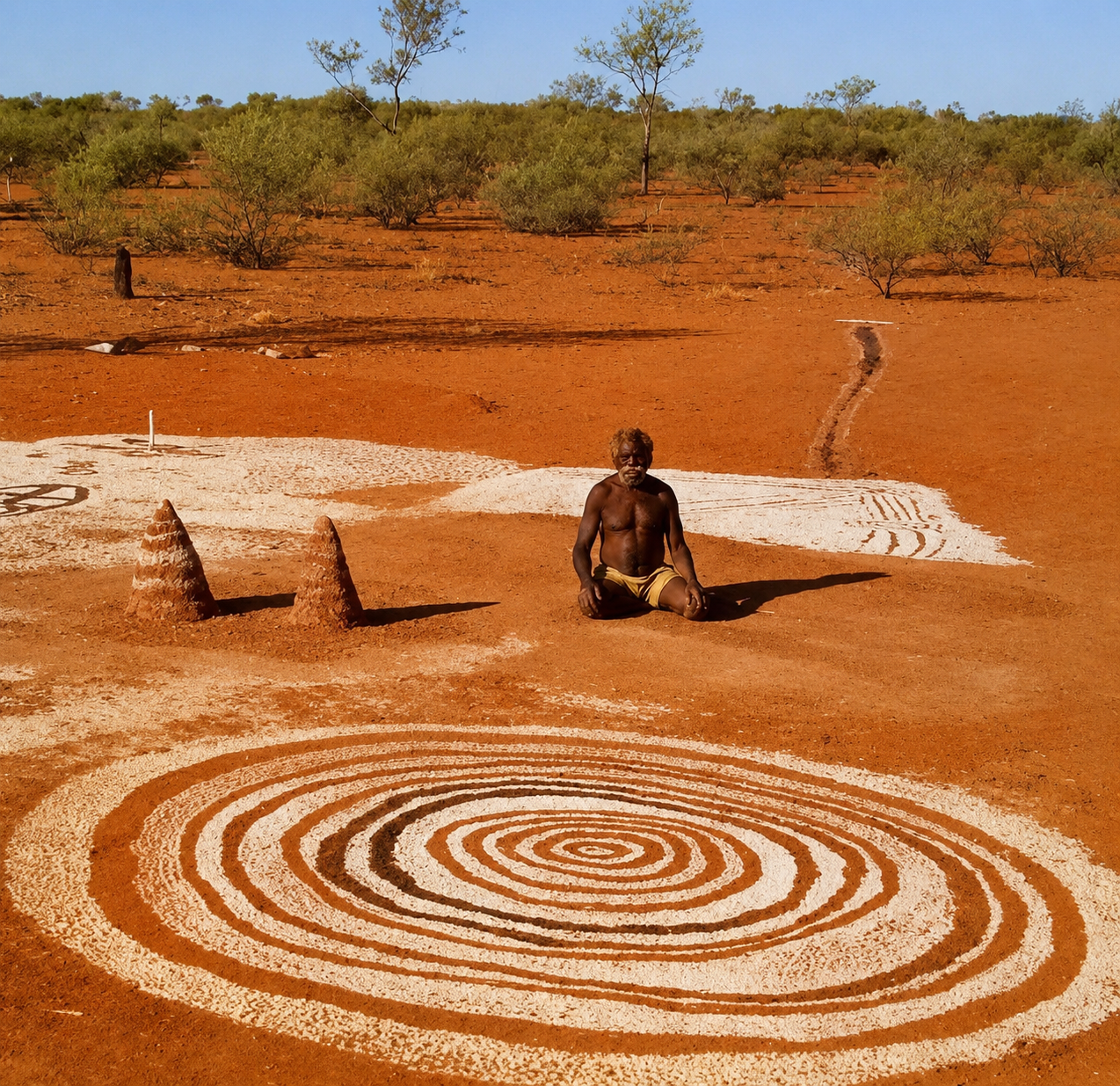
The Papunya painting movement emerged from artistic traditions that long predated the settlement itself. Across Central Australia, ancestral narratives and ceremonial knowledge were expressed through body painting, sand mosaics, decorated sacred objects and rock art.
Many of the concentric circles, travelling lines and other motifs found in early Papunya paintings were already part of established ceremonial traditions, including designs associated with carved sacred objects known as tjurunga.
The innovation at Papunya was not the invention of these designs, but their transformation into a new form of contemporary painting using acrylic paint and commercially manufactured supports.
Geoffrey Bardon and the Papunya School
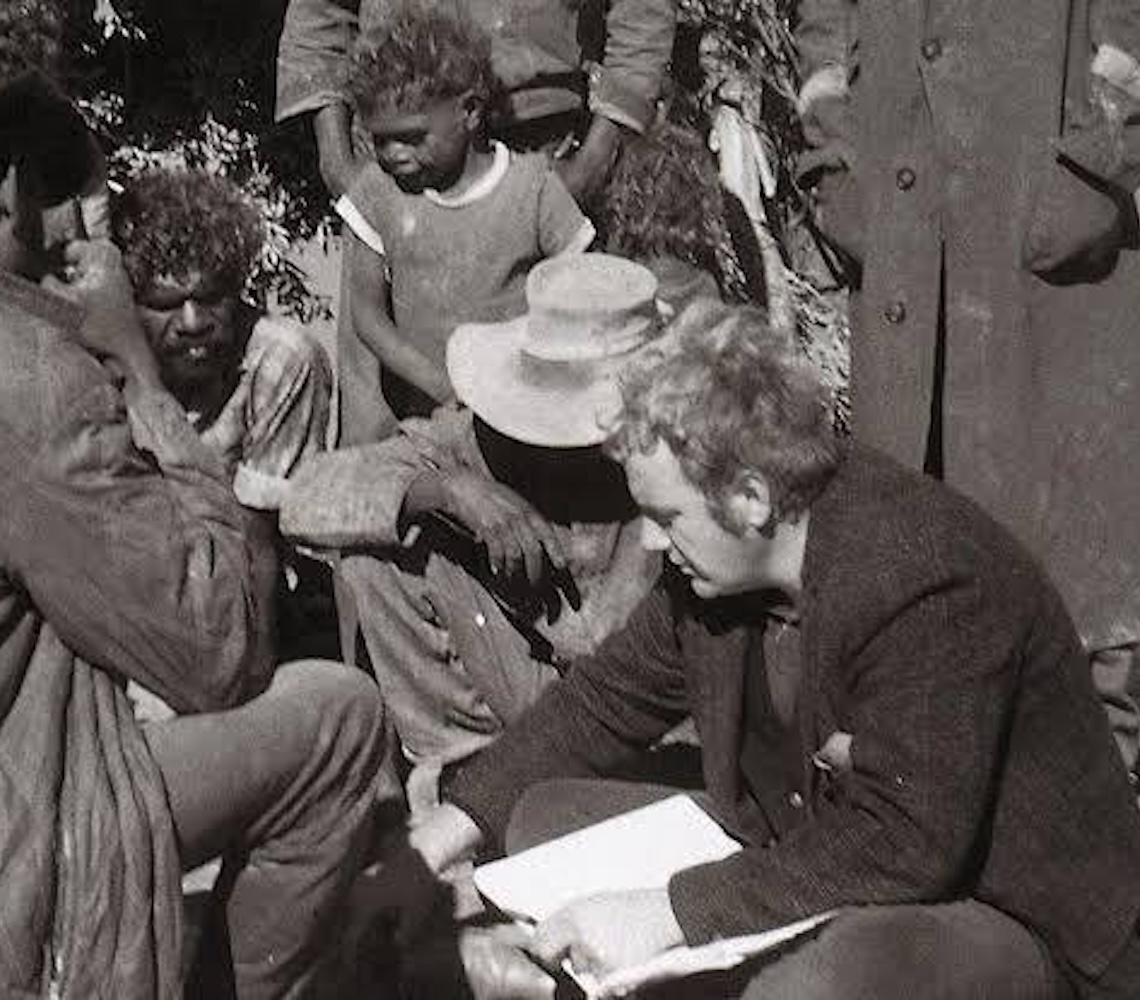
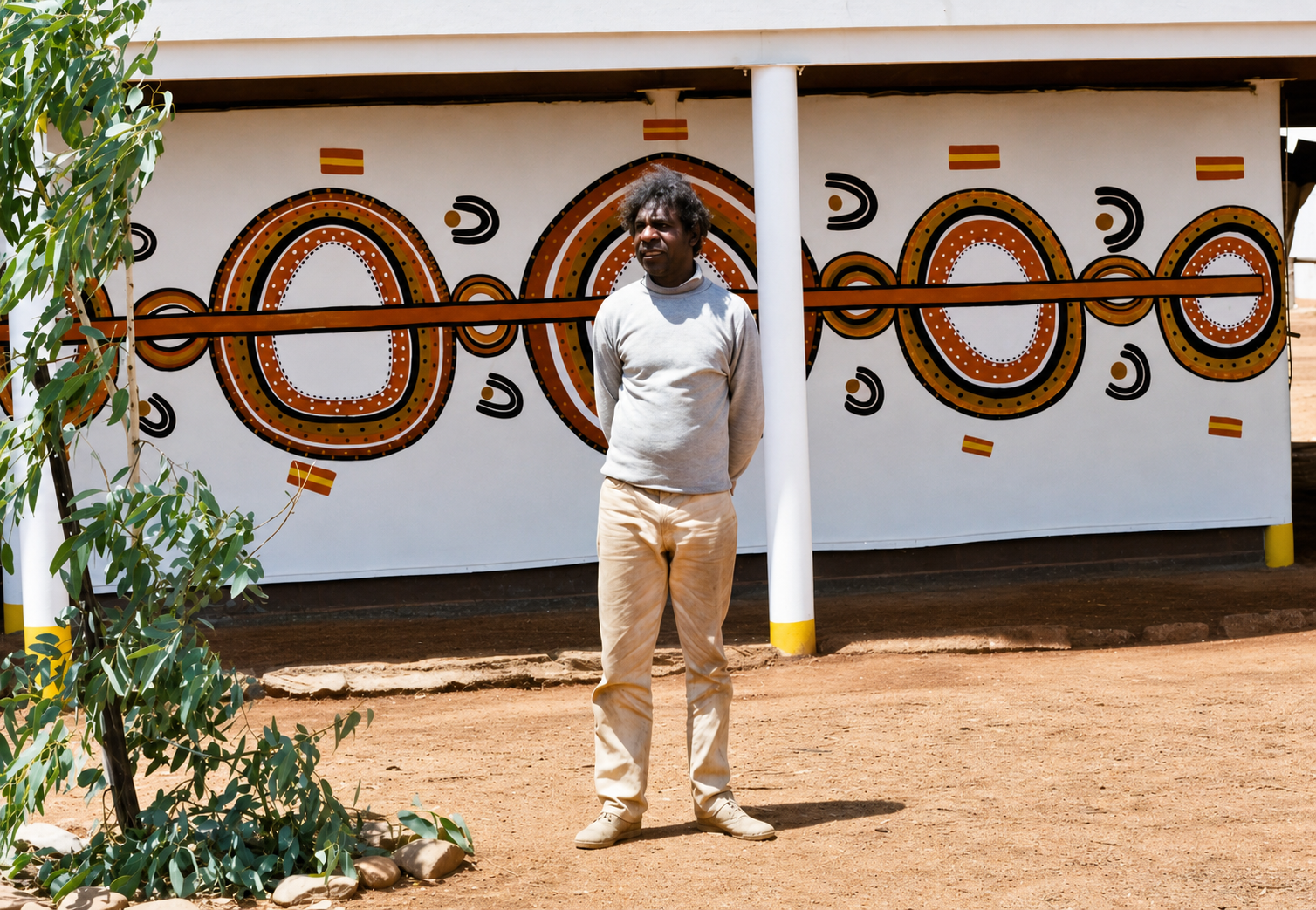
Schoolteacher Geoffrey Bardon arrived at Papunya in 1971 and became an important facilitator of the emerging painting movement. He noticed Aboriginal children drawing traditional designs in the school playground and encouraged their artistic expression, recognising the importance of involving senior Aboriginal men with the cultural authority to depict ceremonial subjects.
The resulting Honey Ant Dreaming mural, painted on a school wall, became an important early expression of the new movement. Bardon subsequently helped establish a men’s painting group, providing acrylic paints, composition boards and a workspace in a government building.
The artists were not unfamiliar with painting as a source of income. The success of Albert Namatjira and other Hermannsburg watercolour painters had already demonstrated that Aboriginal artists could gain recognition and sell their work. At Papunya, however, the painters developed a different approach, adapting their own ceremonial designs and ancestral subjects to modern painting materials.
In 1972, the artists established Papunya Tula Artists Pty Ltd, creating an Aboriginal-owned organisation to support the production and sale of their paintings.
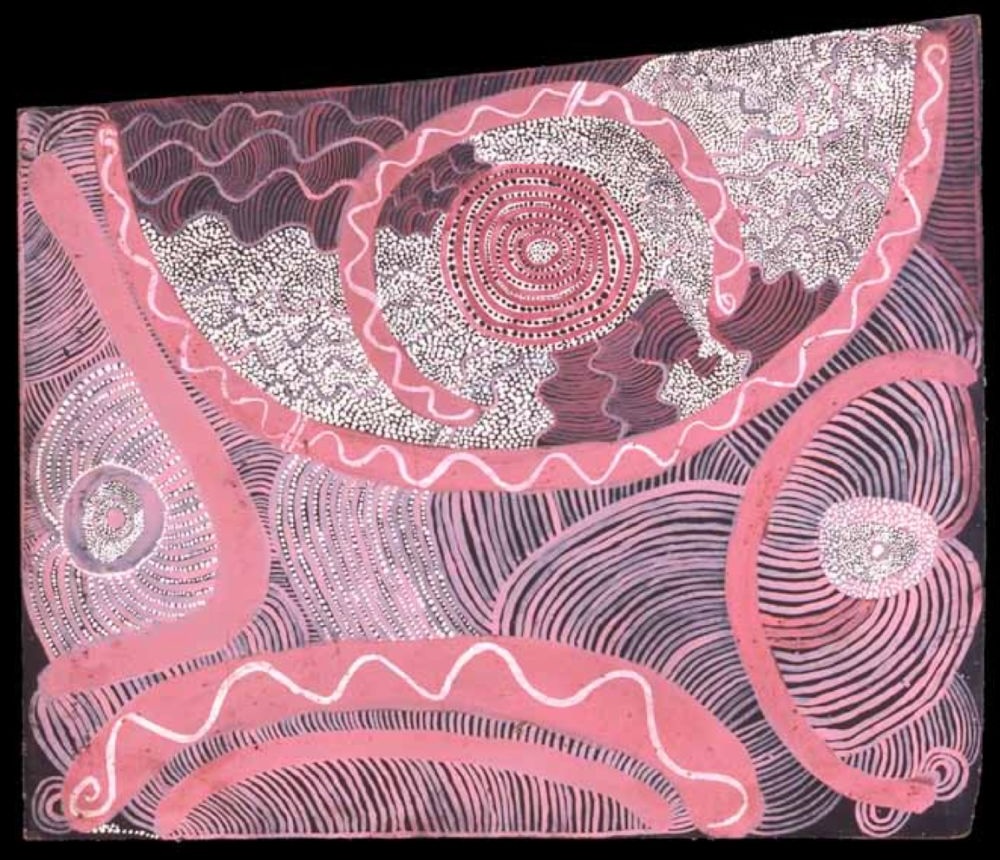
One of Bardon’s most enduring contributions was his documentation of the early works. Labels attached to the backs of paintings recorded artists’ names and subjects, sometimes accompanied by sketches identifying elements of the compositions. These records remain valuable sources for understanding the earliest Papunya paintings and their historical context.
The Development of Papunya Dot Painting
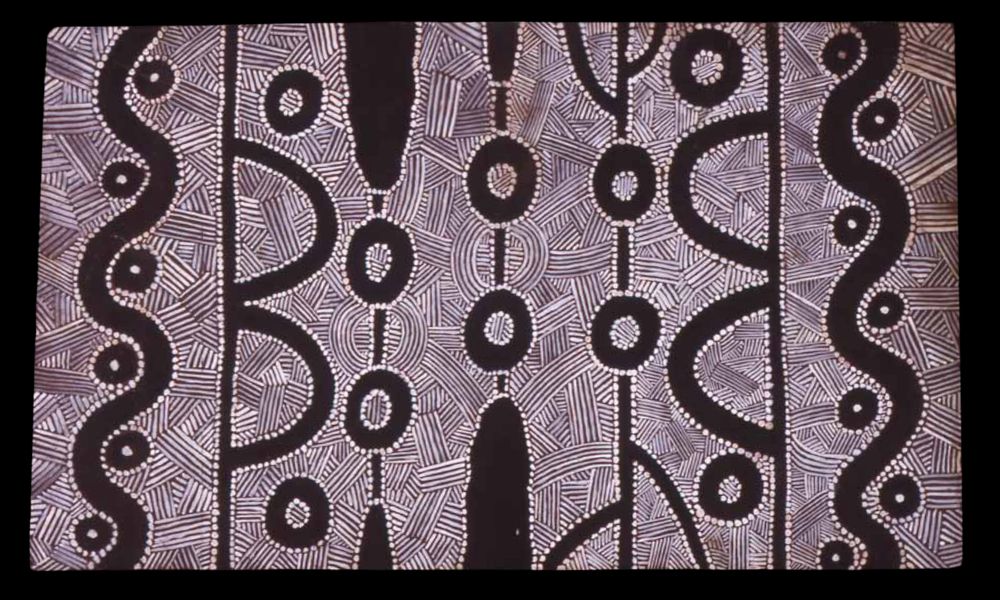
Papunya Art was not a single painting style. Early artists experimented with bold ceremonial linework, figurative imagery, geometric compositions and increasingly elaborate dotting. Many of the movement’s earliest and most important paintings contained little or no dots.
In 1971, Kaapa Mbitjana Tjampitjinpa won the Caltex Art Award with a composition characterised by precise, symmetrical ceremonial designs. His early paintings, like those of Tim Leura Tjapaltjarri, drew upon visual traditions also expressed on carved sacred boards and other ceremonial objects.
A significant development came through the Water Dreaming paintings of Johnny Warangkula Tjupurrula. His increasingly intricate fields of fine dots evoked falling rain, water and the atmospheric effects of ancestral landscapes. Dotting subsequently became more prominent across the movement, although individual artists continued to develop markedly different approaches.
Dots were not simply another Aboriginal symbol. They could create movement, rhythm and shimmering surfaces. As concerns arose about the public display of restricted ceremonial knowledge, artists also employed dotting and overpainting to obscure elements of sacred designs. This became another important function of the technique.
Not all Papunya paintings are dot paintings, and not all Aboriginal dot painting originated at Papunya. The movement’s importance lies in the extraordinary range of artistic approaches developed by its painters, rather than in the invention of a single style.
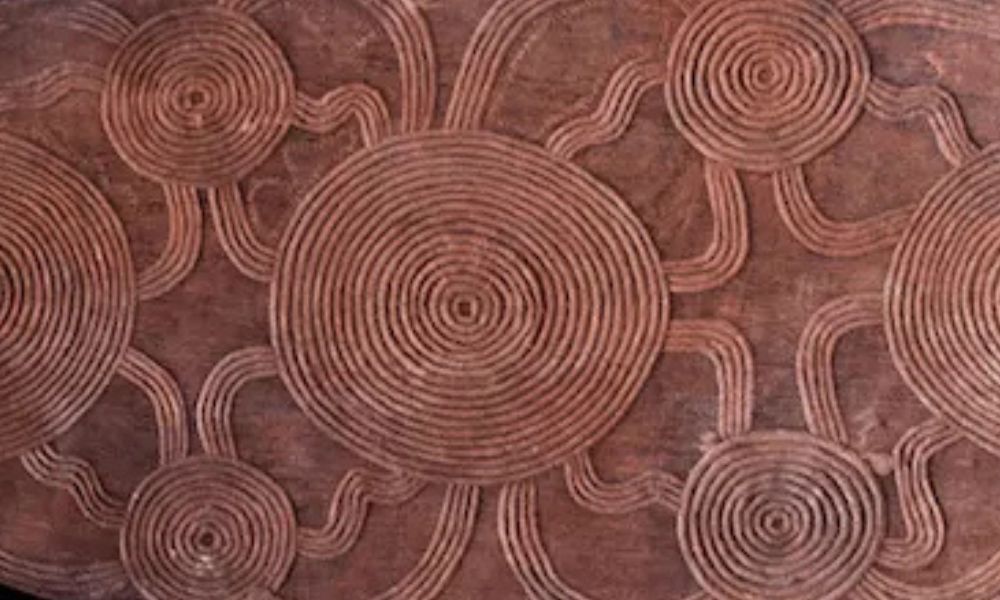
Detail on a carved wooden sacred object
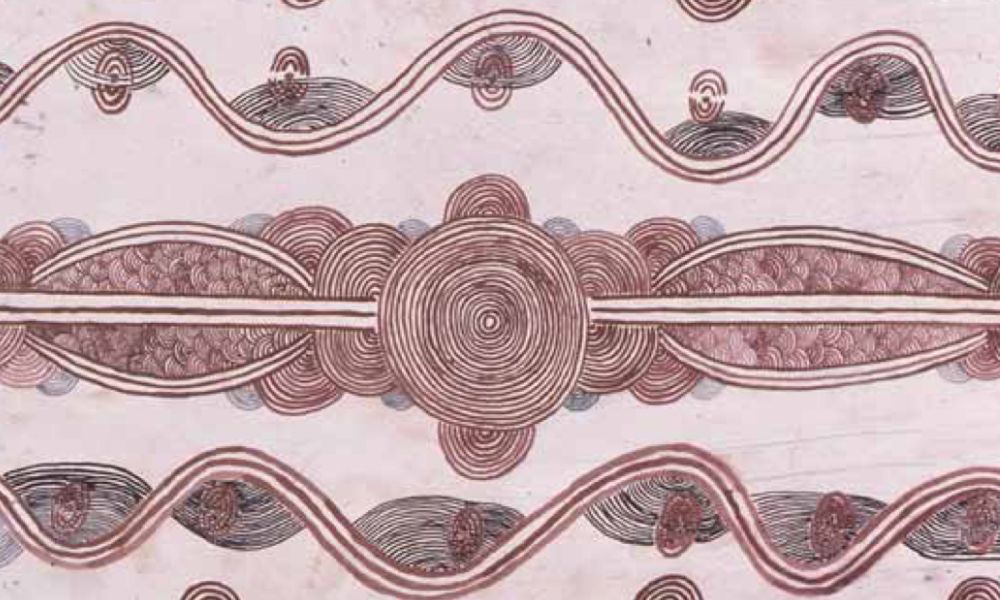
Detail on an Early Papunya Painting by Tim Leura Tjapaltjarri
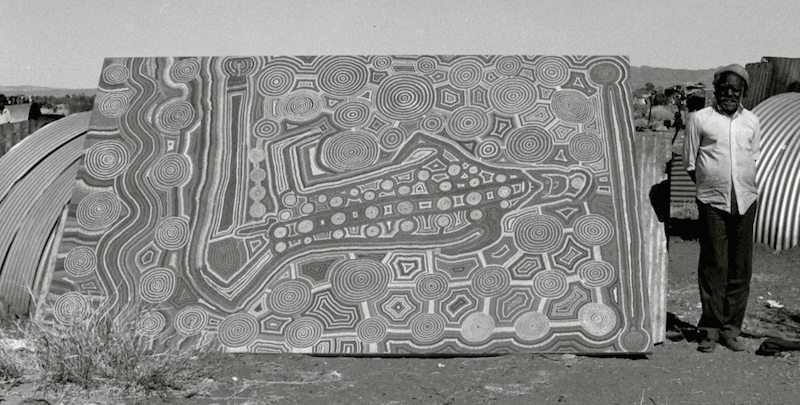
Painting of Yumari on canvas by Uta Uta Tjangala
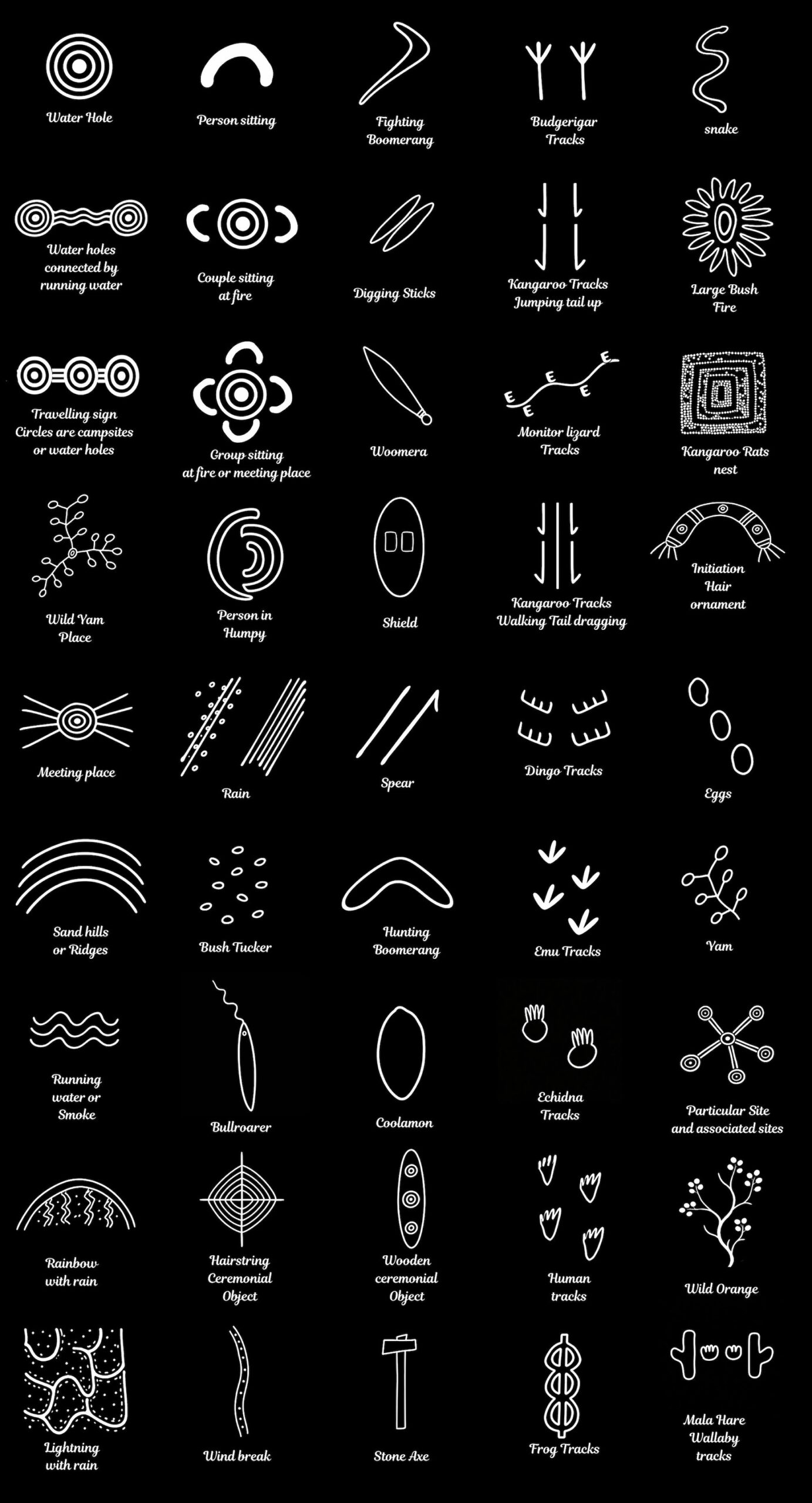
The Meaning of Symbols in Papunya Art
The Aboriginal Art symbols used in Papunya Art form part of one of the oldest continuing visual languages in the world. Far from being decorative motifs, the imagery within Western Desert Art often carries layered meanings connected to Country, Dreaming stories, ceremony, kinship, and ancestral law.
One of the most recognisable motifs in Papunya painting is the concentric circle. Depending on context, concentric circles may represent waterholes, campsites, ceremonial grounds, sacred sites, or places associated with ancestral events.
Travelling lines and connecting pathways commonly represent ancestral journeys across Country, linking sacred sites and important places within Dreaming narratives. In many paintings, the composition functions as an aerial map showing how ancestral beings moved through the landscape during the Dreaming.
Animal tracks also play a major role within Papunya symbolism. Kangaroo tracks, emu tracks, and bird prints may represent both physical animals and ancestral beings connected to specific Dreamings.
Importantly, many Papunya paintings operate on multiple levels of meaning. Some imagery communicates public narratives, while deeper ceremonial meanings may remain restricted. During the development of Papunya Dot Painting, artists sometimes used layers of dotting and patterning to partially obscure sacred imagery from public view.
The symbolic systems seen in Papunya Art are therefore not simply visual codes with fixed definitions. They form part of living cultural traditions connected to memory, ceremony, spirituality, and ancestral relationships to landscape across the desert regions of Australia.
How Papunya Differs from Other Aboriginal Art Styles
Papunya Art is distinguished by its use of ceremonial symbols, geometric compositions and representations of ancestral geography. Many paintings depict relationships between waterholes, sacred sites and ancestral journeys through interconnected circles, lines and tracks. This approach contrasts with other regional Aboriginal art traditions, although each has its own complex visual language and ceremonial foundations.
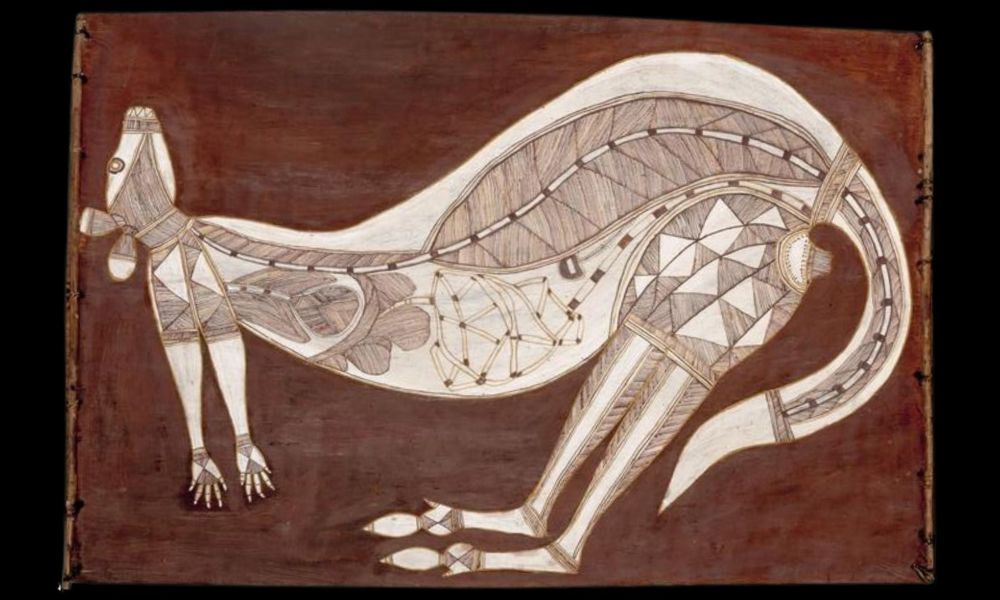
Papunya Art and Oenpelli Art
Oenpelli Art from western Arnhem Land is particularly associated with figurative representations of animals, ancestral beings and spirits. Some paintings employ X-ray imagery, revealing the bones and internal organs of animals. While early Papunya artists also painted recognisable figures, their work increasingly emphasised geometric arrangements of ancestral sites and journeys rather than the anatomical representation of living creatures.
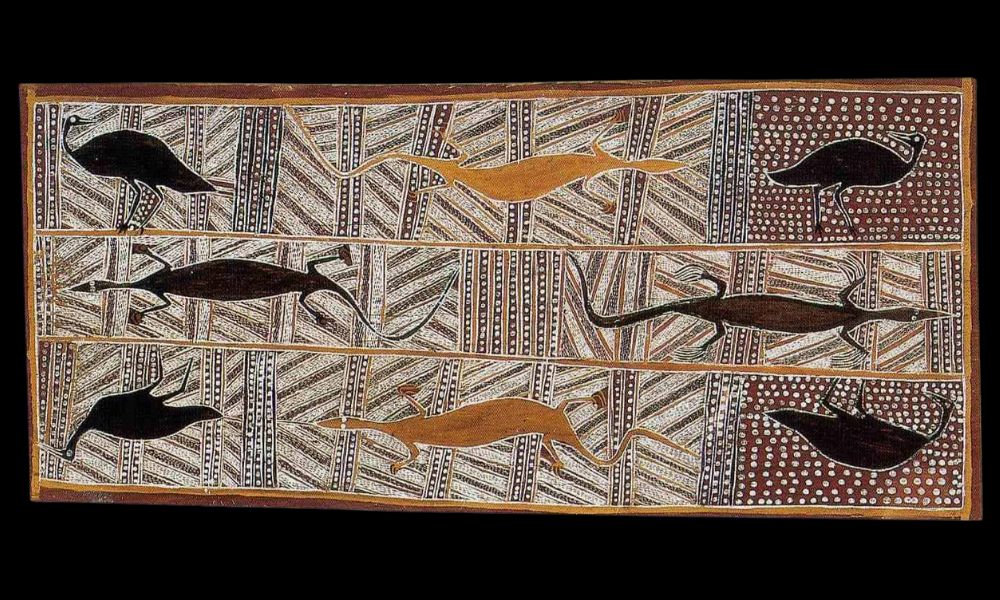
Papunya Art and Yirrkala Art
Yirrkala Art from north-east Arnhem Land is closely associated with Yolŋu clan designs known as miny’tji (ancestral designs). These often incorporate intricate rarrk (crosshatching) and figurative imagery identifying particular clans, ancestral beings and places. Both Papunya and Yirrkala painting express ancestral geography, but their visual conventions differ. Papunya artists frequently organise sites and journeys through circles and connecting lines, whereas Yolŋu artists often use inherited clan-specific patterns to express their relationships to ancestral places.
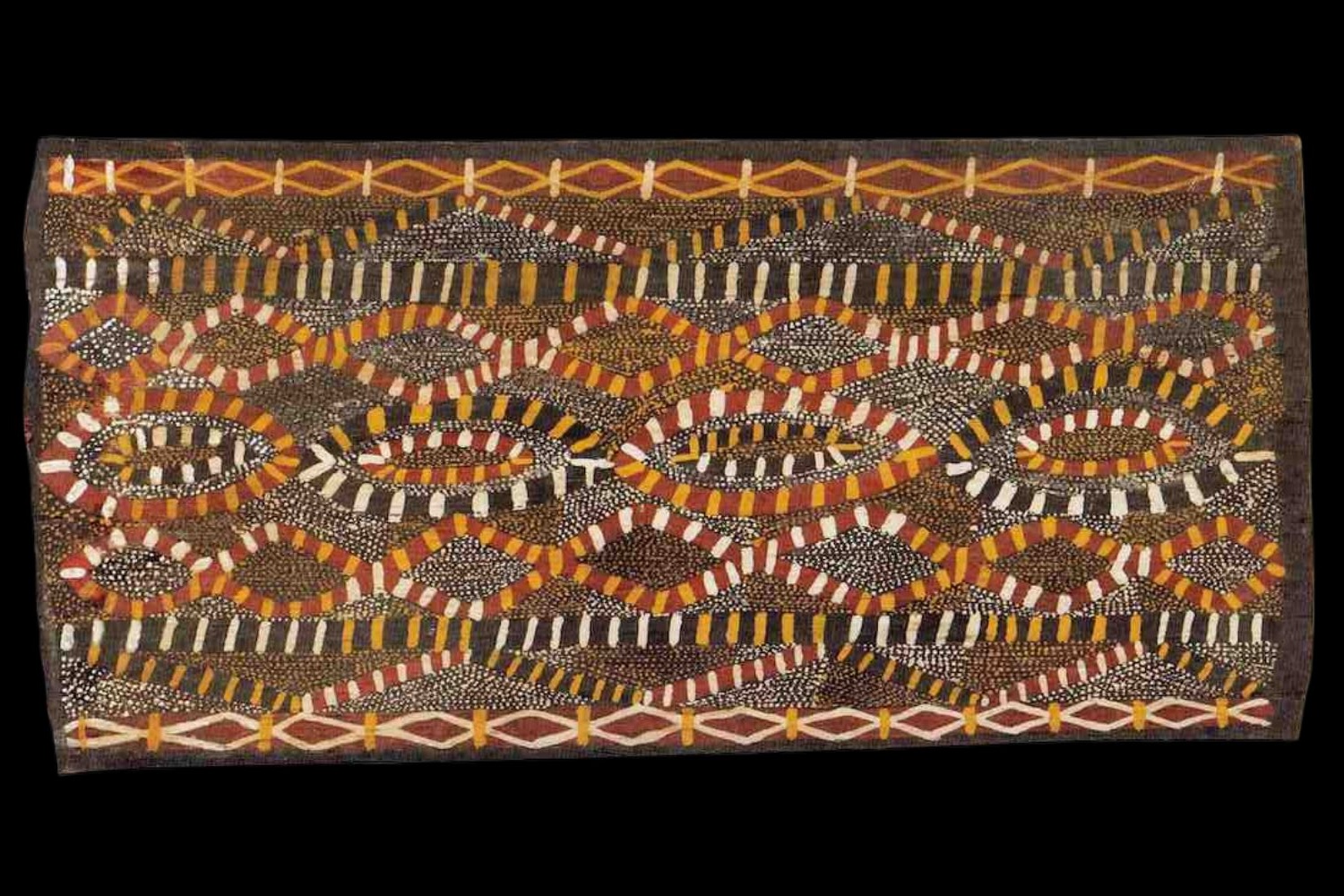
Papunya Art and Tiwi Art
Tiwi Art is distinguished by bold geometric patterning, contrasting areas of colour and rhythmic arrangements of lines and shapes. These designs have connections to Tiwi ceremonial traditions, including Pukumani mortuary ceremonies and Kulama ceremonies, and appear on carved poles, bark paintings and painted bodies. Unlike the interconnected ancestral pathways characteristic of many Papunya paintings, Tiwi artists frequently organise compositions through repeated geometric forms and strongly defined areas of pattern.
The Importance and Legacy of Papunya Art
The significance of Papunya Art lies in the collective achievement of artists from different Central Australian cultural traditions who, working alongside one another, developed a new form of contemporary Aboriginal painting.
The Papunya painting room became a place of artistic experimentation. Painters observed and responded to each other’s work while developing individual approaches to composition, colour, ceremonial geometry and dotting. The precise designs of Kaapa Tjampitjinpa, the atmospheric Water Dreaming paintings of Johnny Warangkula Tjupurrula and the complex compositions of Clifford Possum Tjapaltjarri demonstrate the remarkable diversity that emerged from this small community.
The movement also challenged the prevailing treatment of Aboriginal ceremonial imagery primarily as ethnographic material rather than fine art. Its paintings brought ancestral knowledge, ceremonial authority and highly individual artistic expression into the contemporary Australian art market, contributing to a fundamental reassessment of Aboriginal art.
The establishment of Papunya Tula Artists in 1972 provided an Aboriginal-owned organisation through which painters could produce and sell their work. Over subsequent decades, the success of Papunya helped inspire painting movements across the desert, including Yuendumu, Balgo, Kintore and Kiwirrkurra and Utopia.
Papunya’s greatest achievement was not the invention of Aboriginal painting, but the establishment of a new artistic movement that transformed the recognition of Aboriginal art in Australia and internationally, while remaining grounded in cultural traditions far older than the settlement itself.
Further Reading on Papunya Art
Papunya: A Place Made After the Story — Vivien Johnson
A major historical study of Papunya and the development of contemporary Western Desert painting. Johnson explores the cultural, political, and artistic circumstances surrounding the movement and the rise of Papunya Tula Artists.
Papunya Tula: Genesis and Genius — Vivien Johnson
An essential survey of the Papunya Tula movement examining the first generation of painters and the extraordinary artistic innovations that emerged from Papunya during the 1970s.
Icons of the Desert: Early Aboriginal Paintings from Papunya — Wally Caruana
A highly respected study of early Papunya boards and the development of symbolic desert painting traditions. Includes important discussion of ceremonial imagery, early composition boards, and the emergence of Aboriginal dot painting.