Lily Karedada – Wandjina Artist of Kalumburu
Lily Karedada (also Karadada; bush name Mindindil)
c. 1937
Woonambal
Prince Regent River, north Kimberley, Western Australia
Kalumburu
Wandjina Art / Kimberley Art
Bark painting, spathe containers, slate, wood panels and canvas
Aboriginal artist Lily Karedada (also spelled Karadada, bush name Mindindil) was one of the most important female Wandjina painters associated with Kalumburu and the north Kimberley region of Western Australia. Born circa 1937 on her Woonambal country near the Prince Regent River, Lily painted Wandjina images for more than forty years and was among the most prolific custodians of the Kimberley Aboriginal bark painting tradition.
Married to the distinguished artist Jack Karedada, Lily first assisted her husband with Wandjina paintings before establishing an important artistic career in her own right. She initially painted on eucalyptus bark and traditional bark coolamons before later transitioning successfully onto canvas and canvas board. During the formative years of the contemporary Kimberley art movement in the 1970s, Lily and Jack Karedada participated in some of the earliest Perth exhibitions organised under the guidance of Mary Macha, helping bring Wandjina painting traditions to wider public attention at a critical moment in their survival.
Lily’s paintings remain closely connected to the ceremonial and spiritual traditions of the north Kimberley. Her works are recognised for their strong Wandjina imagery, delicate rain motifs, and deeply traditional character rooted in ancestral responsibility and cultural continuity. In recognition of her contribution to Aboriginal art, Lily Karedada received the Australian Centenary Medal in 2003.
Today genuine Lily Karedada bark paintings are increasingly sought after because of their rarity, strong provenance, and historical importance within the development of contemporary Wandjina art. If you are considering buying, valuing, or selling a Lily Karedada painting, feel free to contact me with clear images and any known provenance or collection history.
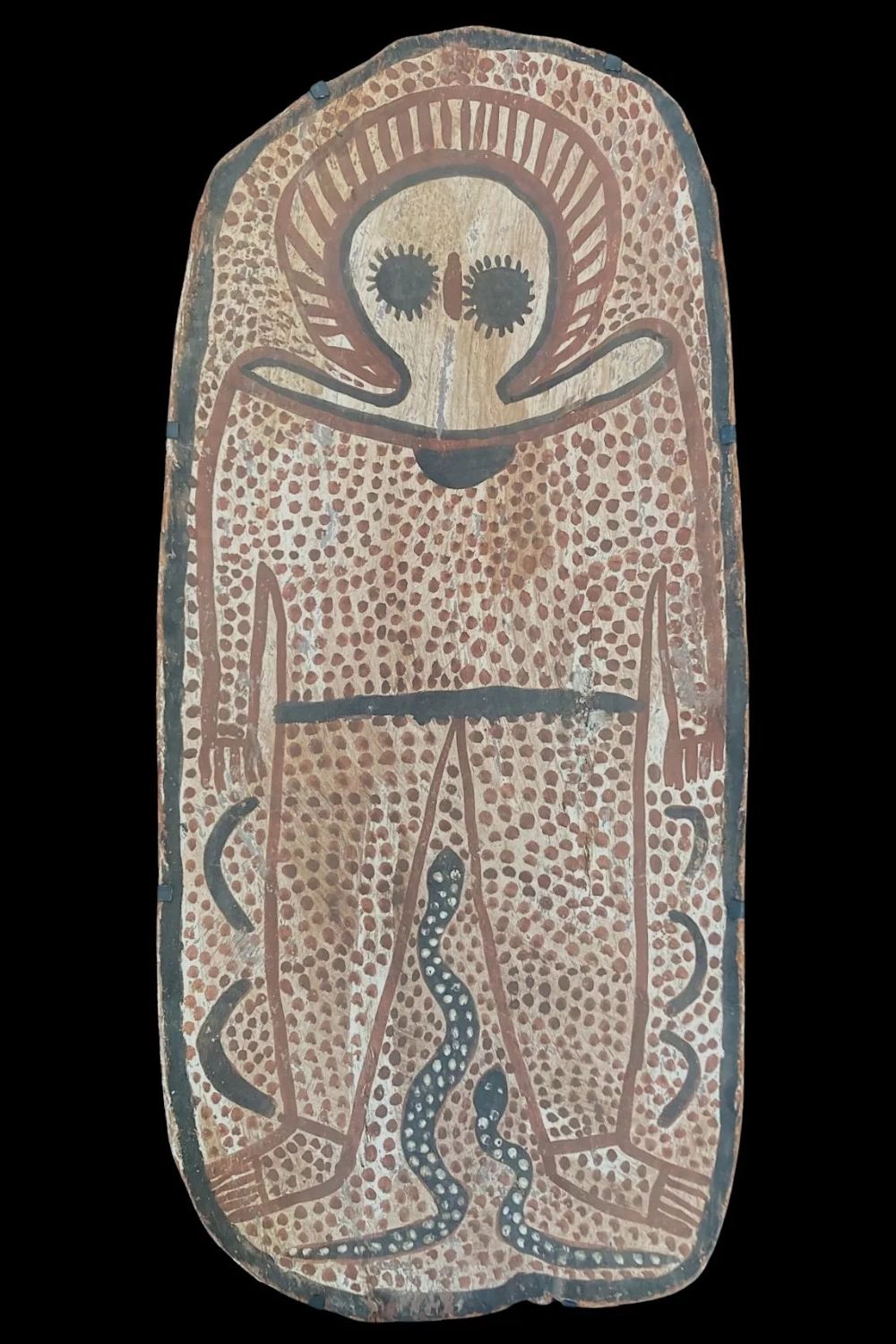
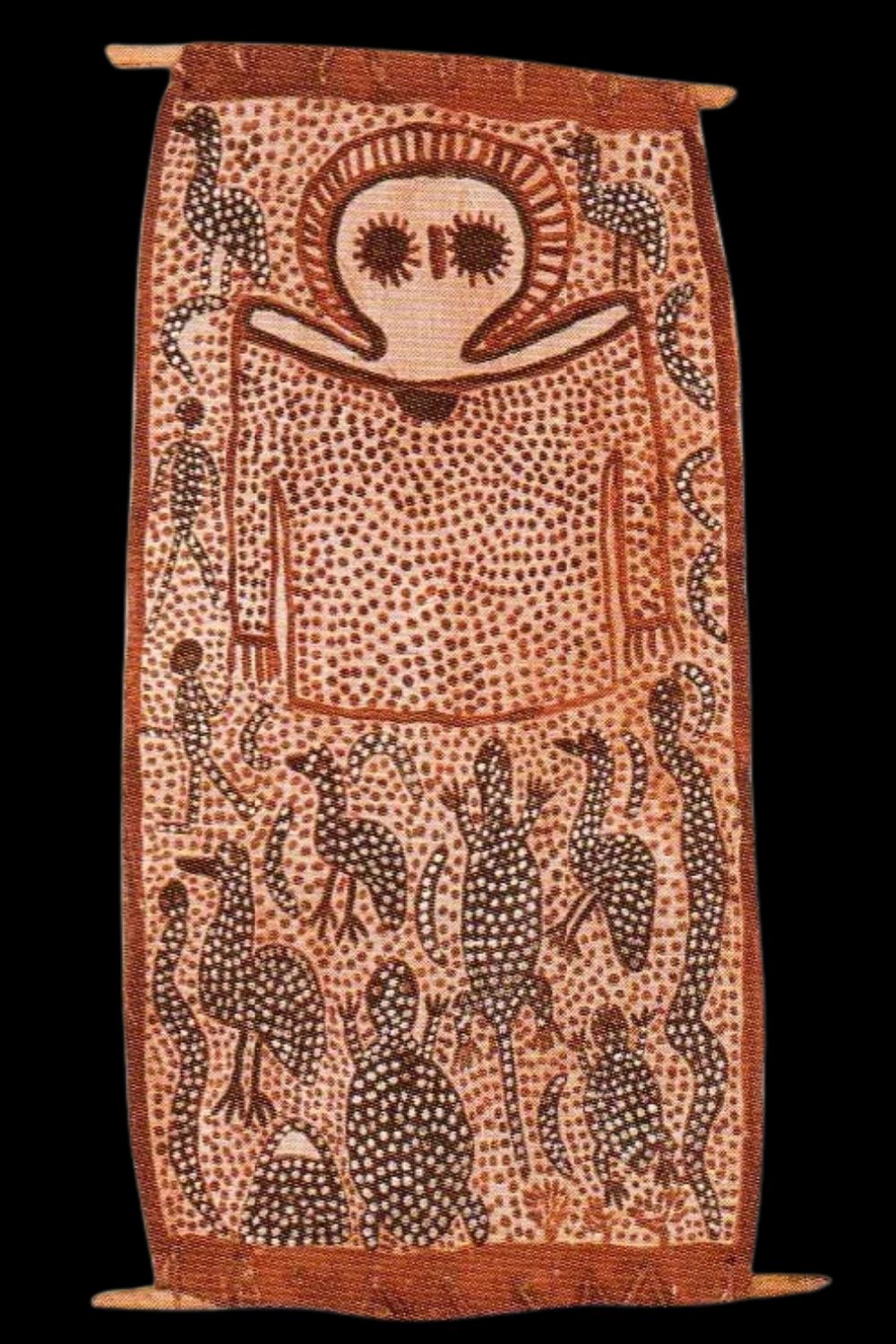
Identifying Lily Karedada’s Artistic Style
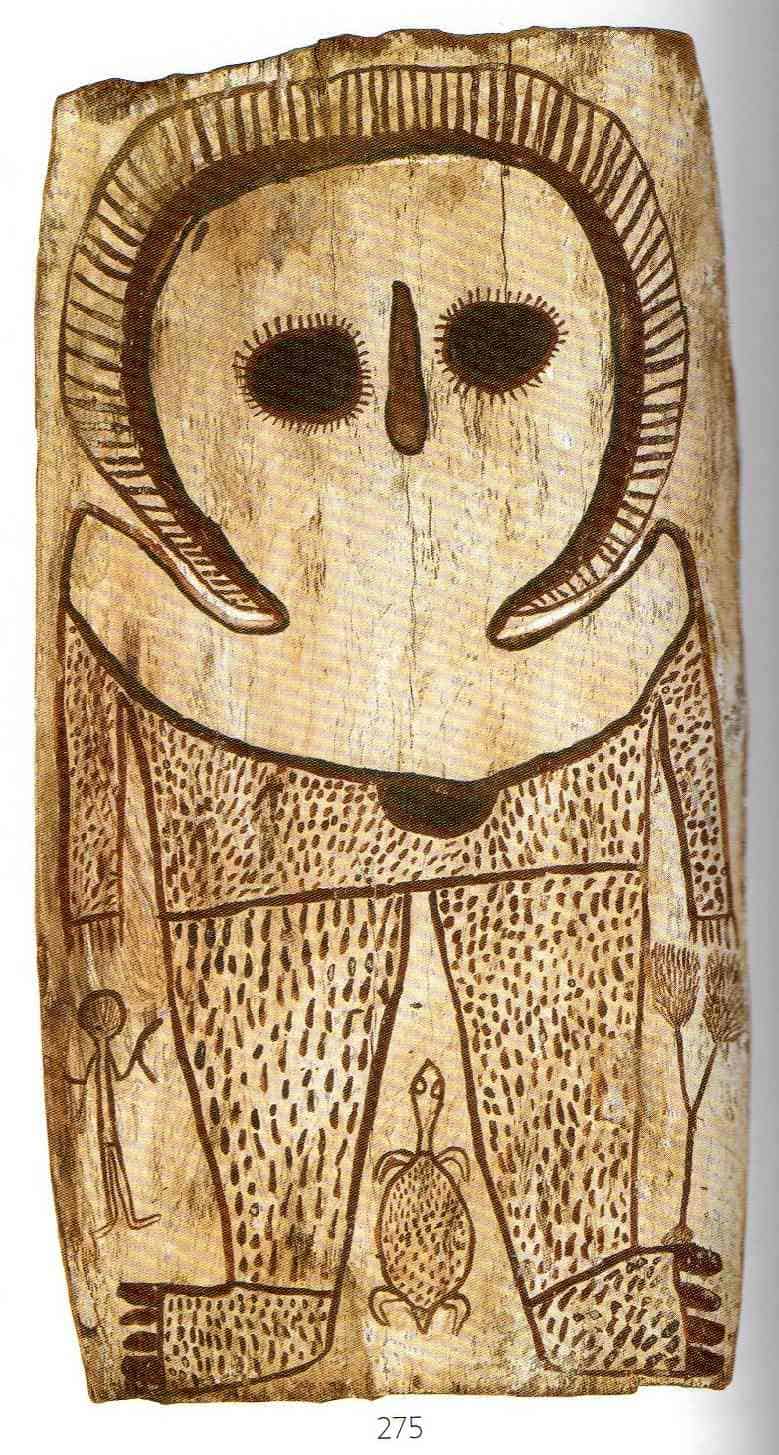
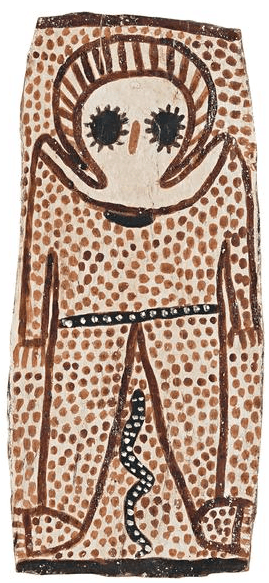
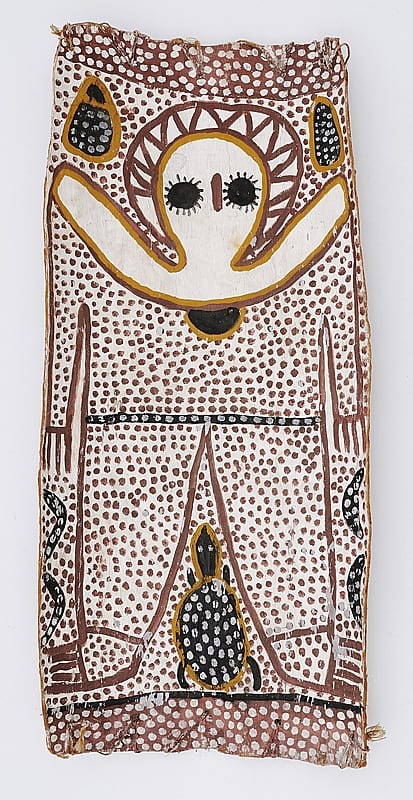
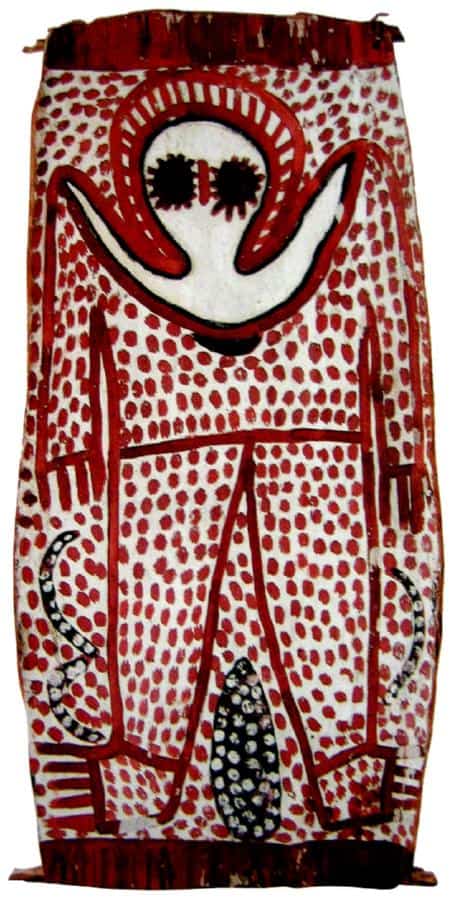
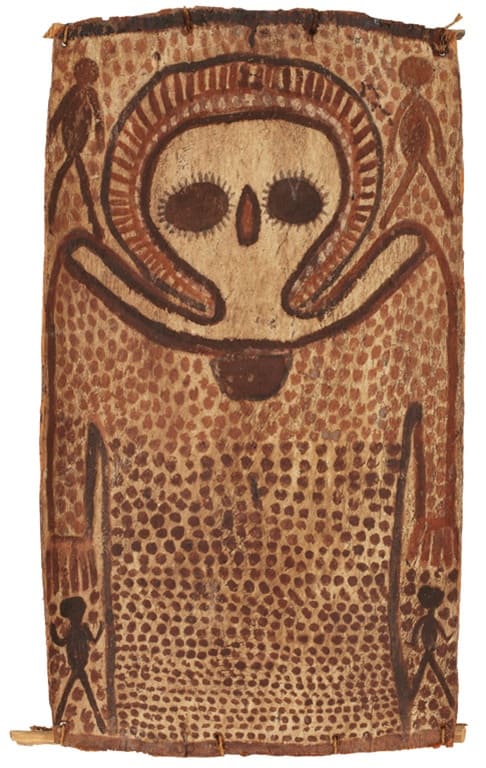
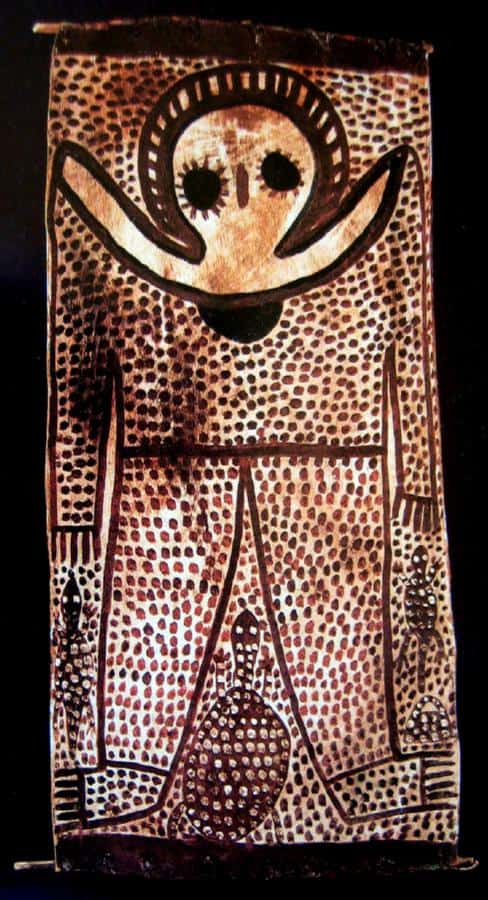
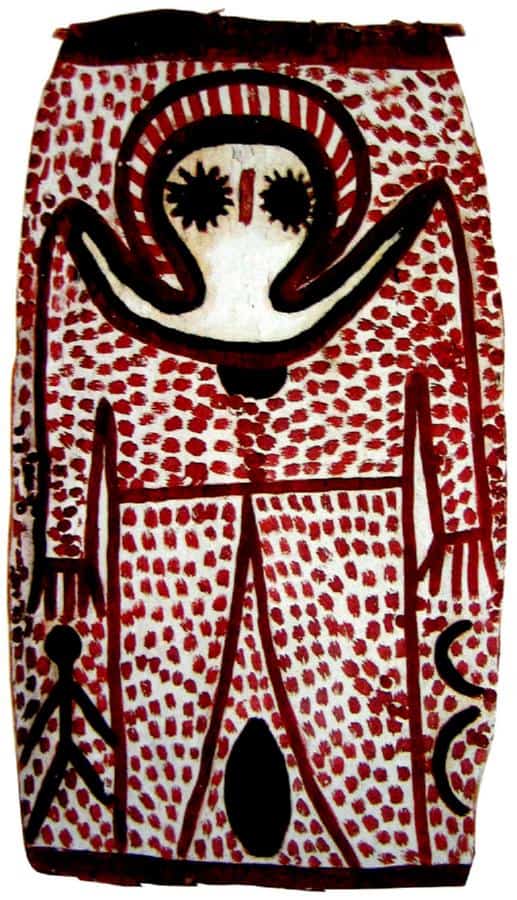
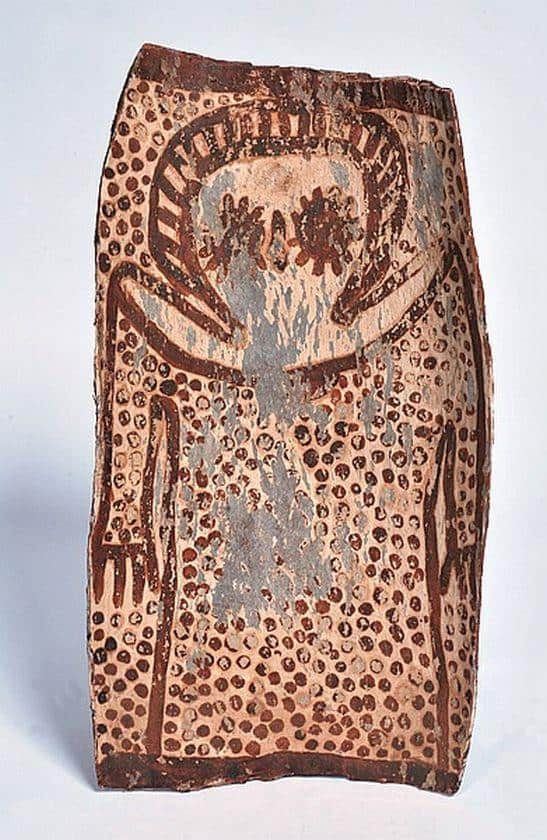
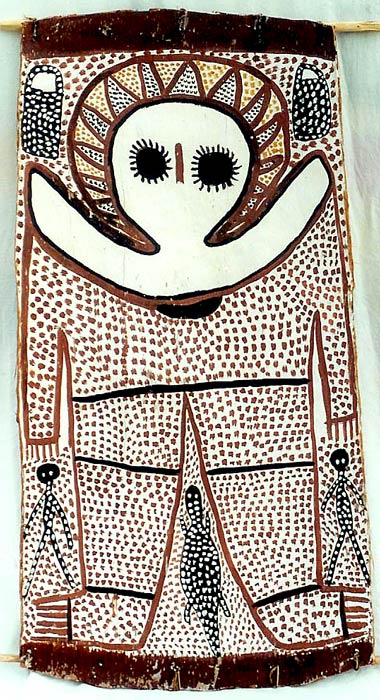
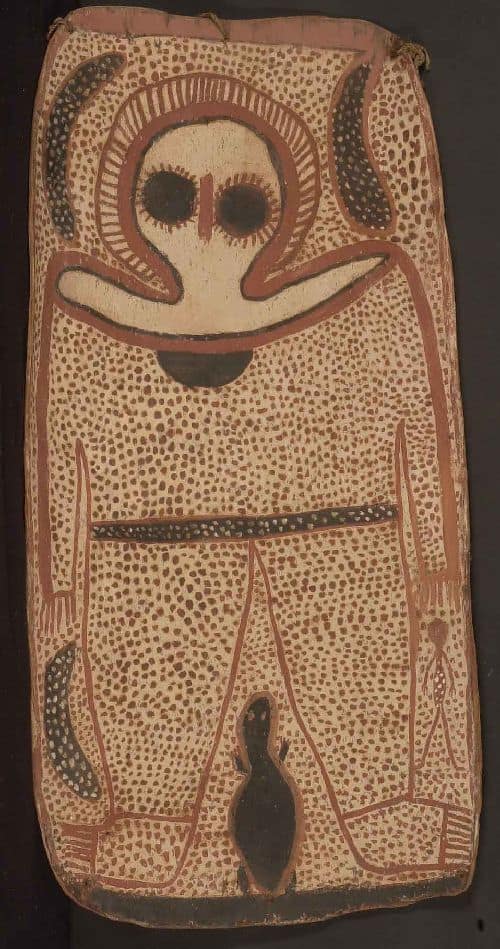
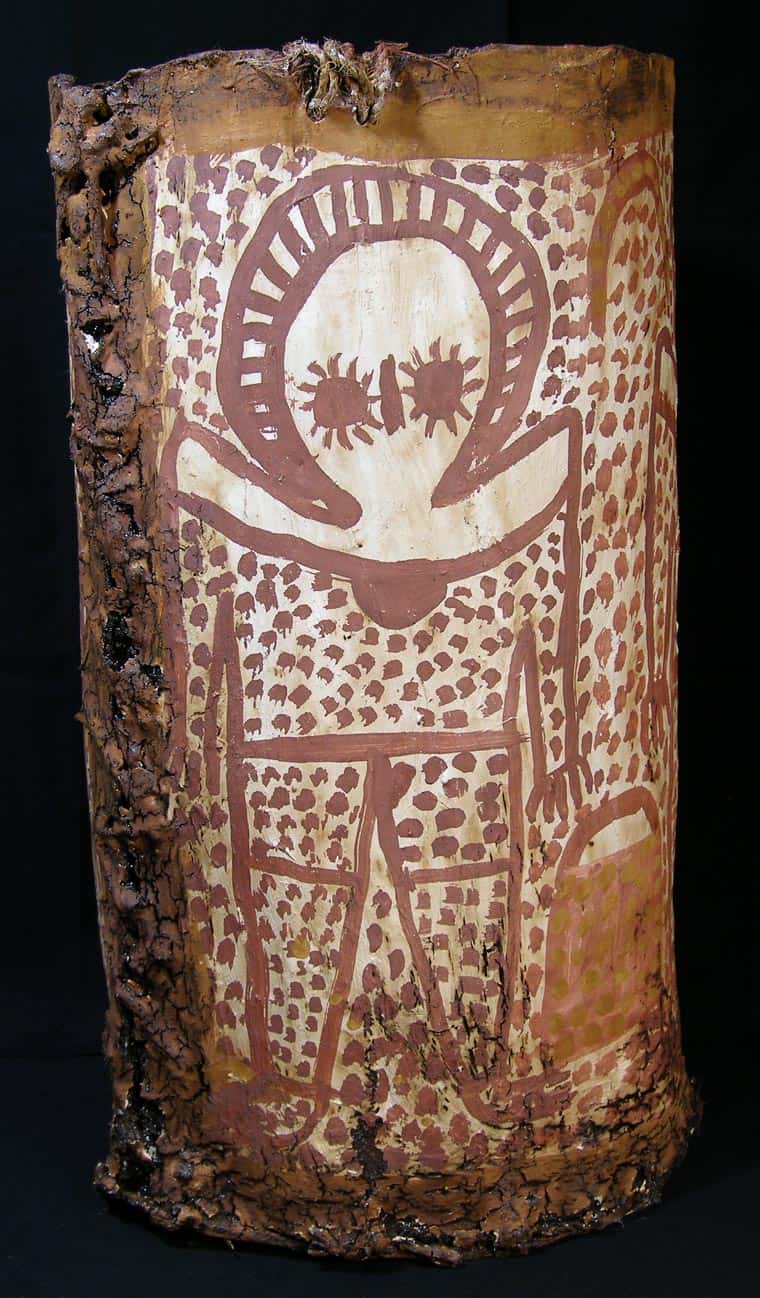
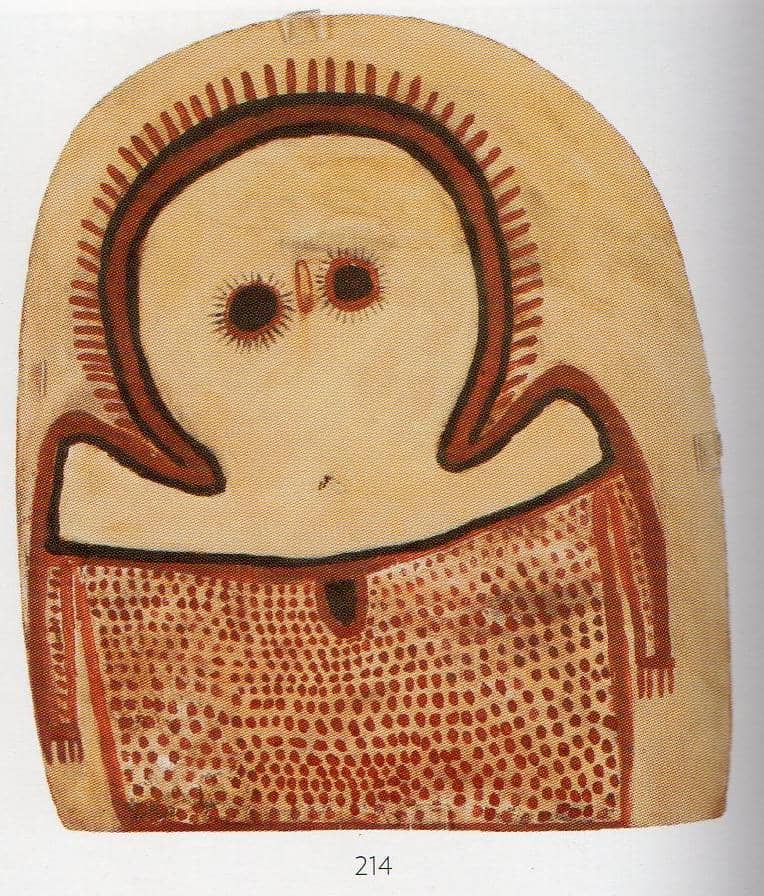
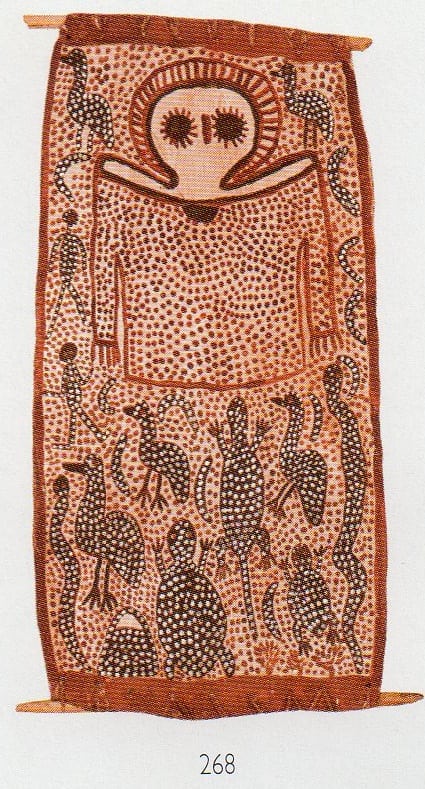
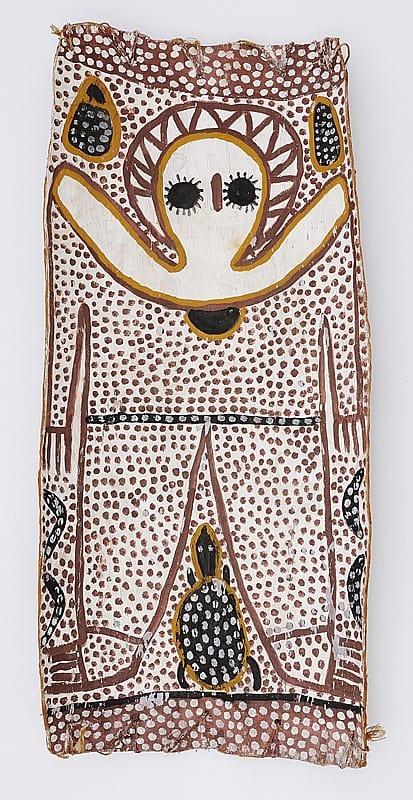
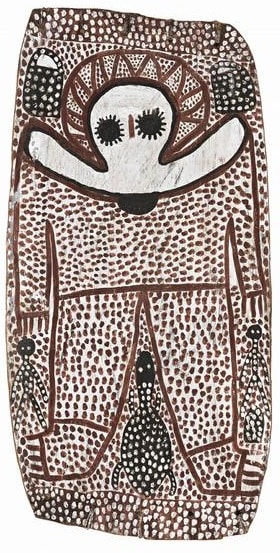
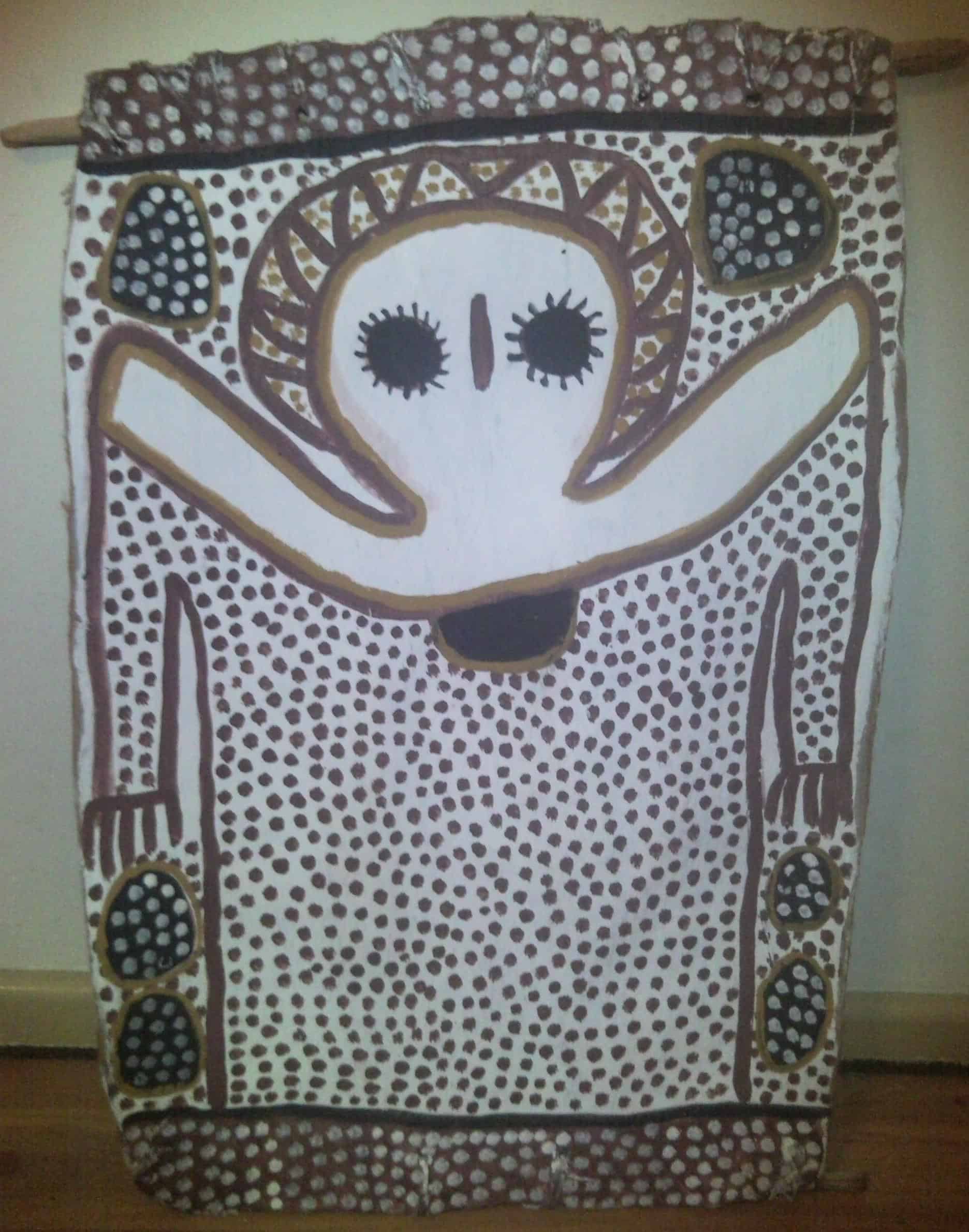
Lily’s Wandjina figures are immediately recognisable. Rendered with litheness and layered with meaning, these spirit forms embody ancestral presence. Hallmarks of Lily Karedada’s style include:
- Pointed Shoulders: A distinctive feature tracing back to her custodial cave site, lending an angular silhouette unique amid Wandjina forms
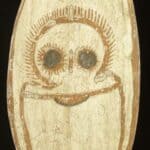
- Eyes & Faces: Dominating black round eyes, framed by thick lashes, set upon mouthless white faces—evoking silent rain‑makers whose unspoken power preserves cosmic balance
- Rain Dotting: Ethereal veils of delicate dotting envelop figures, symbolising the sacred melding of blood and water, and the Wandjina’s enduring life‑force
- Totemic Elements: Accented with favored ancestral totems—turtles, bush turkeys, possum, and white cockatoo—rendered with elegant restraint
- Owl Affiliation: As member of the Jirrengar (owlet nighthar) moiety, Lily infused subtle references to the sacred owl spirit Dumbi, whose rescue by Wandjina underscores the protective role of these ancestral beings.
Lily Karedada Compared With Other Wandjina Artists
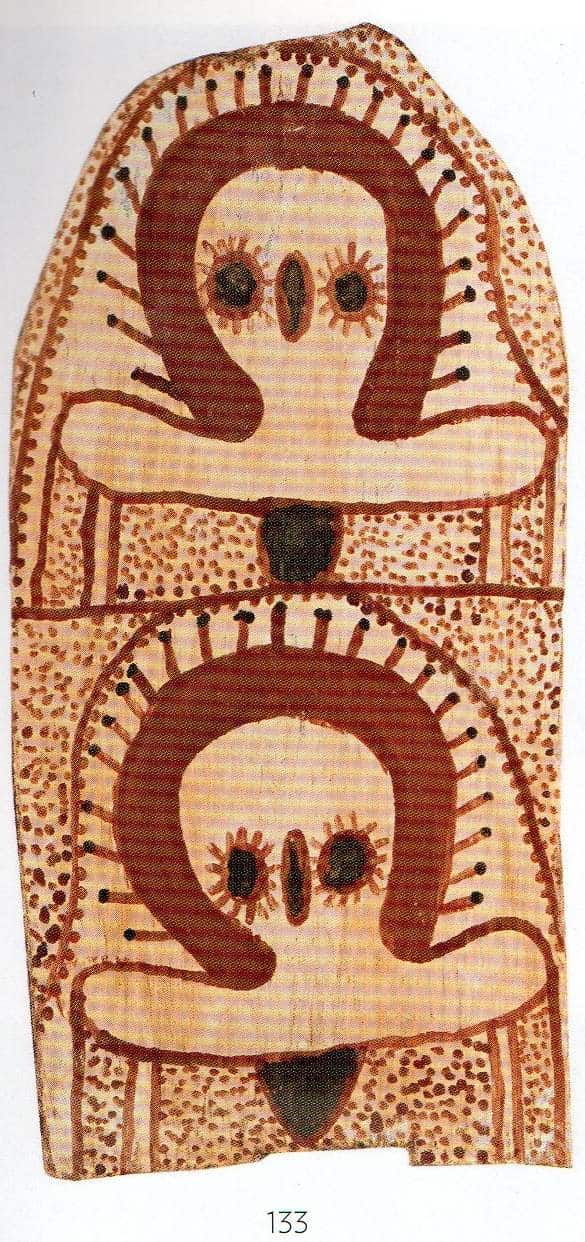
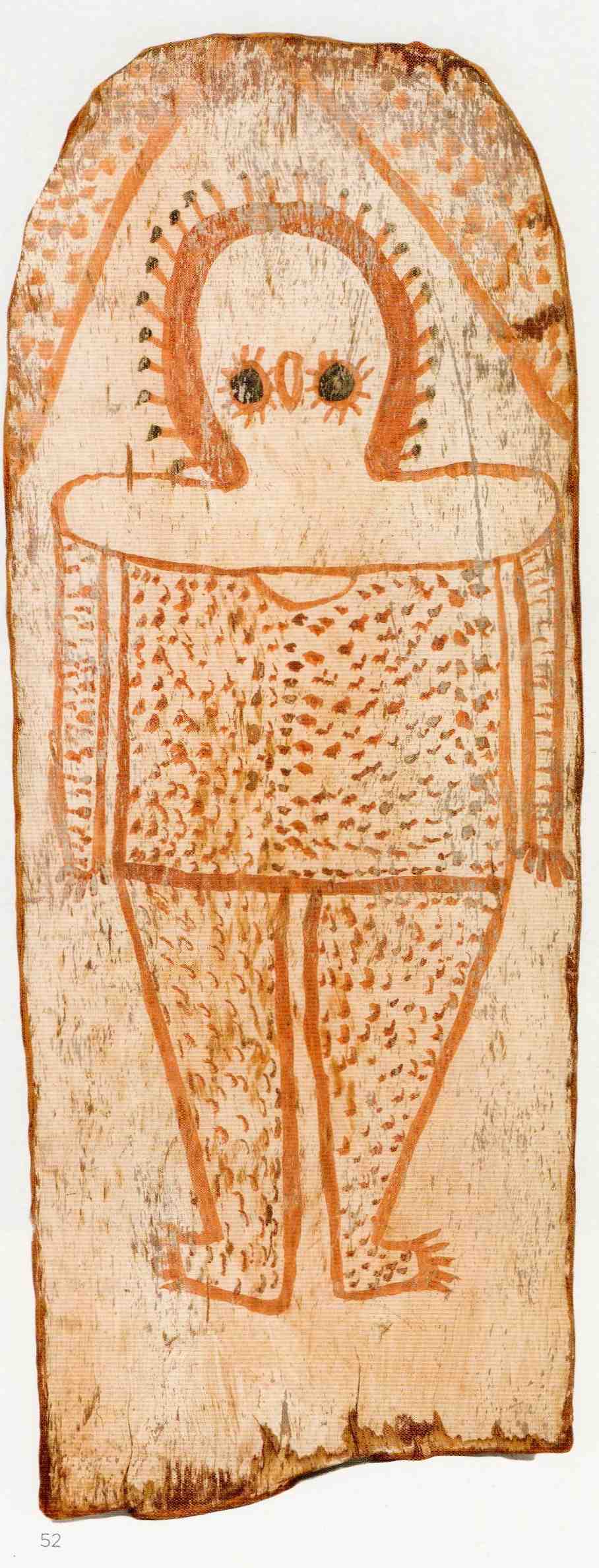
Compared with Charlie Numbulmoore, Lily Karedada generally painted Wandjina figures with similarly rounded eyes, although Lily’s eyes tend to be noticeably smaller and framed by thicker eyelashes. Charlie’s Wandjina figures also typically possess much larger heads in proportion to the width of the body, giving his paintings a more imposing and architectonic presence. Lily’s Wandjina figures, by contrast, often feel softer and less severe, with a more restrained and balanced facial treatment.
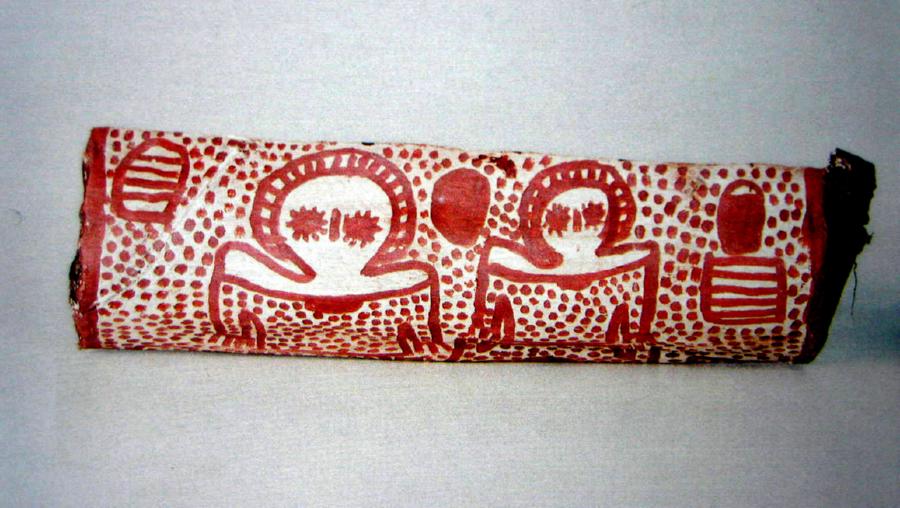
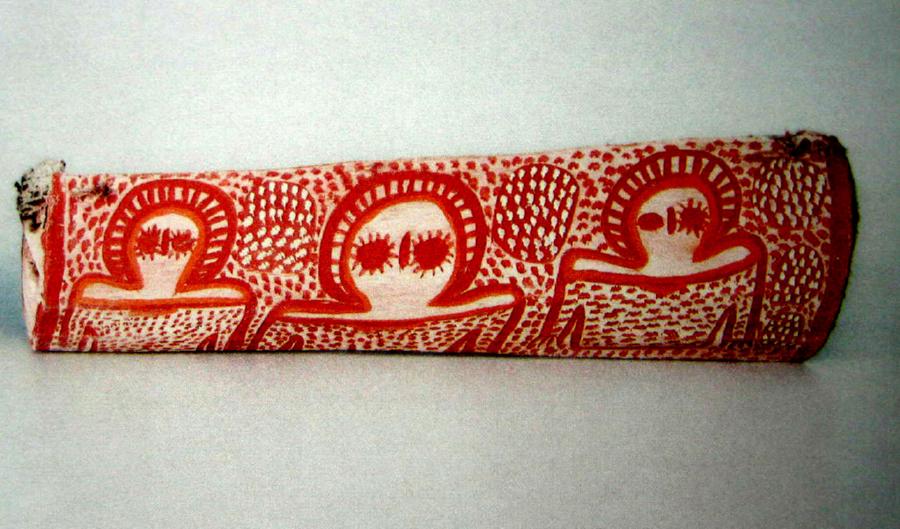
Lily Karedada also shares interesting similarities with Ignatia Djanghara. Both Lily and Ignatia painted Wandjina imagery on traditional spathe water carriers during the early stages of their artistic careers, reflecting the close relationship between ceremonial objects and early Wandjina painting traditions in the Kimberley. Despite these similarities, Lily’s Wandjina faces are usually structured differently. Lily generally positioned the eyes approximately halfway up the face, whereas Ignatia and her husband Waigin Djanhara tended to place the eyes lower within the facial structure, creating a heavier and more grounded appearance.
Although married to the distinguished Wandjina painter Jack Karedada, Lily did not closely adopt his more severe and highly graphic style. Instead, her paintings retained softer rounded eyes, gentler facial structures, and a less confrontational overall presence. This may partly reflect an awareness of collector preferences as the Kimberley art movement expanded during the 1970s and 1980s, while still preserving the ceremonial integrity and ancestral authority central to Wandjina painting traditions.
Material Practice & Evolution
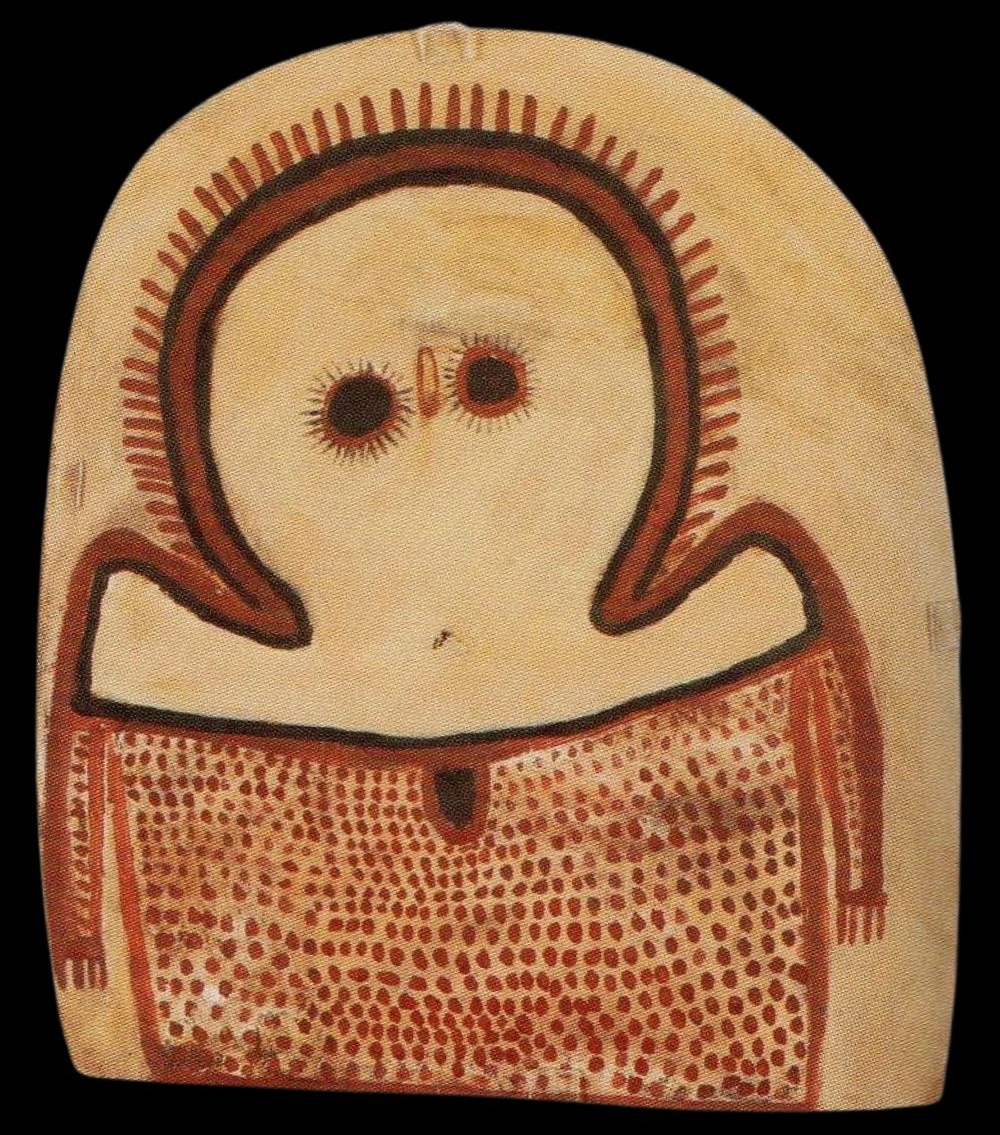
Lily’s early career centered on making and painting spathe containers and baskets, underlining her role as a guardian of these ceremonial items. In the Mid 1970’s Lily mainly painted on bark, using local ochres and traditional techniques.
Lily did also paint on oval shaped panels of light wood and on flat pieces of slate
By the 1980’s, she masterfully transitioned to canvas and canvas board—without losing the ritual integrity of her art.
Life, Country & Cultural Context
Born circa 1937 on her Woonambal country near the Prince Regent River, Lily’s bush name Mindindil (“bubbles”) speaks poignantly of her origins—her father discovered bubbles in a spring and recognized her spirit in that sign
Following displacement due to the Benedictine mission’s establishment, Lily endured cultural suppression but preserved traditional ceremonies. Her partnership with Jack Karedada emerged as a cultural revival, most notably through early exhibitions of Wandjina art in Perth during the 1970s, catalyzed by advisor Mary Macha.
Lily’s reputation extended globally—her work is held in esteemed collections, and she received the Australian Centenary Medal in 2003 for her significant artistic contributions
Market Significance
Lily’s works are highly sought after. Auction records show figures of A$1,000–12,000+, depending on medium and provenance . Larger canvases, rare full-figure compositions, or pieces with strong provenance command premium interest.
All images in this article are for educational purposes only.
This site may contain copyrighted material the use of which was not specified by the copyright owner.
Kimberley Artists and Artworks
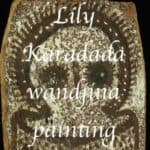

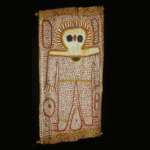

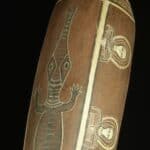
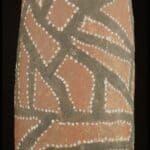
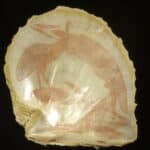
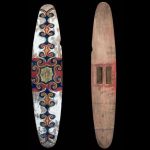
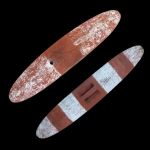
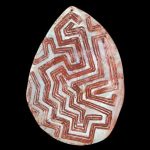
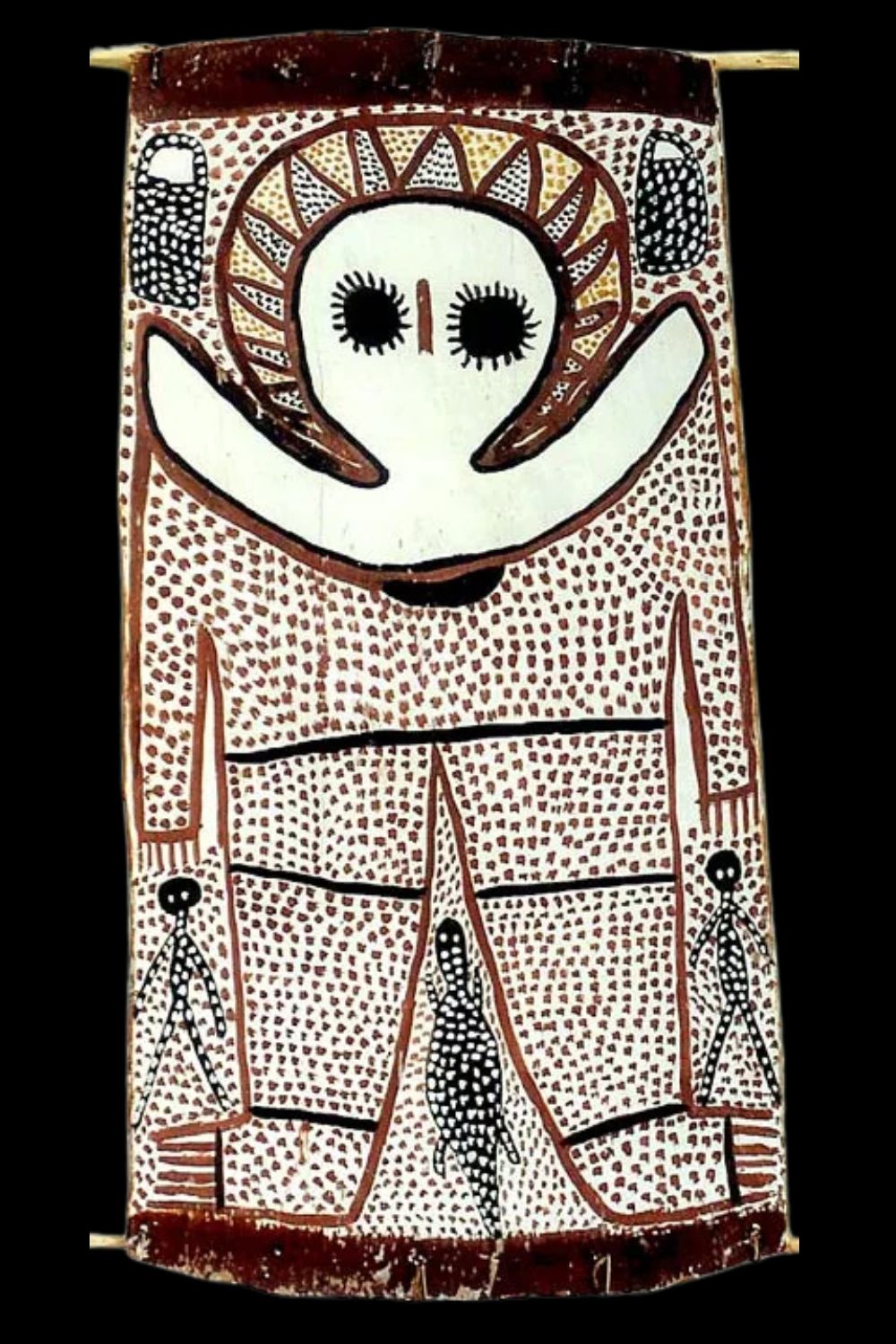
Lily Karedada Bark painting images
The following images are not a complete list of works by Lily Karedada. They do however give a good feel for the very distinctive style of this artist.