Select Page

Western Desert Art

Western Desert Art is one of the most important and influential Aboriginal Art Style movements in the history of contemporary Aboriginal Australian art. Emerging from the desert communities surrounding Papunya during the early 1970s, Western Desert painting transformed ancient ceremonial traditions, body painting, sand mosaics, and sacred Dreaming (tjuringa) designs and Central Desert Rock Art into one of the most recognisable artistic traditions in the world.

Far more than decorative abstraction, Western Desert Art encodes ancestral journeys, sacred sites, waterholes, ceremonial knowledge, and the spiritual relationship between people and Country. Many of the visual languages seen in contemporary desert paintings — concentric circles, travelling lines, animal tracks, and layered dot fields — derive from much older systems of symbolism connected to ceremony, rock art, and cultural law across Central Australia.

Although Western Desert painting is internationally famous for its dotting techniques, not all Western Desert Art is dot painting, and not all Aboriginal dot art belongs to the Western Desert movement. Western Desert Art encompasses a vast network of regional painting traditions that began as Papunya Art and then evolved and spread across the Western Desert to become, Warlpiri Art (Yuendumu), Utopia Art, Balgo Art, Pintupi Art (Kintore and Kiwirrkurra), and the APY Lands, each with its own stylistic language, ceremonial traditions, and relationship to Country.

This guide explores the origins of Western Desert painting, the relationship between desert symbolism and ancient Aboriginal cultural traditions, the major regional styles of the movement, and the artists who transformed ceremonial knowledge into a globally recognised form of contemporary art. I have a seperate article for people who want to know How to read Western Desert Art

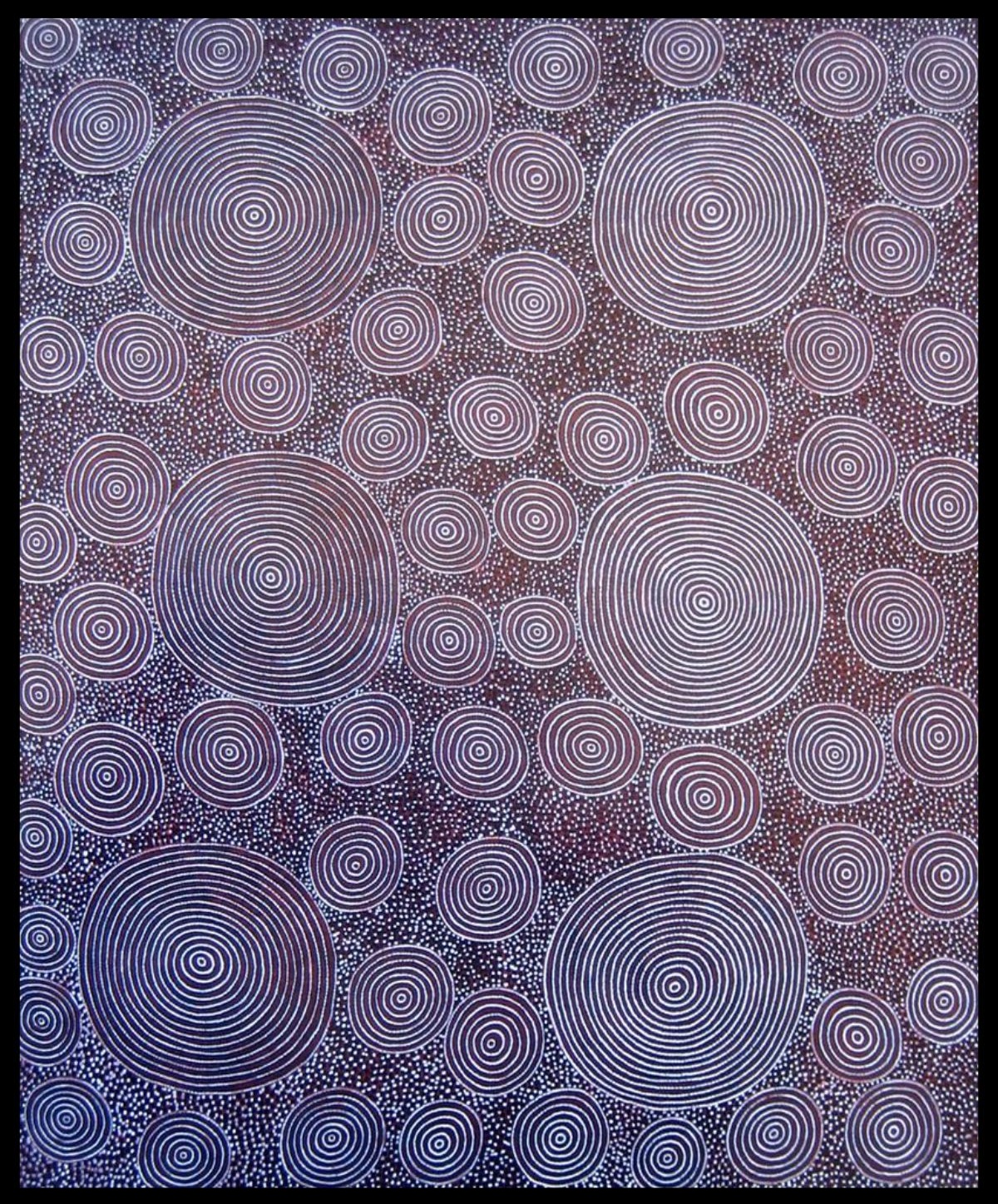
Australian aboriginal painting by Mick Namarari Tjapaltjarri

What is Western Desert Art?

Western Desert Art refers to the major Aboriginal painting movement that emerged across the desert regions of Central and Western Australia during the early 1970s and continued to evolve through to the modern day. Although today it is internationally recognised for its striking dot paintings and symbolic aerial landscapes, Western Desert Art is deeply connected to much older ceremonial traditions, Dreaming stories, body painting, sand mosaics, and sacred cultural knowledge that had existed across the desert for thousands of years.

The movement first gained international attention at Papunya in the Northern Territory, where senior Aboriginal men began transferring ceremonial designs onto boards and canvas using acrylic paints. These paintings were not invented from nothing. Rather, they adapted ancient visual systems traditionally used in ceremony and storytelling into a contemporary artistic form. Many aboriginal art symbols seen within Western Desert painting — including concentric circles, travelling lines, animal tracks, and ceremonial motifs — relate to ancestral journeys, sacred sites, waterholes, kinship systems, and the spiritual geography of Country.

Unlike purely decorative abstract painting, Western Desert Art functions as a cultural map encoding layers of meaning connected to Tjukurrpa, often translated as the Dreaming or Dreamtime. Paintings may depict the travels of ancestral beings across the landscape, ceremonial pathways, important water sources, hunting stories, or sacred sites associated with particular clans and custodians. In many works, meaning exists on multiple levels, with some cultural knowledge remaining restricted or known only to initiated custodians.

Today the term Western Desert Art encompasses a vast network of Aboriginal painting traditions. While each region developed its own stylistic characteristics, all remain connected through shared desert cosmology, ceremony, and ancestral law.

Western Desert painting also transformed the international perception of Aboriginal Australian art as one of the most important contemporary artistic movements of the twentieth century, with major works now held in museums and collections throughout the world.

The Origins of Western Desert Painting

The origins of Western Desert painting lie in some of the world’s oldest continuing cultural traditions. Long before acrylic paint was introduced, Aboriginal peoples across Central Australia used symbolic designs in ceremony, body painting, sand mosaics, rock art, and carved sacred objects to express ancestral knowledge, sacred geography, and connections to Country.

These designs formed part of Tjukurrpa (the Dreaming), the system of ancestral law that governs creation stories, kinship, ceremony, and custodianship of land. Symbols representing waterholes, travelling routes, campsites, and ancestral journeys were traditionally drawn onto the body,  in ceremonial sand mosaics, or painted onto ceremonial objects. Many of the motifs later seen in Western Desert painting derive directly from these older traditions.

Contemporary Western Desert painting emerged publicly at Papunya in the Northern Territory during the early 1970s. Established as a government settlement bringing together people from several desert language groups, Papunya became the birthplace of a new artistic movement. Amid cultural disruption and displacement, senior Aboriginal men began adapting ceremonial imagery into paintings using modern materials.

A key figure was schoolteacher Geoffrey Bardon, who encouraged artists to paint traditional stories and designs onto boards and murals. In 1971, senior artist Kaapa Tjampitjinpa gained national attention after winning an art award with a work based on ceremonial Dreaming imagery, a milestone often seen as marking the beginning of the contemporary Aboriginal art movement.

Artists including Johnny Warangkula Tjupurrula, Clifford Possum Tjapaltjarri, and Anatjari Tjakamarra soon developed increasingly sophisticated paintings.  During this period, dotting also emerged as a distinctive technique initially used while painting rain making dreamings to depict rain and later helping obscure restricted ceremonial elements while preserving the overall story.

From Papunya, the movement spread across desert communities including Yuendumu, Balgo, Utopia, Kintore, Kiwirrkurra, and the APY Lands. Each region developed its own visual identity while remaining connected through shared ancestral traditions and cultural law. 
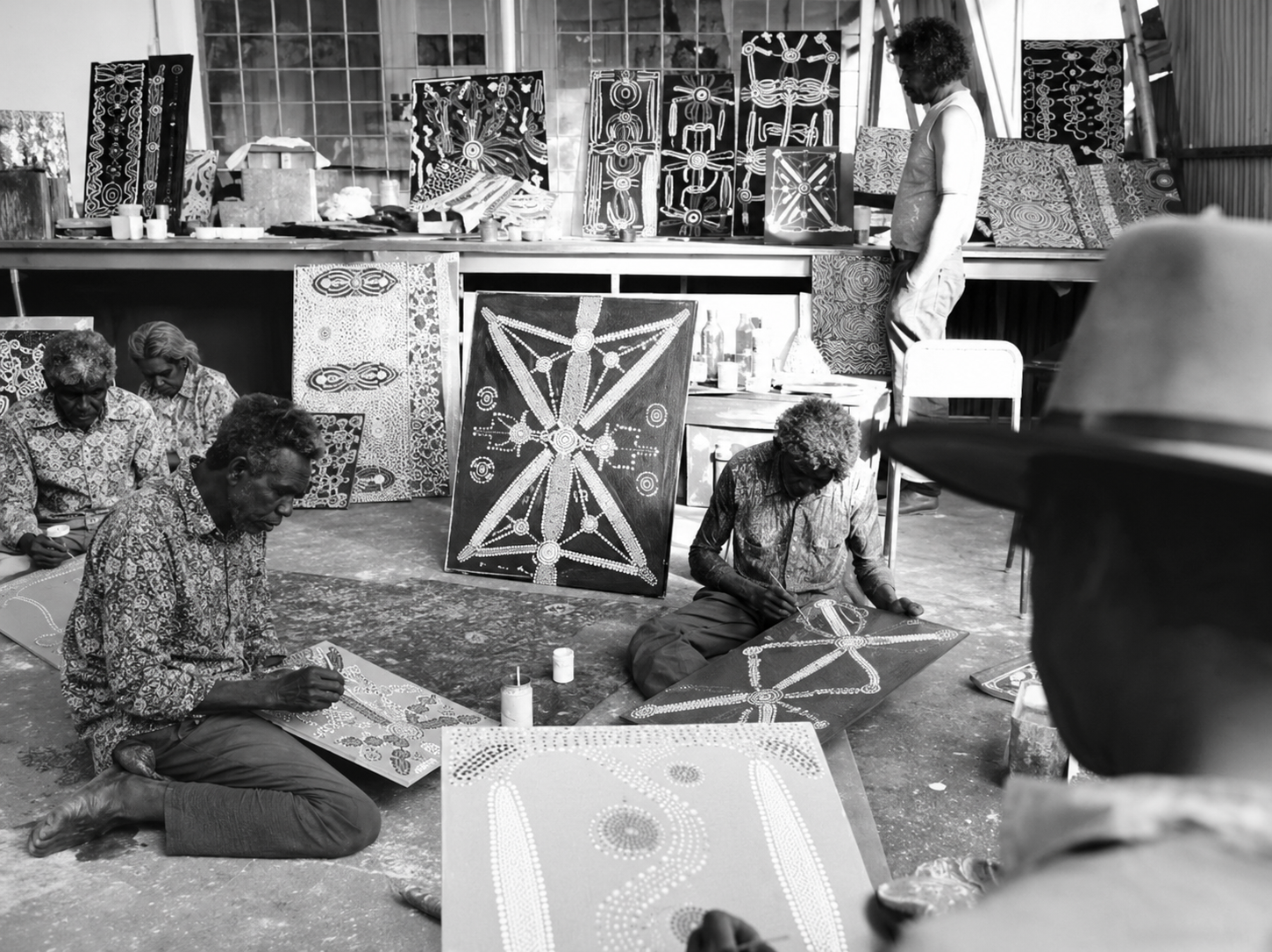
Historic black-and-white photograph of Aboriginal artists painting early Western Desert Art canvases inside the men's painting shed
Early ceremonial style painting by Kaapa Mbitjana Tjampitjinpa from the Papunya aboriginal dot art movement
Tingari painting using squares instead of concentric circles
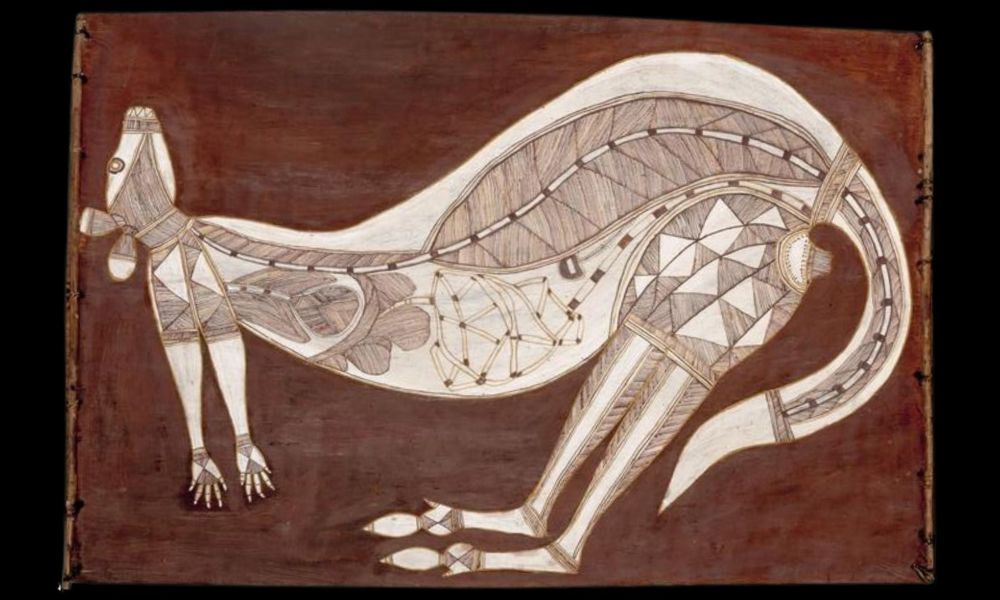
Traditional Oenpelli X-ray kangaroo bark painting showing internal ceremonial designs for comparison with Papunya Western Desert Art styles

How Western Desert Art Differs from Other Aboriginal Art Styles

Western Desert Art differs from many other Aboriginal art traditions through its distinctive use of symbolic aerial perspective, complex ceremonial iconography, and interconnected networks of Dreaming pathways extending across the desert interior of Australia. While all Aboriginal art traditions are deeply connected to Country, ancestral law, and ceremony, each region developed its own visual language shaped by local environment, spiritual traditions, and cultural practices.

One of the defining characteristics of Western Desert painting is its highly symbolic structure. Rather than depicting songlines naturalistically, many Western Desert artists represent Country from an aerial or conceptual perspective using concentric circles, travelling lines, dotted fields, and geometric ceremonial motifs. 

This differs significantly from the figurative traditions of Oenpelli in Arnhem Land in northern Australia, where artists frequently depict fish, animals, and ancestral beings in detailed X-ray style showing internal anatomy and skeletal structures. Arnhem Land bark painters in places like Yirrkala also developed highly refined crosshatching systems known as rarrk, creating intricate optical surfaces associated with clan identity and ceremonial authority.

Western Desert painting also differs from the rock art traditions of the Kimberley region in northern Western Australia. Kimberley art is especially renowned for the elegant Gwion Gwion figures and the powerful Wandjina ancestral beings associated with rain, fertility, and creation. Unlike the symbolic aerial mapping systems common within Western Desert painting, Kimberley painting traditions often emphasise large anthropomorphic spirit figures. 

Another major distinction is the development of dotting within Western Desert Art. While dotting existed within other Aboriginal Art Styles, the extensive use of layered acrylic dots became strongly associated with Papunya and later desert painting movements. Over time this technique evolved into one of the most recognisable visual signatures of contemporary Aboriginal art internationally.

The Major Regions of Western Desert Art

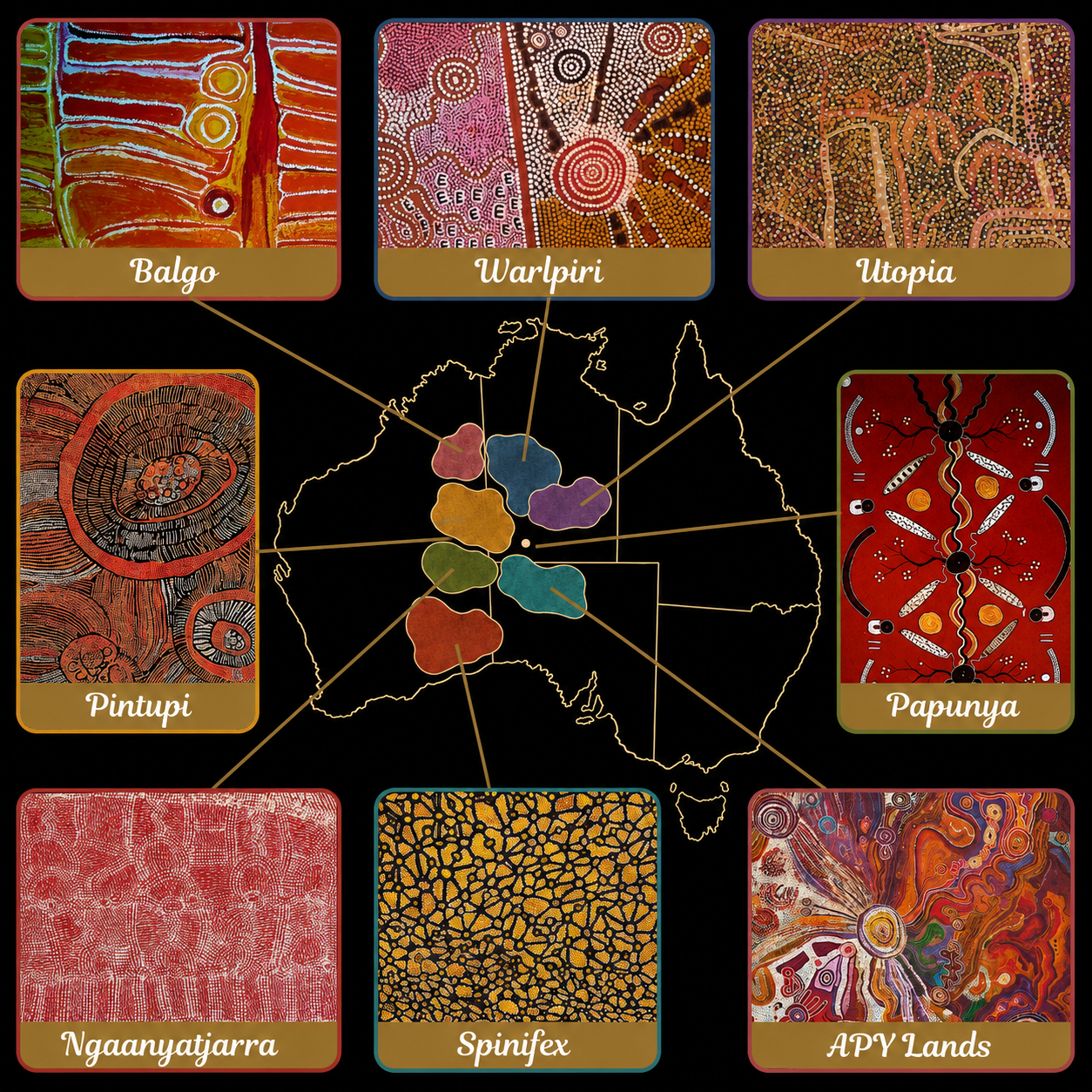
Although Western Desert Art is often discussed as a single movement, it actually encompasses a vast network of regional painting traditions extending across Central and Western Australia. Each community developed its own artistic identity shaped by local Dreaming traditions, ceremonial practices, landscape, language groups, and senior artists. Together these regions form one of the largest and most influential cultural painting movements in the world.


Map of Australia showing the major regional styles of Western Desert Art including Balgo, Warlpiri, Utopia, Pintupi, Ngaanyatjarra, Spinifex and APY Lands, surrounded by representative Aboriginal artworks from each region.

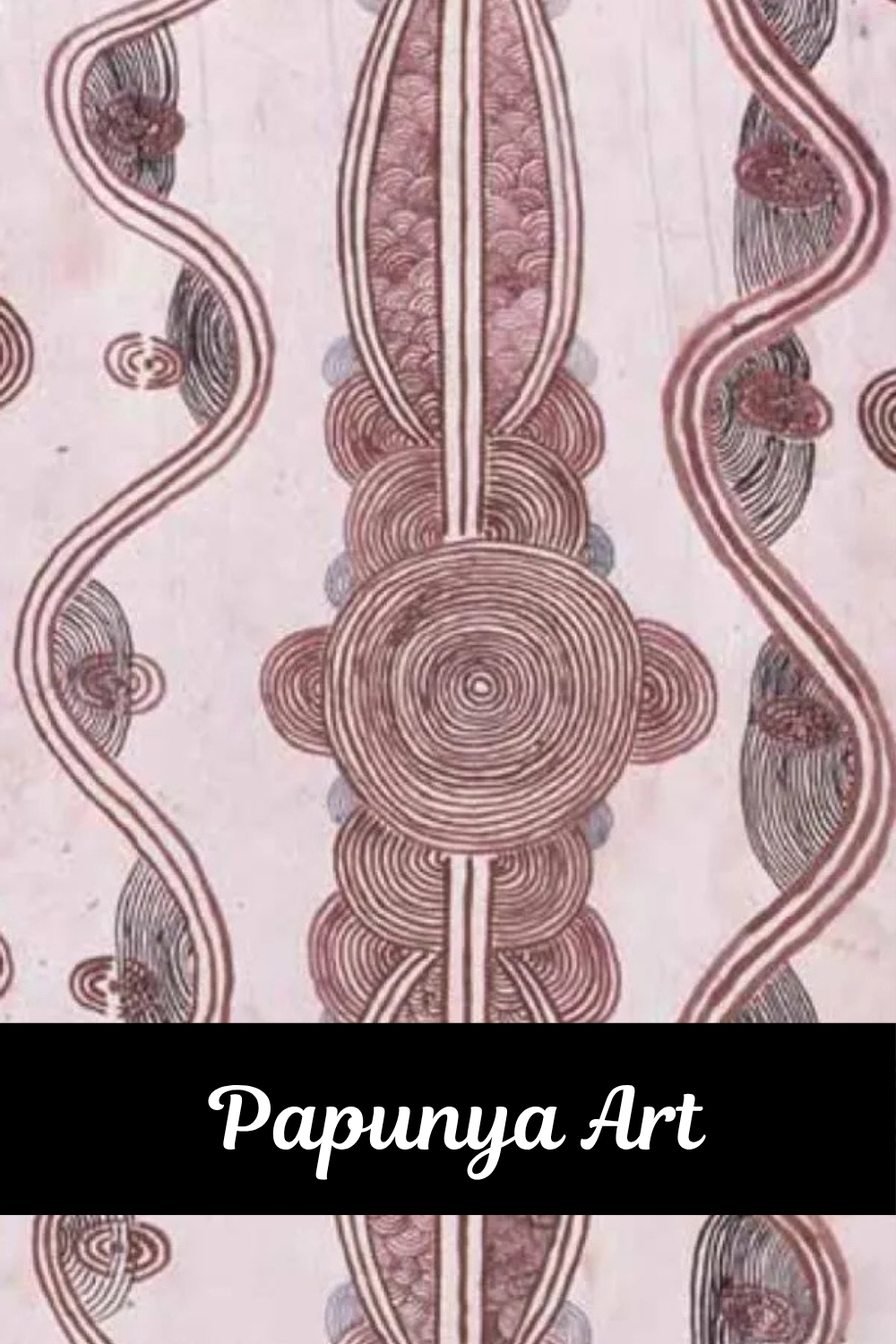
Papunya

Papunya is regarded as the birthplace of the contemporary Western Desert painting movement. Located northwest of Alice Springs in the Northern Territory, the settlement became internationally significant during the early 1970s when senior Aboriginal men began translating ceremonial designs and Dreaming narratives into acrylic paintings on boards and canvas.

Artists associated with the early Papunya movement include Kaapa Tjampitjinpa, Johnny Warangkula Tjupurrula, Clifford Possum Tjapaltjarri, and Anatjari Tjakamarra. Their paintings lead to the recognition of the symbolic and compositional foundations that later defined Western Desert Art internationally.

Papunya painting is especially recognised for it’s Aboriginal Art Symbols and aerial perspectives of Country and customs.

Papunya Tula

Papunya Tula is the name of the Aboriginal Co-operative established in 1972 to sell Aboriginal Artworks being created in Papunya.


Early Papunya board painting by Old Walter Tjampitjinpa featuring concentric circles, ceremonial pathways, and symbolic desert iconography in ochre, white, black, and red.

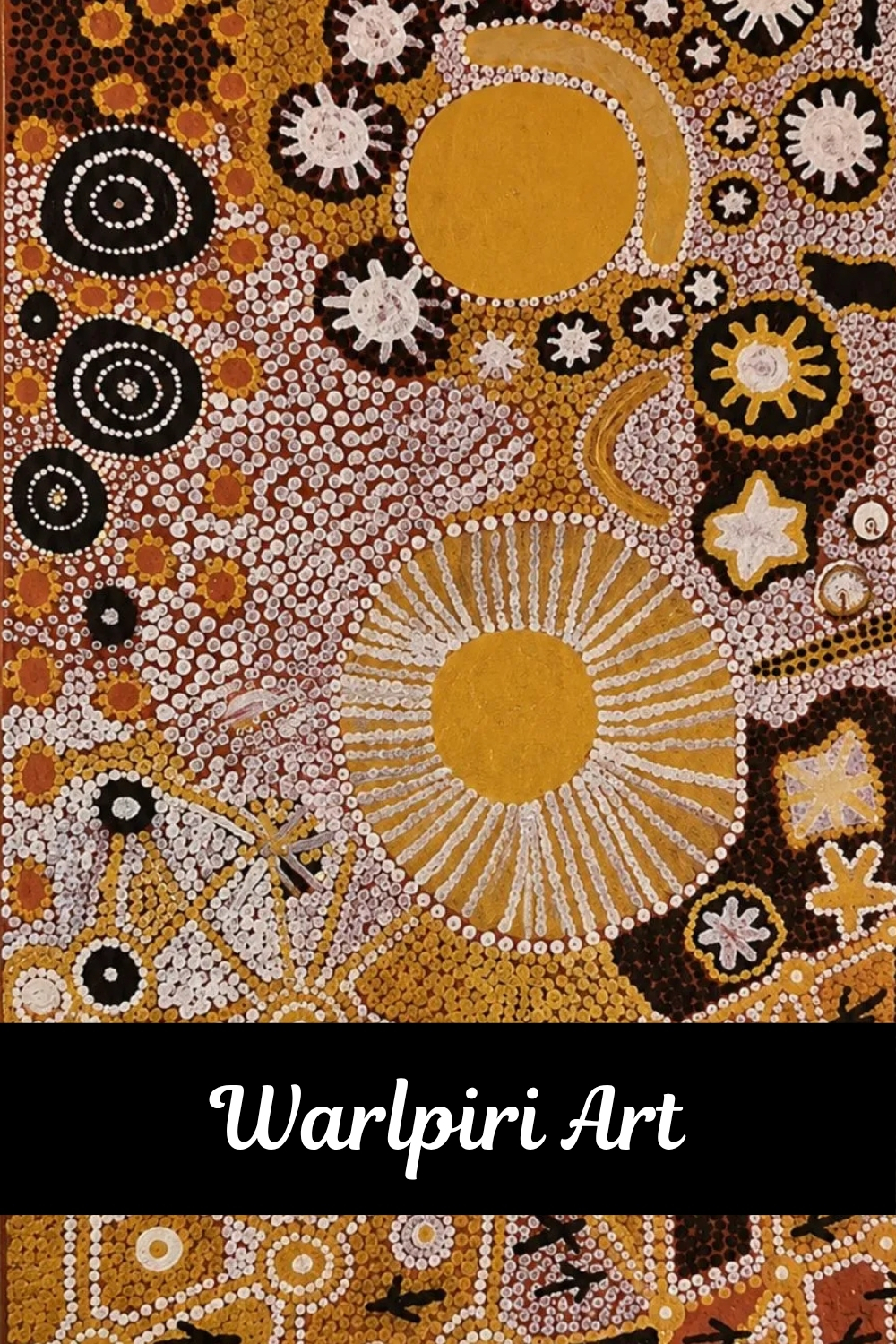
Warlpiri Art

Yuendumu, a Warlpiri community northwest of Alice Springs, developed one of the most important regional painting traditions associated with the Western Desert movement. Yuendumu artists are especially known for strong ceremonial structure, bold graphic compositions, and extensive use of traditional iconography connected to Warlpiri law and Dreaming stories.

The region became internationally recognised through projects such as the Yuendumu school doors, painted in the early 1980s with important Dreaming designs associated with local custodianship and ceremonial knowledge.

For more detailed information feel free to read Walpiri Art.

Colourful Warlpiri painting by Judy Watson Napangardi featuring flowing vertical lines and symbolic forms representing the Wititji Hairstring Dreaming.

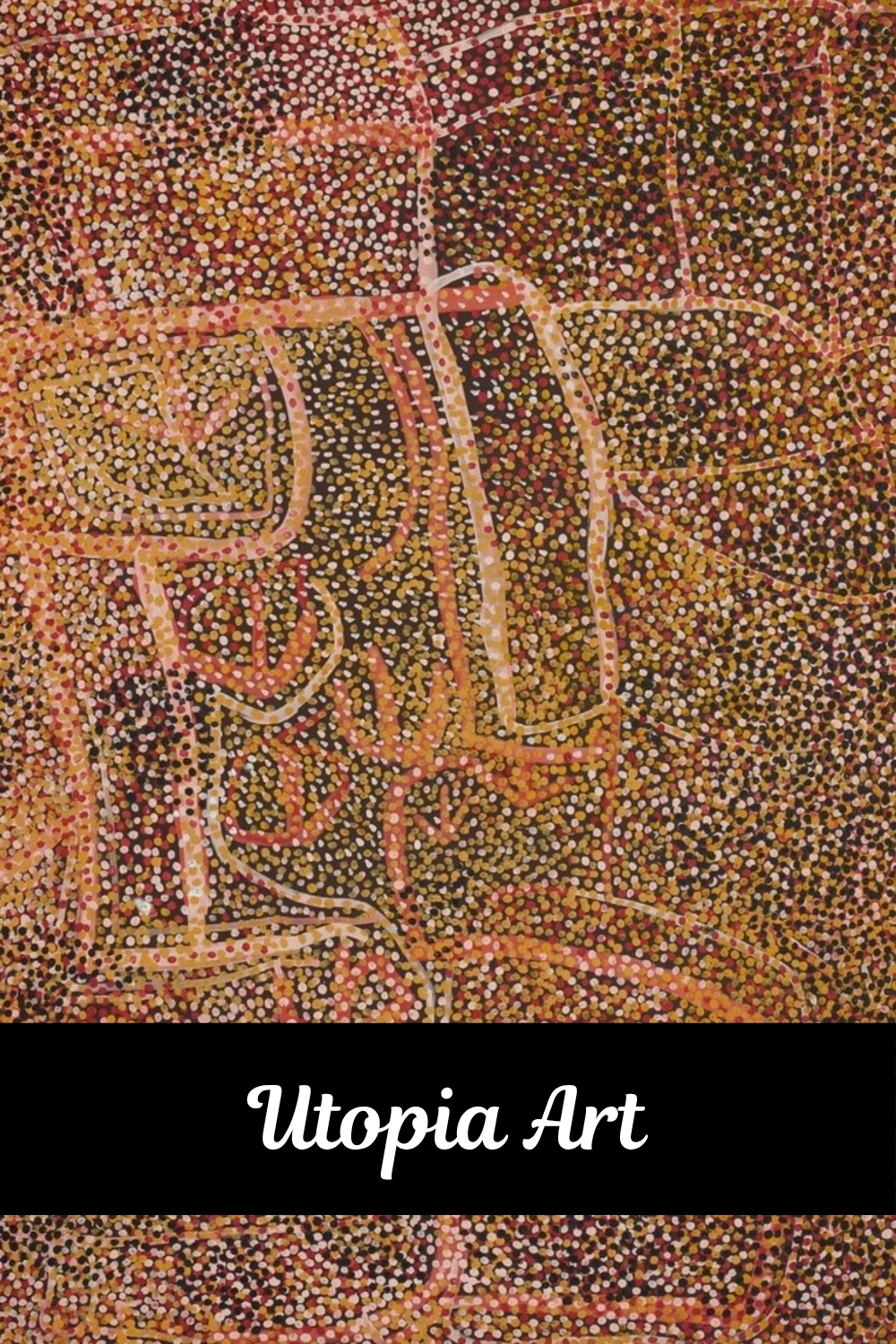
Utopia Art

The Utopia Art region northeast of Alice Springs developed one of the most distinctive painting movements within Western Desert Art during the late twentieth century. While Papunya painting emerged largely from men’s ceremonial designs, carved objects, and sand mosaics, Utopia Art evolved from women’s body painting traditions and ceremonial knowledge.  Unlike Papunya Utopia was strongly influenced by it’s origins as a batik movement that started in 1976.

Although Utopia artists share the same deep spiritual connection to Country found throughout Western Desert Art, their paintings often express this relationship through a markedly different visual language. Compared with the structured ceremonial mapping and geometric symbolism associated with early Papunya painting, Utopia Art is frequently more fluid, lyrical, and organic. Artists developed highly individual styles characterised by rhythmic dotting, flowing linework, expressive brushwork, and luminous colour.

The movement achieved international recognition through artists such as Emily Kame Kngwarreye, Kathleen Petyarre, Gloria Petyarre, and Ada Bird Petyarre, whose paintings transformed perceptions of contemporary Aboriginal art. While visually diverse, Utopia paintings remain deeply grounded in ancestral law, women’s ceremony, Dreaming narratives, and the enduring relationship between people and Country.


Western Desert Art painting by Emily Kame Kngwarreye featuring dense layers of colourful dotting and abstract ceremonial forms from the Utopia region.

Balgo Art

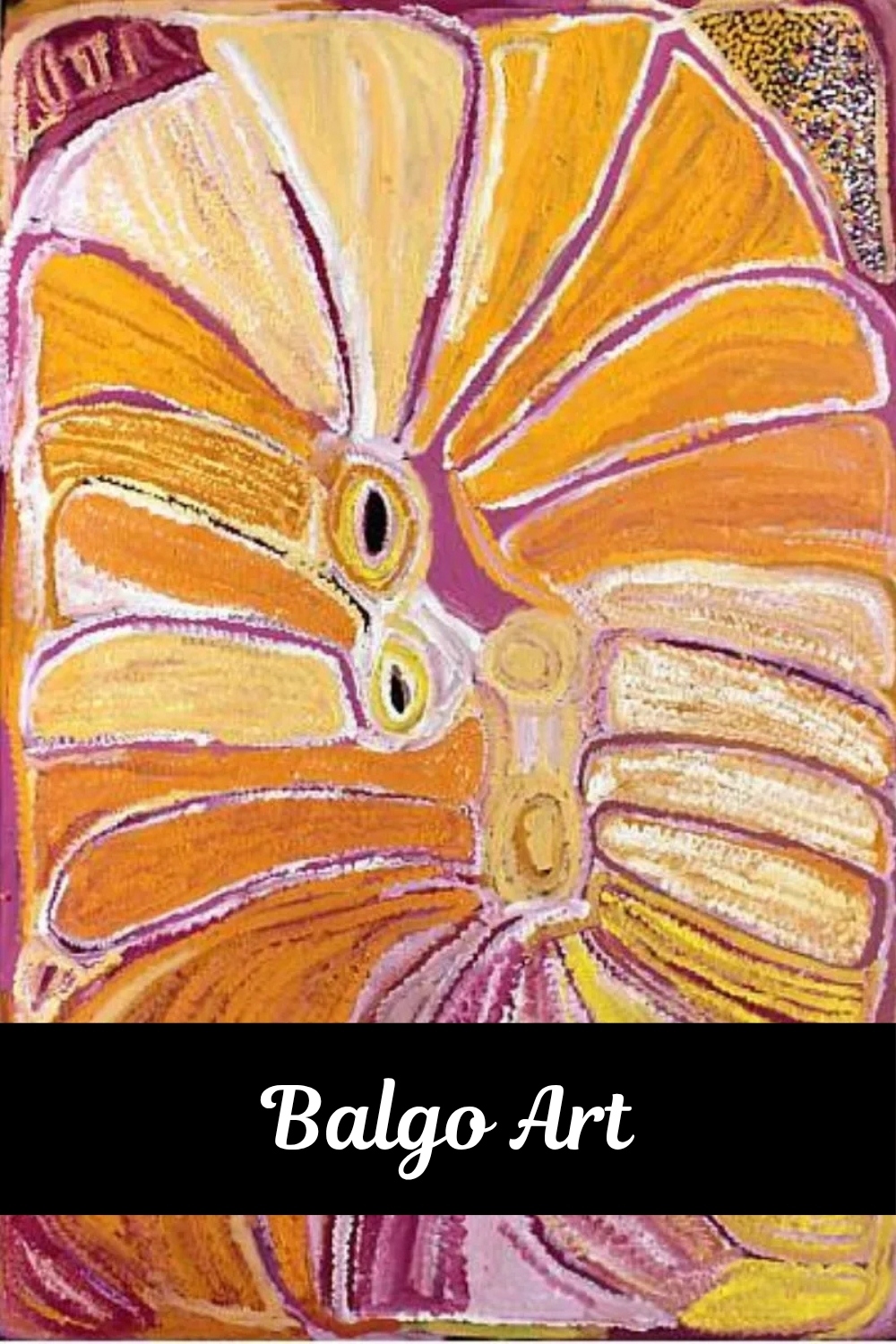
Balgo, located on the edge of the Great Sandy Desert in Western Australia, developed one of the most visually dramatic Western Desert painting traditions. Balgo artists frequently employ luminous colour palettes, energetic brushwork, and expressive compositional structures quite distinct from the more restrained early Papunya art.

Balgo painting combines influences from multiple desert cultural traditions and is widely admired for its powerful abstraction and emotional intensity.

For more about Balgo Art feel free to read this article


Balgo painting by Eubena Nampitjin depicting luminous sandhill country and ancestral desert landscape

Pintupi Kintore and Kiwirrkurra Art

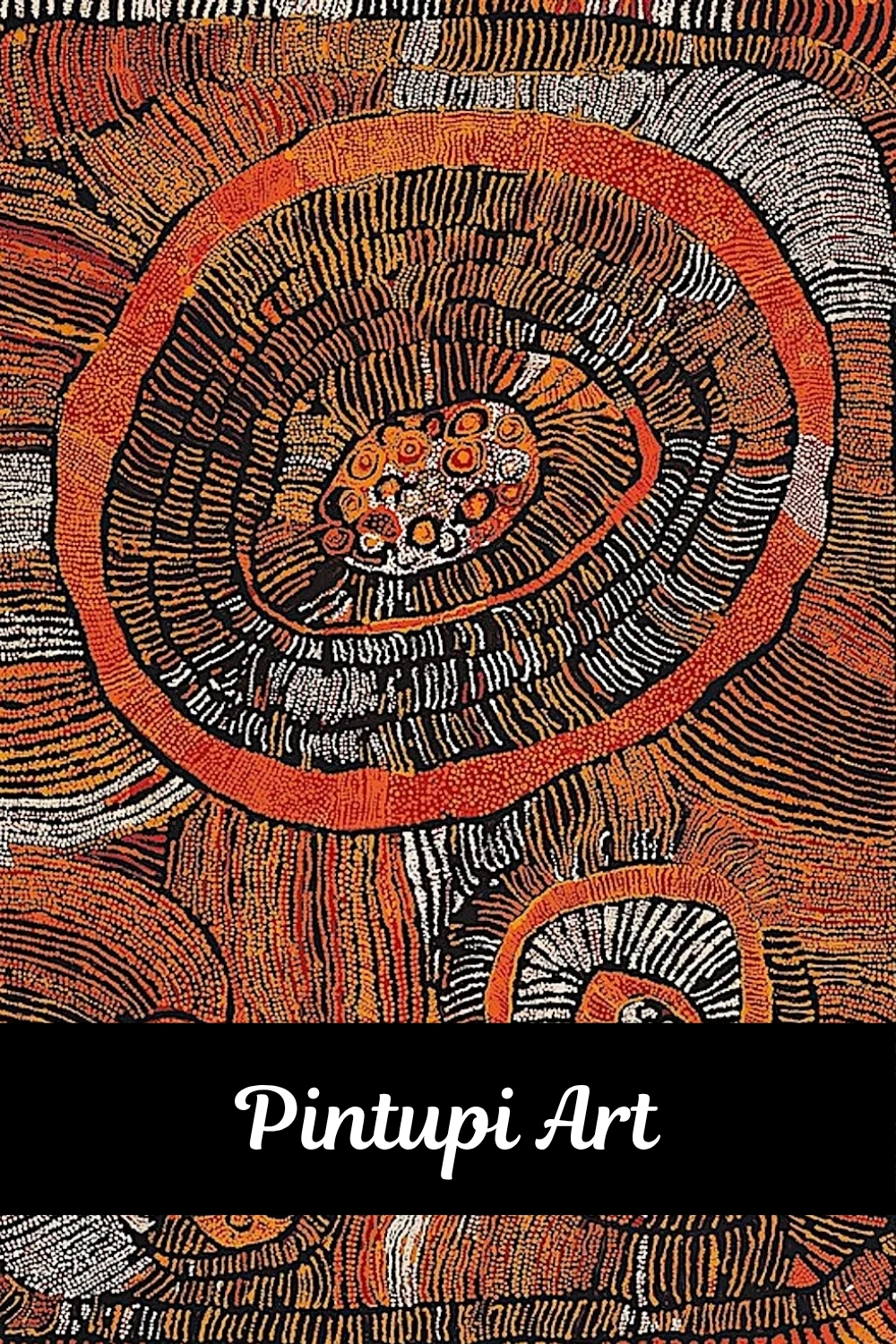
Kintore and Kiwirrkurra became major centres of contemporary Pintupi art following the return of many Pintupi families to their traditional homelands during the late twentieth century. Paintings from these regions often depict extensive ancestral journeys across vast desert landscapes associated with important Tingari ceremonial traditions.

Artists from these communities developed highly sophisticated fields of shimmering dotting and intricate symbolic mapping systems representing sacred geography and interconnected Dreaming tracks extending across the Western Desert.

Western Desert Art painting by Naata Nungurrayi featuring concentric ceremonial forms, flowing linework, and dense dotting in rich ochre, black, orange, and white tones.

The APY Lands

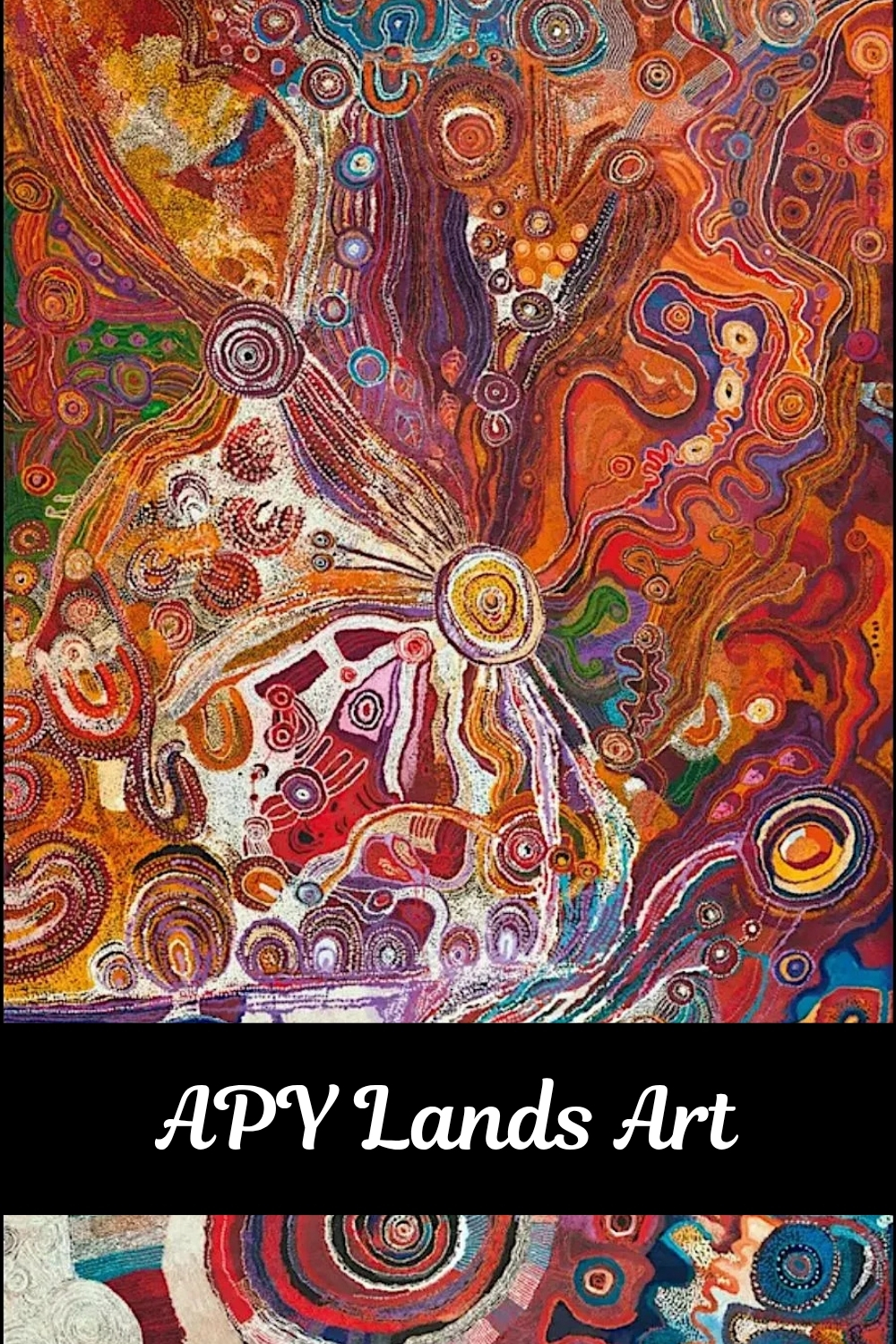
The Anangu Pitjantjatjara Yankunytjatjara or APY Lands Art of northwest South Australia support a major contemporary painting tradition closely connected to Pitjantjatjara and Yankunytjatjara cultural traditions. Painting styles across the APY Lands vary considerably between communities, often combining dense symbolism with bold colour relationships and expressive interpretations of ancestral Country.

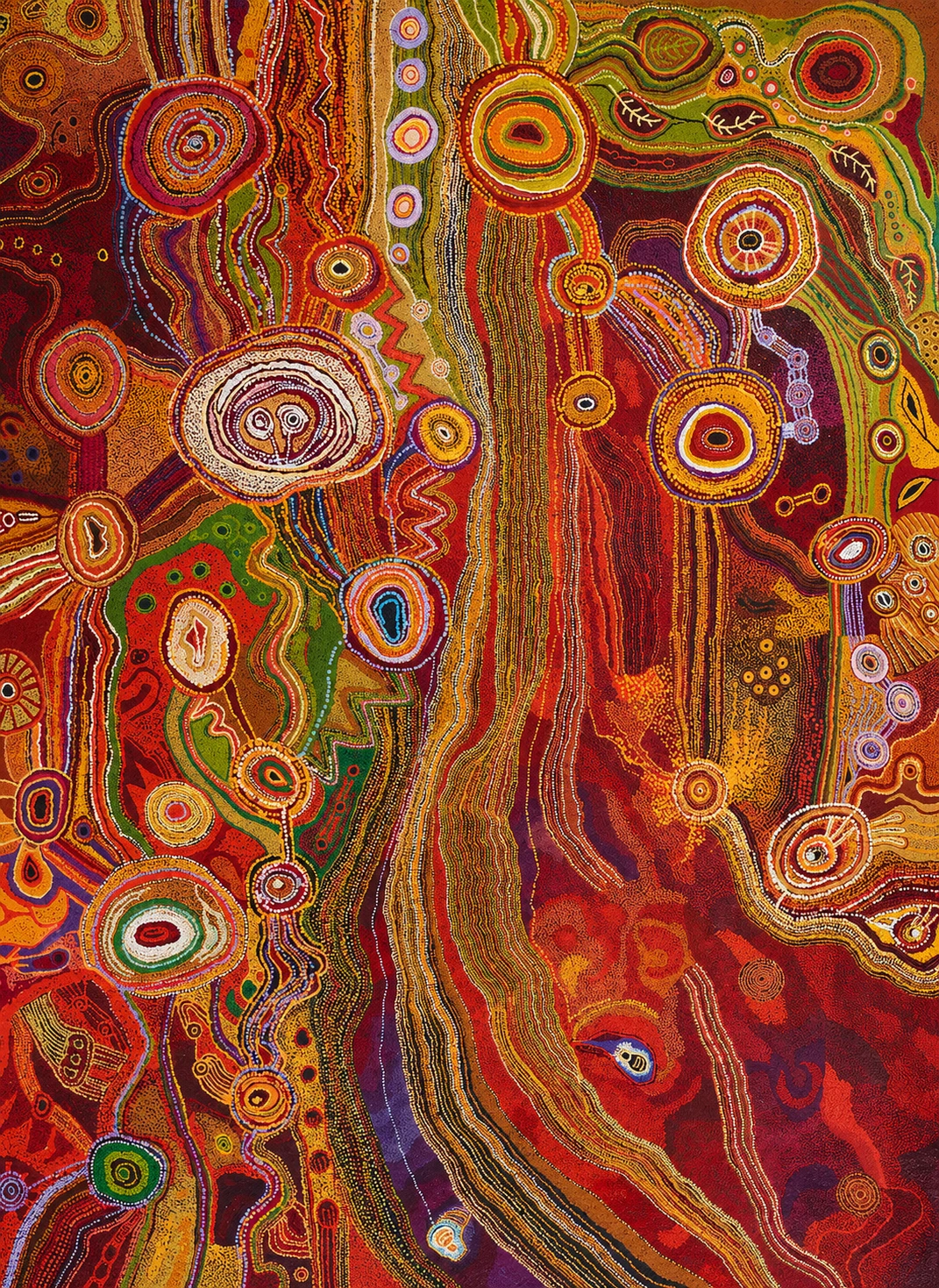
This region is best known for it’s large collaborative paintings of the Seven Sisters Dreaming 


Painting by Sandra Ken featuring vibrant red, orange, purple, and yellow dot work depicting interconnected sacred sites and ancestral pathways associated with the Seven Sisters Dreaming.

Western Australian Desert Communities

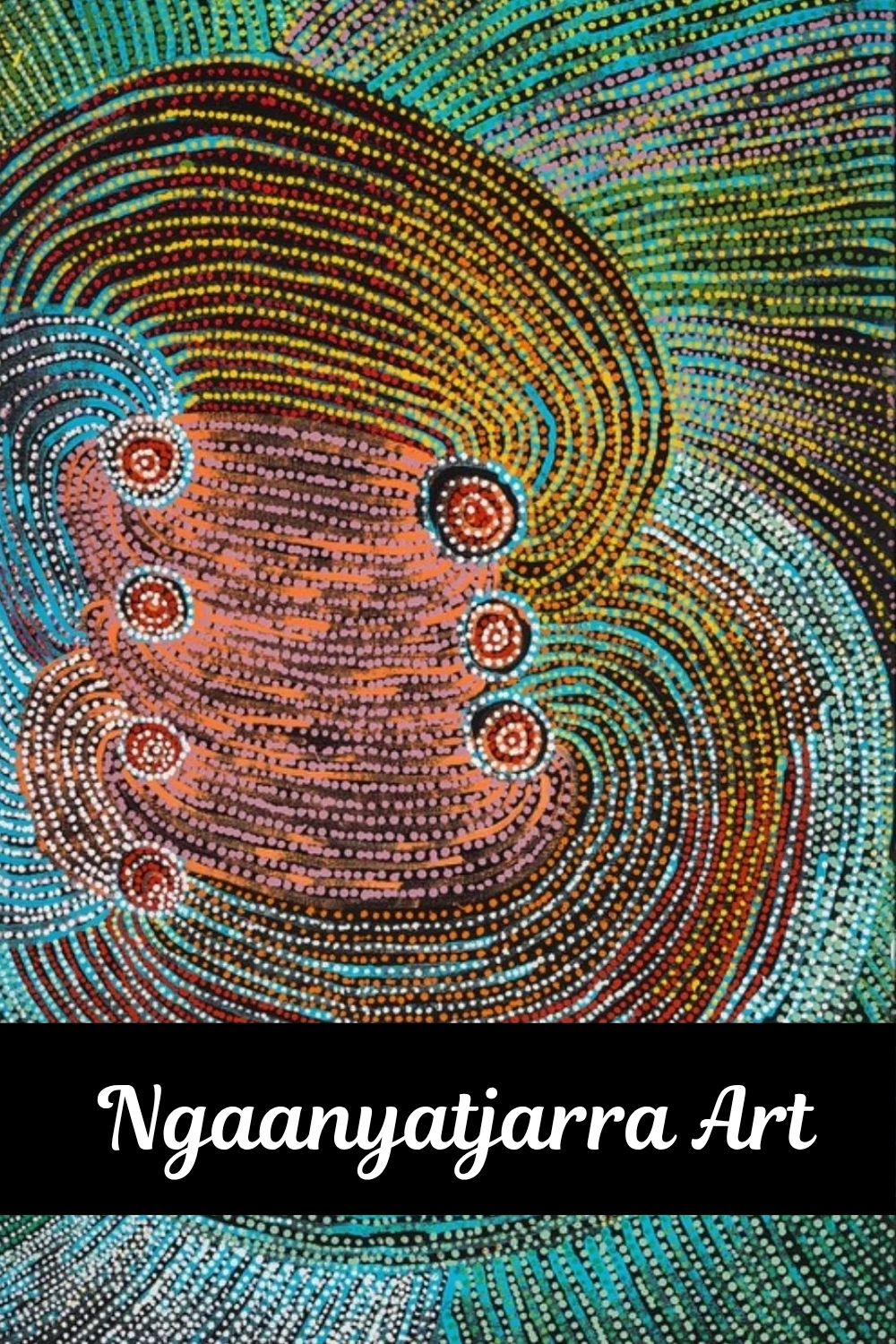
A number of important desert painting traditions also developed across remote Western Australian communities including Warmun-adjacent desert regions, the Ngaanyatjarra Lands, and communities extending toward the Gibson and Great Sandy Deserts. While connected to broader Western Desert cosmology, many of these regions developed highly individual approaches to colour, symbolism, and compositional structure.

Together these regional traditions demonstrate that Western Desert Art is not a single uniform style, but rather a vast interconnected cultural movement shaped by ancestral law, ceremony, landscape, and the extraordinary diversity of Aboriginal desert communities across Australia.

Colourful Aboriginal dot painting by Tommy Mitchell featuring concentric circles, flowing pathways, and vibrant turquoise, pink, orange, and black patterns representing sacred sites in the Western Desert.

The Most Important Western Desert Artists

Western Desert Art produced some of the most influential and internationally celebrated Aboriginal artists of the twentieth century. It is very difficult to choose the most important but the following certainly made massive contributions.

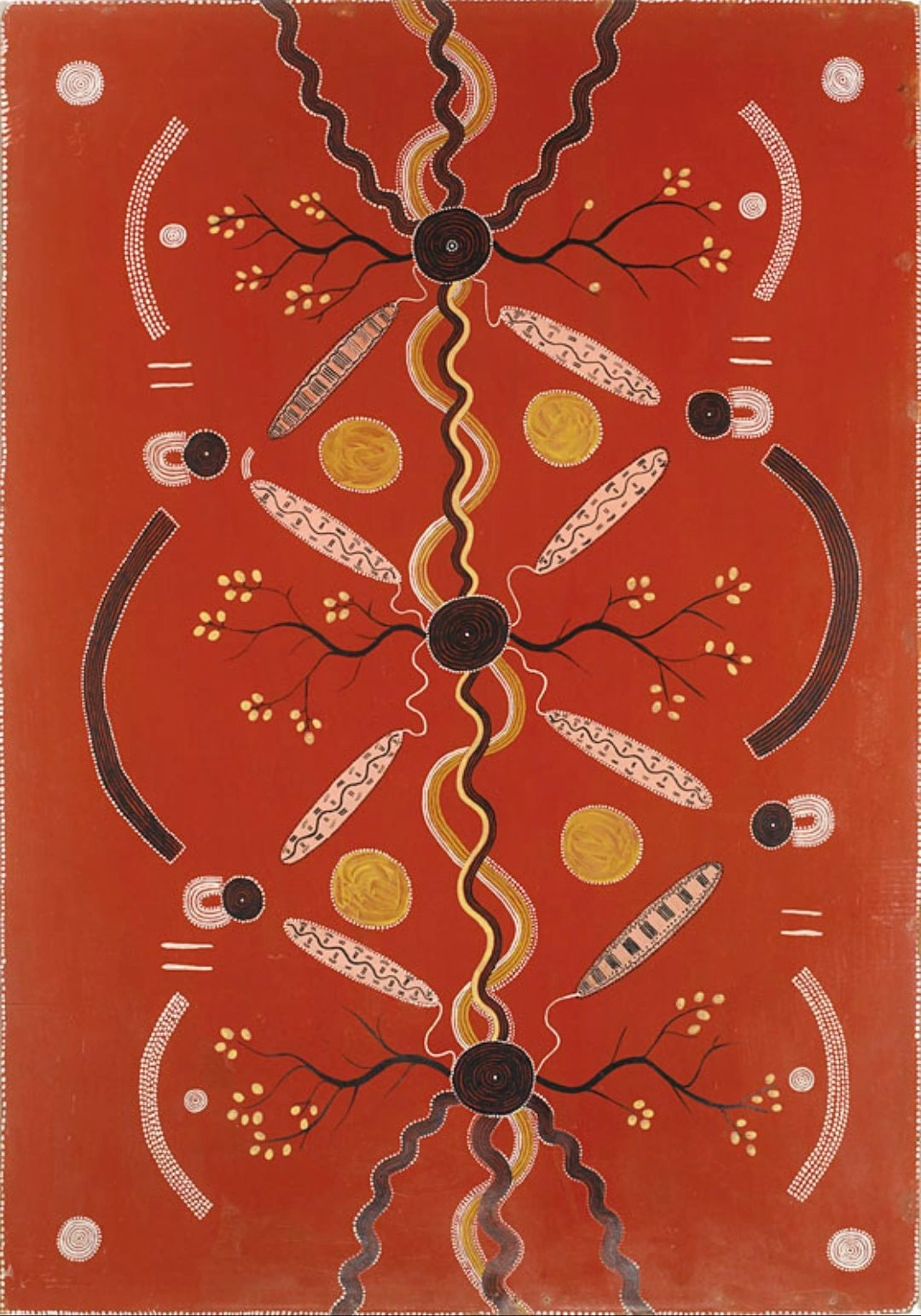
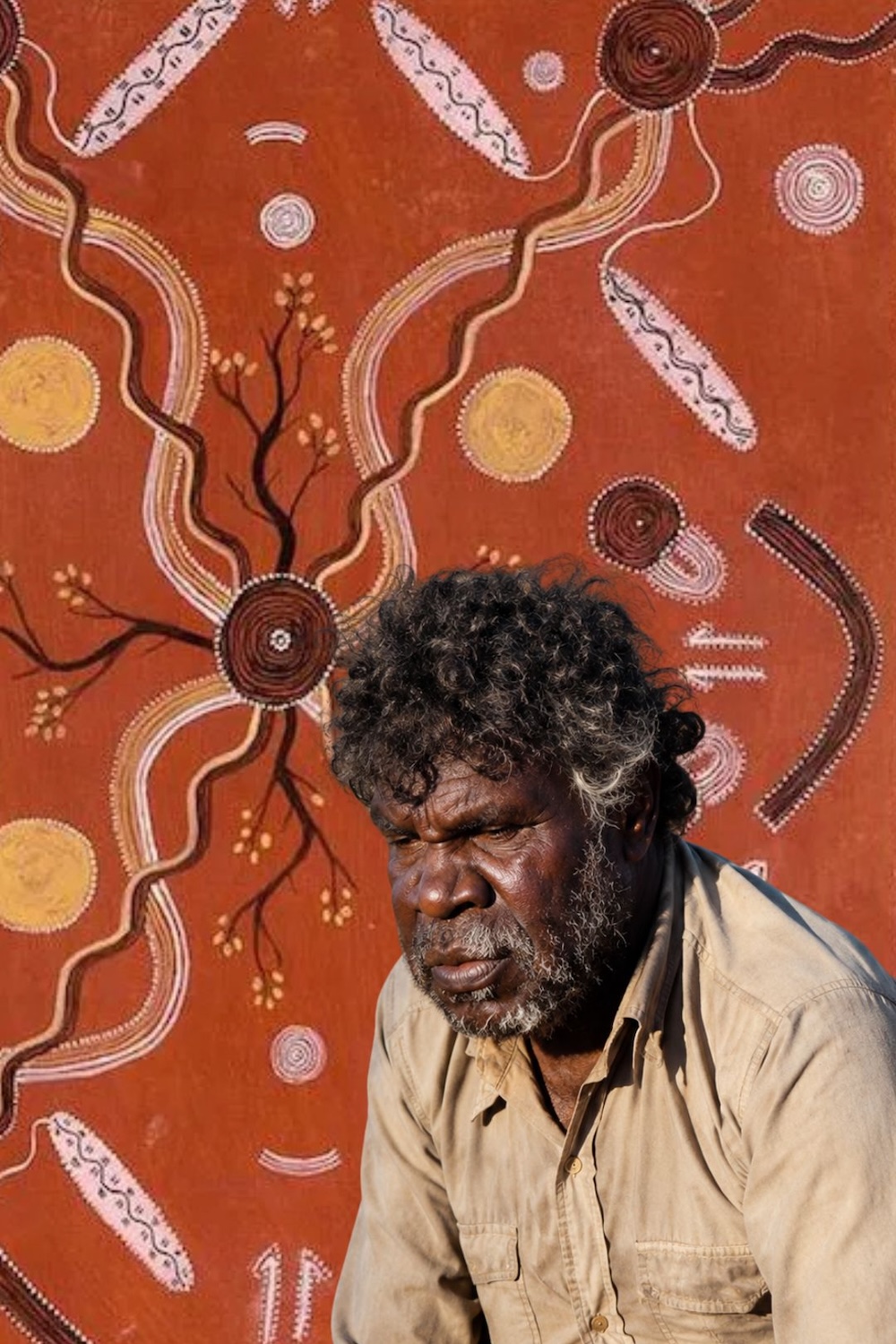
Early Western Desert painting by Kaapa Tjampitjinpa featuring symmetrical ceremonial imagery, ancestral pathways, and symbolic Papunya designs

Kaapa Tjampitjinpa

Kaapa Mbitjana Tjampitjinpa is widely regarded as one of the founding figures of the contemporary Western Desert painting movement. A senior Anmatyerre and Pintupi lawman associated with Papunya, Kaapa played a pivotal role in transferring ceremonial imagery onto painted boards during the early 1970s.

His landmark painting Gulgardi won a major art award in Alice Springs in 1971 and is often regarded as the spark that started the emergence of contemporary Aboriginal art. 

Early Papunya painting by Johnny Warangkula Tjupurrula featuring ceremonial imagery, dotted surfaces, and Water Dreaming symbolism from the Western Desert Art movement

Johnny Warangkula Tjupurrula

Johnny Warangkula Tjupurrula was one of the founding artists of the Papunya movement and became best known for his Water Dreaming paintings. These works often depicted rain, water sources, and ancestral landscapes through innovative fields of dotting that transformed the visual language of Western Desert Art.

While other artists also used dots, Warangkula’s creative experimentation and commercial success helped popularise the technique. His paintings are celebrated for their shimmering surface movement, atmospheric depth, and sophisticated evocation of water, vegetation, and Country.

Unlike the more structured compositions of many early Papunya works, Warangkula’s paintings possess a lyrical, almost impressionistic quality. Today, his early masterpieces are regarded among the most important and highly sought-after works in Aboriginal Australian art.


Early Papunya painting by Clifford Possum Tjapaltjarri depicting ceremonial Aboriginal figure, concentric circles, and symbolic Western Desert imagery

Clifford Possum Tjapaltjarri

Clifford Possum Tjapaltjarri became one of the most internationally recognised artists associated with the Western Desert movement. Sone of his early works included depictions of Aboriginal people in ceremonial dress.  In 1976 Clifford and his brother Tim Leura created a monumental canvas Warlugulong which combined multiple Dreaming narratives into vast interconnected compositions representing ancestral journeys across Country.

Clifford was one of the first artists to introduce non traditional motifs like footprints and combine them with traditional motif and use dotting to deliberatly obscure sacred design.


Painting by Emily Kame Kngwarreye featuring intricate fields of red, cream, yellow, and white dotting representing Wild Yam Dreaming and the ancestral landscape of Alhalker Country.

Emily Kame Kngwarreye

Emily Kame Kngwarreye transformed international perceptions of Aboriginal contemporary art during the late twentieth century. Emerging from the Utopia region northeast of Alice Springs, she developed a highly individual visual language based on body painting which departed from the dense geometric dotting associated with earlier Papunya painting.

Her paintings often employ sweeping colour fields, rhythmic linear movement, and highly expressive abstraction rooted in ancestral relationships to Country and ceremony. Today Kngwarreye is regarded not only as one of the greatest Aboriginal artists, but as one of the most important Australian painters of the modern era.


Western Desert Aboriginal painting by Mick Namarari Tjapaltjarri featuring intricate fields of white dotting across an ochre ground, representing ancestral landscapes and Dreaming tracks.

Mick Namarari Tjapaltjarri

Mick Namarari Tjapaltjarri contributed to the evolution of Western desert art from the very start of the Papunya Movement but became internationally renowned for his minimalist interpretations of desert Country especially his Mouse dreamings.

Unlike the dense iconographic structures of early Papunya works, Namarari often reduced landscape to spatial fields of subtly different shades of dot.

His paintings possess a remarkable meditative quality and are considered among the most refined examples of late twentieth-century Western Desert abstraction.

Dreaming Stories and Cultural Meaning in Western Desert Art

Dreaming stories lie at the heart of Western Desert Art. Far more than decorative abstraction, Western Desert painting functions as a cultural and spiritual system through which Aboriginal artists express ancestral law, sacred geography, ceremony, kinship, and the enduring relationship between people and Country.

Across the desert interior of Australia, Aboriginal peoples use the term Tjukurrpa — often translated as the Dreaming or Dreamtime — to describe the ancestral framework governing creation, morality, ceremonial life, and custodianship of land. Tjukurrpa is not simply mythology or folklore in a Western sense. Rather, it represents a living spiritual order connecting past, present, and future through ancestral beings whose actions shaped the landscape and established cultural law.

Many Western Desert paintings depict particular sites or ancestral travels through highly symbolic visual systems.

Importantly, Western Desert painting rarely functions as literal illustration. Meaning often exists simultaneously on multiple levels. A painting may operate as a map of Country, a ceremonial design, a representation of ancestral journeys, and an expression of spiritual authority all at once. Some meanings are publicly accessible, while deeper ceremonial knowledge may remain restricted to initiated custodians.

This relationship between art and cultural authority helps explain the extraordinary symbolic complexity of Western Desert painting. Artists are not simply inventing abstract designs for aesthetic purposes. Many paintings emerge from inherited rights and responsibilities connected to particular Dreamings, sacred sites, and ceremonial traditions passed through generations.

Different regions and language groups across the Western Desert maintain distinct Dreaming traditions associated with specific ancestral beings and sacred sites. Tingari stories associated with Pintupi traditions, Yam Dreamings, Honey Ant Dreamings, Water Dreamings, and numerous other ancestral narratives continue to form the foundation for many contemporary paintings.

Today Western Desert Art remains one of the most powerful visual expressions of living Aboriginal culture. 
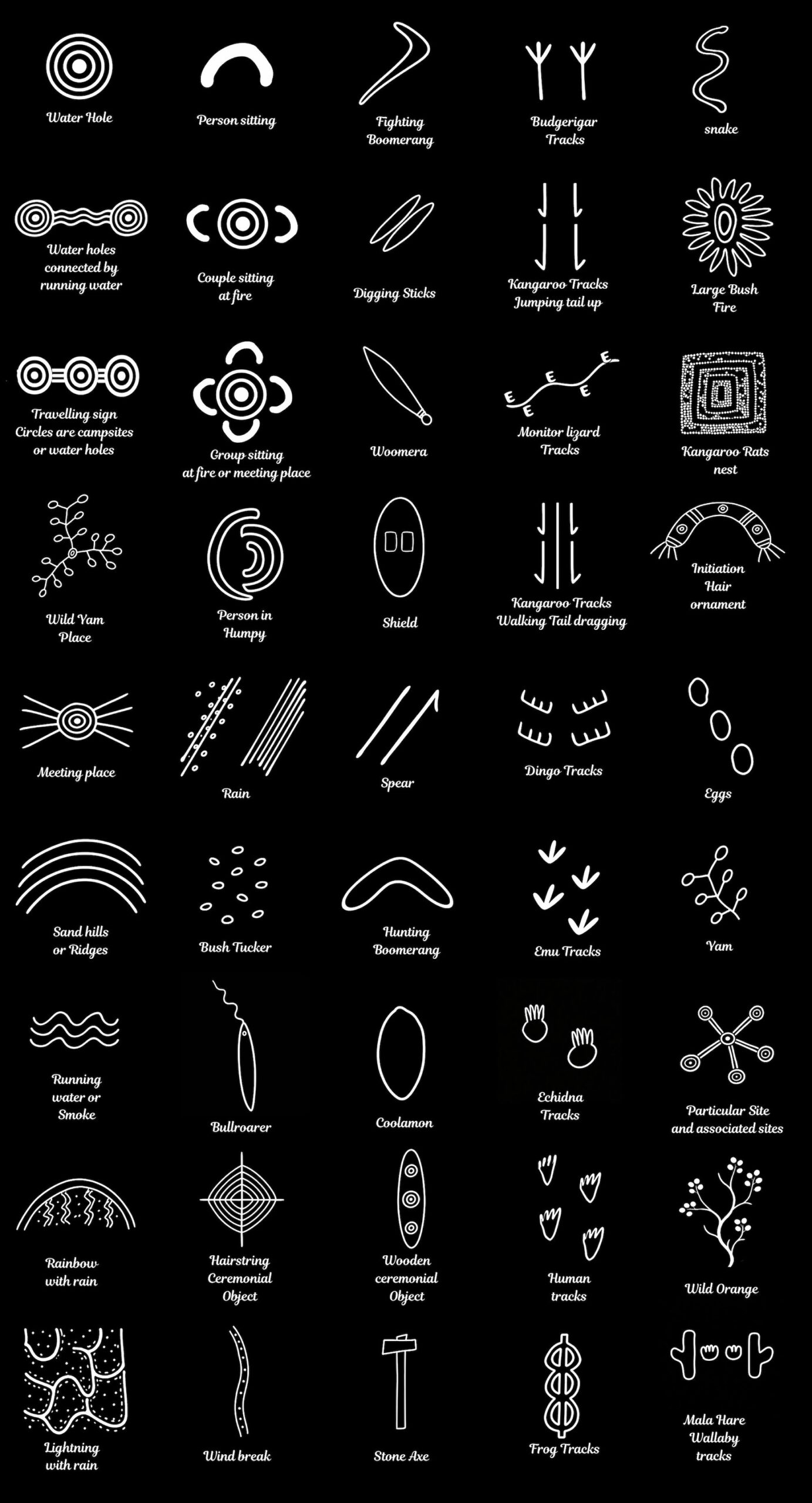
Aboriginal art symbols and meaning chart showing circles, lines, tracks, campsites, animals and traditional Indigenous symbols

Western Desert Dot Painting and Symbolism

Early Western Desert dot painting is one of the most recognisable forms of contemporary Aboriginal Australian art. Characterised by intricate fields of dots, concentric circles, travelling lines, and symbolic aerial landscapes, these paintings emerged from much older ceremonial traditions connected to body painting, sand mosaics, sacred designs, and Dreaming narratives across Central Australia.

Although dot painting is now strongly associated with Aboriginal art internationally, the movement developed publicly during the early 1970s at Papunya in the Northern Territory, where senior Aboriginal men began transferring ceremonial imagery onto boards and canvas using acrylic paint. These early paintings adapted traditional symbolic systems that had long been used in ceremony to represent ancestral journeys, sacred sites, waterholes, animal tracks, and spiritual pathways across Country.

Importantly, the symbols used within Western Desert painting are rarely literal illustrations. Instead, they must be interpreted in relation to the songline they are illistrating

Many Western Desert paintings are created from an aerial or conceptual perspective, presenting the landscape as both physical geography and spiritual map simultaneously. Rather than depicting the land from ground level, artists often paint Country as it is understood through ceremony, memory, and ancestral connection.

Over time, dotting evolved into one of the defining visual languages of Western Desert Art internationally. Artists developed highly individual approaches ranging from dense shimmering surfaces and intricate ceremonial mapping systems to expansive minimalist compositions built from subtle rhythmic fields of colour and movement.


Collecting Western Desert Art

Collecting Western Desert Art can involve far more than acquiring visually striking paintings. For many collectors, these works represent important moments in Aboriginal Art History, cultural and artistic movements of the twentieth century — a tradition combining ancestral knowledge, ceremonial authority, spiritual geography, and extraordinary artistic innovation.

Today Western Desert paintings are held in major museums, private collections, and international auction houses throughout the world. Early Papunya boards, significant ceremonial paintings, and major works by leading desert artists have become highly sought after by collectors because of their historical importance, rarity, and cultural significance.

One of the most important factors when collecting Western Desert Art is provenance. Paintings with clear documentation, exhibition history, collection history, or direct links to recognised community art centres generally attract greater confidence among collectors and institutions. Works produced through established Aboriginal art centres which collected ethically are often valued not only for authenticity, but also because they support ongoing cultural and economic sustainability within remote communities.

Condition also plays a major role in determining value. Acrylic paint on composition board and canvas can be vulnerable to cracking, warping, staining, or restoration issues, especially in older paintings. Collectors and institutions frequently seek professional condition reports before acquiring important works.

Another important aspect of collecting Western Desert Art is understanding the diversity of regional styles and artistic traditions. Papunya painting differs substantially from the luminous abstraction of Balgo, the expressive gestural surfaces of Utopia painting, or the ceremonial structures associated with Yuendumu and Pintupi homelands painting. Knowledge of regional variation often becomes an important part of advanced collecting.

Authenticity remains critically important within the Aboriginal art market. Reputable dealers, galleries, and auction houses generally provide documentation identifying the artist, language group, community, medium, dimensions, and provenance of a work. Serious collectors also pay close attention to exhibition history, publication references, and stylistic consistency within an artist’s known body of work.

Today Western Desert Art continues to attract collectors internationally because of its extraordinary combination of visual power, cultural depth, historical importance, and artistic innovation. From the early Papunya boards of the 1970s to monumental contemporary canvases, these paintings remain among the most important achievements of modern Australian art.

Seven Sisters Dreaming Aboriginal painting showing ancestral songlines, waterholes and celestial pathways connected to the Pleiades star cluster
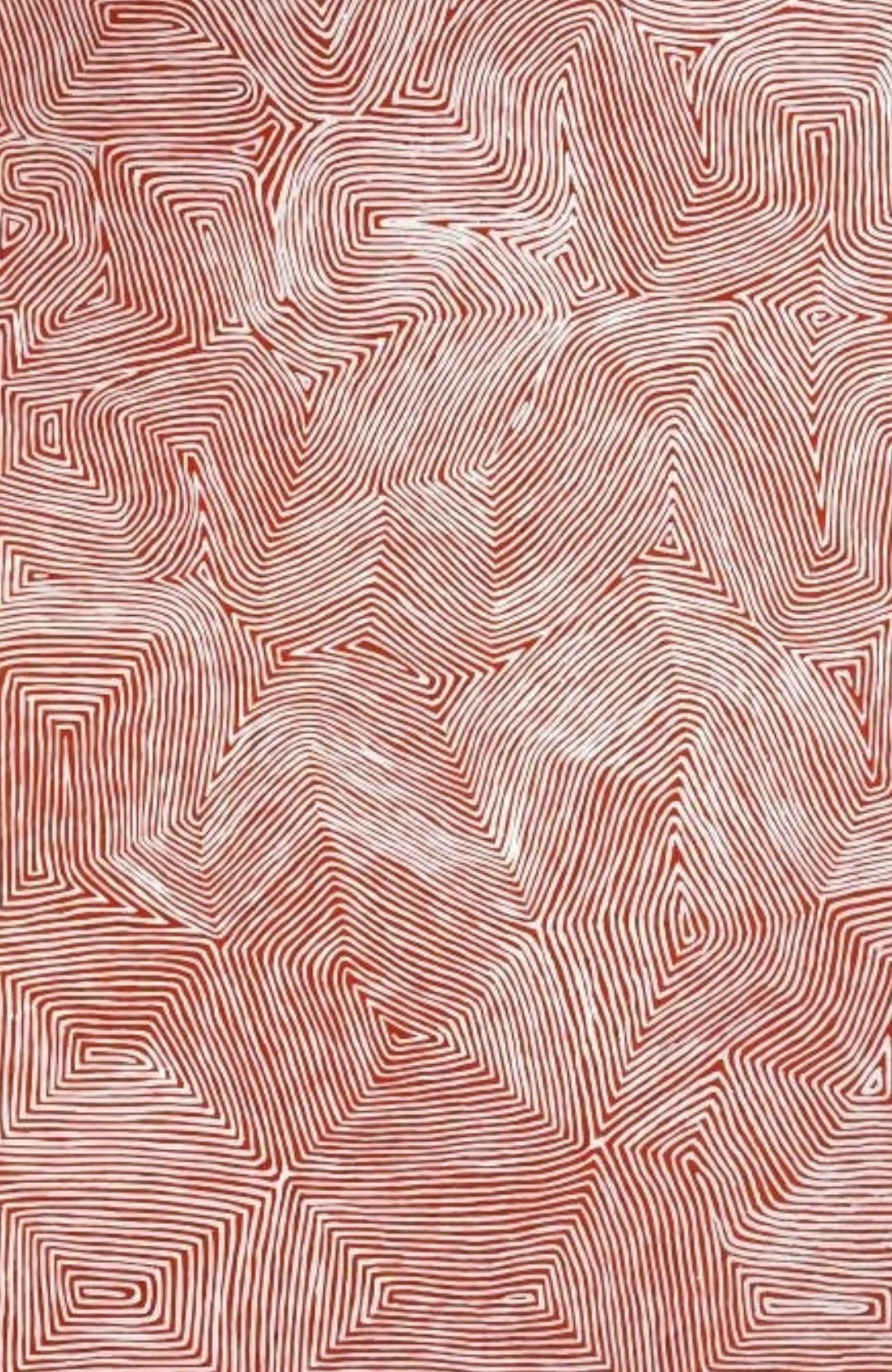
Aboriginal painting featuring intricate red and white linear patterns by George Tjungurrayi, representing ancestral pathways and movement across Western Desert Country.

Why Western Desert Art Became Internationally Important

Western Desert Art became internationally important because it combined extraordinary visual innovation with one of the oldest continuing cultural traditions on earth. Emerging publicly from remote Aboriginal desert communities during the early 1970s, the movement transformed ancient ceremonial knowledge, symbolic systems, and Dreaming traditions into a contemporary artistic language unlike anything previously seen in the international art world.

When the first Papunya paintings appeared, many viewers outside Australia had little understanding of Aboriginal art beyond anthropological or ethnographic contexts. The emergence of Western Desert painting fundamentally changed this perception. Collectors, curators, critics, and museums increasingly recognised that these works possessed not only profound cultural significance, but also immense artistic sophistication and originality.

The movement also arrived at a moment when global interest in Indigenous cultural knowledge, non-Western artistic traditions, and contemporary abstraction was expanding rapidly. Western Desert paintings challenged conventional distinctions between contemporary art, spirituality, cartography, and ceremonial practice. Rather than representing purely aesthetic abstraction, these paintings encoded ancestral journeys, sacred geography, and inherited systems of cultural knowledge extending back thousands of years.

The rise of major Aboriginal art centres and cooperative painting movements also played an important role. Organisations such as Papunya Tula Artists helped support artists working in remote desert communities while maintaining strong cultural governance and artistic standards. This allowed Western Desert painting to develop both cultural integrity and international visibility simultaneously.

Major exhibitions during the late twentieth century further elevated the movement globally. Aboriginal artists began appearing in important contemporary art exhibitions, biennales, and museum retrospectives internationally. Works by Western Desert painters increasingly achieved strong results at auction, further reinforcing the movement’s significance within the international art market.

Today Western Desert Art is recognised as one of the great artistic movements of the twentieth century. Its importance lies not only in its extraordinary aesthetic achievement, but also in its preservation of ancestral memory, spiritual geography, ceremonial knowledge, and the continuing relationship between Aboriginal people and Country across the desert interior of Australia.