
Kathleen Petyarre : Biography and Painting style
c. 1940–2018
Eastern Anmatyerre
Atnangkerre, Utopia, Central Australia
Utopia
Utopia Art / Central Desert Art
Utopia Artists / Gallerie Australis
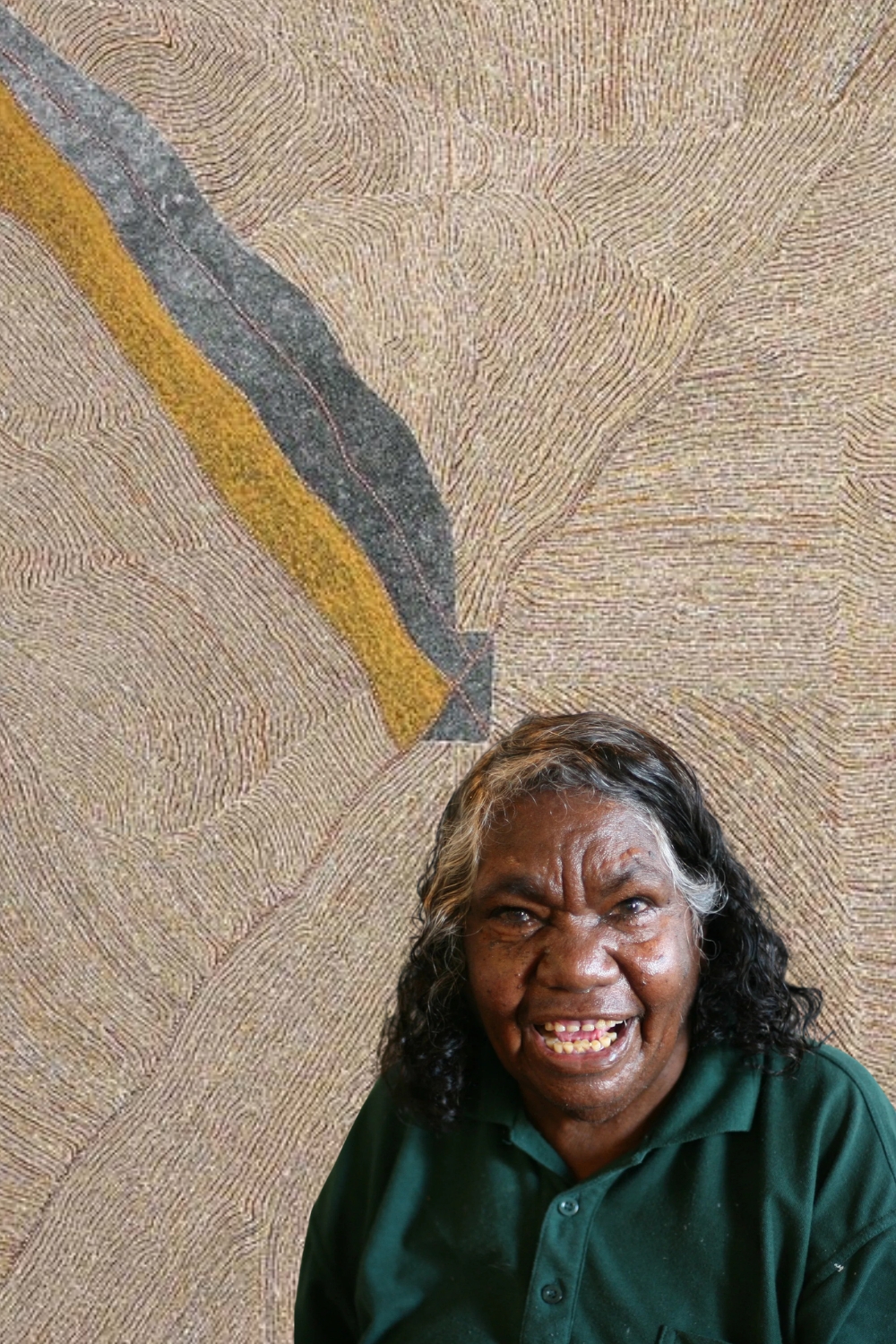
Kwementyaye Kathleen Petyarre was one of the most important painters to emerge from the Utopia art movement. Her finest works transform thousands of minute dots, subtle tonal shifts and sparse linear forms into paintings that can appear simultaneously like vast aerial landscapes and close views of the desert surface.
Her principal subject was Atnangkerre Country and Arnkerrth, the Old Woman Mountain or Thorny Devil Lizard ancestral being. Arnkerrth’s journeys through Country are associated with the creation of sandhills, valleys and waterholes, while Kathleen and her clanswomen inherited responsibilities for caring for this Country.
Kathleen Petyarre Western Desert paintings are particularly recognised for their extraordinarily fine dotting and apparent aerial perspective. Beneath this visual abstraction are specific places and events: ancestral paths, sandhills, watercourses, rockholes, seeds and vegetation, as well as sandstorms, rain and hail moving across Country.
Her national breakthrough came in 1996, when Storm in Atnangkere Country II won the overall Telstra National Aboriginal and Torres Strait Islander Art Award. In 2001, the Museum of Contemporary Art in Sydney presented the major survey Genius of Place: The Work of Kathleen Petyarre.
Kathleen Petyarre Value
Works Offered at Auction: 493
Sale Rate: 56%
Highest Sale: $80,000 AUD
Median Sale Price: $3,750 AUD
For images of artwork and dimensions and sales prices please visit Kathleen Petyarre Value page
Kathleen Petyarre Biography
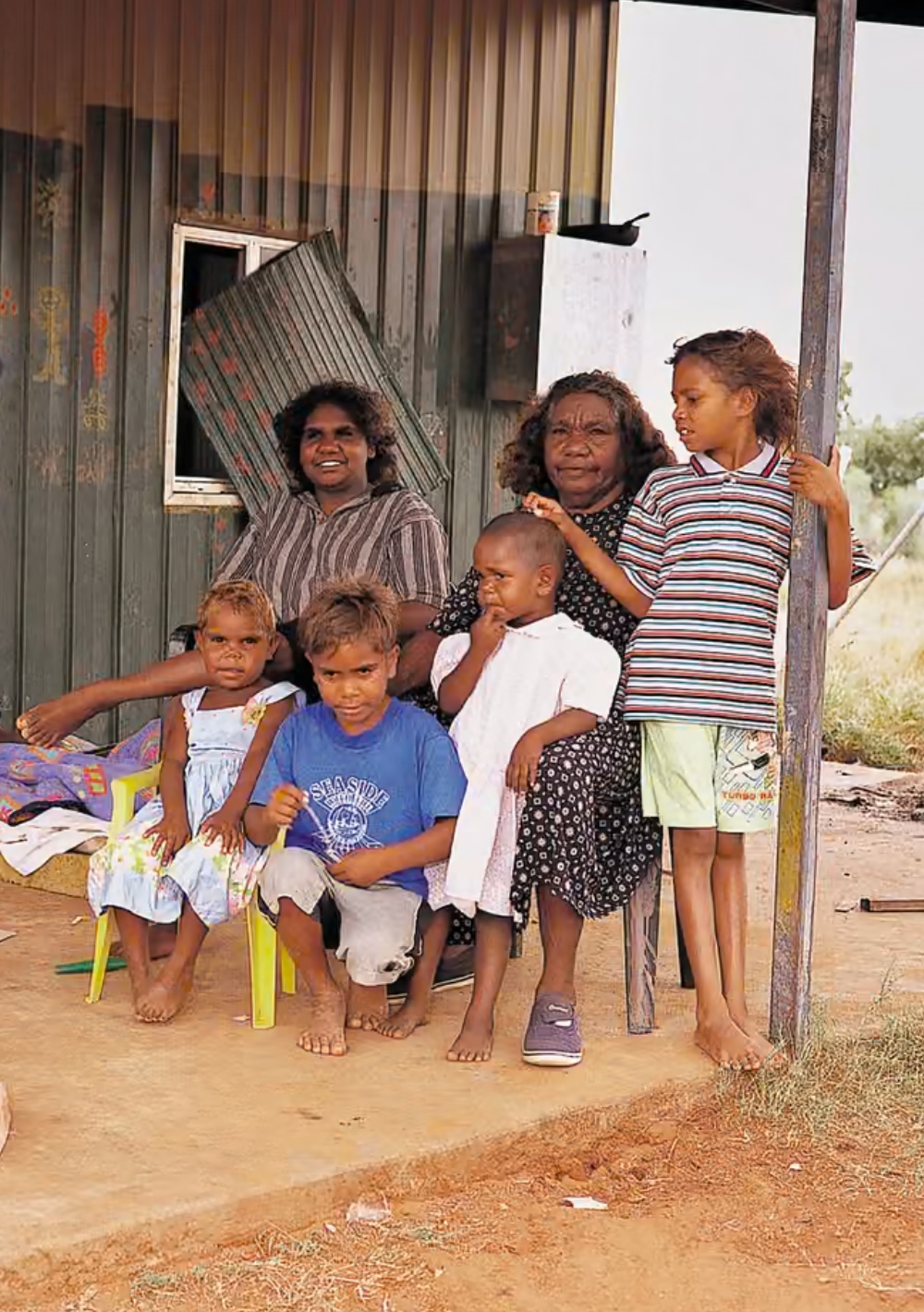
Kathleen Petyarre, whose Eastern Anmatyerre name was Kweyetwemp Petyarre, was born around 1940 at Atnangkere, an important soakage in the Utopia region northeast of Alice Springs. She grew up with knowledge of Country, ceremony and ancestral narratives that would later underpin her paintings.
Her family was moved from their traditional Country to Utopia, and Kathleen later worked on pastoral properties. In 1969 she obtained a position at the Utopia school, where she remained for around twenty years. Her life encompassed major changes in Central Australia, from pastoral expansion and schooling to land rights and the emergence of Utopia as an important centre of Aboriginal art.
Kathleen was one of the Anmatyerre women involved in the successful campaign that resulted in the Utopia pastoral lease being returned to its traditional owners in 1979. Atnangkerre was therefore not simply a landscape she painted, but inherited Country to which she maintained cultural responsibilities and a continuing relationship.
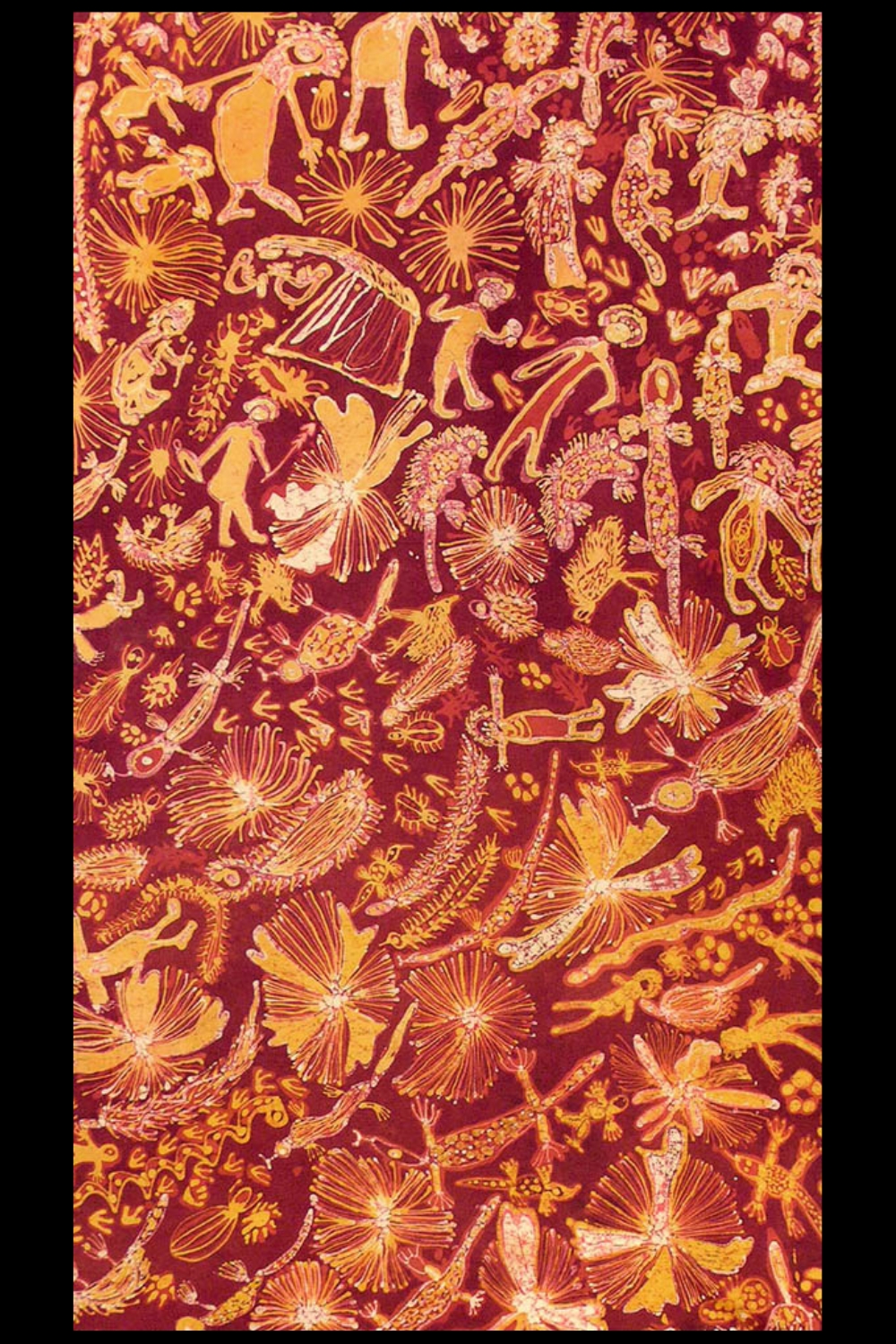
Kathleen’s first sustained involvement with the commercial art world was through batik. She participated in the Utopia women’s batik movement from the late 1970s through much of the 1980s, alongside artists including Emily Kame Kngwarreye, Gloria Petyarre and Ada Bird Petyarre. She later took up acrylic painting through the CAAMA Summer Project of 1988–89
In 1989 she left teaching to devote herself increasingly to painting. The move from batik to canvas was not the beginning of her artistic knowledge, but a new medium through which existing knowledge of Country, ceremony and design could be expressed.
By the mid-1990s Kathleen had developed the distinctive style that brought her national recognition. Storm in Atnangkere Country II won the overall 1996 Telstra National Aboriginal and Torres Strait Islander Art Award. The following year her former partner Ray Beamish claimed substantial involvement in the painting’s production. Kathleen rejected the claim and retained the award.
In 2001, the Museum of Contemporary Art in Sydney presented Genius of Place: The Work of Kathleen Petyarre, bringing together more than forty paintings, batiks and works on paper spanning approximately twenty-five years.
Kathleen continued painting into later life and died in Alice Springs on 24 November 2018.
Kathleen Petyarre Painting Style
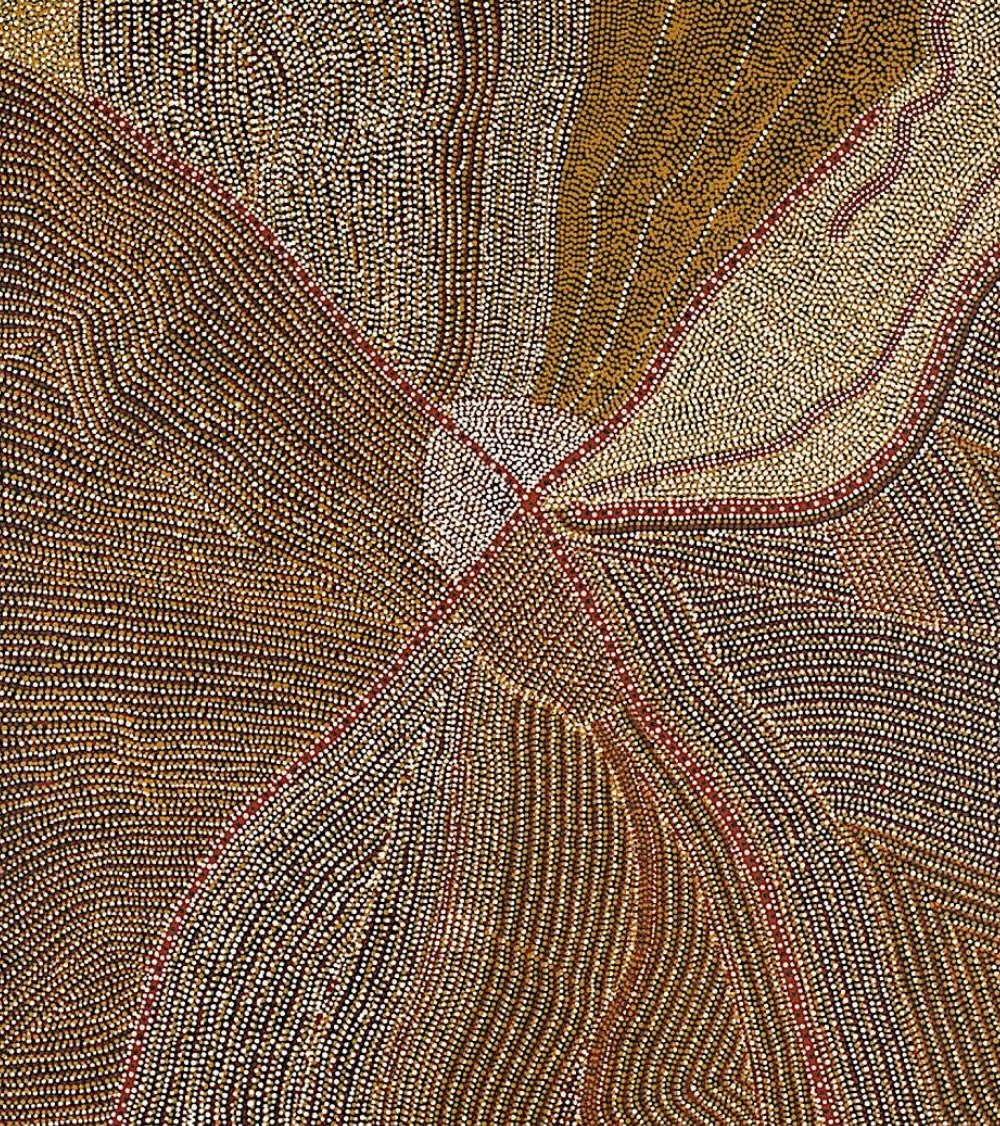
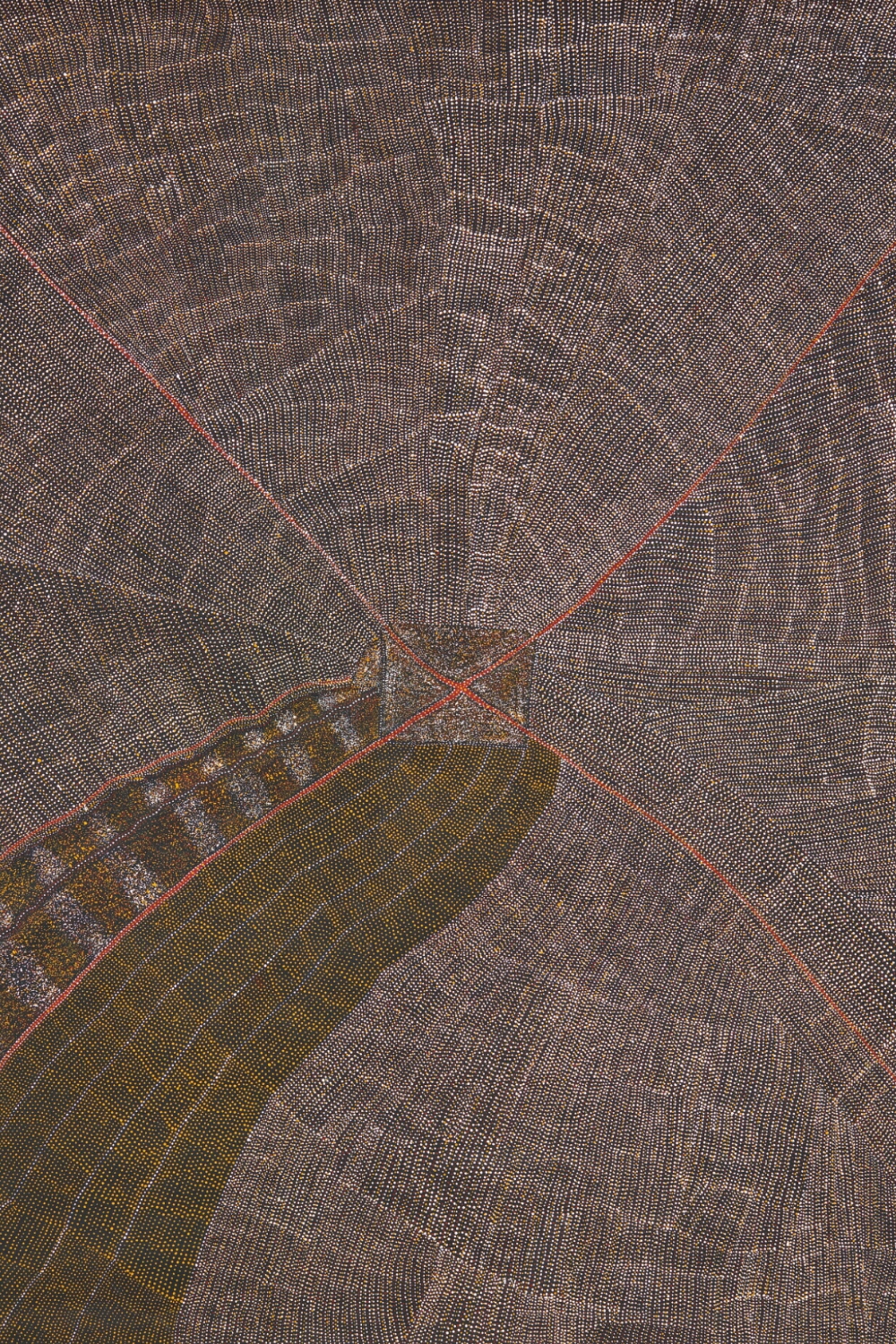
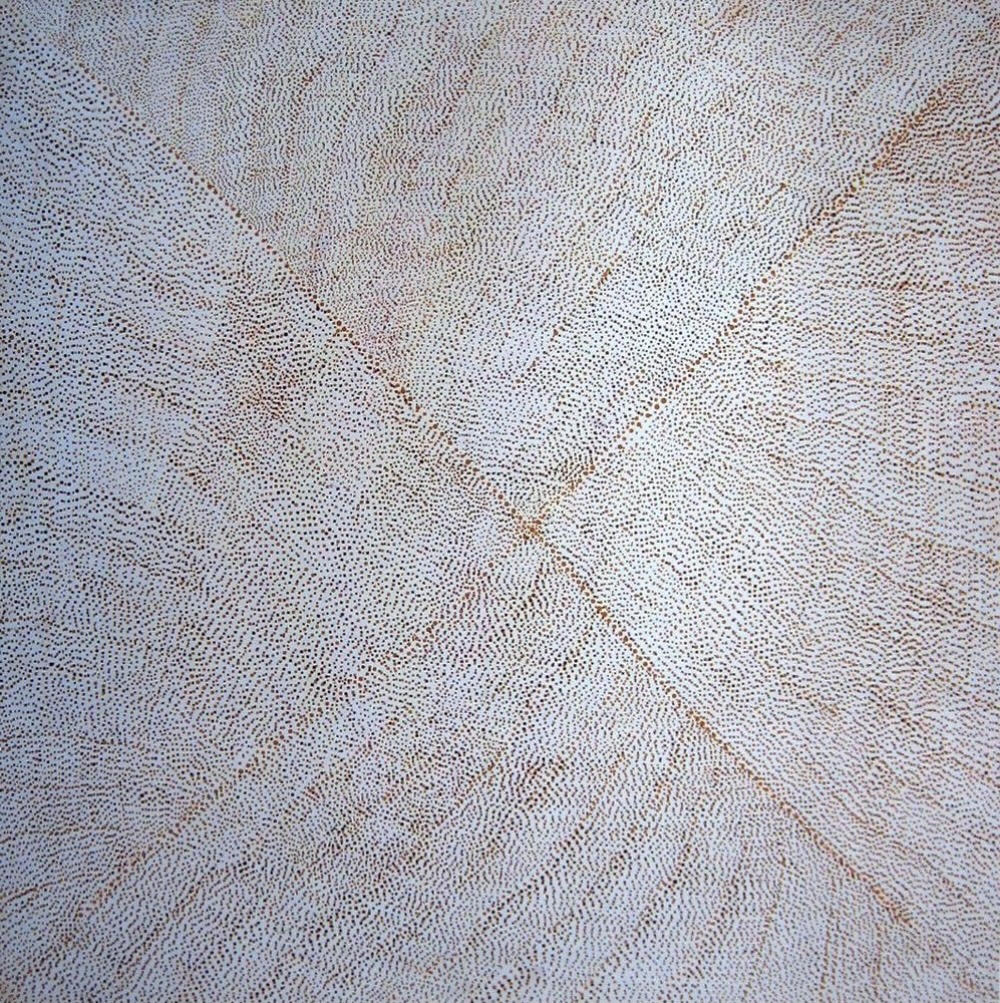
Kathleen Petyarre developed one of the most refined and distinctive painting styles associated with Utopia. Her mature works use successive layers of extremely fine dots that merge from a distance into soft fields of colour and movement but, viewed closely, resolve into thousands of individual marks.
Her technique was more complex than applying dots over a coloured ground. Auction accounts describe Kathleen spending many hours preparing the linen and layering differently coloured paint. Some pigment was absorbed into the linen before further dots were added, causing marks to recede or float above the surface and creating a remarkable illusion of depth.
This layering also contributes to the apparent aerial perspective of her paintings. Tracks cross fields of dots, sandhills appear as parallel structures and tonal changes suggest vast stretches of land. Watercourses and ancestral paths can extend beyond the canvas, implying a much larger Country.
Yet these are not conventional aerial landscapes. Kathleen combined physical geography with ancestral movement, food sources, ceremony and environmental change. A dot might suggest a seed or grain of sand, while thousands collectively evoke kilometres of desert. Her paintings therefore operate at both immense and minute scales — a quality described as macrocosmic and microcosmic.
Kathleen’s reputation rests particularly on the refined fine-dot paintings of the 1990s. Restrained palettes, variations in colour and dot density, and sparse directional lines create atmospheric depth, sometimes making Country appear as though seen through dust, rain or moving air.
Works such as Mountain Devil Lizard Dreaming (After Sandstorm), 1996, Thorny Devil Lizard Dreaming (My Country), 1997 and My Country Hailstorm, 1998 demonstrate how she reduced specific places and environmental events almost to abstraction while retaining their connection to Country.
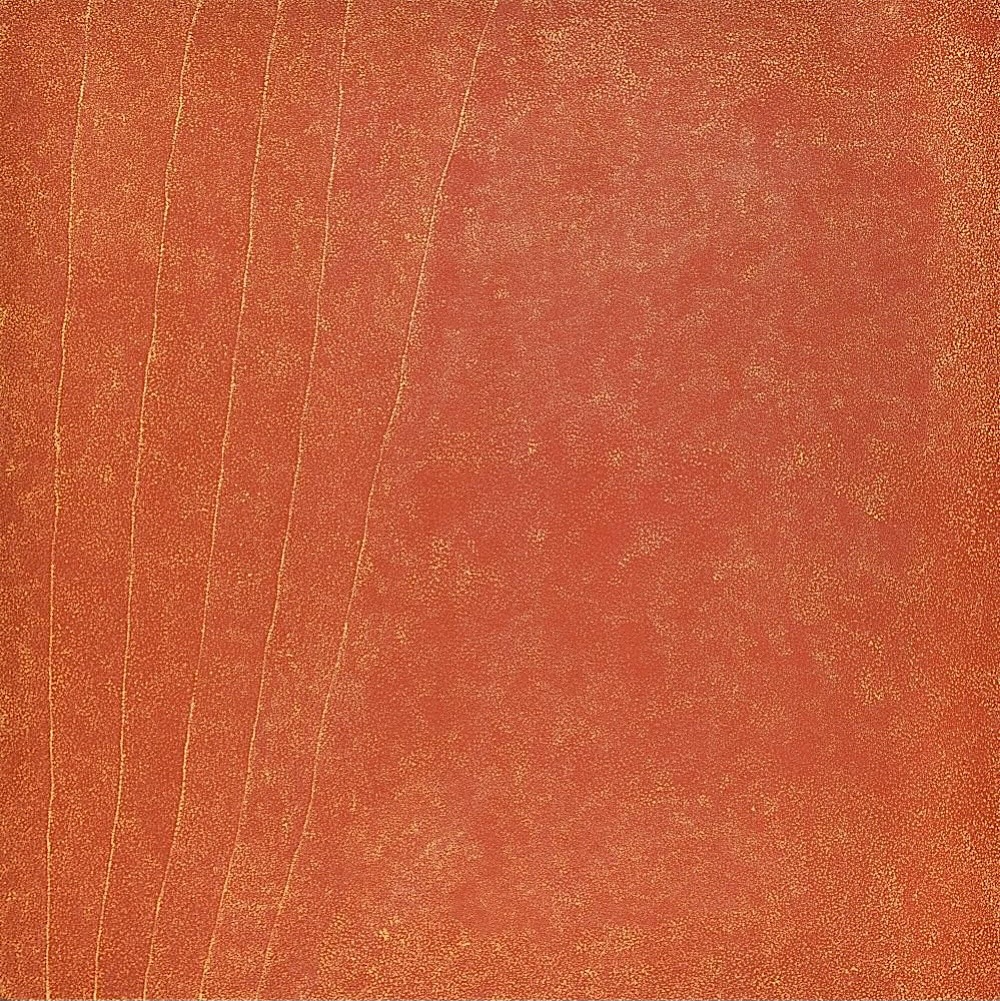
Her later work sometimes introduced larger dots, stronger lines and more graphic areas of colour. Rather than repeating her established style, Kathleen continued experimenting with scale, density, movement and structure.
Kathleen Petyarre Painting Subjects
The dominant subject of Kathleen Petyarre’s mature work was Arnkerrth, the Mountain or Thorny Devil Lizard ancestral being. In her inherited narrative, Arnkerrth is also an ancestral Old Woman whose movements helped shape Country, moving sand grain by grain to create hills, valleys, sandhills and waterholes.
Kathleen and her clanswomen inherited responsibilities for Country associated with Arnkerrth, particularly around Atnangkerre and Iylenty, or Mosquito Bore, within the Utopia region. This Country encompasses sandy plains, sandhills, creeks, rockholes and soakages, but Kathleen also depicted the forces acting upon it. Sandstorms cross the hot, dry landscape, while summer storms can bring intense rain and occasional hail. She painted not simply landscape, but Country changing.
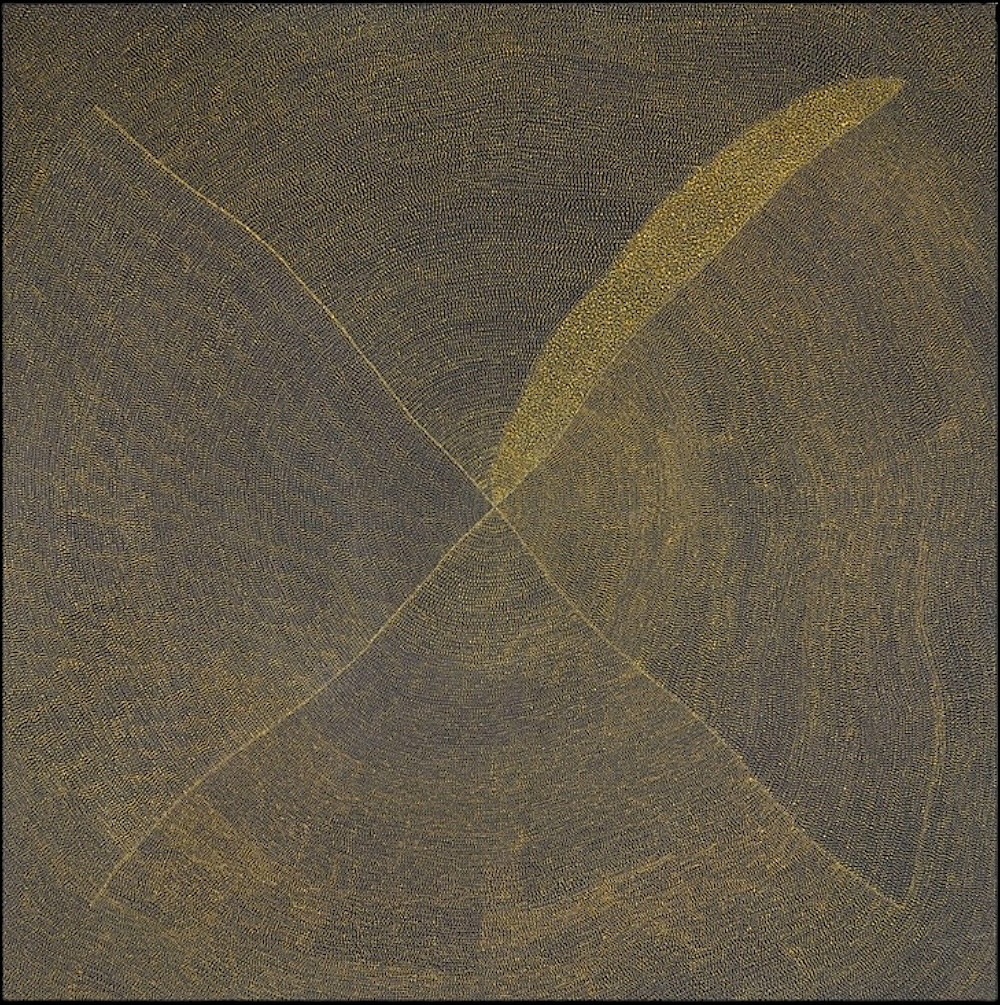
Although her paintings can initially appear abstract, documentation for individual works reveals some recurring forms. Parallel lines can represent sandhills, while the elongated X in Mountain Devil Lizard Dreaming (After Sandstorm), 1996 represents two crossing ancestral Dreaming paths. In this work, fine dots evoke a swirling sandstorm around sandhills, scattered seeds and a Women’s Dreaming site associated with green pea.
Weather became one of Kathleen’s most distinctive subjects. In her After Sandstorm paintings, fields of dots can make Country appear to dissolve into blowing sand while ancestral paths and sandhills remain within the atmospheric field. In My Country – After Hailstorm, 2004, white areas represent Puta Puta, or hailstones, scattered across Country alongside green-pea seeds and parallel sandhills associated with her father’s Country. Geography, ancestral movement, plant life and weather can therefore coexist within a single painting.
Bush seeds were another important subject. Catalogue documentation identifies antweth, the green pea, and its seeds, ntang, described as food for the Mountain Devil Lizard and the ngangkar, or traditional healer. Sandhills in this Country are also associated with a Women’s Dreaming site connected with antweth. Kathleen’s dots can therefore represent seeds as well as collectively evoke an immense expanse of Country.
Kathleen also painted women’s ceremony, food gathering and life on Country. Atnangkere Awelye, 1993 demonstrates women’s ceremonial imagery relatively early in her canvas work. Other documented subjects include women’s camps and collecting yams, gathering bush foods and women hunting emu.
These meanings are not a universal dictionary of Kathleen Petyarre symbols; they depend upon the individual work and its documentation. Her paintings bring together physical Country, ancestral narratives, ceremony, food sources and environmental change within a single visual language.
Kathleen Petyarre’s Importance
Kathleen Petyarre was one of the defining artists of Utopia and one of the most distinctive Australian painters of her generation. Her achievement lay not simply in the extraordinary refinement of her fine-dot technique, but in creating a visual language in which Country could be geographical, ancestral, ecological, ceremonial and atmospheric at the same time. Her finest paintings make the immense and minute inseparable: kilometres of desert seem to emerge from individual dots suggesting sand, seeds, vegetation and weather.
Critical writing has often noted how modern her paintings appear, prompting comparisons with Western abstraction and artists such as Mark Rothko, Jackson Pollock and J.M.W. Turner. Yet Kathleen herself resisted separating this visual appearance from its cultural foundations. Speaking of the aerial perspective in her work, she explained: “It’s still body painting, still ceremony, even looking from the sky, [it is] still dancing.” Her apparent abstraction remained grounded in Atnangkerre Country, Arnkerrth, inherited knowledge and responsibilities to Country.
Kathleen’s importance also belongs to the wider history of Utopia. She participated in the women’s batik movement and the struggle for the return of Utopia land, adopted acrylic painting during the 1988–89 CAAMA project, and became an internationally recognised artist whose work entered major collections. She was part of an extraordinary artistic family, continued by her daughter Margaret Loy Pula and granddaughter Abie Loy Kemarre. Her paintings ultimately demonstrate how a work can engage with international contemporary abstraction while remaining profoundly specific to Country and culture.
Awards, Exhibitions and Collections
Kathleen Petyarre received major recognition during her career, including:
- 1996 — Overall Winner, 13th Telstra National Aboriginal and Torres Strait Islander Art Award
- 1997 — Overall Winner, Visy Board Art Prize, Barossa Vintage Festival Art Show
- 1998 — Finalist and People’s Choice Award, Seppelt Contemporary Art Awards
Selected Solo Exhibitions
- 1996 — Kathleen Petyarre: Storm in Atnangkere Country, Alcaston House Gallery, Melbourne
- 1998 — Arnkerrthe – My Dreaming, Alcaston House Gallery, Melbourne
- 2000 — Landscape, Truth and Beauty – Recent Paintings by Kathleen Petyarre, Alcaston Gallery, Melbourne
- 2001 — Genius of Place: The Work of Kathleen Petyarre, Museum of Contemporary Art, Sydney
- 2003 — Ilyenty – Mosquito Bore, Recent Paintings, Alcaston Gallery, Melbourne
- 2008 — Kathleen Petyarre, Metro 5 Gallery, Melbourne
Public Collections
Her work is represented in major Australian and international collections, including:
All images featured in this article are presented strictly for educational and informational purposes.
This website may include copyrighted material for which specific authorization has not been obtained from the copyright owner.
All such images are presumed to be the intellectual property of the respective artist or their estate, and are used in accordance with principles of fair dealing or fair use under applicable copyright law.