
Daniel Walbidi : Biography painting style and importance
1983–
Mangala / Yulparitja
Kirriwirri and Winpa, ancestral Great Sandy Desert Country
Bidyadanga
Bidyadanga Art / Western Desert Art
Short St Gallery
Painting on canvas and linen
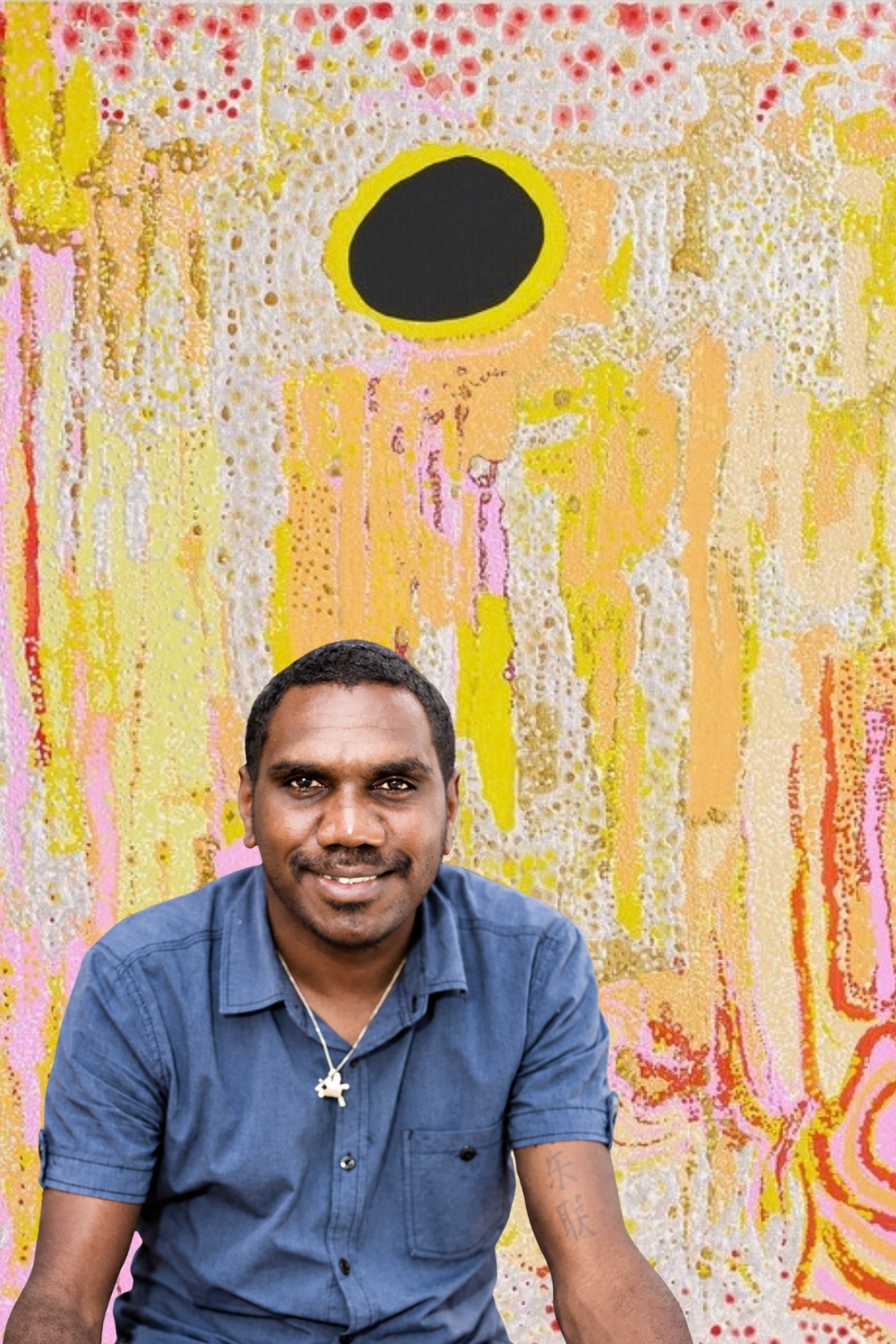
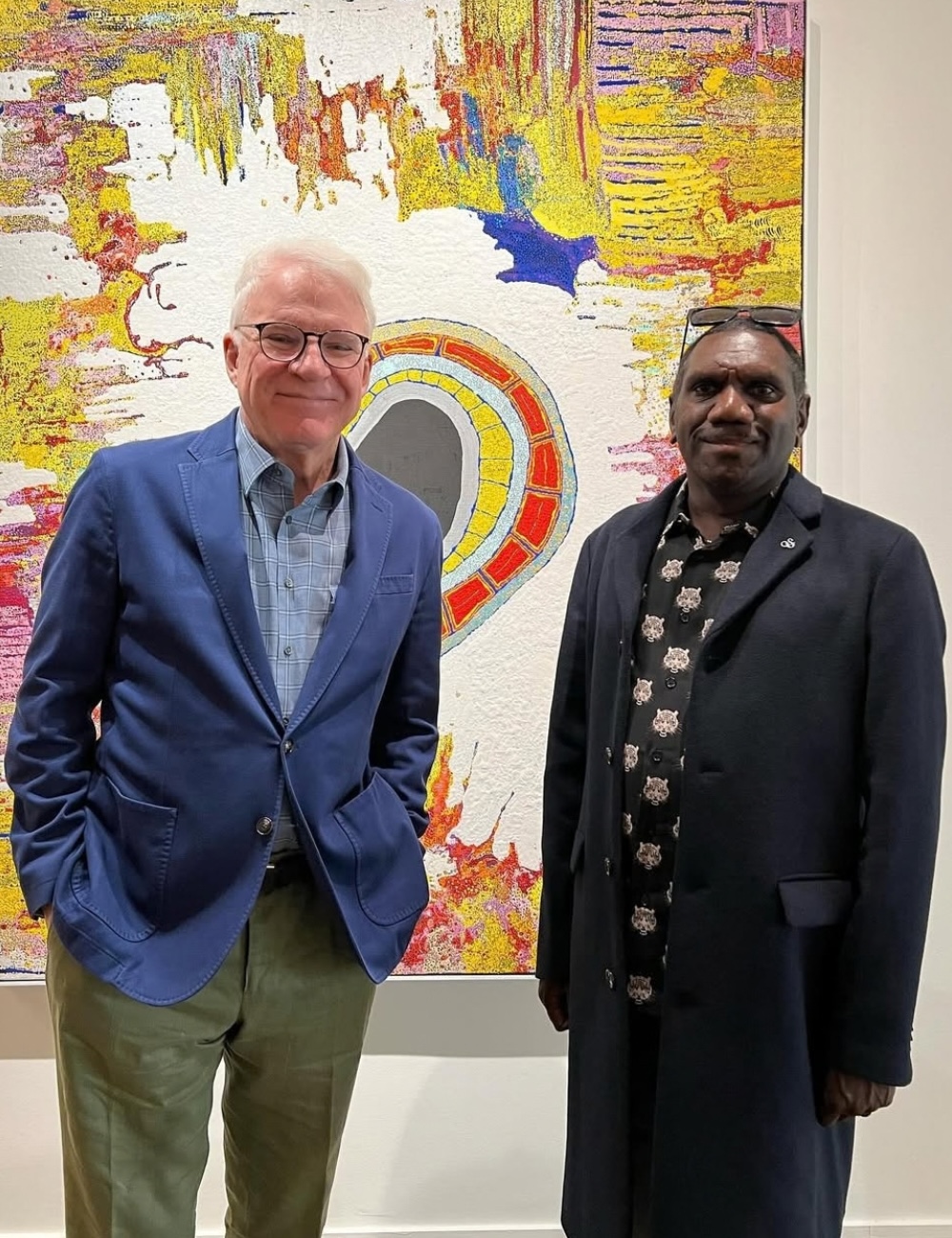
Daniel Walbidi is a Mangala/Yulparitja artist from Bidyadanga whose work belongs to the broader story of Western Desert Art, while emerging from the distinct Bidyadanga painting movement. His paintings are grounded in his family’s ancestral Country in the Great Sandy Desert, particularly Kirriwirri and Winpa, where he represents jila (living water), salt lakes, sandhills and ancestral narratives through densely layered fields of intense colour.
Walbidi began painting as a teenager and at only sixteen helped stimulate contemporary painting at Bidyadanga, encouraging senior desert people living at the coastal community to paint their Country and pass cultural knowledge to younger generations. In 2007 he travelled with senior Yulparitja people to Kirriwirri and Winpa, Country he had previously known through their teaching. Experiencing this landscape directly, and seeing it from the air, transformed his painting.
Walbidi also offers a comparatively rare perspective on the Seven Sisters Dreaming, painting the story from the far western reaches of its vast songline rather than from the APY Lands with which many of its best-known contemporary paintings are associated.
Daniel Walbidi Biography
Daniel Walbidi was born in 1983 and grew up at Bidyadanga, a coastal Aboriginal community approximately 250 kilometres south of Broome. Bidyadanga, formerly La Grange Mission, is on Karajarri Country but became home to several Aboriginal groups whose families had moved from inland desert Country during the twentieth century.
Walbidi’s family belonged to this history of movement from the Great Sandy Desert to the coast. As a child he lived hundreds of kilometres from his ancestral Country while learning about places such as Kirriwirri and Winpa through his parents and senior Yulparitja people.
At school he developed an interest in Aboriginal art and studied artists including Albert Namatjira, Clifford Possum Tjapaltjarri, Emily Kam Kngwarray and Rover Thomas.
Walbidi began painting seriously while still a teenager, initially using boards, offcuts and old doors. At sixteen he approached Short St Gallery in Broome with several paintings, but he also wanted older people at Bidyadanga to paint.
He recognised that senior Yulparitja people like Jan Billycan possessed knowledge of the desert that younger generations growing up on the coast needed to learn. His approach to Short St Gallery in 1999 helped provide senior artists with painting materials and contributed to the emergence of the Bidyadanga painting movement.
Art historian and former National Gallery of Australia senior curator Wally Caruana consequently described the teenage Walbidi as the “unlikely catalyst” for contemporary painting at Bidyadanga. Senior painters who emerged from this environment included Weaver Jack, Alma Webou, Jan Billycan and Walbidi’s father, Nabiru Harry Bullen.
Walbidi’s own career developed quickly. His painting Ilyarra was selected for the Telstra National Aboriginal and Torres Strait Islander Art Award in 2005, and his first solo exhibition at William Mora Galleries in Melbourne followed in 2006.
By this time Walbidi was already painting the desert Country he had learned about throughout his childhood, but he had yet to see much of it himself.
In 2007 he travelled into the Great Sandy Desert with senior Yulparitja artists, including his father Nabiru Harry Bullen and elders Wokka and Mukki Taylor. At Kirriwirri and Winpa, Walbidi encountered directly places and ancestral narratives he had previously known through the teaching of older people. For the first time, the younger artist and senior painters sat on this Country and painted together.
Walbidi also saw his father’s Country from a helicopter. Looking down on the desert changed his understanding of its colour and structure. He later recalled sunlight striking the lakes:
“I realised that they were not white, but silver and the sand dunes were full of gold.”
The journey became a turning point in his painting and was documented in the film Desert Heart, broadcast by the ABC in 2008.
Daniel Walbidi Painting Style
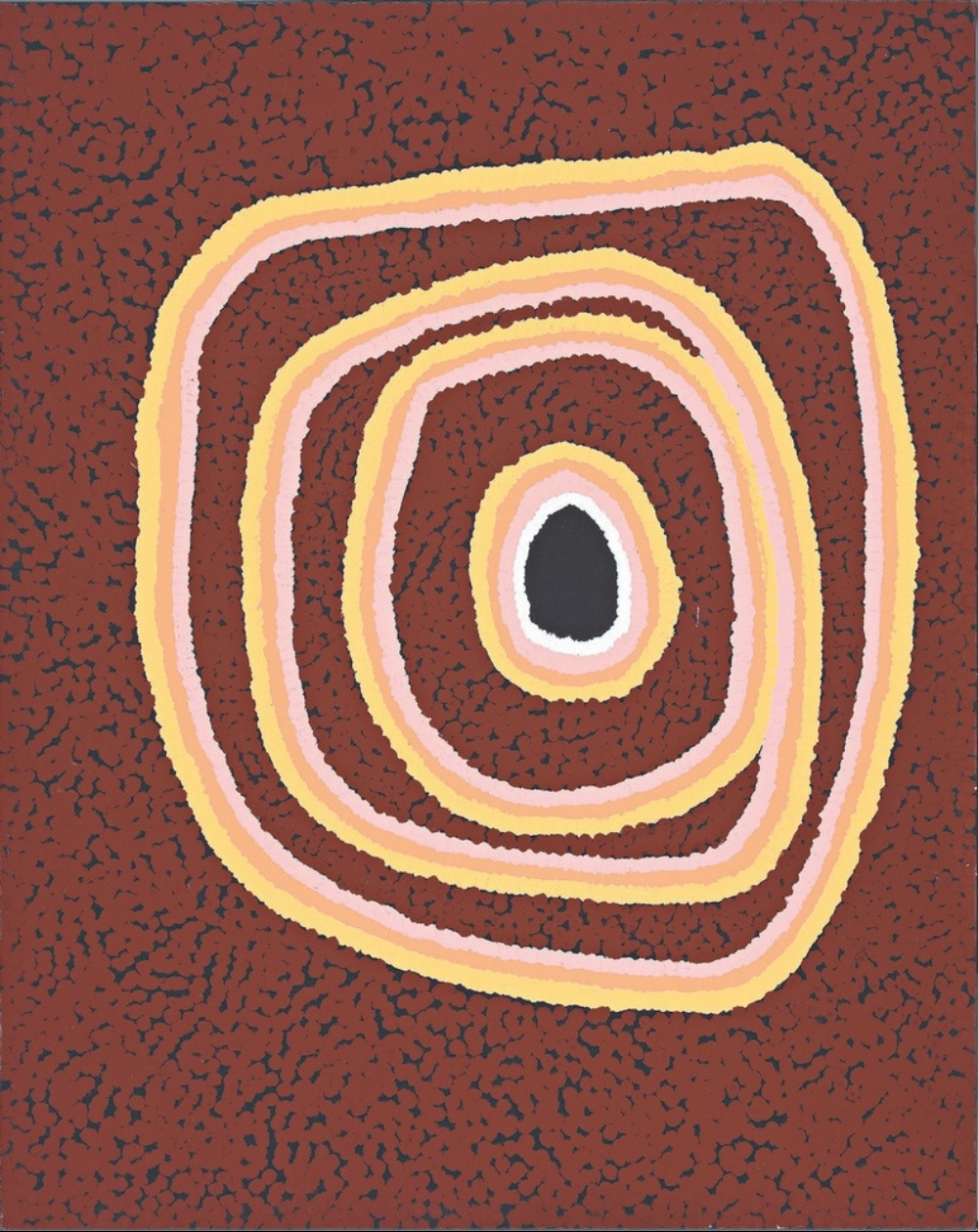
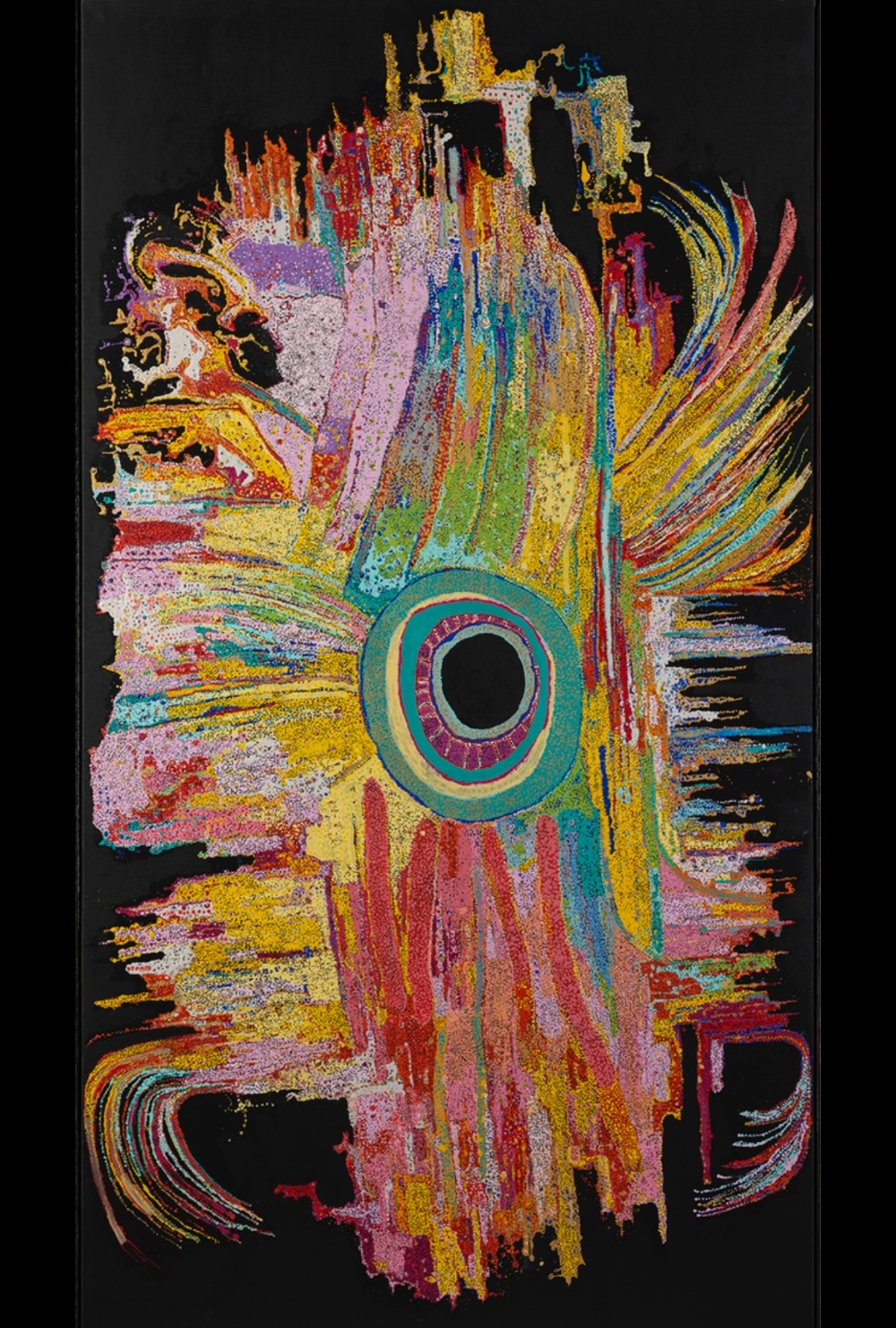
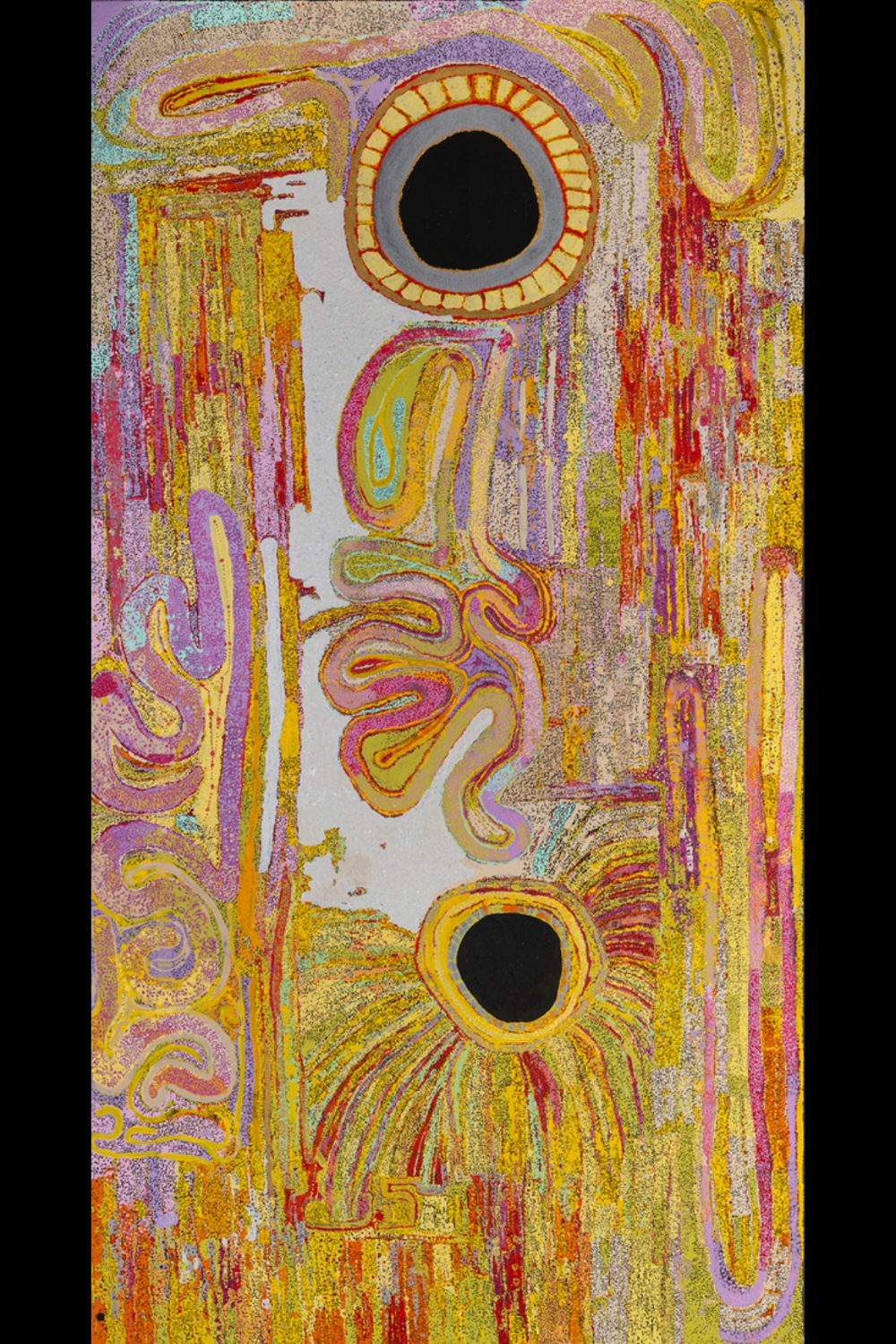
Daniel Walbidi’s painting style is distinguished by densely layered compositions, intense colour and the use of metallic silver and gold. National Gallery of Australia curator Franchesca Cubillo described his early paintings as “panoramas of his Country seen from afar.” Following his 2007 journey to his ancestral Country, his compositions became tighter and more detailed, with lines, small forms and blocks of colour accumulating across the surface.
Walbidi explains this complexity through his understanding of Country:
“The landscape is never flat. It is layered.”
For Walbidi, what can be seen is only part of what can be known. He has spoken of painting through knowledge and multiple senses, including his intellect and liyan (heart).
Cubillo relates this visual layering to different levels of cultural knowledge. Some information can be communicated publicly while other knowledge remains private or restricted. Walbidi’s paintings can acknowledge these deeper levels without revealing them — as Cubillo writes, he “alludes to and acknowledges but does not disclose.”
Colour is equally important. Walbidi has said that his “whole psyche is filled with colour,” and silver and gold have become characteristic elements of his mature work.
When Wirnpa and Sons won the General Painting Award at the 2014 Telstra National Aboriginal and Torres Strait Islander Art Awards, the judges described Walbidi as a “sophisticated colourist,” noting his combination of desert tones, saltwater colours and metallic pigments.
What Does Daniel Walbidi Paint?
Water is fundamental to Daniel Walbidi’s paintings.
His work repeatedly depicts jila — permanent or “living” water — within the Great Sandy Desert. These water places appear in relation to salt lakes, claypans, creeks, sandhills, vegetation, bush foods and ancestral narratives.
Two places are particularly important: Kirriwirri and Winpa.
Kirriwirri
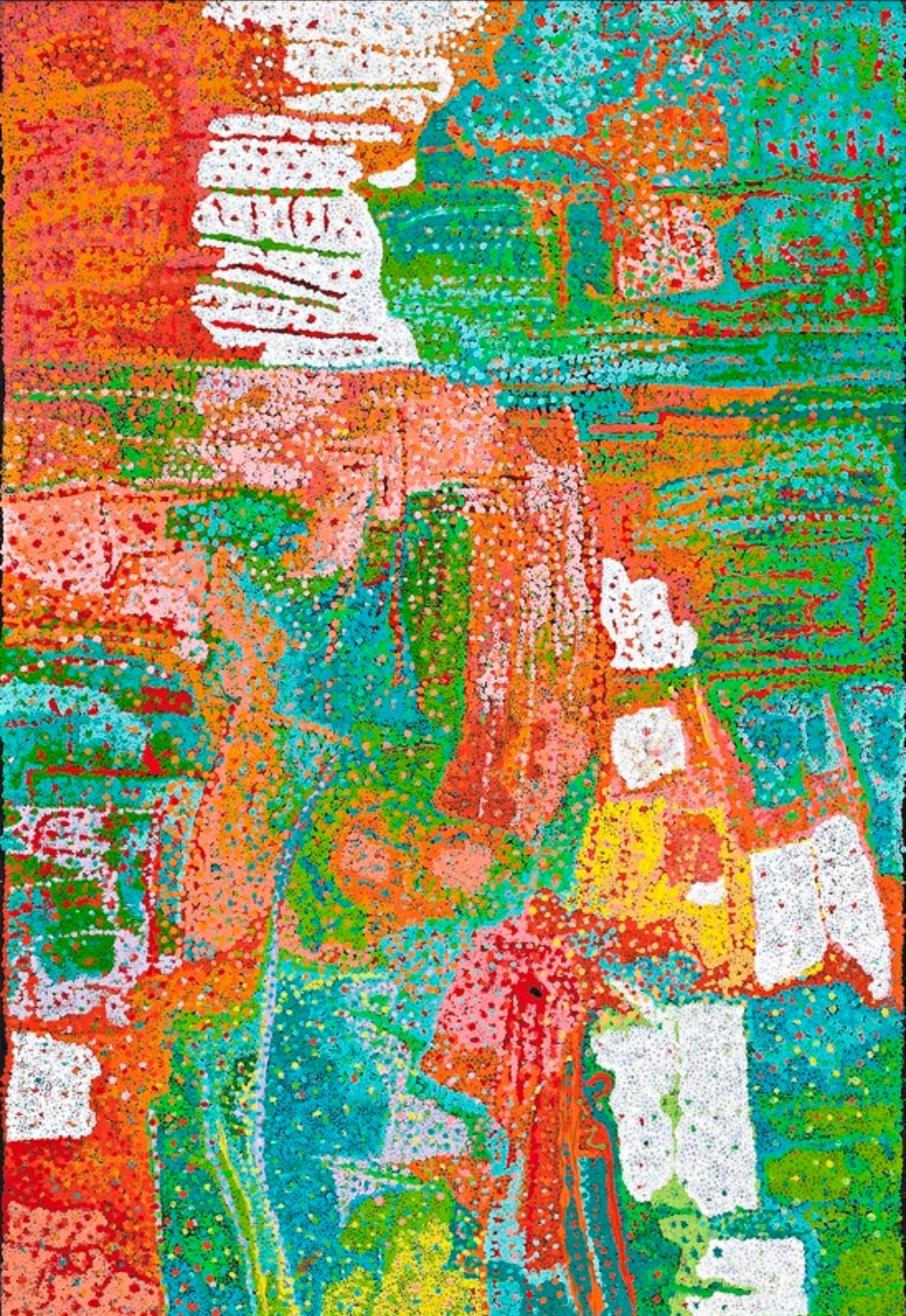
Kirriwirri is Walbidi’s grandparents’ Country near Well 33 on the Canning Stock Route. His father and his father’s siblings grew up there.
Walbidi has described it as:
“their family home, their roots.”
Kirriwirri is also a jila, a permanent source of water capable of surviving extremely dry seasons. The surrounding Country contains a large claypan, salt lakes and tali (sandhills).
The relationship is more than geographical. Walbidi explains that his clan is also named Kirriwirri, connecting the place directly with family and identity.
Winpa
Winpa is another major ancestral subject in Walbidi’s paintings.
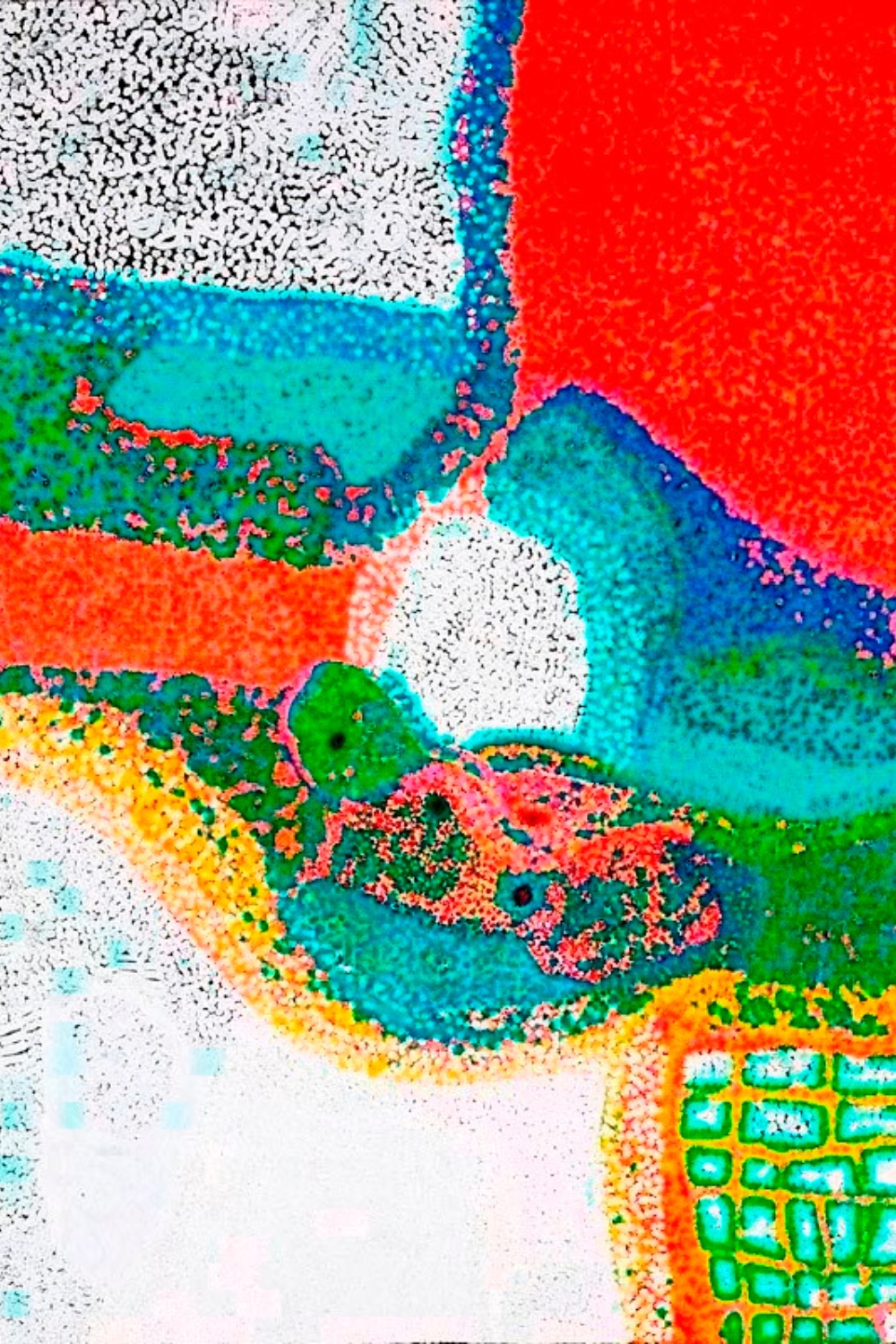
His compositions can show a central jila connected underground to surrounding waterways and other waterholes. Around these appear tali (sandhills), yinti (creeks) and mayi (bush foods).
Walbidi learned about this Country from senior people at Bidyadanga through song and painting before encountering it directly.
His All the Jila paintings similarly concern networks of living water. One 2007 work identifies Larrparti, Kawarr, Jurntiwa and Wirrguja near the Percival Lakes, while other documentation connects these water places with the travels of the ancestral Winpa.
Ilyara and the Seven Sisters
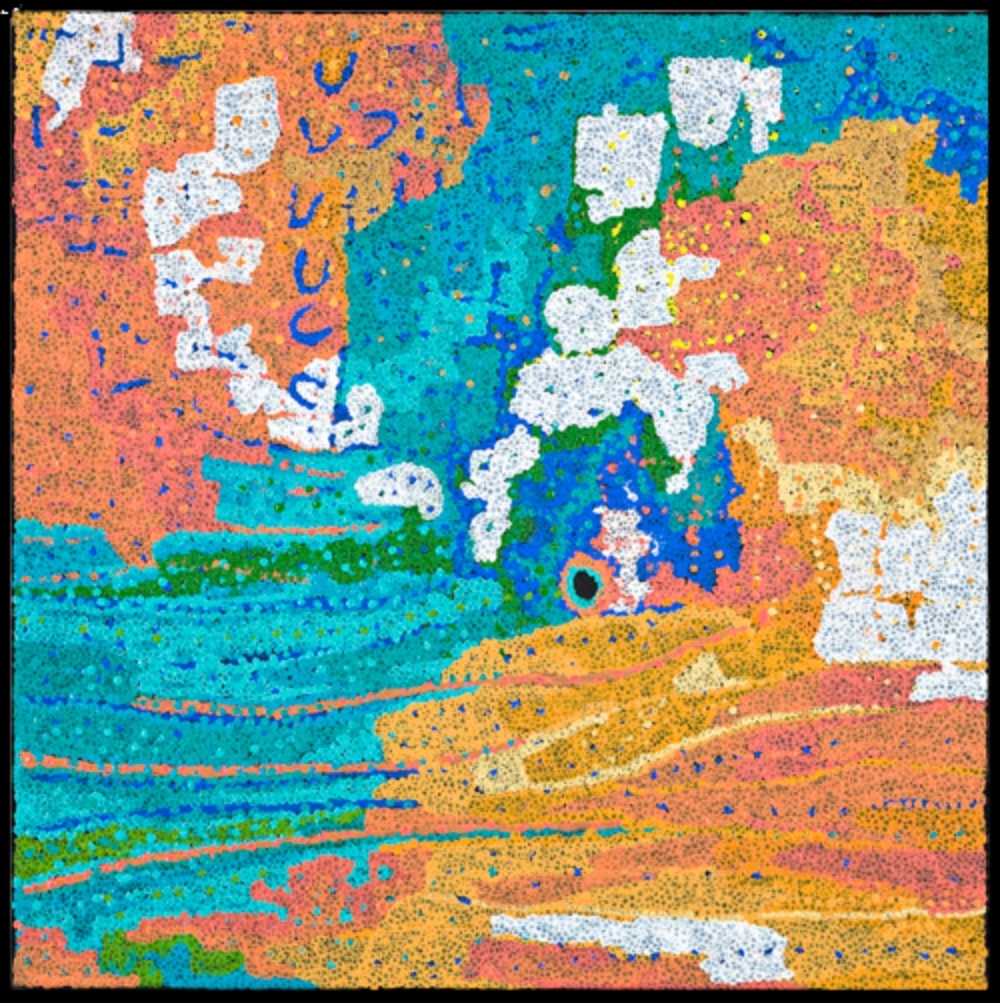
Walbidi has also painted Ilyara, Country near Punmu that he identifies as his father’s birthplace.
His paintings connect Ilyara with the Seven Sisters ancestral narrative. In one documented composition, blue U-shaped forms represent the Sisters, who travelled through the Country and camped there, while white areas represent salt lakes surrounding the jila.
Walbidi’s paintings therefore bring together physical geography, family history and ancestral narratives rather than functioning simply as aerial representations of landscape.
Daniel Walbidi’s Importance
Daniel Walbidi is important both for his role in the emergence of Bidyadanga painting and for the individual artistic career that followed.
Unusually, Walbidi was still a teenager when he encouraged senior Yulparitja people to paint their Country and pass their knowledge to younger generations. Those senior artists subsequently became important teachers in his own understanding of ancestral Country.
Wally Caruana has compared aspects of Bidyadanga’s development with the beginnings of painting at Papunya, where Aboriginal people living away from ancestral lands similarly used painting to maintain and communicate relationships with Country.
Walbidi went on to achieve significant national recognition. He was selected for the National Gallery of Australia’s unDisclosed: 2nd National Indigenous Art Triennial in 2012, was a Wynne Prize finalist in 2013, and won the General Painting Award at the 2014 Telstra National Aboriginal and Torres Strait Islander Art Awards with Wirnpa and Sons.
His practice has also extended beyond canvas, including Wirnpa, a large installation using coloured pool salts and video created for the Art Gallery of Western Australia’s Desert River Sea exhibition in 2019.
Walbidi describes the purpose of his work simply:
“I paint to educate people about my culture and our history, and where we come from.”
Daniel Walbidi in Public Collections
Daniel Walbidi’s work is represented in major Australian collections including:
National Gallery of Australia, Canberra
National Gallery of Victoria, Melbourne
Art Gallery of Western Australia, Perth
Wesfarmers Collection of Australian Art
His work has also been exhibited internationally, including at the Metropolitan Museum of Art in New York.
Further Reading
Franchesca Cubillo, “Daniel Walbidi”, in Carly Lane and Franchesca Cubillo (eds), unDisclosed: 2nd National Indigenous Art Triennial, National Gallery of Australia, Canberra, 2012.
An important curatorial account of Walbidi’s development and the transformation following his return to Country.
Emily Rohr, interview with Daniel Walbidi, Australian Aboriginal Art, Issue 1, March–May 2009.
A primary source for Walbidi’s comments about colour, layering, liyan and seeing Winpa from the air.
Colin and Elizabeth Laverty et al., Beyond Sacred: Australian Aboriginal Art — The Collection of Colin and Elizabeth Laverty, 2011.
Includes Bidyadanga material and important early paintings by Walbidi.
Wally Caruana, writings on Daniel Walbidi and the Bidyadanga painting movement.
Useful for understanding Walbidi’s role in the development of painting at Bidyadanga.
Lucy Foster, Yurlupirti: Forever Without End (Eternal): Daniel Walbidi, D’Lan Contemporary, New York.
Examines Walbidi’s ancestral landscapes, water and relationship with Yulparitja/Mangala Country.
Desert Heart, 2007.
Documentary recording Walbidi’s journey with senior Yulparitja people to ancestral Country around Winpa and Kirriwirri.
All images featured in this article are presented strictly for educational and informational purposes.
This website may include copyrighted material for which specific authorization has not been obtained from the copyright owner.
All such images are presumed to be the intellectual property of the respective artist or their estate, and are used in accordance with principles of fair dealing or fair use under applicable copyright law.