Forgotten Papunya Board Artists
The story of the Papunya art movement is usually told through artists such as Kaapa Mbitjana Tjampitjinpa, Johnny Warangkula Tjupurrula, Billy Stockman Tjapaltjarri and Clifford Possum Tjapaltjarri. Yet the original painting movement involved many more men whose contributions have received far less attention. Some painted only a handful of Papunya boards before returning to life on Country or pursuing other responsibilities, leaving behind exceptionally small bodies of work that are now among the rarest surviving examples of early Papunya art.
These artists were not lesser custodians of culture. Rather, they belonged to the remarkable group of senior Aboriginal men who participated in Geoffrey Bardon’s painting project at Papunya during its formative years between 1971 and 1973. Their paintings record the same rich ceremonial traditions and ancestral knowledge that established the Papunya movement as one of the most significant developments in Australian art.
Because so few works by these artists survive, many are known today from only a handful of museum collections, archival photographs or occasional auction records. In several cases, fewer paintings are publicly documented than those of better-known contemporaries. This rarity makes them important not only to collectors but also to historians seeking a more complete understanding of the artists who helped shape the earliest years of the Western Desert painting movement.
Lesser known papunya board Artists
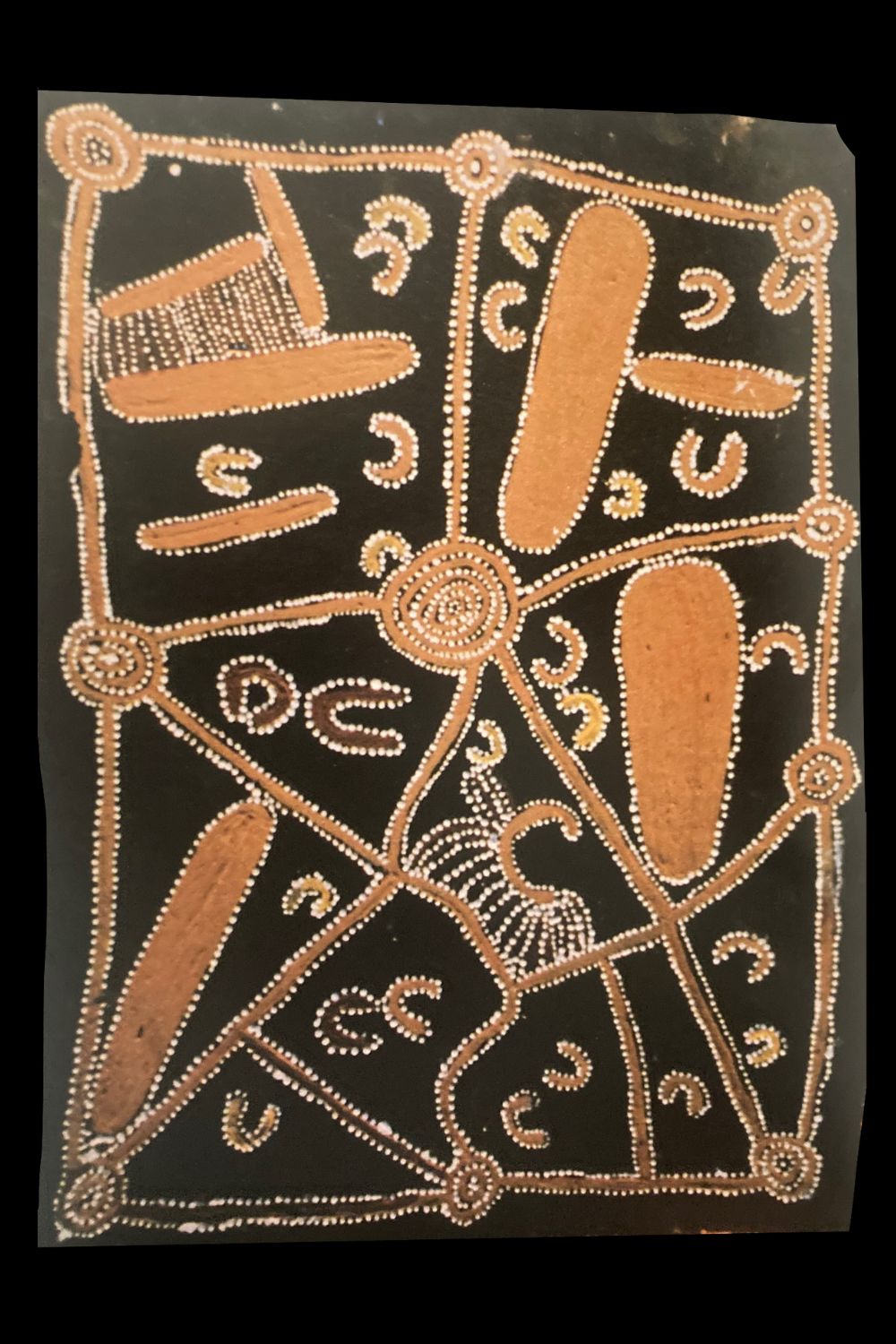
This guide brings together the little-known stories of six of the rarest original Papunya Board painters:
- Limpi Pungtungka Tjapangati
- Ross Davis
- Tjumbalulu Tjungurrayi
- Johnny Scooby Tjapanangka
- Johnny Lynch Tjapangati
Each artist represents a reminder that the history of Papunya painting extends well beyond the famous names. While their recorded outputs were small, their works remain direct witnesses to the extraordinary moment when ceremonial designs were first translated from the desert floor and ceremonial objects onto composition board. Every surviving board therefore contributes another piece to the history of contemporary Aboriginal art.
Limpi Pungtungka Tjapangati
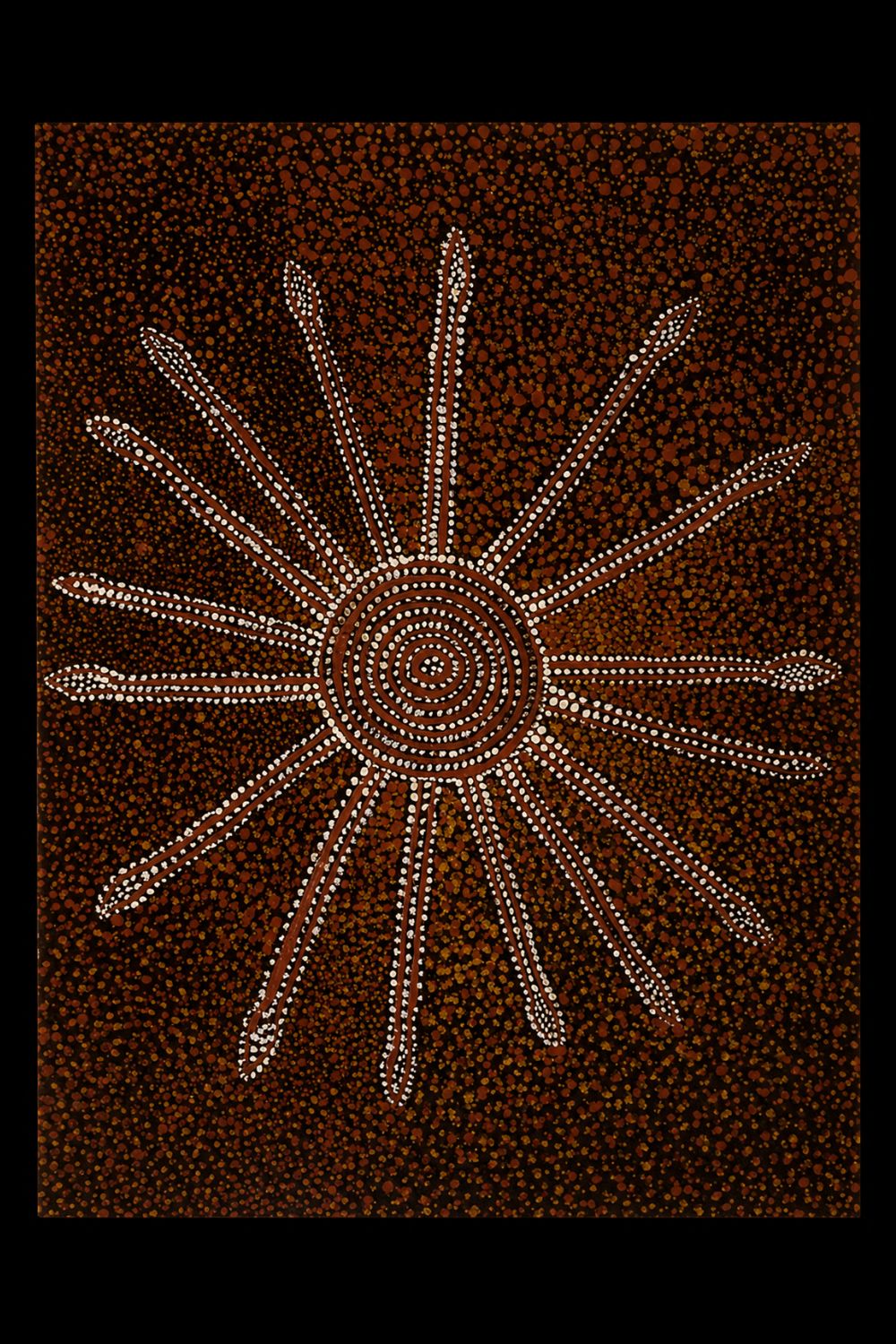
Limpi Pungtungka Tjapangati (c.1918–1985) was one of the original Aboriginal artists involved in the Papunya painting movement when it began in 1971. Although little has been published about his life, he was among the senior men who worked with Geoffrey Bardon, helping establish what became the contemporary Western Desert art movement.
Born near Mereenie, east of Haasts Bluff, Limpi was a Luritja and Arrernte man. He lived at Hermannsburg Mission, Haasts Bluff and later Papunya. Before painting, he worked as a police tracker and served on the Papunya Town Council.
In 1971 he joined the group transferring ceremonial designs onto composition boards at Papunya. Although relatively few paintings have been documented, UNSW Galleries notes that he developed a distinctive style that remained consistent throughout his career and influenced other artists. Little has been recorded about the Dreaming stories he painted.
His artistic legacy continued through his family. His daughter, Beyula Puntungka Napanangka, became a painter with Papunya Tjupi Arts, while his granddaughter, Mary Roberts Nakamarra, has recalled watching her grandfather paint before becoming an accomplished artist herself.
Today, Limpi Pungtungka Tjapangati’s paintings are rarely encountered. Their scarcity makes them important surviving records of the earliest years of the Papunya painting movement.
Ross Davis
Ross Davis was one of the original artists involved in the Papunya painting movement during its formative year in 1971. Although little has been published about his life, surviving paintings confirm he was among the Aboriginal men working with Geoffrey Bardon when ceremonial designs were first transferred onto composition boards. Only a small number of his works are known today.
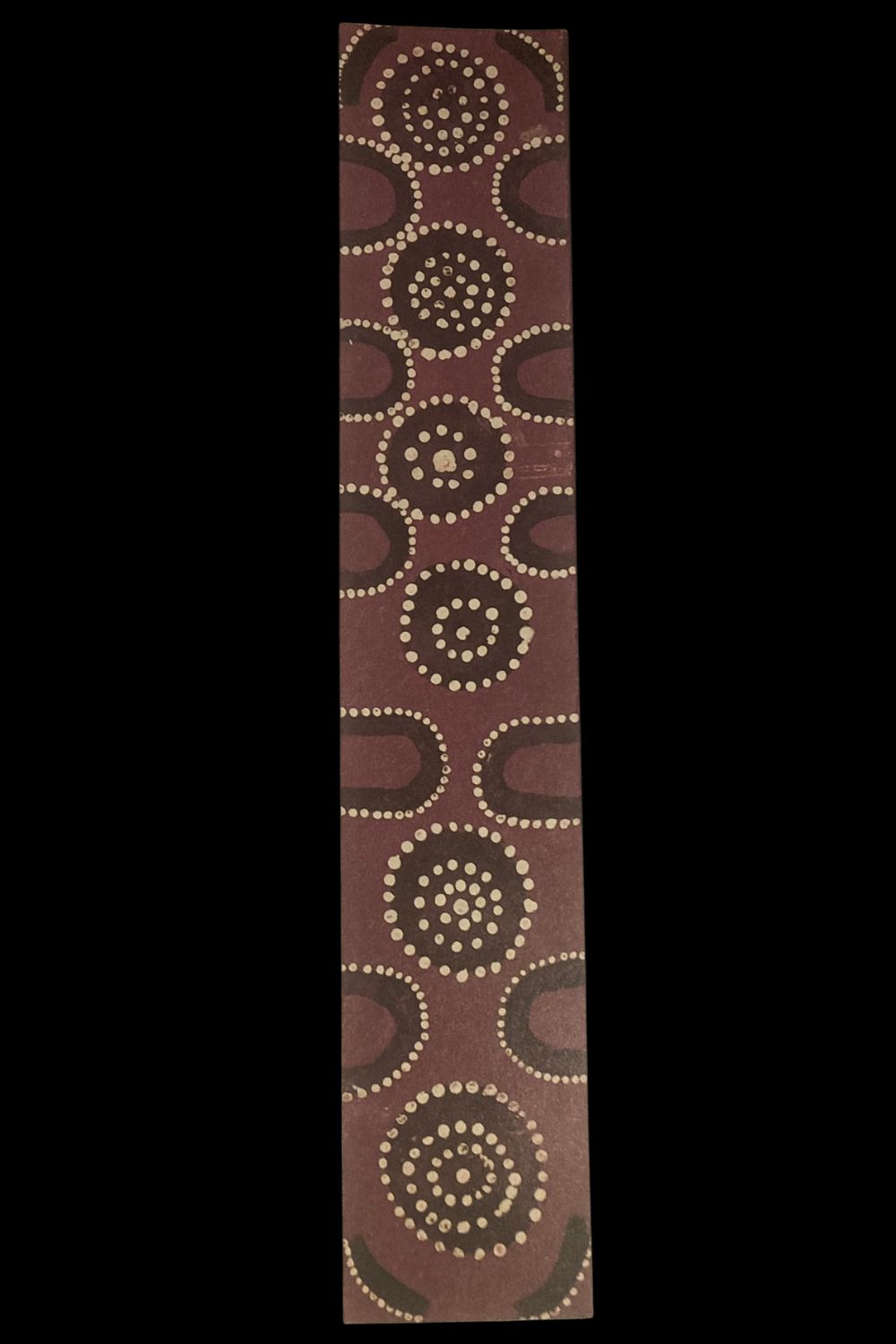
One of the best documented is Honey Ant Dreaming (1971), painted with synthetic polymer poster paint and PVA on composition board. Originally in Geoffrey Bardon’s personal collection, it was later sold by Deutscher and Hackett in 2009 and is illustrated in Papunya: A Place Made After the Story, providing secure documentation of both the artist and the painting.
Its long, narrow format reflects the experimental supports used during the first year of the Papunya movement, when artists painted on composition board, hardboard, floor tiles and fruit box ends before standard board sizes became common.
Beyond these few documented works, little is known about Ross Davis’s background or artistic career. Nevertheless, his surviving paintings provide valuable evidence of his participation in the remarkable artistic developments that began at Papunya in 1971.
Johnny Lynch Tjapangati
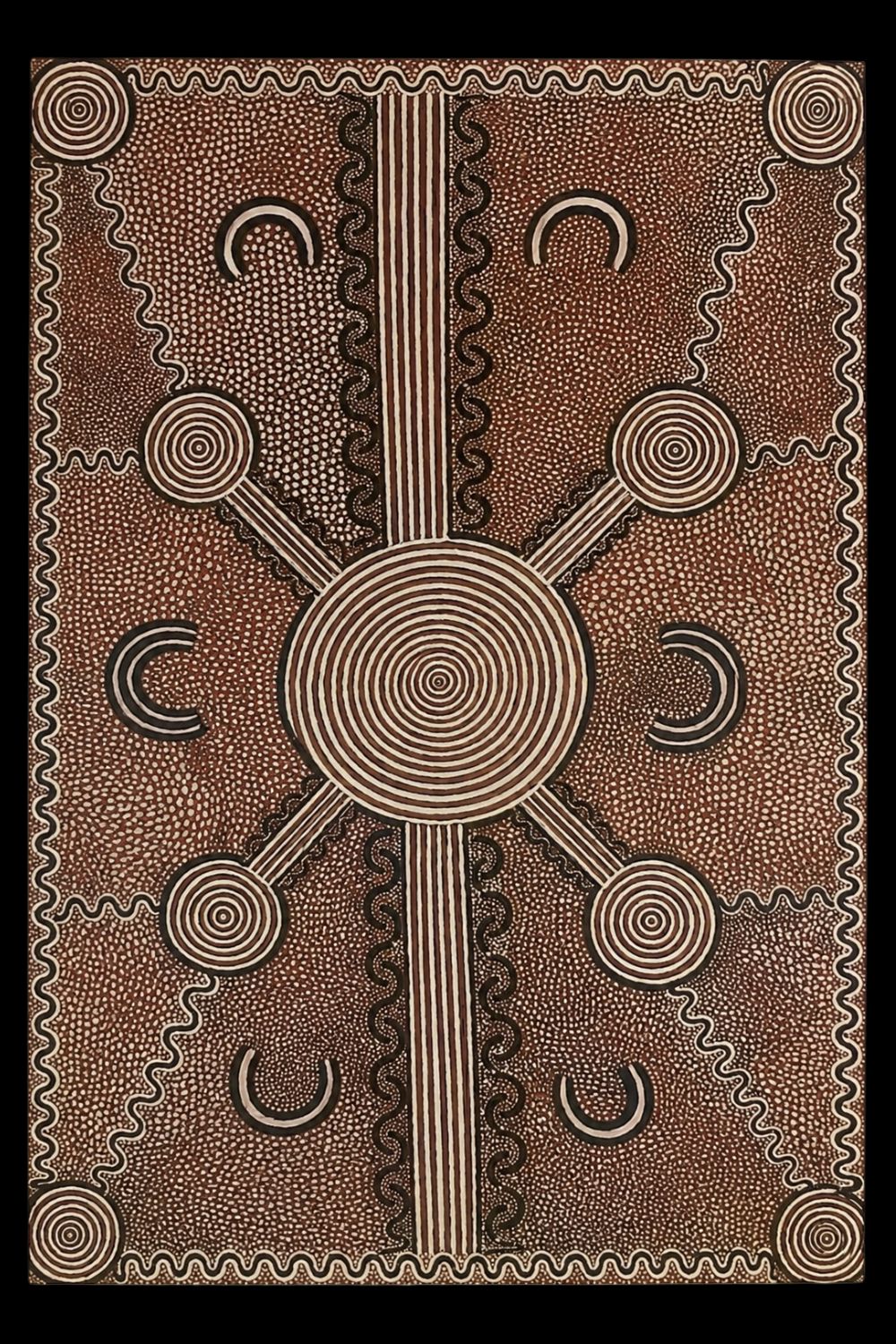
Johnny Lynch Tjapangati (c.1920–early 1980s) was one of the early Papunya painters associated with the Western Desert painting movement. A senior stockman at Narwietooma Station, he came to painting slightly later than many of the original Papunya artists, joining the group after Geoffrey Bardon had established the painting project. Despite this, Geoffrey Bardon considered him one of the important early contributors to the movement.
Johnny’s traditional Country lay along the Honey Ant Dreaming trail extending towards Woodgreen Station, and the Honey Ant Dreaming became the principal subject of his paintings. He painted intermittently during the 1970s, producing a relatively small body of work before his death in the early 1980s.
Although few paintings have been published, Geoffrey Bardon devoted a section to Johnny Lynch Tjapangati in Papunya Tula: Art of the Western Desert, recognising him as one of the significant early painters of the movement. His works retain the direct ceremonial imagery and restrained compositions that characterise the formative years of Papunya painting.
Today, Johnny Lynch Tjapangati’s paintings are rarely encountered. Their scarcity, together with their close association with the early Honey Ant Dreaming tradition, makes them important historical records of the pioneering years of the Papunya painting movement.
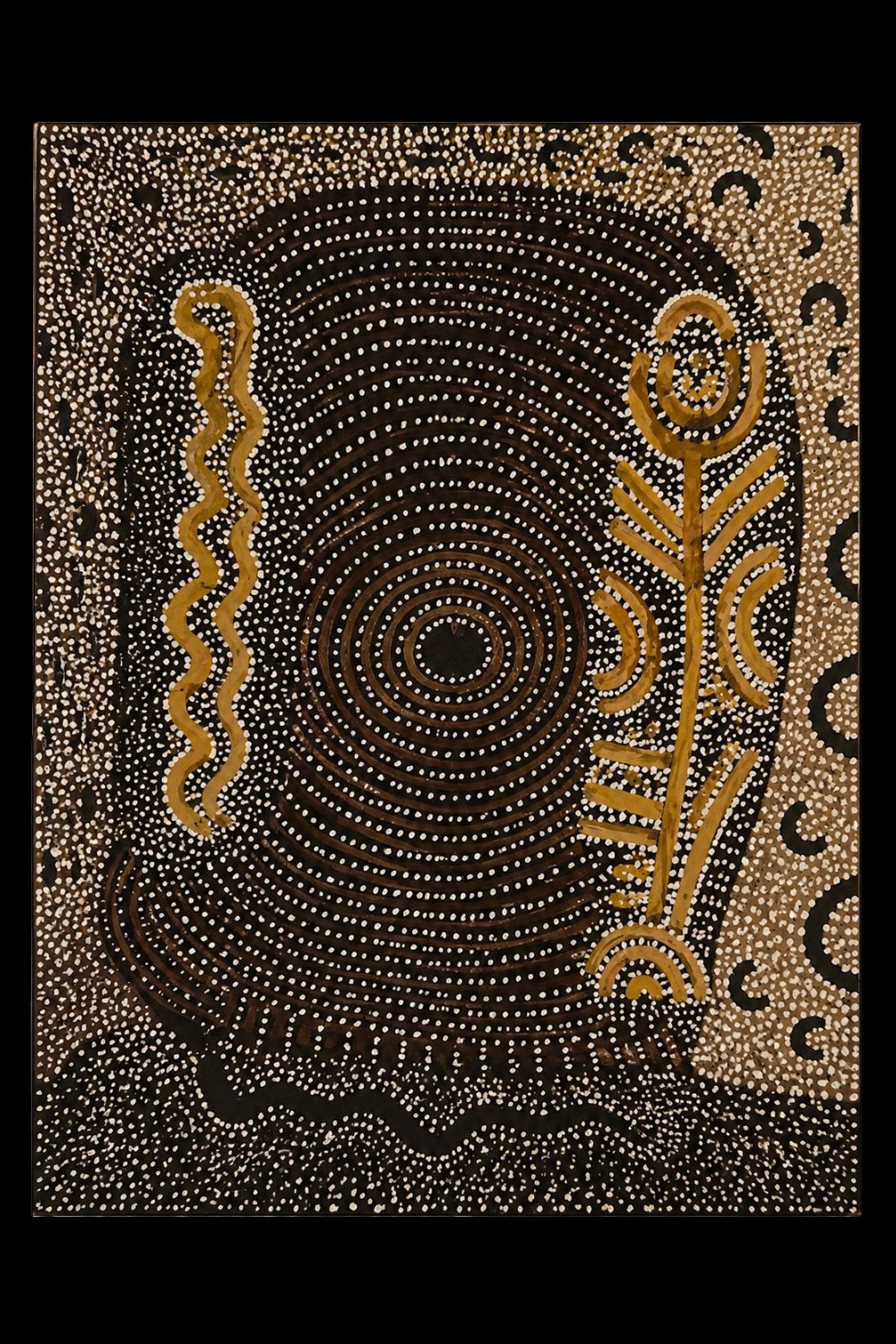
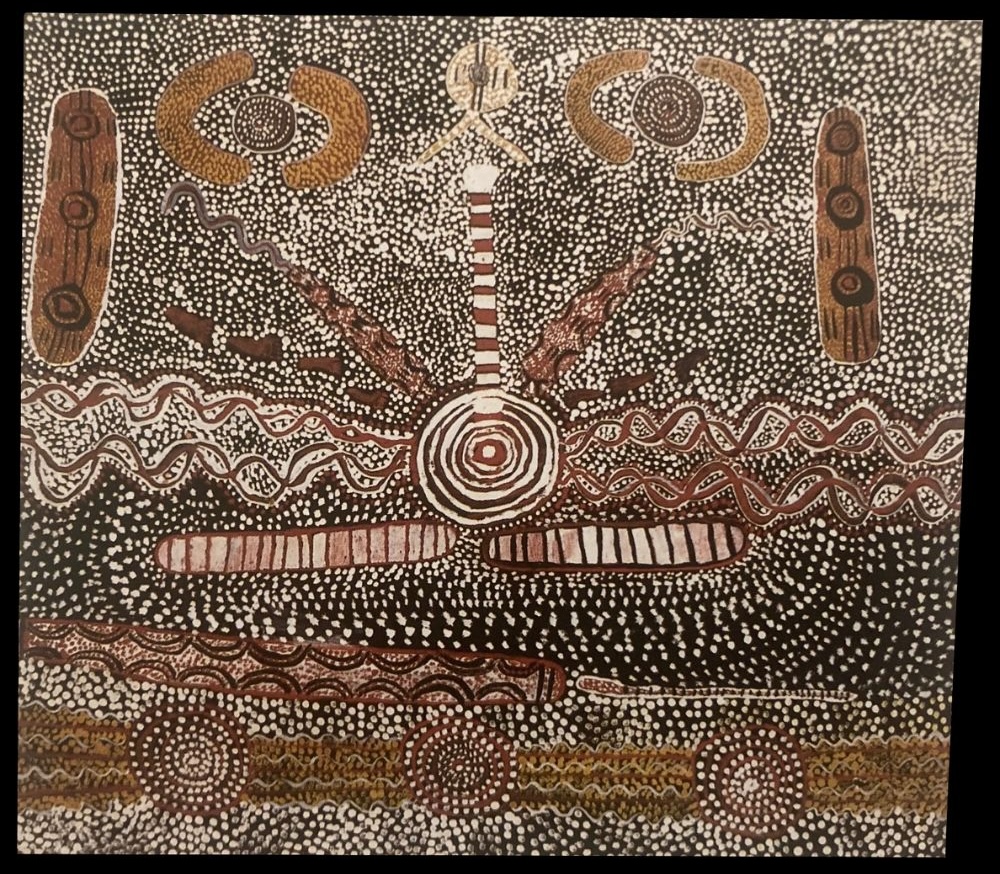
All images in this article are for educational purposes only.
This site may contain copyrighted material the use of which was not specified by the copyright owner.