
Papunya Boards
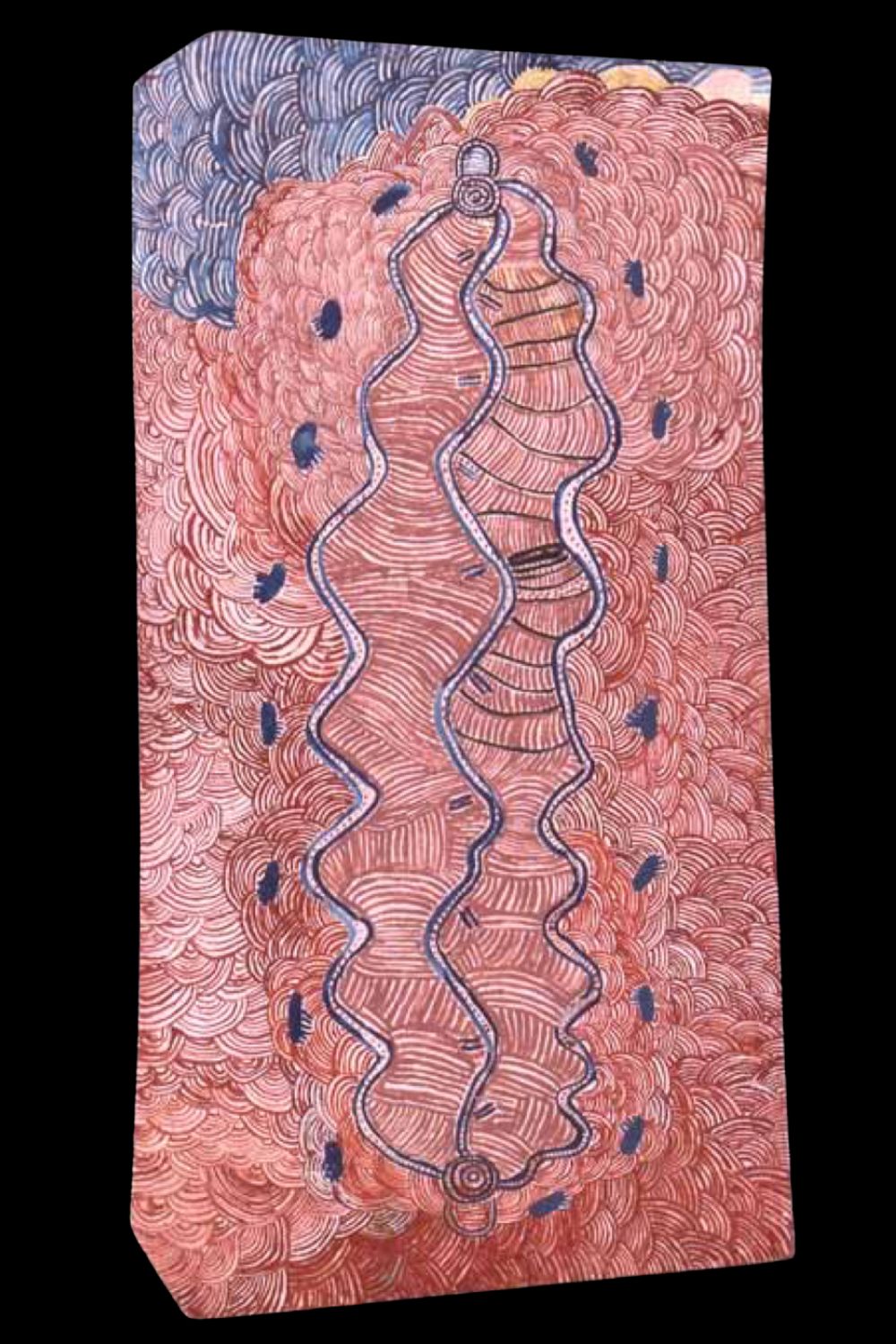
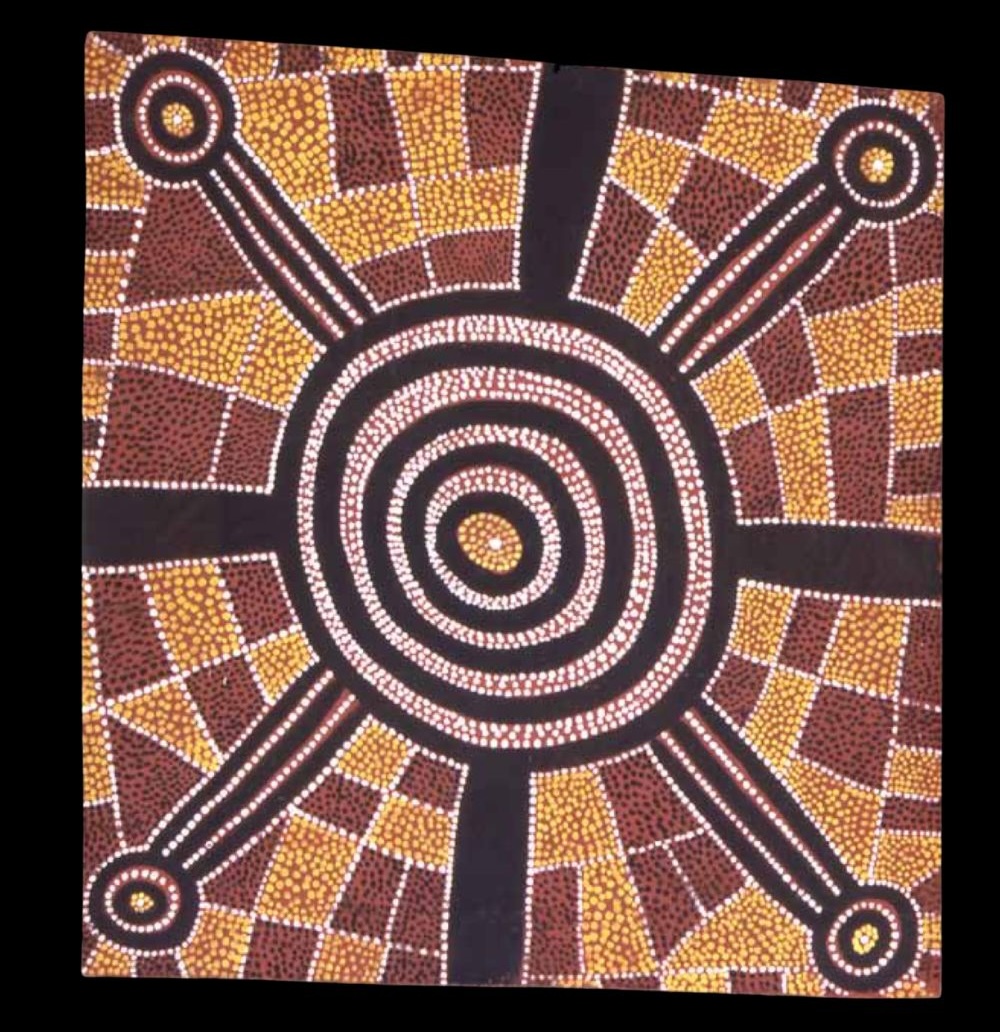
Papunya Boards are the earliest portable paintings produced by Aboriginal artists at the remote Northern Territory community of Papunya during the early 1970s. Painted on composition board, hardboard, Masonite and other readily available building materials, they represent early Papunya Art, the foundations of the contemporary Western Desert Art movement and are among the most historically significant works in Australian art.
Although many Papunya Boards appear modest in size and materials, their historical importance is immense. They record the moment when senior Aboriginal artists first adapted traditional ceremonial imagery onto permanent portable surfaces, creating a movement that would transform Aboriginal art both in Australia and internationally.
Today, original Papunya Boards are highly sought after by museums, galleries and collectors because of their rarity, historical significance and connection to the birth of contemporary Western Desert painting.
Whether you are researching early Aboriginal art, trying to identify a painting, or wondering whether a Papunya Board may have significant value, the guides below answer the most commonly asked questions.
Learn About Papunya Boards
What are Papunya Boards?
When were Papunya Boards painted?
Why were Papunya Boards painted on board?
Why are Papunya Boards historically important?
How much are Papunya Boards worth?
How do you identify a Papunya Board?
Who painted the first Papunya Boards?
What do Papunya Boards depict?
Where are the most important Papunya Boards today?
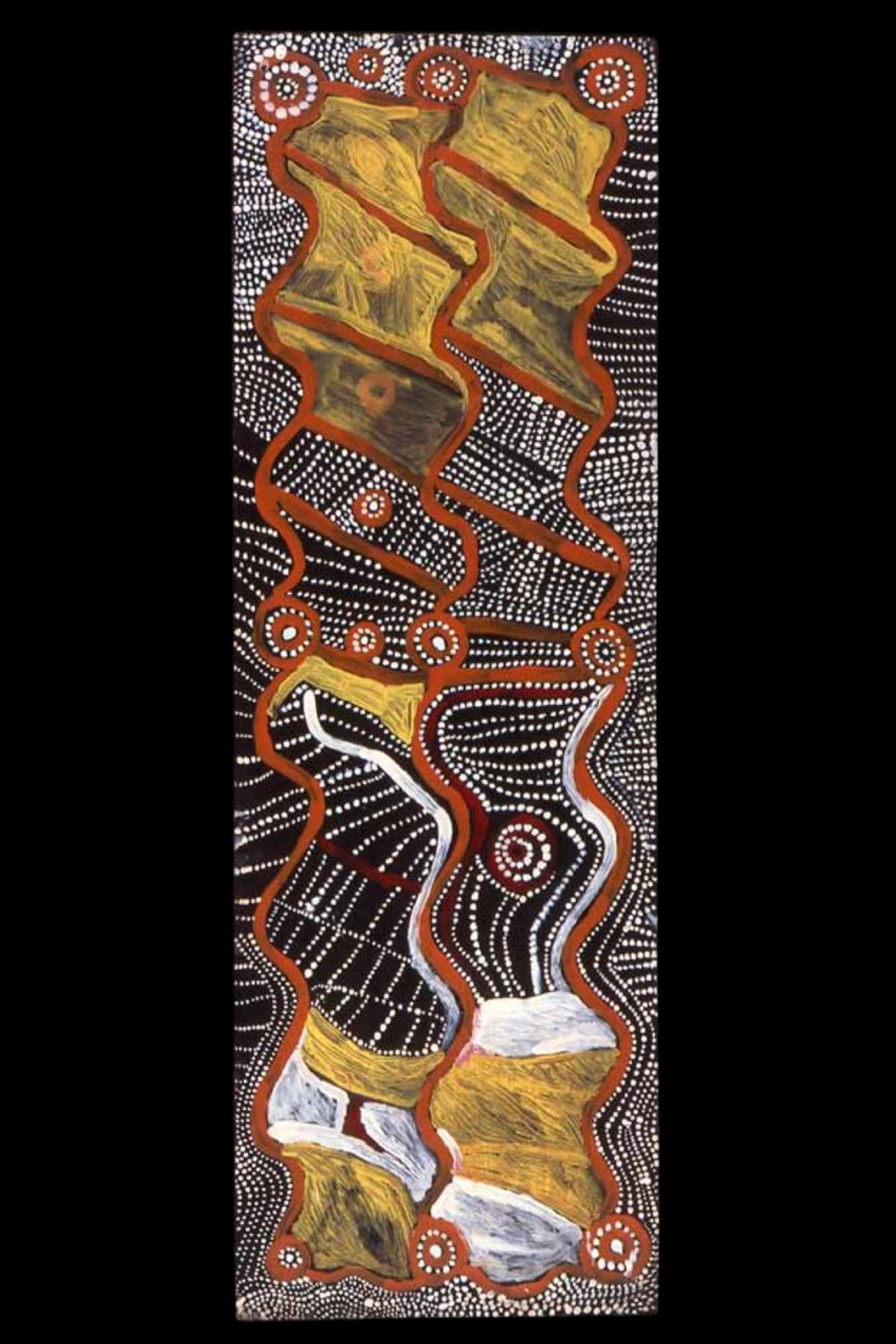
Discover the less famous or Forgotten papunya Board Artists
All images featured in this article are presented strictly for educational and informational purposes.
This website may include copyrighted material for which specific authorization has not been obtained from the copyright owner.
All such images are presumed to be the intellectual property of the respective artist or their estate, and are used in accordance with principles of fair dealing or fair use under applicable copyright law.