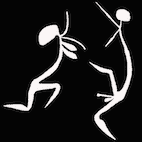
Don Ellis Tjapanangka
Don Ellis Tjapanangka (c. 1925–1976) was one of the pioneering Aboriginal artists who helped establish Papunya Art during its formative years in 1971 and 1972. A member of the Ngaliya language group of the Central Desert, he belonged to the remarkable first generation of painters whose work laid the foundations of the contemporary Western Desert Art movement.
Although his painting career was brief, Don Ellis was present during the creation of the famous Honey Ant Mural at Papunya School and was among the small group of artists painting in the settlement before the movement gained wider recognition. Geoffrey Bardon recalled that Don Ellis and Kaapa Mbitjana Tjampitjinpa were the only men painting regularly before work began on the mural, while John Kean describes Don Ellis as an important but often overlooked figure in the birth of Papunya painting.
Like Old Tutama Tjapanga Dinny Nolan and Tom Lowry Don Ellis only painted a few known works.
Early Life
Don Ellis Tjapanangka was born around 1925 and belonged to the Ngaliya language group of the Central Desert. Like many of the original Papunya artists, he grew up within a traditional Aboriginal cultural environment where knowledge of Country, ceremony and Dreaming was passed from one generation to the next.
Much of his early life remains undocumented, reflecting the limited historical records that exist for many Aboriginal people of his generation.
Role in the Papunya Art Movement
Don Ellis Tjapanangka was one of the artists present during the earliest development of Papunya painting in 1971.
According to former Papunya art adviser John Kean, Don Ellis occupies a somewhat overlooked position within the history of the movement. While he appears in photographs alongside many of the better-known founding artists during the creation of the famous Honey Ant Mural at Papunya School, his contribution has often been overshadowed by painters who continued working throughout the 1970s.
Geoffrey Bardon recalled that before the Honey Ant Mural was created, Don Ellis and Kaapa Mbitjana Tjampitjinpa were among the few men painting regularly. During the painting of the mural, Don Ellis worked under the supervision of his father, Old Tom Onion Tjapangati, another respected senior Aboriginal man associated with the project.
Artistic Style
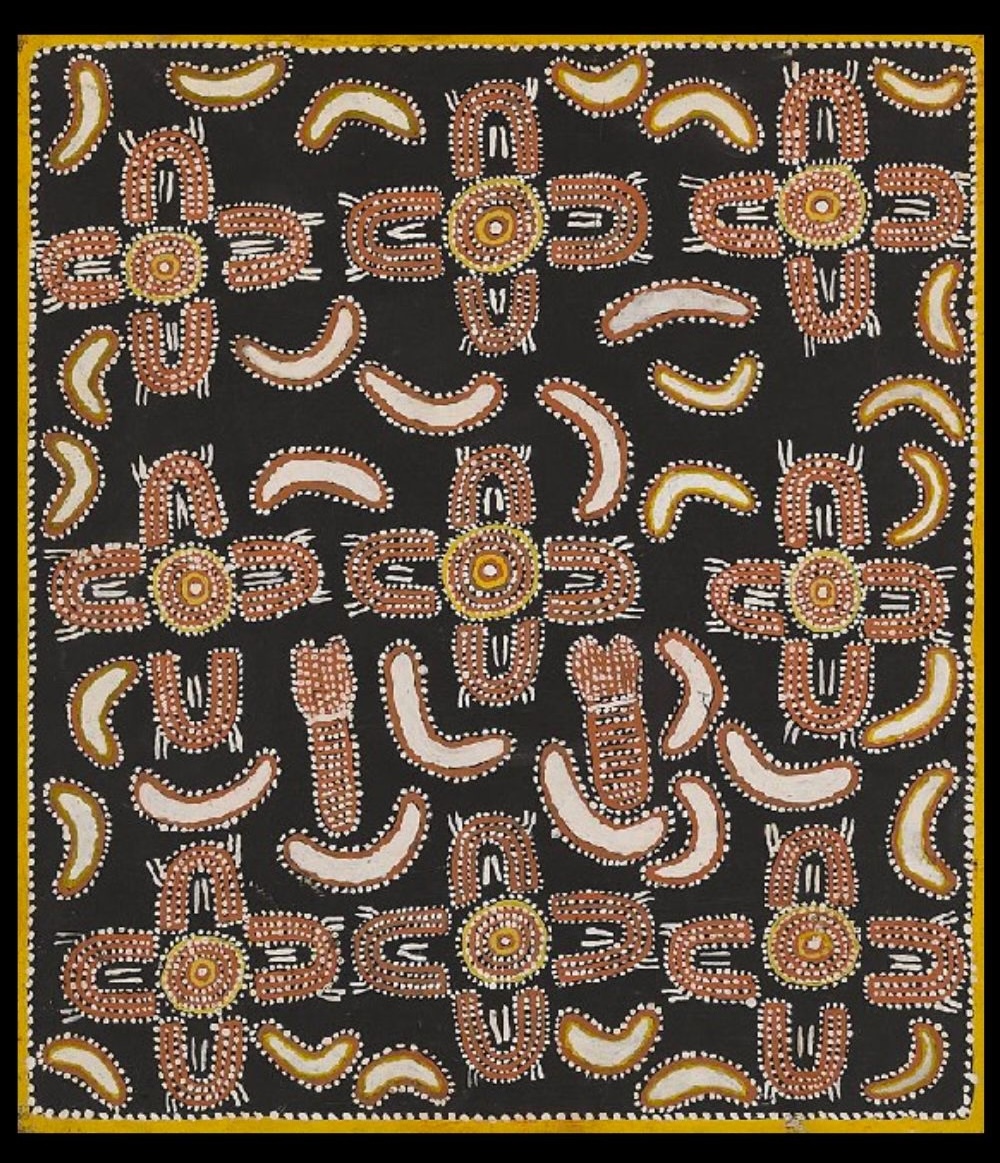
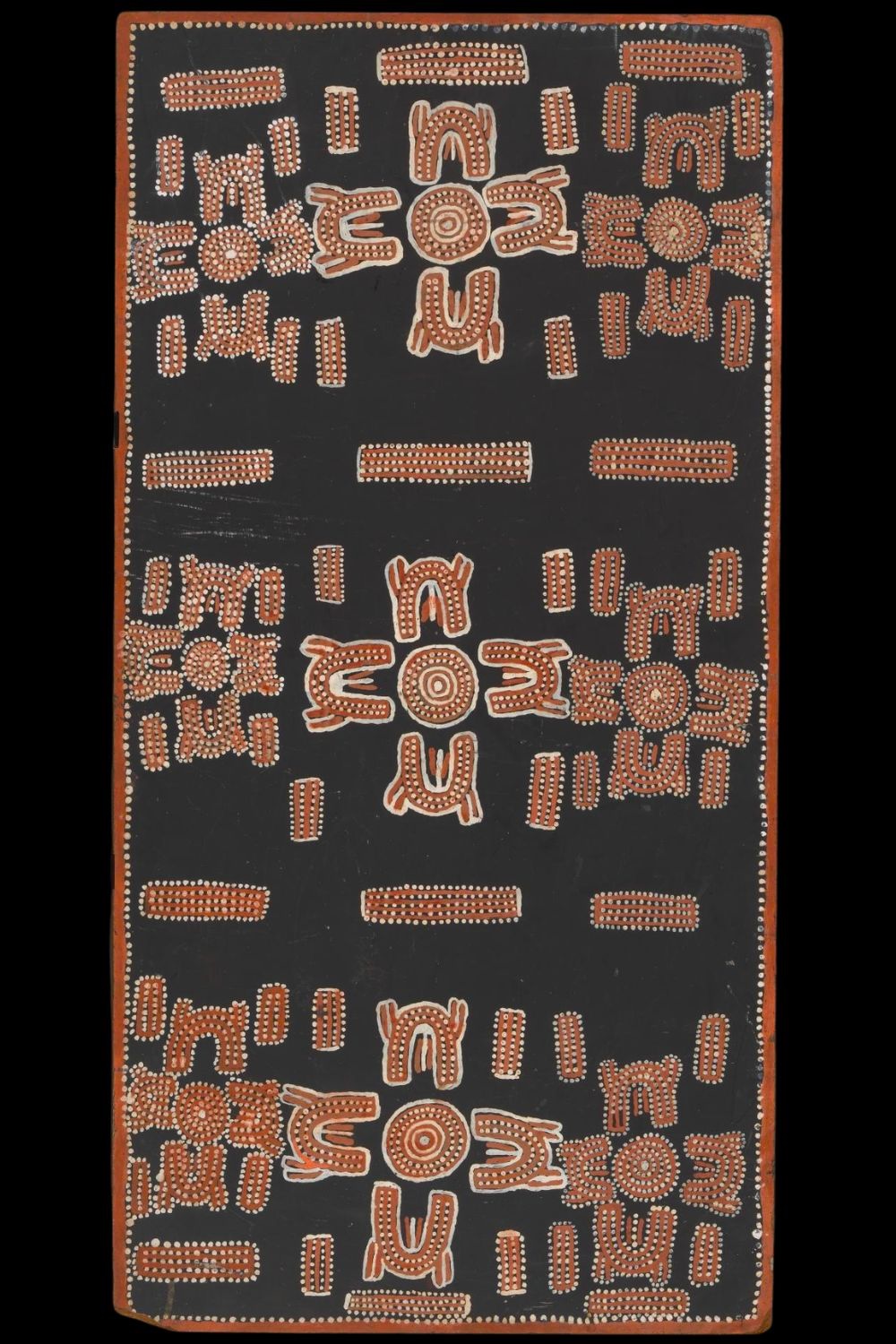
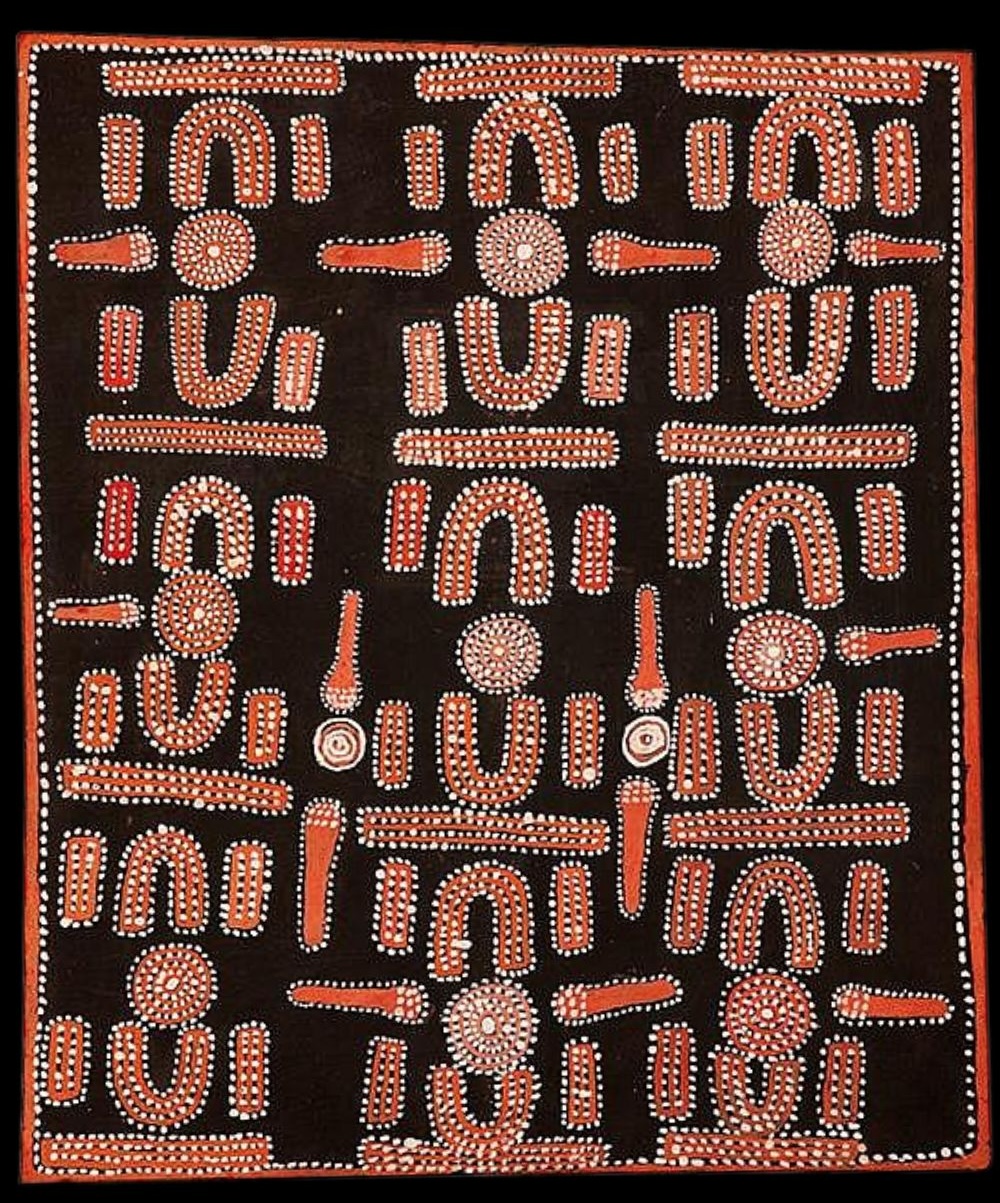
Although relatively few paintings by Don Ellis Tjapanangka survive, those that do reveal a distinctive personal style developed during the experimental years of early Papunya painting.
His works belong to the first generation of Papunya Boards, painted on composition board and other readily available materials before artists transitioned to canvas. Like other early Papunya painters, his imagery drew upon traditional ceremonial knowledge and connections to Country rather than attempting to create decorative or purely representational art.
Because his painting career was brief, his surviving works provide an important record of the diversity that existed during the movement’s earliest years.
Move to Yuendumu
In 1972, just as Western Desert painting was becoming firmly established, Don Ellis left Papunya and moved to Yuendumu.
This move effectively ended his involvement with the Papunya painting movement. While many of his contemporaries continued developing their careers through Papunya Artists, Don Ellis disappeared from the documented artistic record. As a result, comparatively few paintings by him are known today.
Dick Kimber later recalled that Don Ellis briefly returned to painting during the mid-1970s.
Death
Don Ellis Tjapanangka died in 1976 after being murdered in the dry bed of the Todd River at Alice Springs. His death brought a premature end to an artistic career that had shown considerable promise during the formative years of the Papunya movement.
Legacy
Although Don Ellis Tjapanangka remains less well known than many of the founding Papunya artists, his contribution to the earliest years of the movement is increasingly recognised by scholars and collectors.
His participation in the creation of the Honey Ant Mural, his early paintings, and his association with Geoffrey Bardon place him among the pioneering generation that established contemporary Western Desert Art.
His artistic legacy has also continued through his family. According to John Kean, his granddaughter, Lorna Brown Napanangka, has continued the tradition of Western Desert painting, ensuring that his connection to the movement lives on through a new generation of artists.
Because Don Ellis painted for only a short period, authentic works by him are uncommon. When they do appear, they are valued not only for their rarity but also for their importance in documenting the formative years of one of Australia’s most significant artistic movements.
Don Ellis Tjapanangka Artwork Values
Paintings by Don Ellis Tjapanangka appear only occasionally on the market, making valuation difficult. Their value depends upon factors including provenance, condition, date, subject matter and historical significance.
The last artwork that came up for Auction sold for $11,000 AUD
If you own a painting by Don Ellis Tjapanangka, or believe you may have one, I am happy to provide an initial assessment from photographs. Please send clear images of the front, back and edges of the painting, together with its dimensions and any known provenance.
All images in this article are for educational purposes only.
This site may contain copyrighted material the use of which was not specified by the copyright owner.