Nosepeg Tjupurrula
Nosepeg Tjupurrula (c.1915–1990) was one of the founding artists of the Papunya painting movement, but he was never primarily a painter. He was first and foremost a senior Pintupi ceremonial leader, respected across much of the Western Desert for his knowledge of Aboriginal Law, Dreaming stories and Country. His paintings, created during the birth of the Papunya movement in 1971–1972, are relatively few because his responsibilities as a law man, teacher and cultural leader always came before art.
Today his surviving Papunya Boards are among the most historically significant works of early Western Desert Art. They represent not only the beginnings of contemporary Aboriginal painting but also the vision of one of the last great ceremonial leaders raised entirely in traditional desert life.
If you own a painting by Nosepeg Tjupurrula and would like to know its value or are considering selling it, please contact me with clear photographs of the front, back and any known provenance.
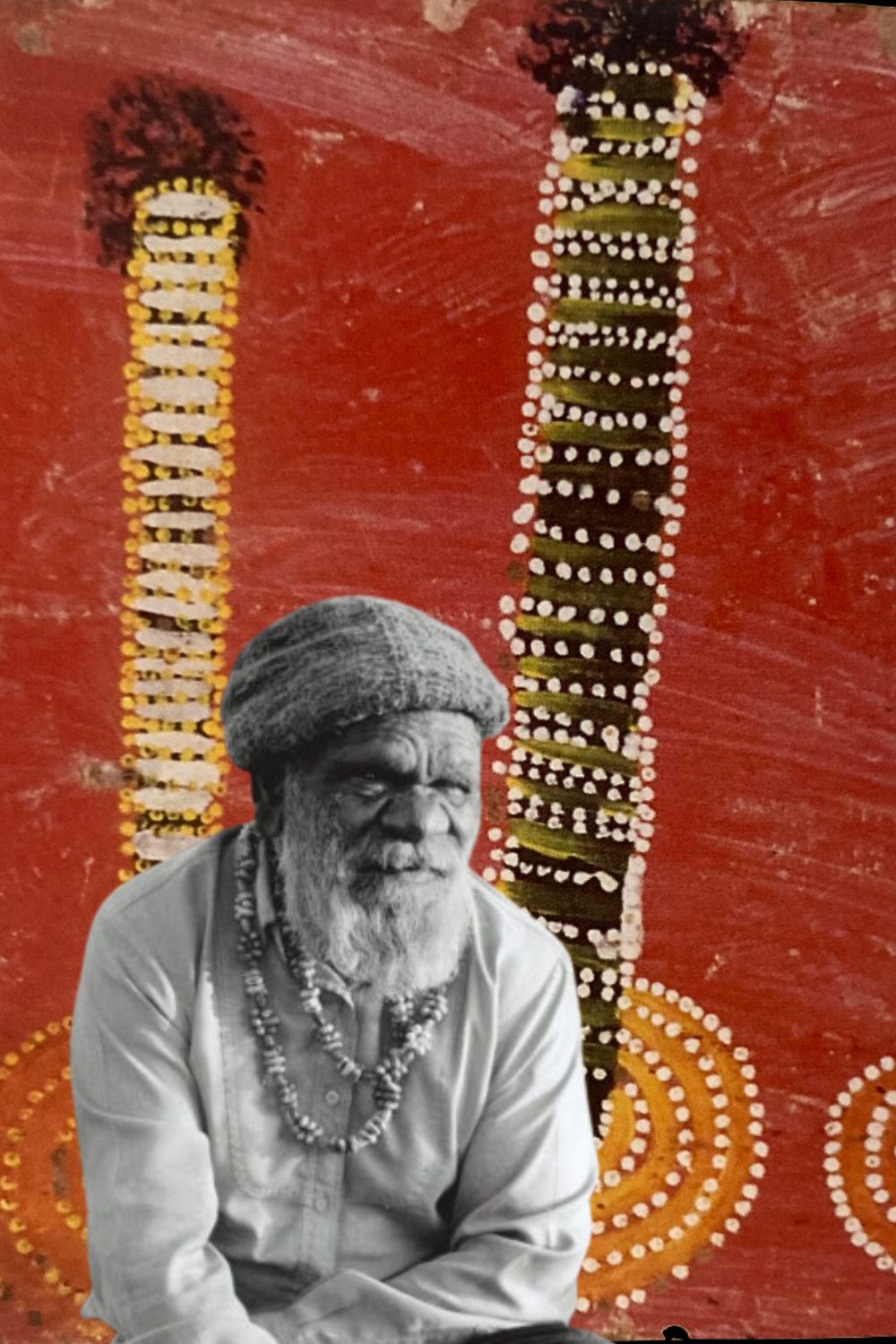
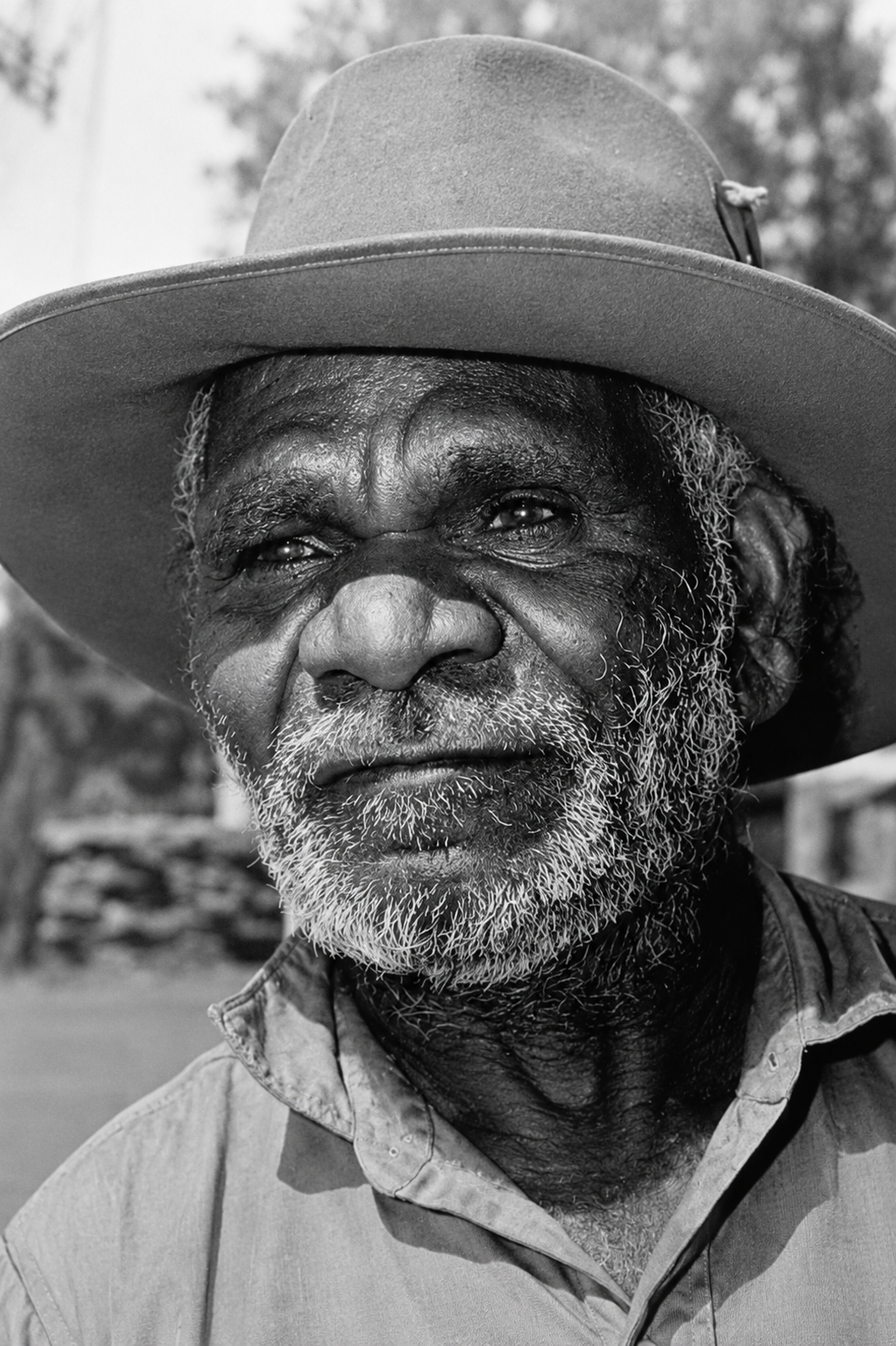
Who was Nosepeg Tjupurrula?
Nosepeg Tjupurrula was born around 1915 at Winanpa, south of Kaakurutintjinya (Lake Macdonald) in Southern Pintupi Country near the Western Australian border. He belonged to the Pintupi people and grew up entirely within the traditional nomadic life of the Western Desert before regular European contact.
Unlike many artists who later became famous through painting, Nosepeg first earned recognition as a senior ceremonial leader. His extensive knowledge of Dreaming stories, sacred sites, ceremony and Aboriginal law made him one of the most influential cultural authorities in Central Australia.
Historian Dick Kimber described him as perhaps the most important ritual leader among the Western Desert peoples, noting his extraordinary knowledge of ceremonial traditions that extended across multiple language groups.
A Life Between Two Worlds
Nosepeg lived through one of the most significant periods in Aboriginal history.
As government patrols moved into the Western Desert during the 1950s and early 1960s, he became an interpreter and guide for welfare officers making first contact with remote Pintupi families. His deep understanding of both traditional Aboriginal society and the rapidly changing European world made him an invaluable cultural intermediary.
He also briefly enlisted during the Second World War and later appeared in several Australian films and television productions, making him one of the earliest Aboriginal actors to appear regularly on screen.
Few Aboriginal leaders of his generation successfully bridged both traditional ceremonial life and modern Australia as effectively as Nosepeg.
The Birth of Papunya Art
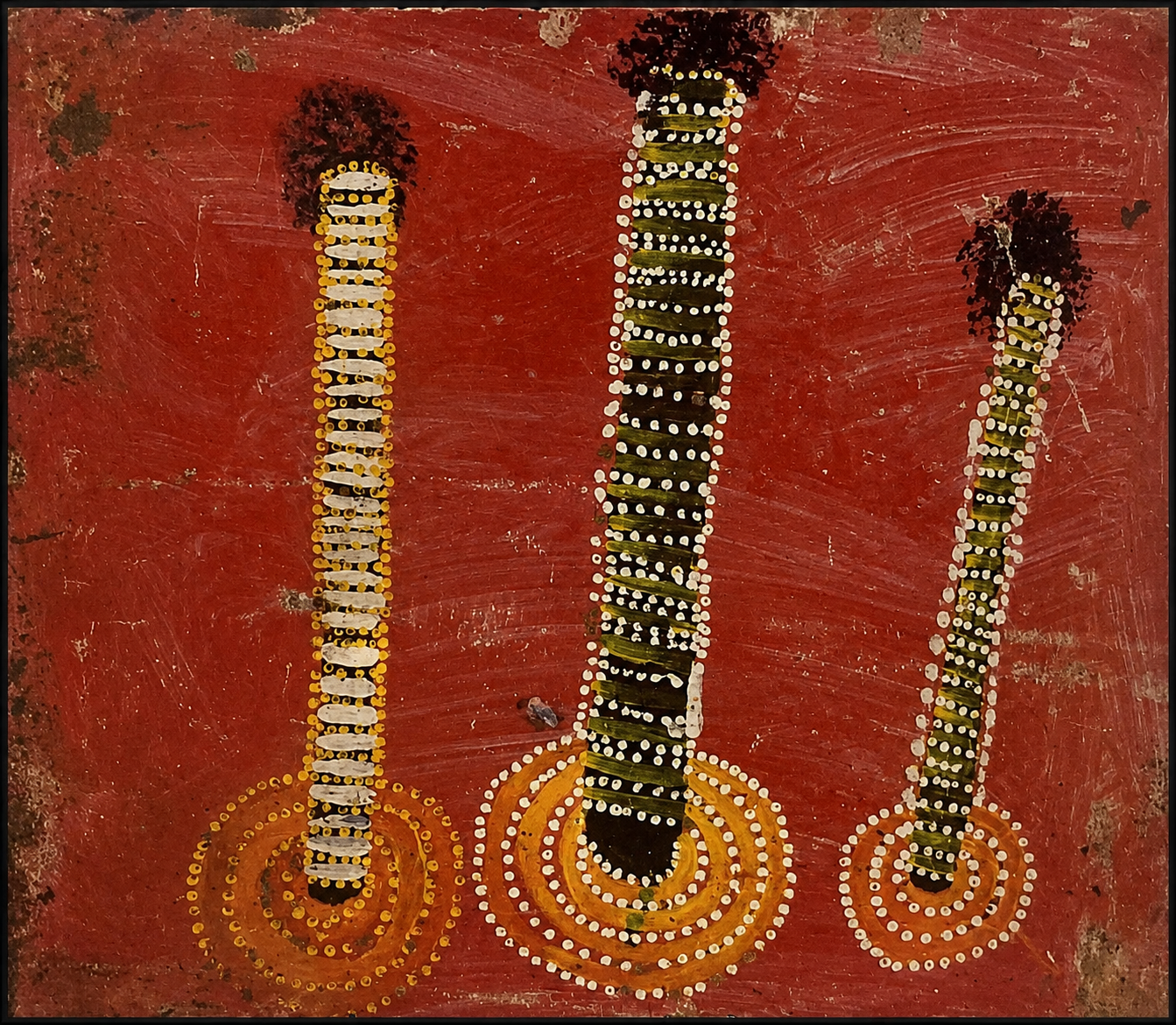
When schoolteacher Geoffrey Bardon encouraged Aboriginal men at Papunya to paint with acrylics in 1971, Nosepeg was among the original group of artists who helped establish what would become the contemporary Western Desert Art movement.
Unlike artists such as Johnny Warangkula Tjupurrula or Clifford Possum Tjapaltjarri, however, painting never became his primary occupation.
His responsibilities as a senior law man required him to spend much of his time:
- conducting ceremonies
- teaching younger men
- resolving disputes
- travelling between communities
- maintaining traditional Law.
As a result, relatively few paintings by Nosepeg Tjupurrula were produced compared with many of his contemporaries.
Today this genuine scarcity contributes significantly to the importance of his surviving works.
Nosepeg Tjupurrula’s Painting Style
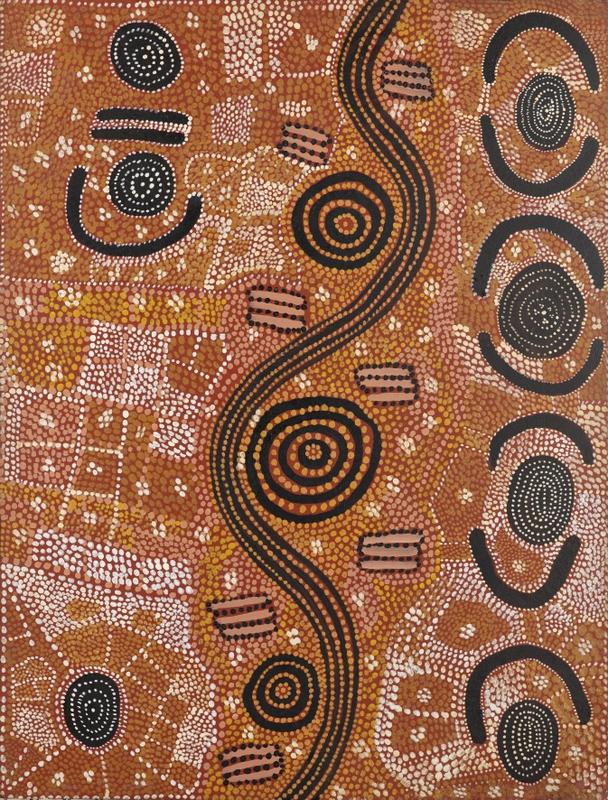
Because relatively few paintings by Nosepeg Tjupurrula are known today, it is difficult to define a single painting style with confidence. Unlike artists such as Johnny Warangkula Tjupurrula or Clifford Possum Tjapaltjarri, who produced substantial bodies of work over many years, Nosepeg’s surviving paintings are comparatively scarce. His primary role within the community was that of a senior ceremonial leader rather than a full-time artist, and painting formed only a small part of his life’s work.
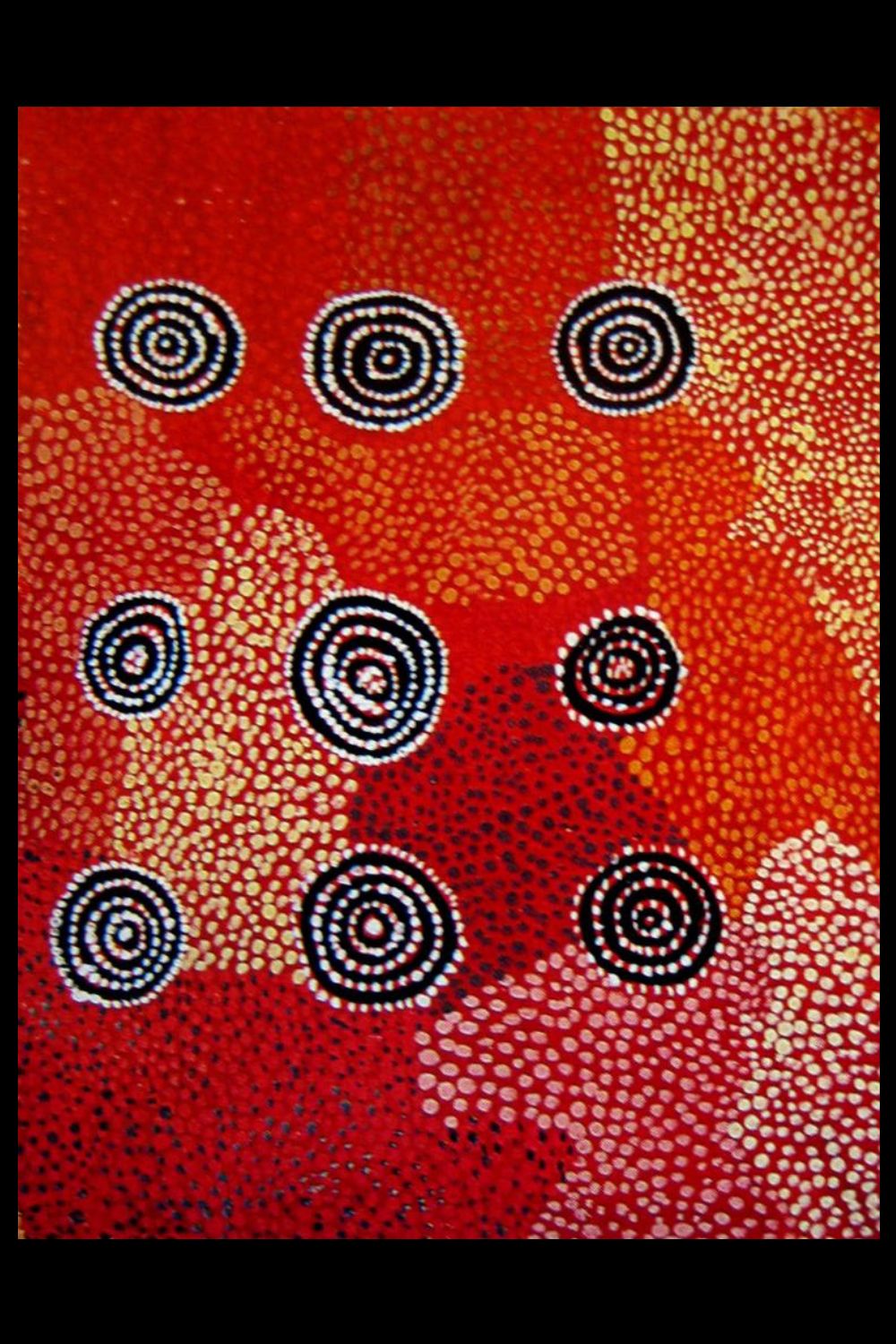
The paintings that do survive demonstrate considerable variation in composition and subject matter, suggesting that his approach evolved during the formative years of the Papunya movement. Some works employ bold concentric circles and broad travelling lines that closely resemble ceremonial ground designs, while others feature more linear structures, elongated forms and increasing use of dotting. This diversity makes it difficult to reduce his work to a single recognisable formula.
Across his known paintings, several characteristics appear repeatedly:
- strong geometric organisation
- symbolic representations of important ceremonial sites
- travelling lines linking places across Country
- restrained palettes of red, black, white, yellow and ochre
- compositions that favour clarity of design over decorative complexity.
More Than an Artist
Although remembered today primarily as an artist, Nosepeg’s influence extended far beyond painting.
He was:
- a senior Pintupi ceremonial leader
- an interpreter during early government contact with remote desert groups
- one of Australia’s earliest Aboriginal film actors
- an advocate for the Homelands (Outstation) Movement
- a respected teacher of traditional law and culture.
His paintings therefore represent only a small part of a remarkable life devoted to preserving Aboriginal knowledge during a period of profound social change.
Why Nosepeg Tjupurrula is Important
Nosepeg occupies a unique place in Australian art history.
He belongs to the last generation of Western Desert men raised entirely in traditional nomadic life before sustained European settlement. At the same time, he became one of the founding artists of the Papunya movement that transformed Aboriginal art into an internationally recognised contemporary art movement.
His paintings are therefore valued not only for their artistic quality but also for their historical significance.
Each surviving work records the moment when ancient ceremonial traditions first found expression in acrylic paint.
How Much is a Nosepeg Tjupurrula Painting Worth?
Because comparatively few paintings by Nosepeg Tjupurrula survive, establishing value requires careful examination.
Factors influencing value include:
- whether the painting is an original Papunya Board (1971–1972)
- condition and conservation
- provenance and exhibition history
- subject matter
- size
- museum references or publication.
Early Papunya Boards by founding artists remain among the most historically important works in Aboriginal art and can command substantial prices when they appear on the market.
Looking to Sell a Nosepeg Tjupurrula Painting?
I am always interested in purchasing early Papunya Boards and significant Western Desert paintings.
If you own a painting by Nosepeg Tjupurrula, please send clear photographs of:
- the front
- the back
- any inscriptions or catalogue numbers
- dimensions
- provenance or purchase history, if known.
I will happily provide an honest opinion of the work and, where appropriate, make an offer to purchase.
Frequently Asked Questions
Who was Nosepeg Tjupurrula?
Nosepeg Tjupurrula was a senior Pintupi ceremonial leader and one of the founding artists of the Papunya painting movement during the early 1970s.
Where was Nosepeg Tjupurrula from?
He was born at Winanpa in Southern Pintupi Country near Lake Macdonald in the Western Desert.
What did Nosepeg Tjupurrula paint?
His paintings primarily depict Dreaming stories associated with Southern Pintupi Country, including Bush Turkey Dreaming, Snake Dreaming and important ceremonial sites.
Why are his paintings important?
His works are among the earliest Papunya Boards and document the birth of the contemporary Western Desert Art movement while preserving traditional ceremonial iconography in a public form.
All images in this article are for educational purposes only.
This site may contain copyrighted material the use of which was not specified by the copyright owner.