
What is a Songline?
A Songline is an Aboriginal oral map of Country that records the journeys of ancestral beings during the Dreaming. Preserved through songs, stories, ceremonies and art, Songlines connect sacred places across the Australian landscape while passing cultural knowledge from one generation to the next.
As ancestral beings travelled across Country, they created or transformed mountains, waterholes, rivers, caves, rock formations and other important places. They also established laws, ceremonies and relationships that continue to shape Aboriginal culture today. Each significant place along their journey preserves part of the larger story, and together these places form a Songline.
Some Songlines remain within a single region, while others extend for hundreds or even thousands of kilometres, crossing the Countries of many different Aboriginal peoples. Although each community may tell the dreamtime story in its own language and according to its own traditions, the central ancestral journey remains recognisable along the route.
Songlines are far more than ancient stories. They preserve knowledge about Country, history, law, ceremony, identity and travel, linking people to their ancestors, their landscape and neighbouring communities through one of the world’s oldest continuous cultural traditions.
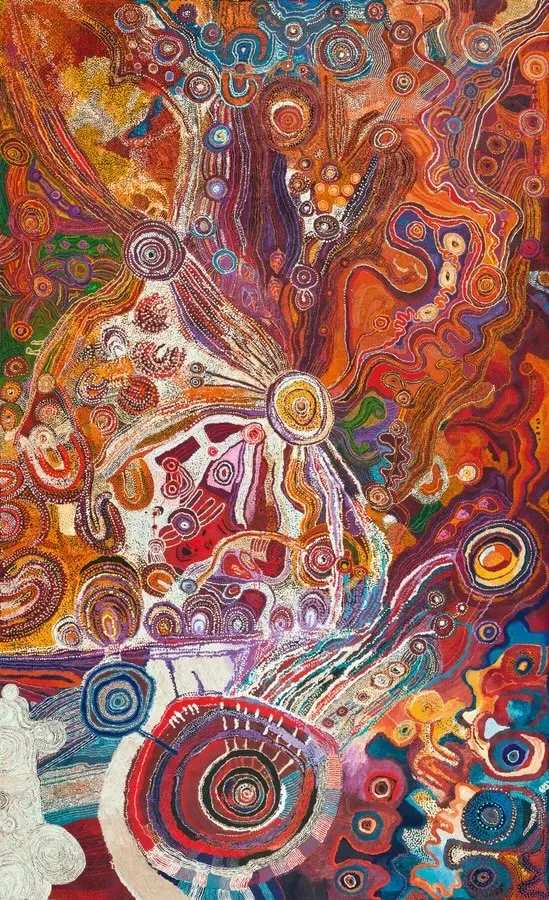
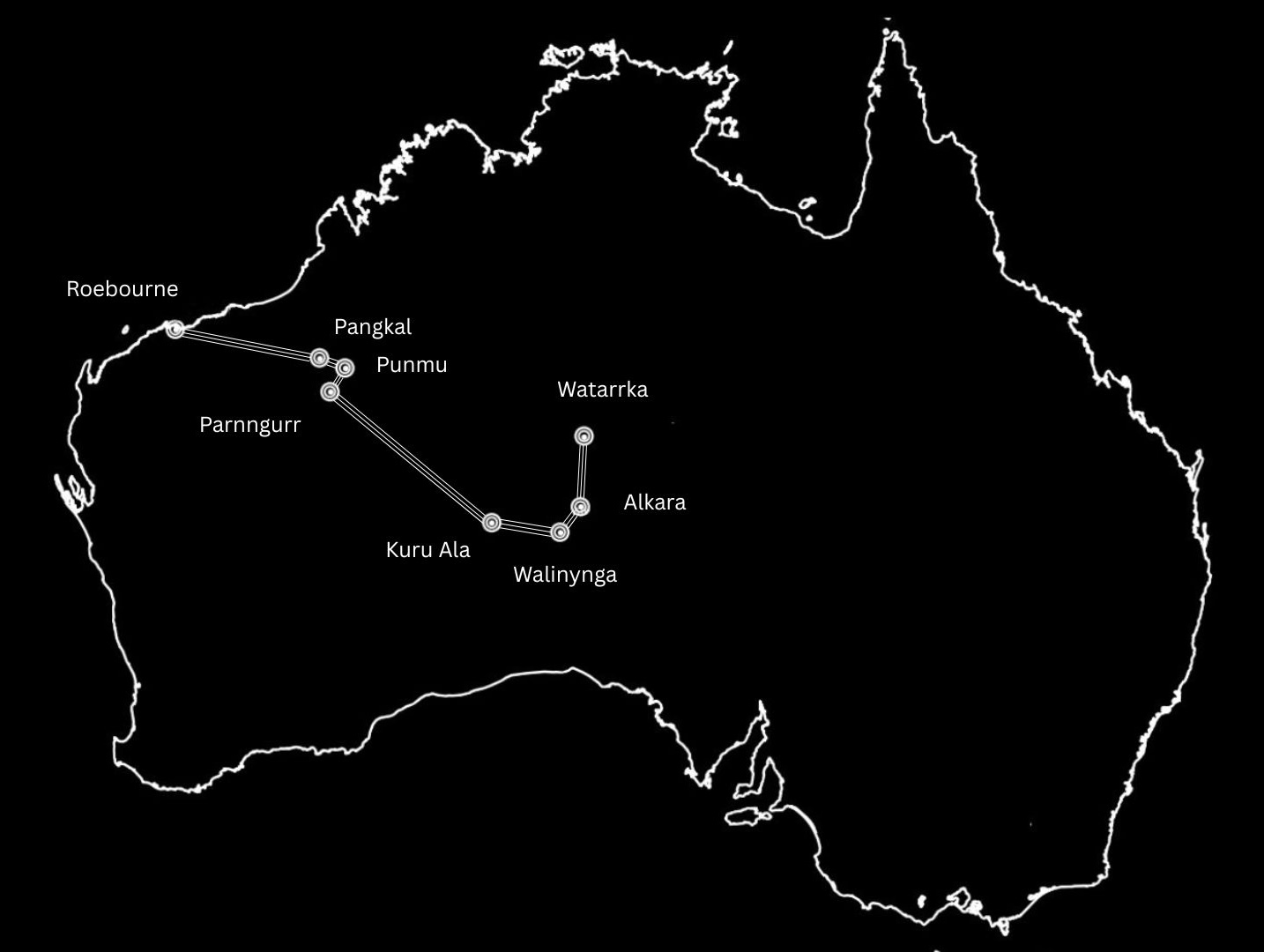
The Seven Sisters Songline
One of the best-documented Songlines in Australia is the Seven Sisters Songline, an ancient ancestral journey that extends for more than 1,500 kilometres across the deserts of Western Australia, the Northern Territory and South Australia.
The story tells of seven ancestral sisters who travel across the land while being relentlessly pursued by a powerful ancestral being and sorcerer, often known in Western Desert traditions as Wati Nyiru. As the sisters flee, both they and Wati Nyiru create and transform the landscape. Waterholes, rock formations, caves, sandhills and other natural features are understood as physical traces of their journey and remain important cultural places today.
As the Songline passes through the Countries of many Aboriginal peoples, the story is told in different Aboriginal languages and local traditions. The central narrative remains recognisable, but each community is the custodian of particular places along the route and preserves its own songs, ceremonies, names and interpretations connected to those sites. Together these regional traditions form one of Australia’s largest shared cultural narratives while still respecting the distinct knowledge held by each Country.
The Seven Sisters Songline also demonstrates how Songlines functioned as more than stories. They linked water sources, ceremonial grounds and significant landmarks across vast distances, allowing people to travel safely while maintaining cultural relationships between neighbouring groups. The songs themselves acted as oral maps, preserving directions, place names and cultural knowledge that could be passed accurately from one generation to the next.
Today the Seven Sisters Songline is one of the few Australian Songlines that has been extensively documented in collaboration with Traditional Owners. Yet it represents only one thread within a much larger cultural network. Before European settlement, Aboriginal Australia was crossed by hundreds of interconnected Songlines that linked Countries, language groups and ceremonial centres across the continent. Together they formed an extraordinary web of knowledge, navigation, law and kinship that connected people with one another and with the ancestral creation of the land itself.
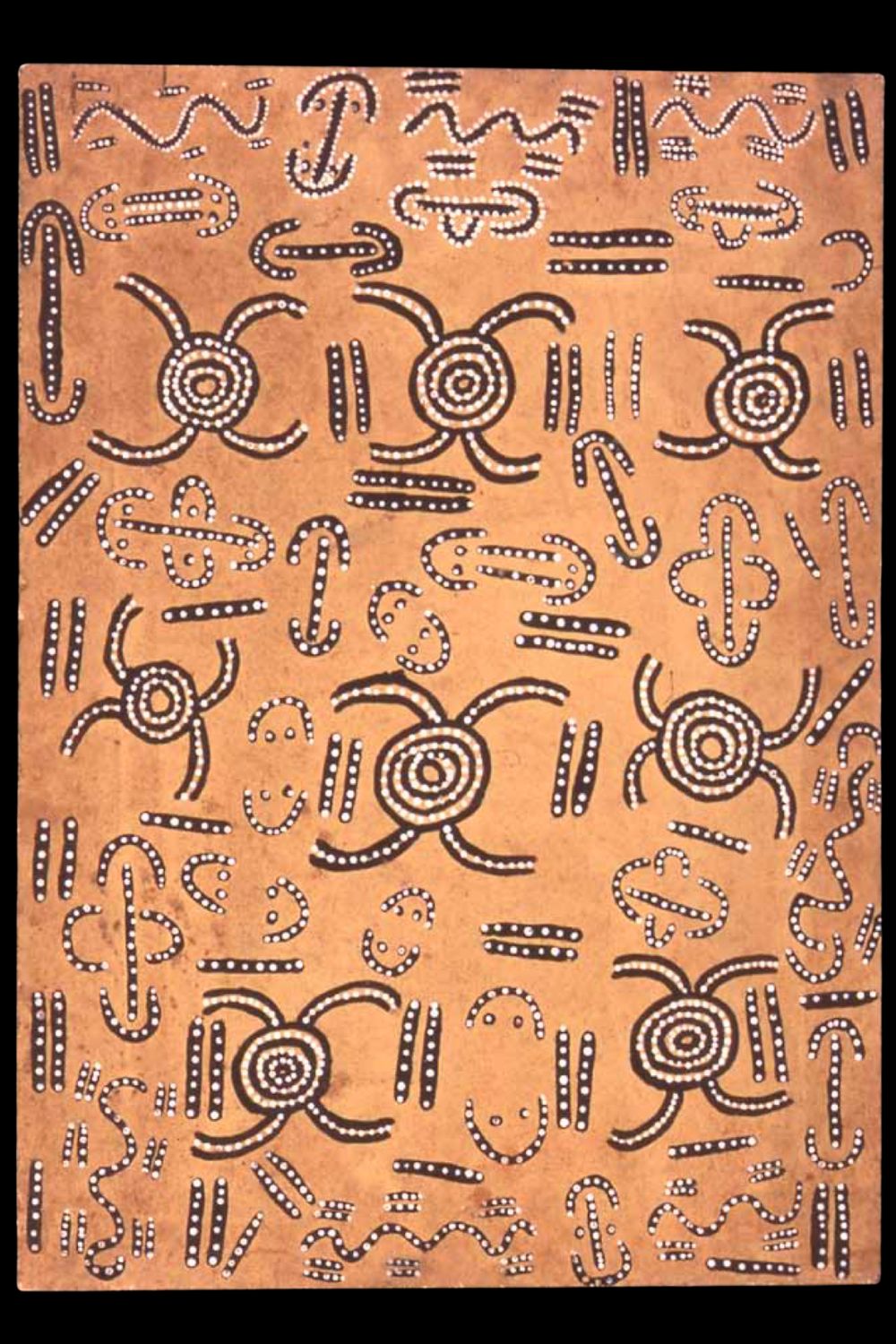
What is the Dreaming?
To understand Songlines, it is first necessary to understand the Dreaming.
The Dreaming refers to the creation period in Aboriginal culture when ancestral beings travelled across Australia establishing stories, ceremonies, laws, and relationships that continue to shape Aboriginal life today.
As these ancestors moved through the landscape they gave cultural meaning to places by connecting them to important events, stories, ceremonies, and responsibilities. Songlines preserve these journeys and the knowledge associated with them.
The Dreaming is also sometimes called the Dream time.
How is a Songline Different from a Dreamtime story?
A Dreaming story is usually associated with a particular place, event or body of cultural knowledge.
A Songline links shared dreamtime stories across language and cultural groups.
An easy way to understand the difference is to think of a Dreaming as a chapter and a Songline as the entire book. Individual sites may have their own stories and meanings, but the Songline connects them into a larger narrative that explains how ancestral beings travelled across Country.
Because Songlines often cross language boundaries, neighbouring groups may tell different versions of the same story while preserving the overall journey.
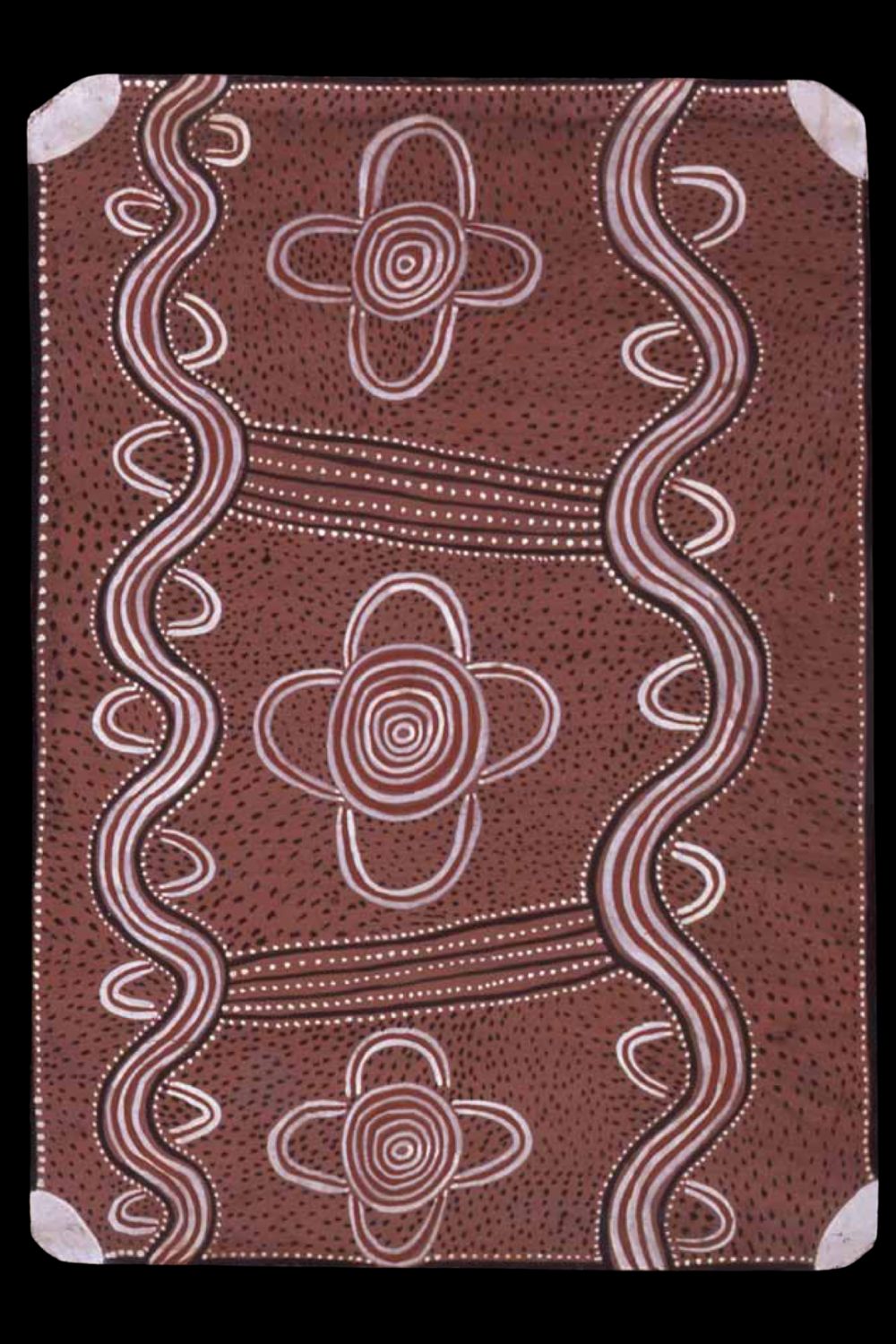
Why Are They Called Songlines?
Songlines are called Songlines because knowledge was preserved through song.
Aboriginal history was not preserved in writing. Instead, important knowledge was transmitted through stories told through song often during ceremonies. Song is one of the most effective memory systems ever developed because rhythm, melody, and repetition help preserve information across many generations. While the words of stories can easily change the lyrics of a song tend to stay the same.
Many of the songs associated with Songlines were learned during ceremony and initiation. Learning these songs was not simply a matter of memorising words. The songs carried knowledge about ancestors, places, law, ceremony, and cultural responsibilities. As individuals gained greater knowledge and responsibilities within their community, they learned additional layers of meaning associated with the Songline.
In this way, Songlines helped preserve history, culture, law, and relationships to Country long before written records existed.
Songlines as Mental Maps of Country
Songlines can be understood as mental maps of Country.
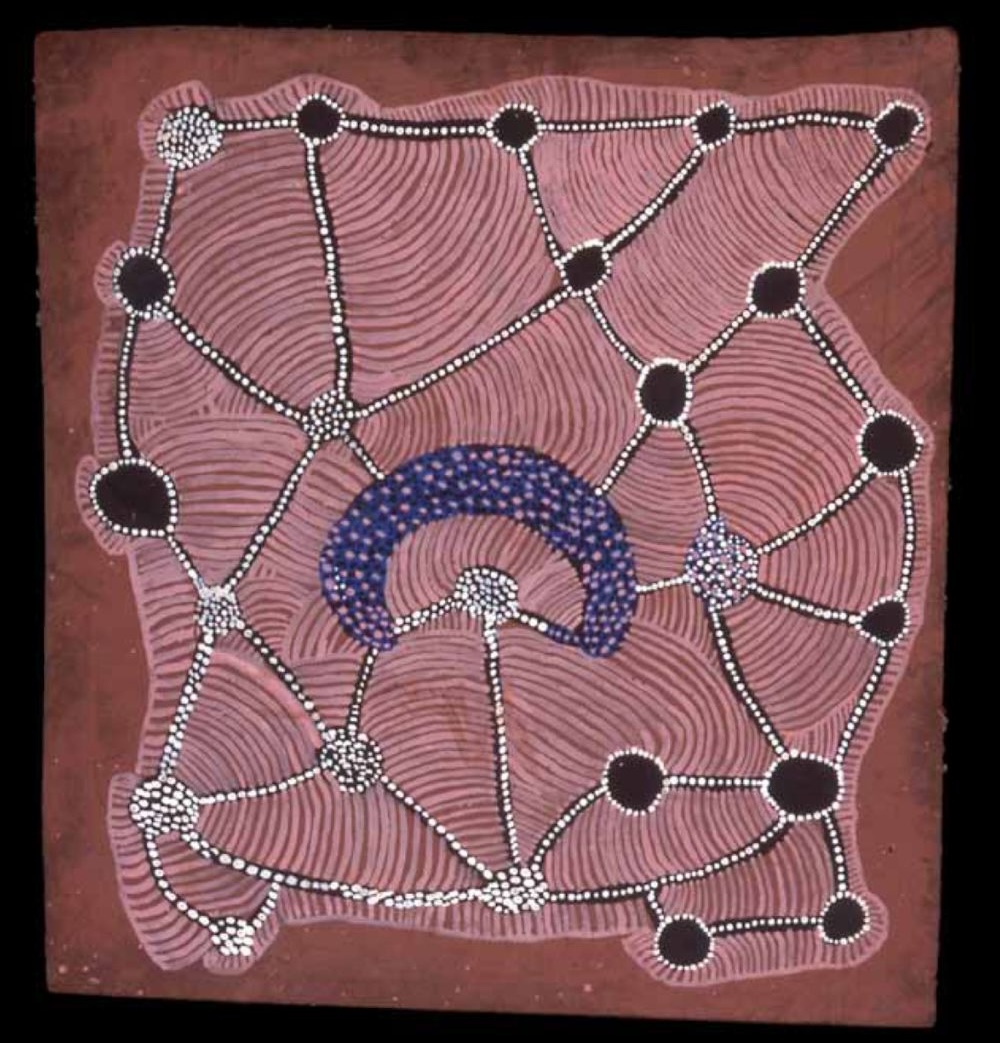
Rather than storing information in books or maps, Aboriginal people stored knowledge within stories, songs, ceremonies, and memory. A Songline links together a sequence of places, events, and teachings that can be recalled as part of a larger ancestral journey.
Each location acts as a memory marker. A waterhole may recall an ancestral encounter, a cave may preserve part of a story, and a hill may mark an important event in the journey.
Together these places create a network of connected knowledge that can be remembered and passed from one generation to the next.
Because Songlines often stretch across vast distances, they preserve enormous amounts of information about Country, sacred sites, law, ceremony, seasonal resources, kinship obligations, and relationships between neighbouring groups.
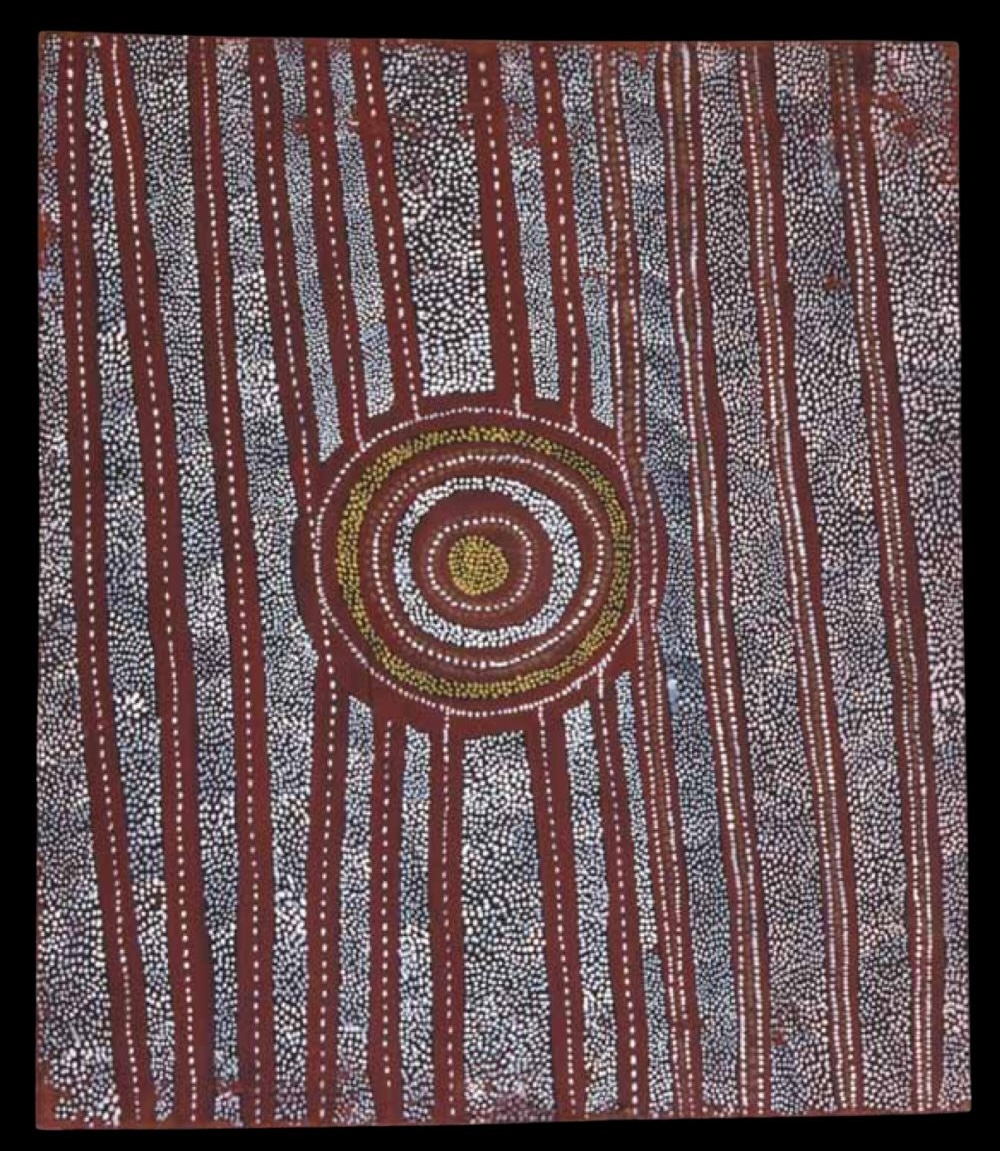
Songlines as Travel Routes and Shared History
Many Songlines also functioned as travel routes across Country, connecting neighbouring Aboriginal groups over hundreds or even thousands of kilometres. People travelling along a Songline shared an understanding of the ancestral journey that linked the places they visited. While each community remained the custodian of its own section of the Songline and its associated knowledge, the shared ancestral story provided a cultural connection between different language groups.
Songlines also served as practical guides across the landscape, identifying water sources, landmarks, sacred places and the boundaries between different Countries. Travelling a Songline required knowledge of the stories, songs and cultural responsibilities associated with each part of the journey, helping people move respectfully through the lands of neighbouring communities.
Many Songlines continue across the lands of multiple Aboriginal groups and are shared through numerous languages. As a Songline passes from one region to another, the language, details, and ceremonial traditions may vary, but the core ancestral story remains recognisable. This enables neighbouring communities to preserve a shared history while each maintains responsibility for its own section of the Songline.
For these reasons, Songlines are often described as the cultural highways of Aboriginal Australia, linking people, places, histories, and cultures across the continent.
Why Songlines Matter
Songlines connect people to Country.
They explain how ancestors travelled through the landscape, why places are important, where ceremonies should occur, and how cultural knowledge should be passed between generations. They preserve history, law, ceremony, identity, and relationships to Country while connecting neighbouring groups through shared traditions.
For Aboriginal people, Songlines are not simply stories about the past. They are living systems of knowledge that continue to connect people, places, ancestry, culture, and Country throughout Australia.
All images in this article are for educational purposes only.
This site may contain copyrighted material the use of which was not specified by the copyright owner.