When Were Papunya Boards Painted?
Papunya Boards were painted primarily between 1971 and 1972, although a number continued to be produced into 1973 as artists gradually transitioned from composition board to canvas. Because the movement developed rapidly, these first few years are widely regarded as the formative period of Papunya Art and the beginning of the contemporary Western Desert Art movement.
The first Papunya Boards emerged in 1971 after senior Aboriginal artists at the remote settlement of Papunya in the Northern Territory began using acrylic paints on small composition boards and other readily available building materials. These paintings evolved from much older ceremonial traditions but were among the first to transfer traditional Western Desert imagery onto portable surfaces.
During 1971 and 1972, artists experimented with different ways of depicting ancestral stories, ceremonial designs and connections to Country. There was no single “Papunya style”. Some paintings featured strong linear compositions, while others developed the flowing dotting techniques that later became closely associated with Western Desert Art.
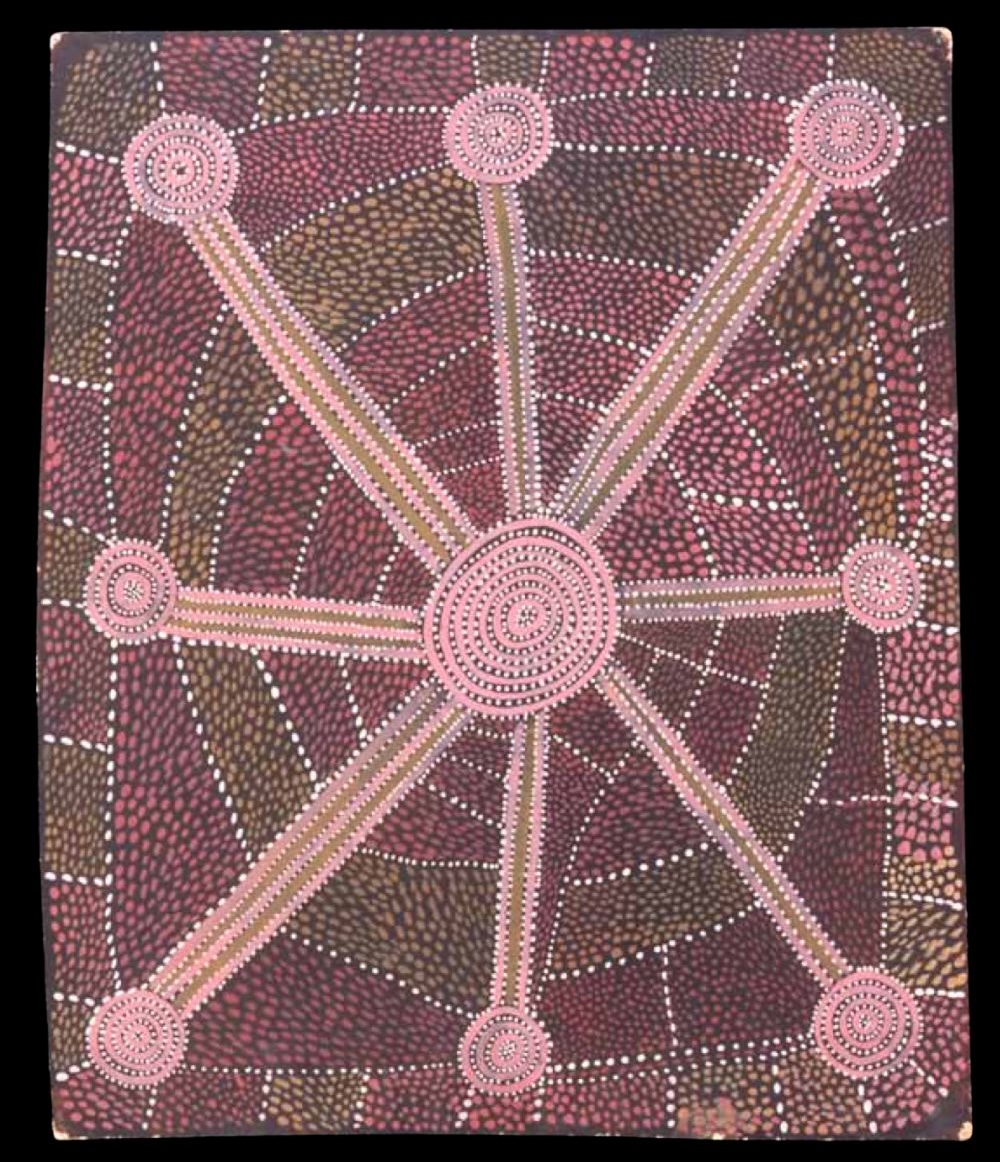
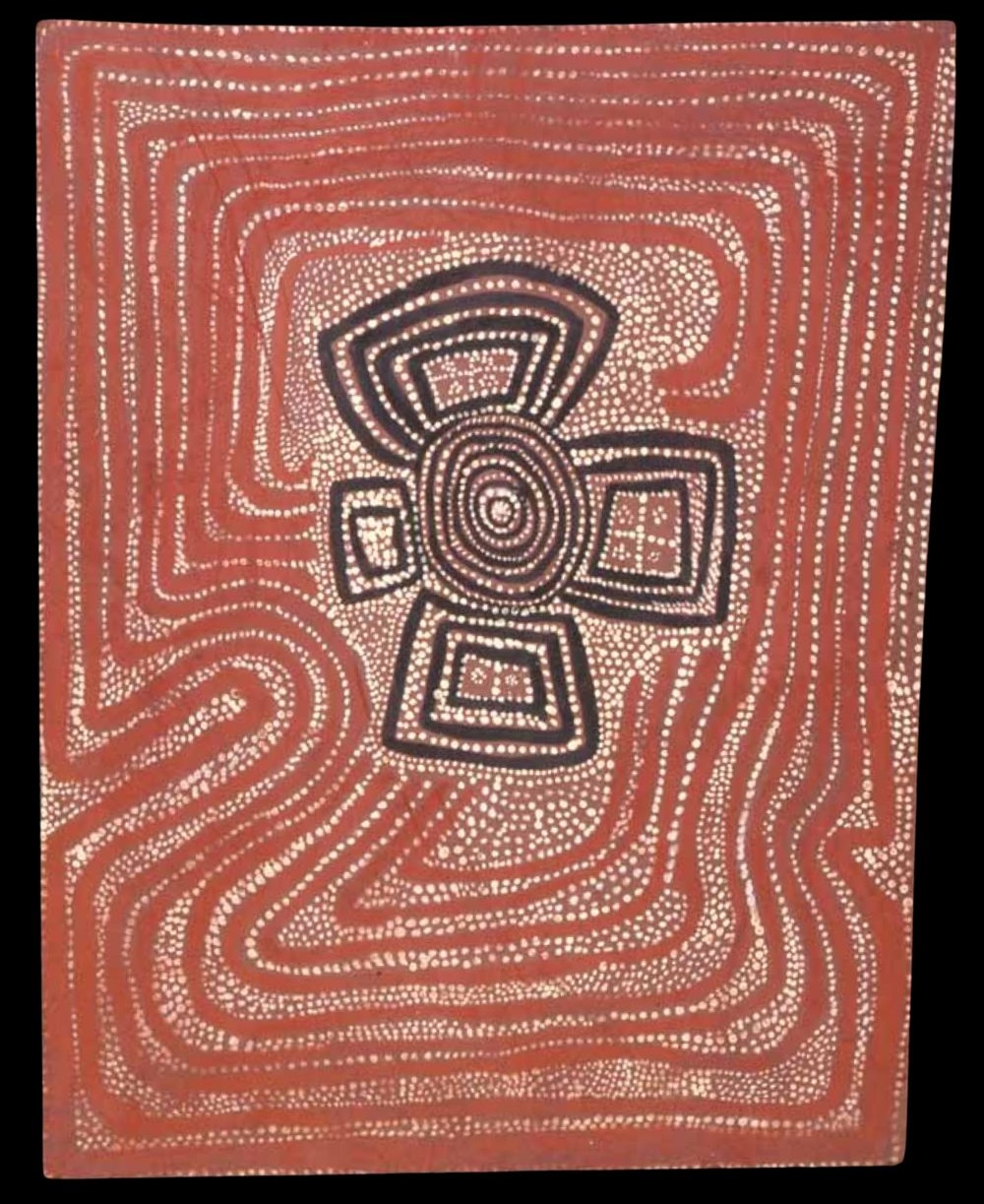
By 1972, the success of these early paintings led to the formation of Papunya Tula Artists Pty Ltd, providing artists with greater control over the production and sale of their work. As demand for larger paintings increased, canvas gradually replaced composition board as the preferred painting surface.
By the mid-1970s, Papunya Boards had largely disappeared, replaced by canvas paintings that were easier to transport, exhibited more effectively and provided artists with larger surfaces on which to paint. Although the movement continued to flourish, the brief period during which paintings were produced on composition board had come to an end.
For this reason, the term Papunya Board generally refers to paintings created during the movement’s earliest years, principally 1971 and 1972, with some examples extending into 1973. These works document the birth of contemporary Western Desert painting and remain among the most historically significant Aboriginal artworks ever produced.
Continue reading:
- What are Papunya Boards
- Why were Papunya Boards painted on board?
- Why are Papunya Boards historically important?
- How much are Papunya Boards worth
- How do you identify a Papunya Board
- Who painted the first Papunya Boards?
- What do Papunya Boards Depict?
- Where are most of the Important Papunya Boards today
All images in this article are for educational purposes only.
This site may contain copyrighted material the use of which was not specified by the copyright owner.