
Walu Dreamtime Story — The Sun Woman
Walu, the Sun Woman, is a central figure in the Dreaming of Arnhem Land, and this Walu Dreamtime story explains the origin of light, seasonal order, and the law that governs life. Known as Walu Walu in central Australia and one of the oldest living beliefs system.
Walu Dreamtime Story
In the first time, when the world had no shape and the land lay in darkness, Walu, the Sun Woman, slept beneath the earth. No wind stirred, no birds called, and no light touched the surface. Everything waited.
At last Walu awoke.
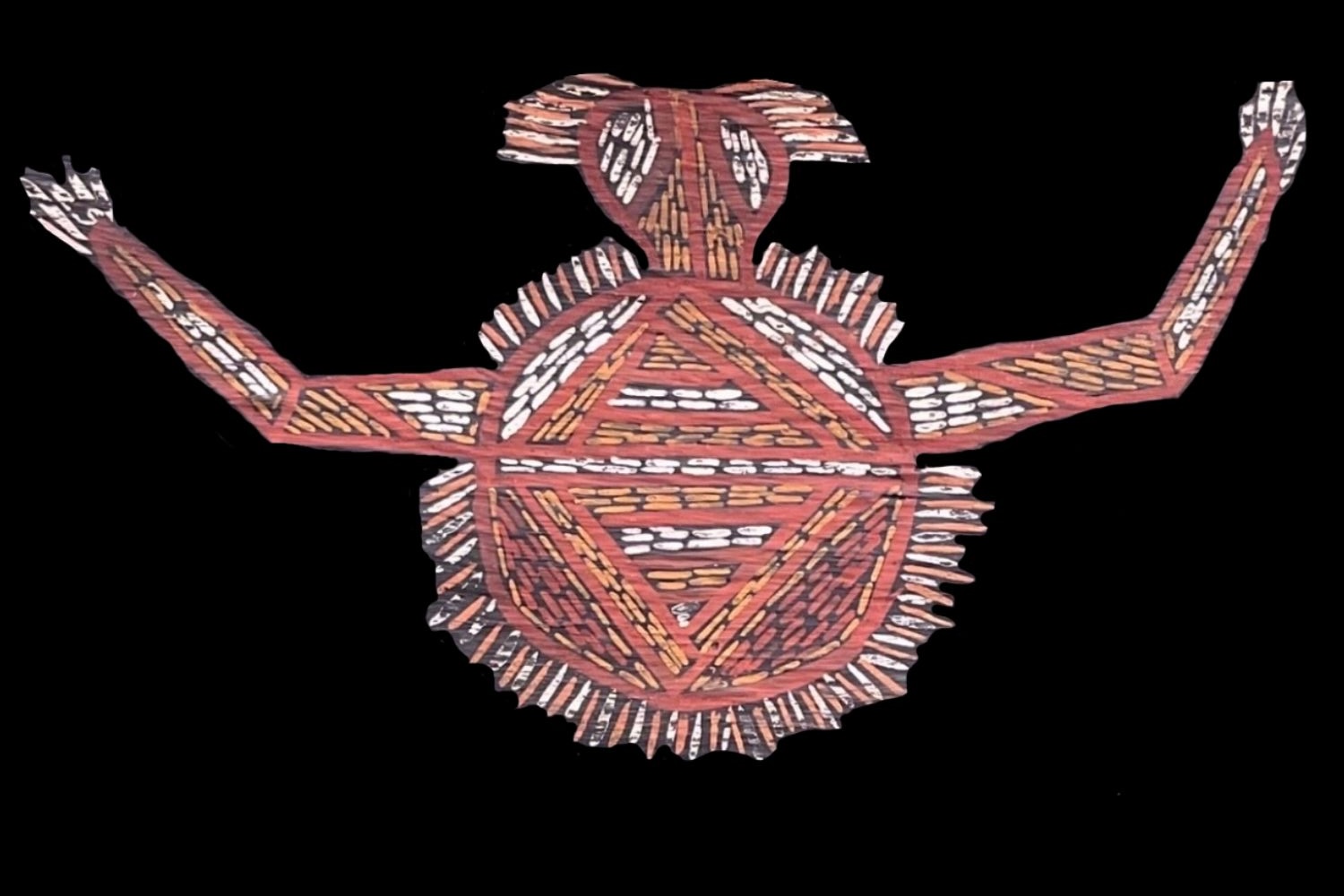
She rose from beneath the ground and lifted her arms, and as she did, light spread across the world for the first time. Dawn broke and the sky opened. She climbed upward and began her journey across the heavens, and wherever she moved, warmth followed. The earth answered her presence. Grasses pushed through the soil, trees took root, and colour returned to the land. Water began to move—tides shifting along the coast, lagoons filling, and rivers finding their paths.
Each morning she rose again from the eastern horizon, painting her body with red ochre before beginning her journey across the sky. She carried fire with her, its glow spreading light and heat across the land below. At night she returned to the earth in human form and lay down to rest.
But Walu did more than bring light.
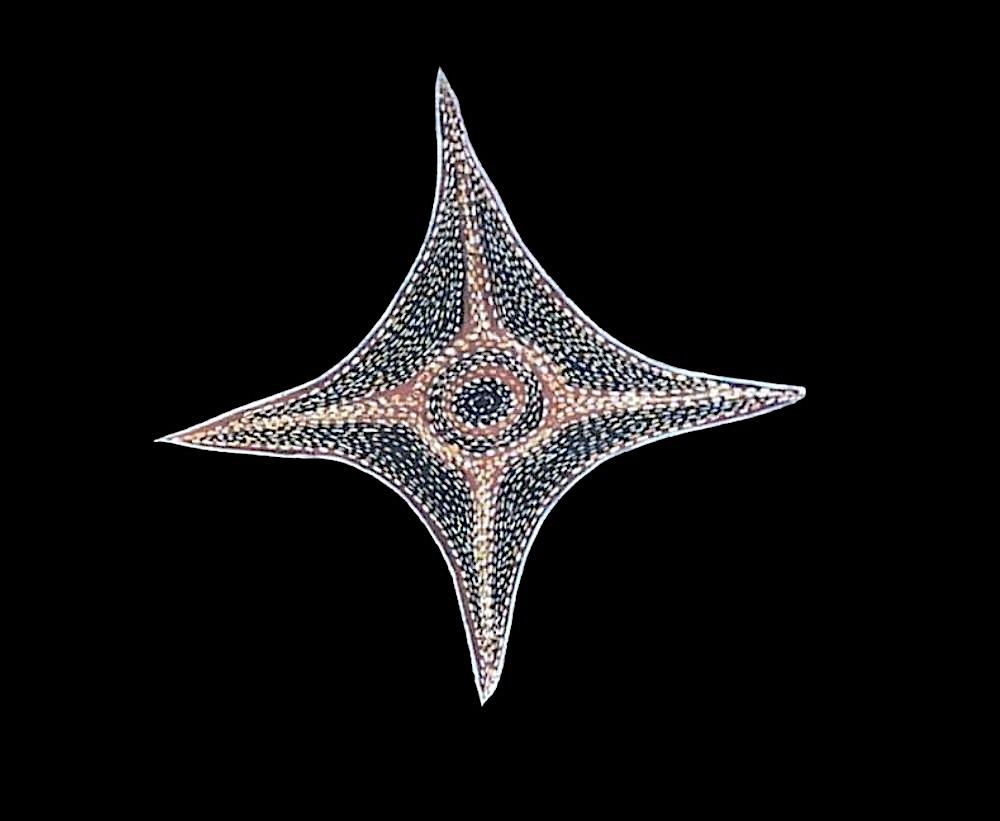
From her place in the sky, she watched the world below. She saw the great ancestral beings move across the country, shaping the land—serpents carving rivers, spirits raising escarpments, and life filling the sea and bush. She saw Barnumbirr, the Morning Star, rise before her each day, guiding the passage between the spirit world and the living.
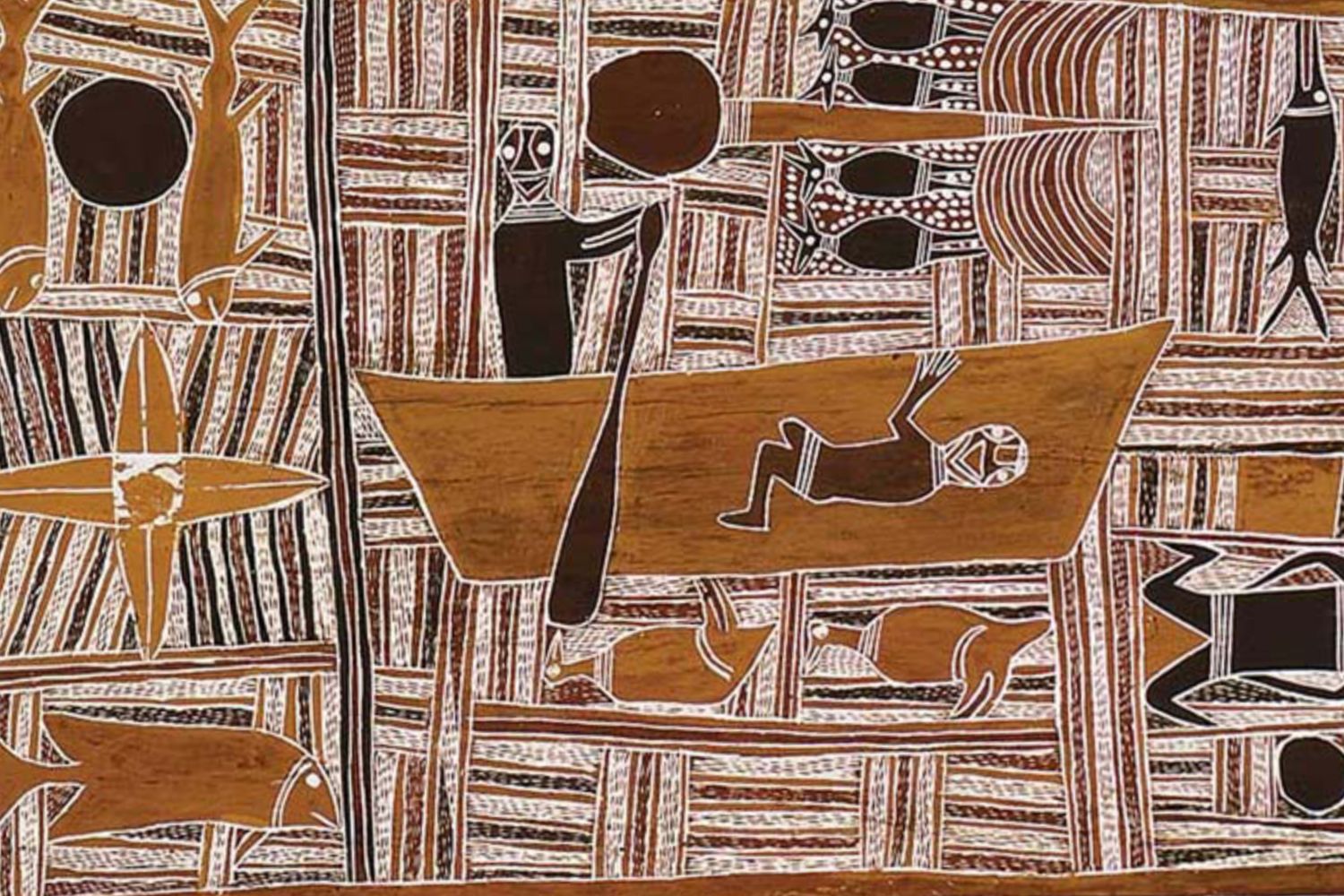
One day, from across the sea, came a brother and two sisters—the Djang’kawu ancestors—travelling from the spirit island. Walu took the brother as her husband, and each night she lay beside him before rising again at dawn to cross the sky.
In time, one of the sisters became pregnant, and it was clear that the father could only be Walu’s husband. This broke the Law.
Walu saw what had happened. From the sky she had watched, and now she judged. Such a transgression could not remain within the order of the world. She banished the three of them, sending them away to travel again across the sea, beyond the known world. They were cast out to walk the earth and begin again, their journey shaping the land as they went. In this way, this Walu Dreamtime story reveals Walu not only as the bringer of light, but the enforcer of law.
Each day Walu still rises, and each day she falls. The cycle of light and darkness follows her path, and with it comes the order of life—when to hunt, when to rest, when to gather, and when to perform ceremony. The heat she carries governs the seasons, the growth of plants, and the movement of animals. Without her, the land would return to stillness and dark.
Yet Walu is more than just the sun in the sky.
She is the witness to all things, seeing what is done openly and what is done in secret. Her warmth gives life, but it can also destroy when balance is broken. She holds both creation and judgement within her. Before she rose, there was only darkness. With her, the world came into being—and remains under her watch.
Walu Dreamtime Story — Teacher Notes
How old is the Walu Dreamtime story?
- Walu comes from Aboriginal stories that are part of the Dreaming, one of the oldest continuous cultures on Earth
- Aboriginal people have lived in Australia for 60,000+ years
- Red ochre (used in ceremony and art, often linked to the sun and fire) has been used for at least 30,000 years
This places the Walu Dreamtime story within a very ancient body of knowledge about the world.
A “Stonehenge” in Australia
- Wurdi Youang is a significant Aboriginal stone arrangement
- It works by:
- Standing in one place
- Looking at where the sun sets
- Using stones to mark different times of the year
It acts as a seasonal calendar, helping people know:
- When seasons change
- When food is available
- When to travel or hold ceremonies
- It is thousands of years old, and may be as old as (or older than) Stonehenge
Why the sun is important
The sun influences:
- Plant growth
- Fish and animal movement
- Weather and seasons
Knowing the position of the sun helps people:
- Find food
- Hunt and gather
- Fish and collect eggs
- Understand seasonal change
Within the Walu Dreamtime story, the sun is not only physical—it is part of the Law that guides how to live.
Sun stories around the world
Many cultures have sun beings:
- Ra (Egypt)
- Shamash (Mesopotamia)
- Helios (Greece)
- Surya (India)
- Amaterasu (Japan)
- Tonatiuh (Mesoamerica)
In all these traditions, the sun is understood as:
- A giver of life
- A source of order (day/night, seasons)
- A presence that sees and reveals truth
Key idea for students
Walu is not just the sun.
She is:
- A creator
- A watcher
- A keeper of law
- A guide for how to live
Simple takeaway
The Walu Dreamtime story explains how the sun brings light, order, and life—and how understanding the sun helps people live in balance with the world.
Recommended Reading
All images featured in this article are presented strictly for educational and informational purposes.
This website may include copyrighted material for which specific authorization has not been obtained from the copyright owner.
All such images are presumed to be the intellectual property of the respective artist or their estate, and are used in accordance with principles of fair dealing or fair use under applicable copyright law.