SELL ABORIGINAL PAINTING
Want to Sell an Aboriginal Painting?
Selling an Aboriginal painting to me is a straightforward process. If you know the artist, you can use the search function on this website to learn more about the artist and see examples of previous auction results.
To get started, simply email me a few photographs of the painting. Please include the dimensions, anything you know about its history or provenance, and photographs of any labels, inscriptions or Certificates of Authenticity.
The photographs do not need to be professional. I have been assessing Aboriginal art for many years and regularly work from ordinary phone photographs. Usually, the easiest approach is simply to photograph the front and back of the artwork somewhere with good natural light.
The value of an Aboriginal painting depends on several factors, particularly the artist, age, size, condition, provenance and the quality and visual appeal of the work.
I don’t buy paintings by every Aboriginal artist. My particular interest is in early and pioneering Aboriginal artists, as well as significant works by established artists.
For artworks valued under about $5,000, I will usually make an offer to buy the work outright. More valuable paintings may either be purchased directly or, where appropriate, sold on commission. I have a strong network of established collectors for important and higher-value Aboriginal art.
If we agree on a price for a direct purchase, payment is made by bank transfer. I can also organise the packing and freight, so you don’t need to worry about arranging transport yourself.
If you have an Aboriginal painting you would like to sell, send me some photographs, the dimensions and whatever information you have about it. I will have a look and let you know whether it is something I may be interested in buying.
Auctions
Many Aboriginal paintings are sold through auction houses, and auction can sometimes produce excellent results. However, it also carries risks that sellers should understand. I buy a number of Aboriginal artworks at auction each year, including works that I believe sell for considerably less than their potential value.
For an auction to produce a strong result, there generally needs to be genuine competition between bidders who recognise the importance of the work and are prepared to pay for it. If the right collectors are not bidding on the day, even a good painting can sell cheaply or fail to sell altogether.
An unsold painting also becomes part of the auction record. Collectors and dealers may subsequently be able to see that the work was offered at a particular estimate or reserve and failed to sell. This can make the painting more difficult to market immediately afterwards.
Auction estimates should also be treated with some caution. An estimate is not a guarantee of value or of what a painting will actually achieve. Occasionally estimates can be optimistic, particularly when an auction house is competing to secure a consignment. Before consigning, sellers should look not only at the estimate but also at the proposed reserve, commission, other charges and the auction house’s record of selling comparable Aboriginal art.
Private Treaty Sales
For better Aboriginal paintings, a private treaty sale can sometimes be a more controlled alternative. Rather than exposing the work to an entire auction market, an experienced dealer can approach a small number of collectors who are already known to collect that particular artist or type of Aboriginal art.
This can be particularly useful for important or higher-value paintings where identifying the right buyer matters more than attracting the largest possible audience.
There is also considerably more privacy. If the painting does not sell privately, there is generally no public auction record showing that it was offered and passed in. The work can subsequently be offered at auction if that becomes the preferred option.
For particularly important works, a public collecting institution may occasionally be a potential purchaser. Acquisitions by state and national galleries, however, involve curatorial and institutional processes and can take considerably longer than either a private sale or an auction.
The best method therefore depends on the painting. Some works are well suited to competitive auction, while others are better offered privately to collectors already known to be interested in the artist.
Selling Aboriginal Painting: Provenance, Story, and the Sacred Mark of Country
Few art forms in the global canon hold the spiritual and cultural weight carried by Aboriginal painting. As collectors, curators, and institutions around the world increasingly recognize its profound depth, the decision to sell Aboriginal painting must be approached with reverence, knowledge, and precision. To do so without a thorough understanding of context is to miss the heartbeat of the work itself.
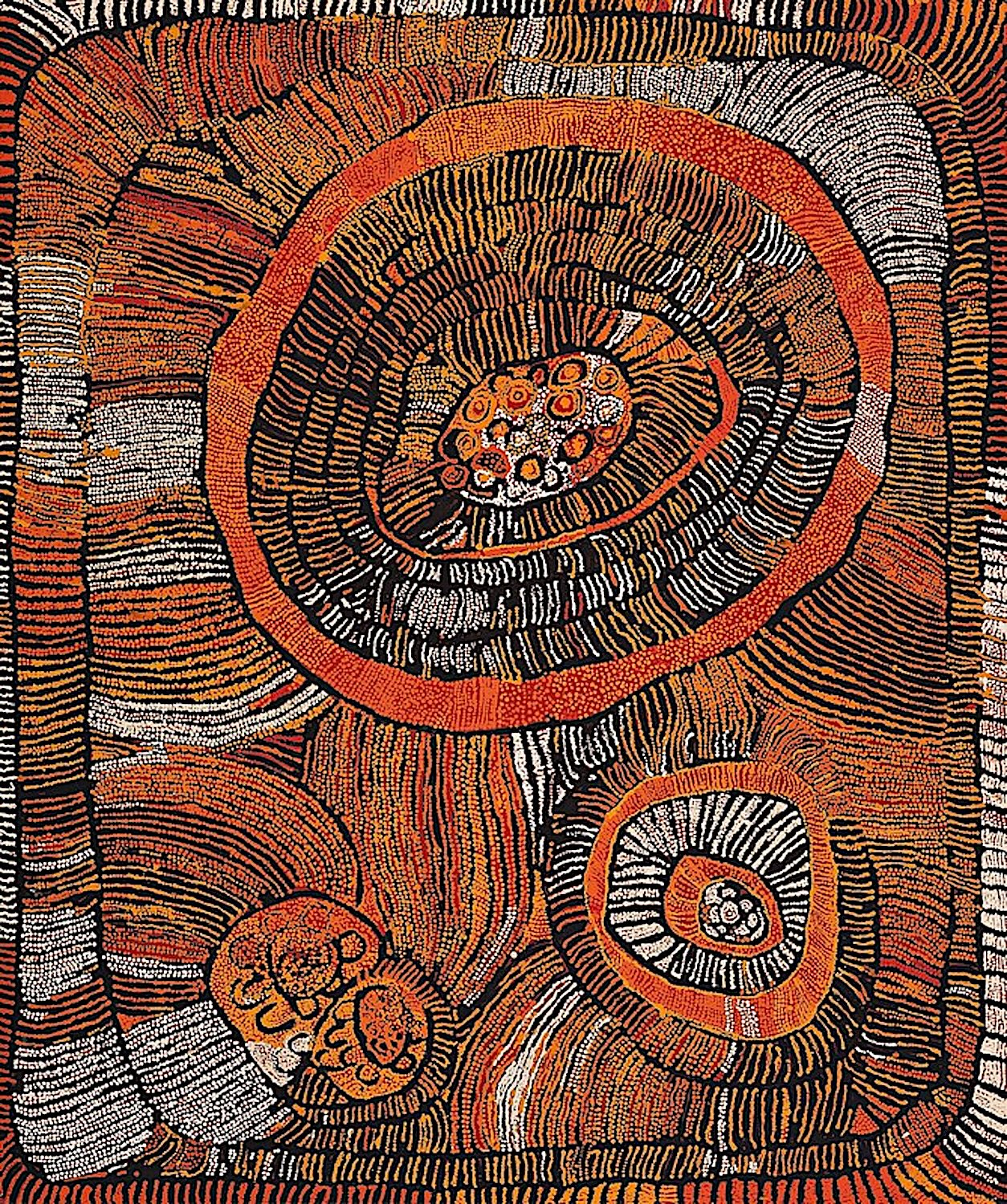
Aboriginal painting is not simply visual art—it is storytelling, mapping, ceremony, and identity all at once. Each dot, line, and pigment is a cipher for ancestral knowledge passed down through generations, often stretching back tens of thousands of years. The act of painting, for many Aboriginal artists, is a continuation of the Tjukurpa—the Dreaming—a cosmology that anchors Aboriginal life, law, and land. To engage in the transaction of such works requires more than market understanding; it requires cultural fluency and ethical care.
We recognize that to sell Aboriginal painting is to act as a steward for both cultural heritage and artistic legacy. Our specialists collaborate directly with Aboriginal art centres, community leaders, and provenance experts to ensure that every work brought to market is authenticated, respectfully sourced, and accompanied by appropriate documentation. Provenance is paramount—not simply for its value in the auction room, but for its affirmation of cultural legitimacy.
The market for Aboriginal painting has grown exponentially in recent decades. Master artists such as Emily Kame Kngwarreye, Clifford Possum Tjapaltjarri, and Rover Thomas have moved from regional acclaim to international stardom. Their works now command significant attention in the global art market, with high-profile auctions often exceeding pre-sale estimates. This trend reflects a growing appreciation not only of the aesthetic power of Aboriginal painting but of its conceptual brilliance and historical gravitas.
For collectors seeking to sell Aboriginal painting, timing and platform are critical. Sotheby’s offers both private sales and public auctions tailored to the specific needs of the consignor. Our Aboriginal Art Department provides bespoke valuations, market insights, and curatorial framing designed to position each work within its rightful artistic and cultural lineage. Whether you are offering a large-scale Papunya Tula canvas or an early ochre board from the Kimberley, we ensure your work reaches the most discerning and informed global audience.
It is also important to consider ethical resale practices. Aboriginal art is uniquely situated within the intersection of fine art, anthropology, and cultural property. As such, Sotheby’s adheres to stringent codes of conduct, including the resale royalty scheme where applicable, which ensures that artists or their communities receive ongoing recognition and benefit from secondary market transactions.
In recent years, new scholarship and museum exhibitions have further elevated the visibility and appreciation of Aboriginal painting. Institutions such as the National Gallery of Australia, Musée du quai Branly in Paris, and The Metropolitan Museum of Art in New York now include significant holdings of Indigenous Australian art. This institutional validation continues to bolster market confidence and collector interest.
To sell Aboriginal painting through Sotheby’s is to participate in a carefully calibrated process that honours both artistic excellence and cultural integrity. Each work, whether contemporary or historical, is treated not only as a collectible, but as a living testament to one of the oldest continuous cultures on Earth.
If you are considering offering an Aboriginal painting for sale, we invite you to consult with our specialists for a confidential discussion. Let us help you navigate this important transaction with expertise, respect, and a deep appreciation for the enduring legacy of Aboriginal art.
I also deal in Tribal art from New Guinea