What are Papunya Boards?
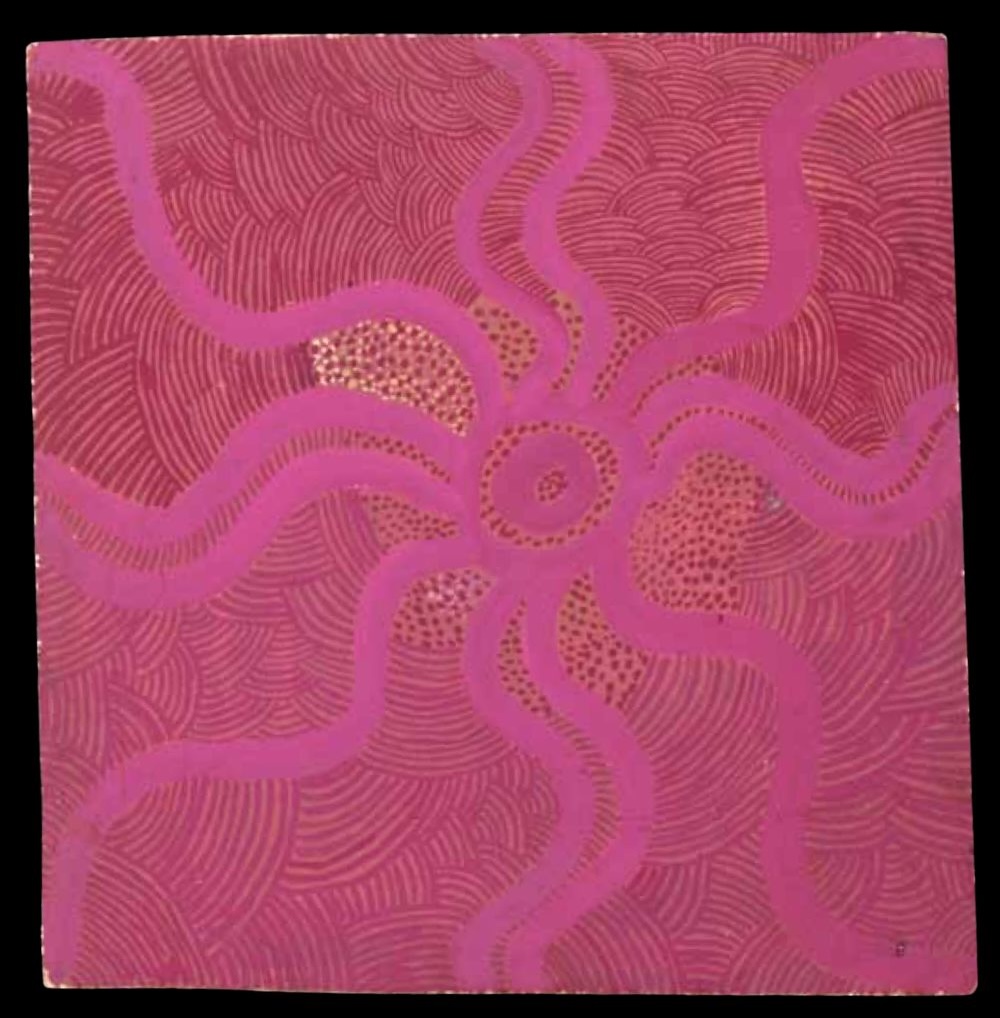
A Papunya Board is an early Aboriginal painting created at the remote Northern Territory settlement of Papunya, primarily during 1971 and 1973. Unlike the canvas paintings that soon followed, these pioneering works were painted on composition board, hardboard, Masonite and other readily available building materials. They are recognised as the earliest portable paintings of the contemporary Western Desert Art movement.
The name Papunya Board combines the place where the paintings were created with the material on which they were painted. While later Western Desert paintings were generally produced on canvas, the first generation of artists worked on flat building materials because they were inexpensive and readily available. It is these boards that give the artworks their distinctive name.
A Papunya Board is defined by more than simply being an Aboriginal painting on hardboard. It is identified by a unique combination of place, period, and material. Genuine examples were created at Papunya during the formative years of the movement, when senior Aboriginal artists first transferred traditional ceremonial imagery onto portable surfaces using acrylic paint. Together, these characteristics distinguish Papunya Boards and early Papunya Art from later Western Desert paintings.
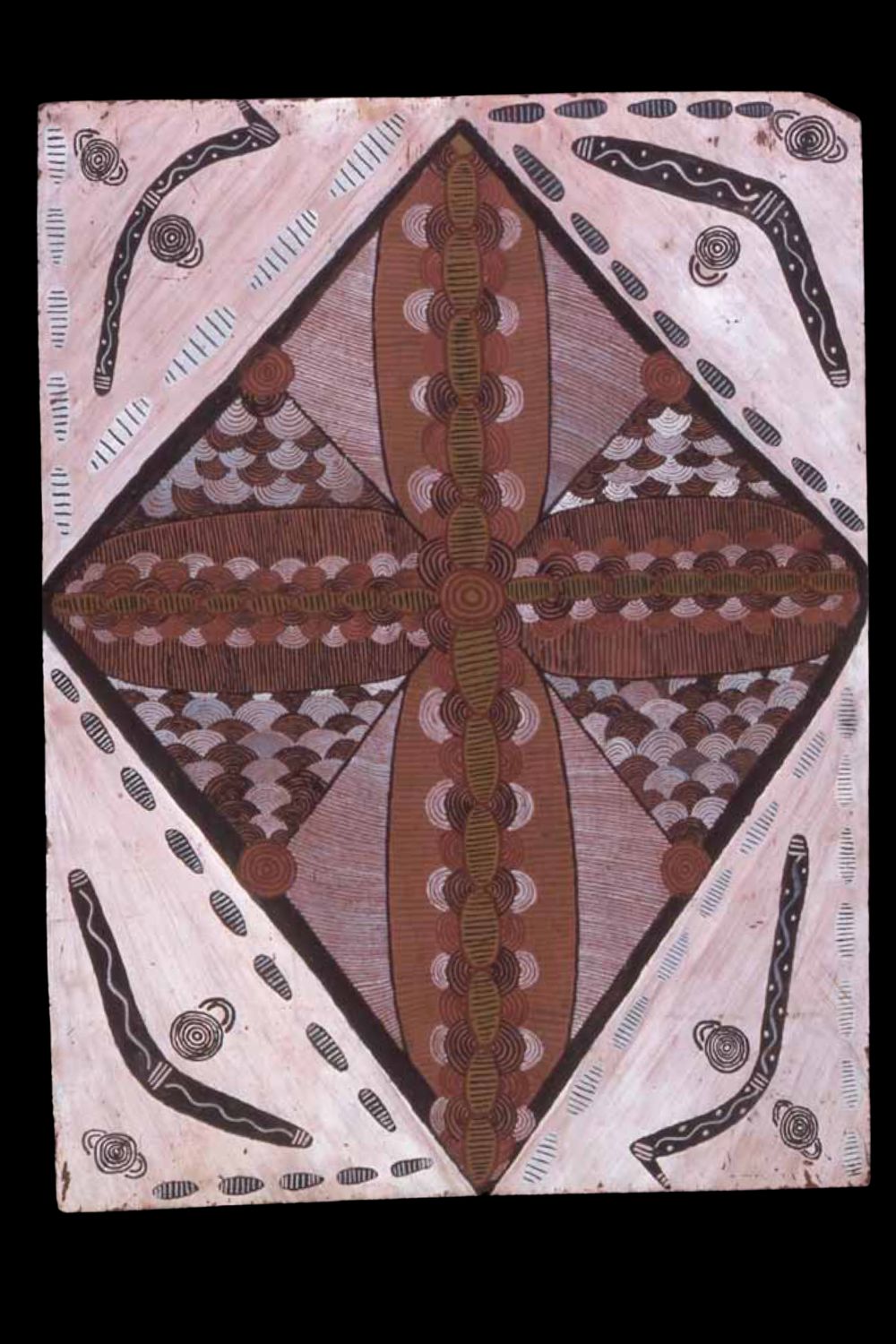
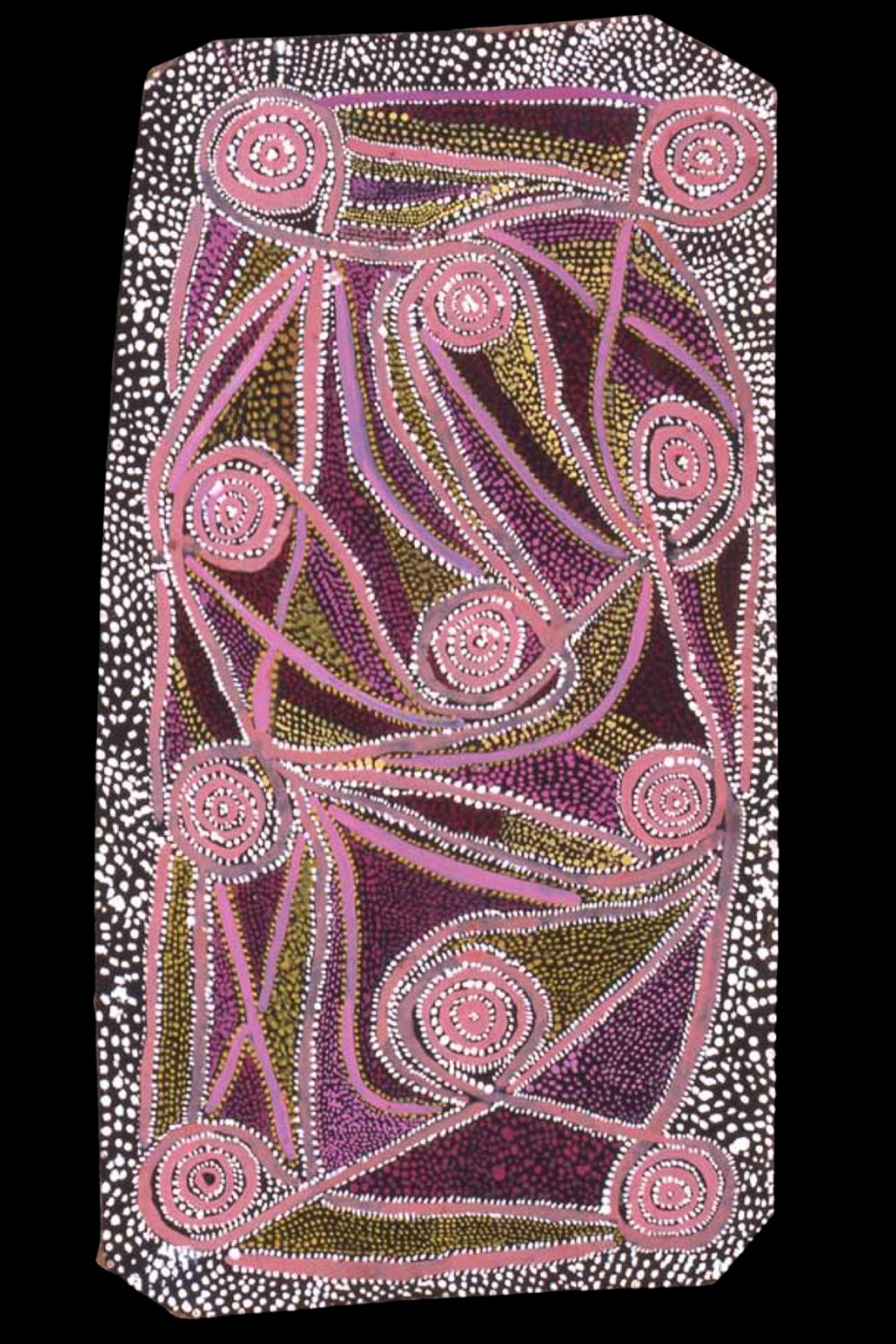
Although the materials were simple, the paintings were culturally sophisticated. The artists did not invent a new artistic language. Instead, they adapted visual traditions that had long been expressed through body painting, ceremonial ground designs and carved sacred objects into a permanent form. These paintings maintained their deep connection to Country, ancestral beings and ceremony while creating an entirely new medium through which Aboriginal culture could be shared with the wider world.
Papunya Boards are therefore recognised as the earliest surviving works of contemporary Western Desert painting. They represent a unique moment in Australian art history when ancient ceremonial traditions were first expressed on portable supports. As the movement expanded across Central Australia, artists increasingly adopted canvas, and the board paintings gave way to the larger works that would become internationally famous.
Today, museums, galleries, collectors and art historians use the term Papunya Board to describe these pioneering paintings. They are distinguished from later Western Desert artworks not because they tell different stories or use different symbols, but because they belong to the brief founding period of the movement and were created on the simple boards that gave them their name.
Major Characteristics
In essence, a Papunya Board is defined by four characteristics:
- It was painted at Papunya.
- It was created during the formative years of the movement, principally 1971 and 1972.
- It was painted on composition board, hardboard or similar building material rather than canvas.
- It represents the earliest generation of portable contemporary Western Desert paintings.
Together, these characteristics explain what a Papunya Board is and why these modest-looking paintings occupy such an important place in Australian art history.
Continue reading:
- When were Papunya Boards painted?
- Why were Papunya Boards painted on board?
- Why are Papunya Boards historically important?
- How much are Papunya Boards worth
- How do you identify a Papunya Board
- Who painted the first Papunya Boards?
- What do Papunya Boards Depict?
- Where are most of the Important Papunya Boards today?
All images in this article are for educational purposes only.
This site may contain copyrighted material the use of which was not specified by the copyright owner.