Charlie Egalie Tjapaltjarri
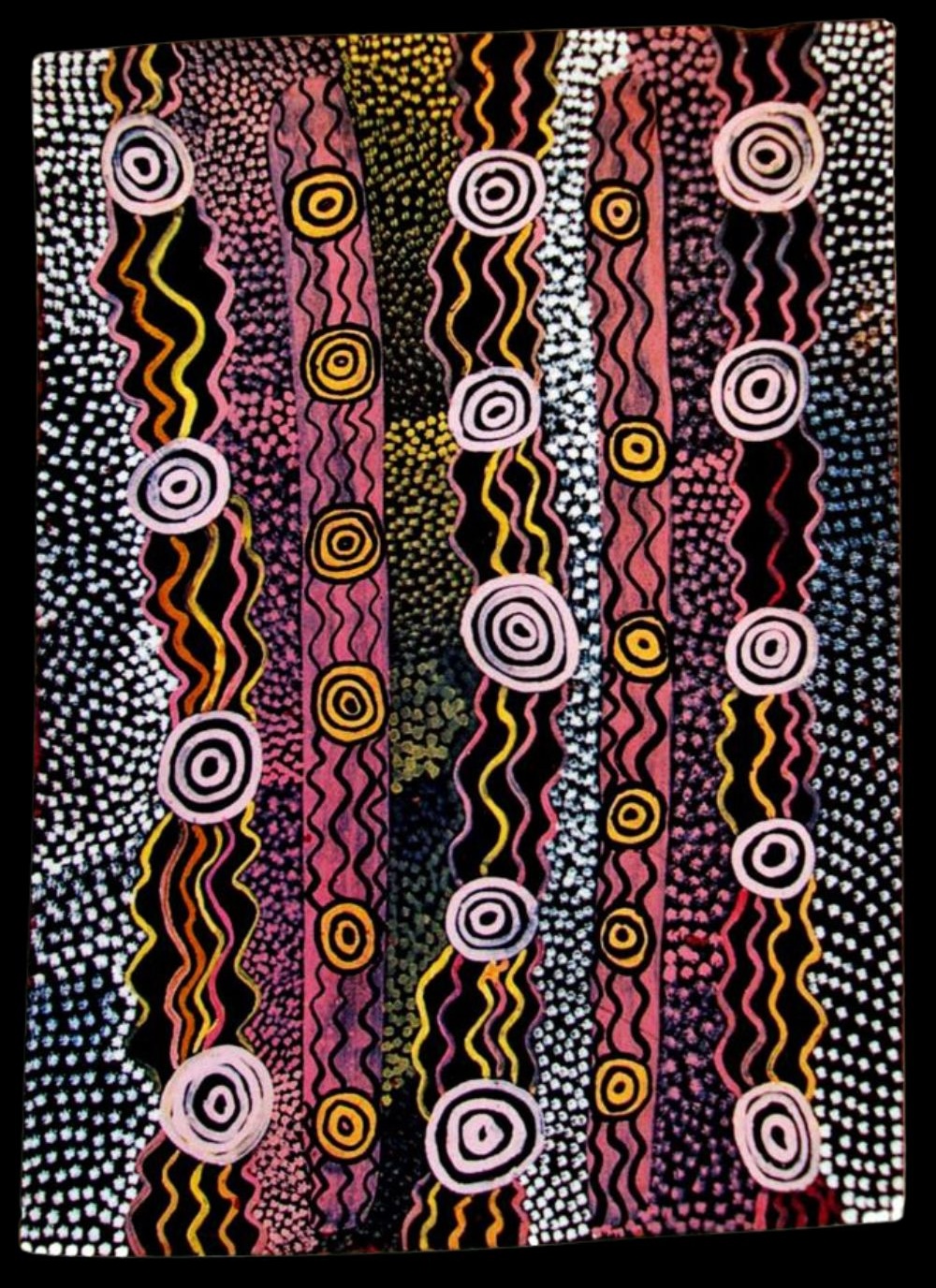
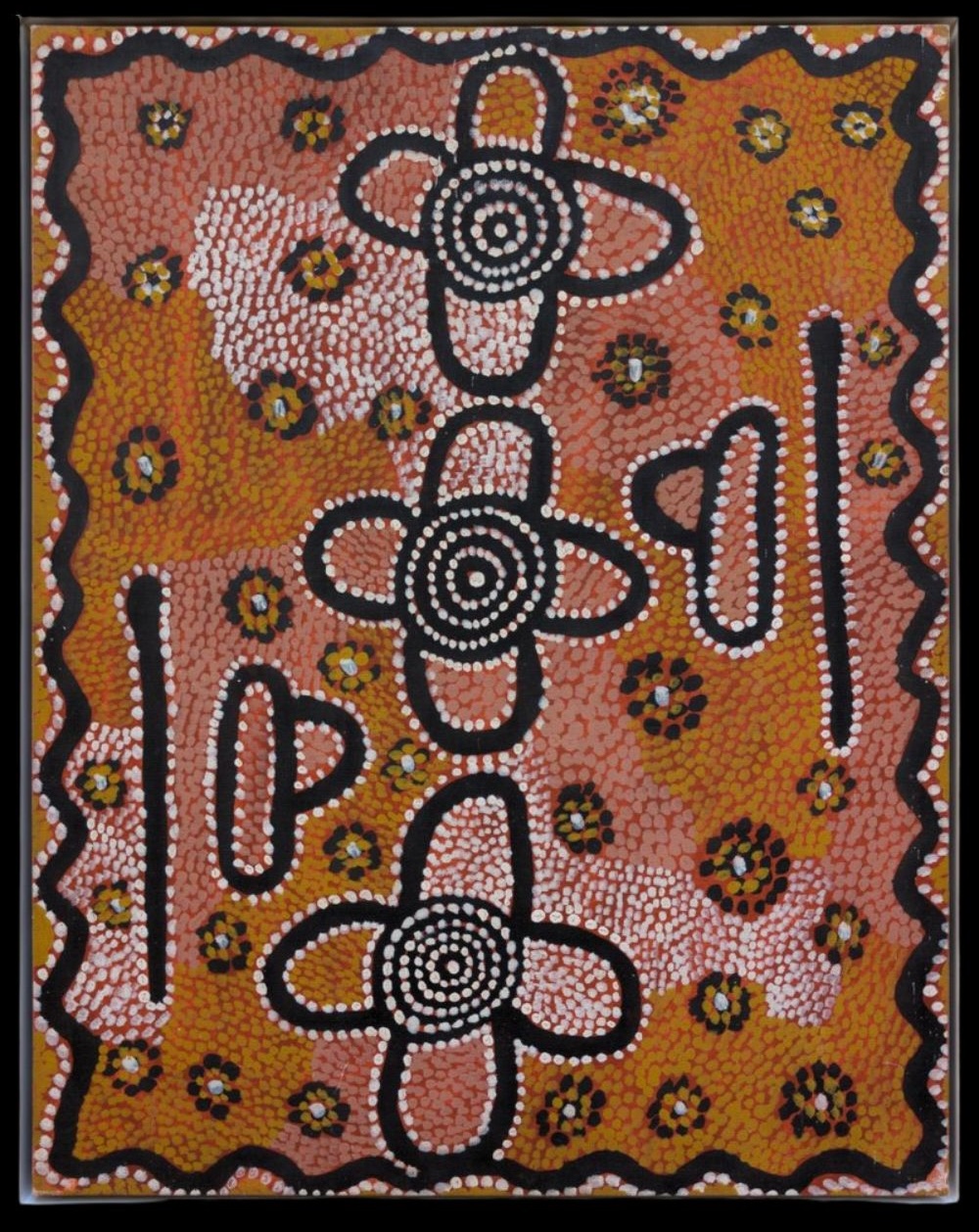
Charlie Egalie Tjapaltjarri is a senior Warlpiri/Luritja artist whose paintings helped establish the early years of Papunya Art and the broader Western Desert Art movement. Beginning his painting career around 1972 under the guidance of artists including Johnny Warangkula Tjupurrula, Kaapa Mbitjana Tjampitjinpa and Billy Stockman Tjapaltjarri, Charlie developed a distinctive style based on the Dreaming stories and sacred sites of his traditional Country. Unlike some of his contemporaries, however, Charlie was never a prolific painter. Like artists such as Kingsley Tjungurrayi, Nosepeg Tjupurrula and Old Tutuma Tjapangati, painting formed only one part of his life, and his surviving body of work is comparatively small, making authenticated examples relatively uncommon today.
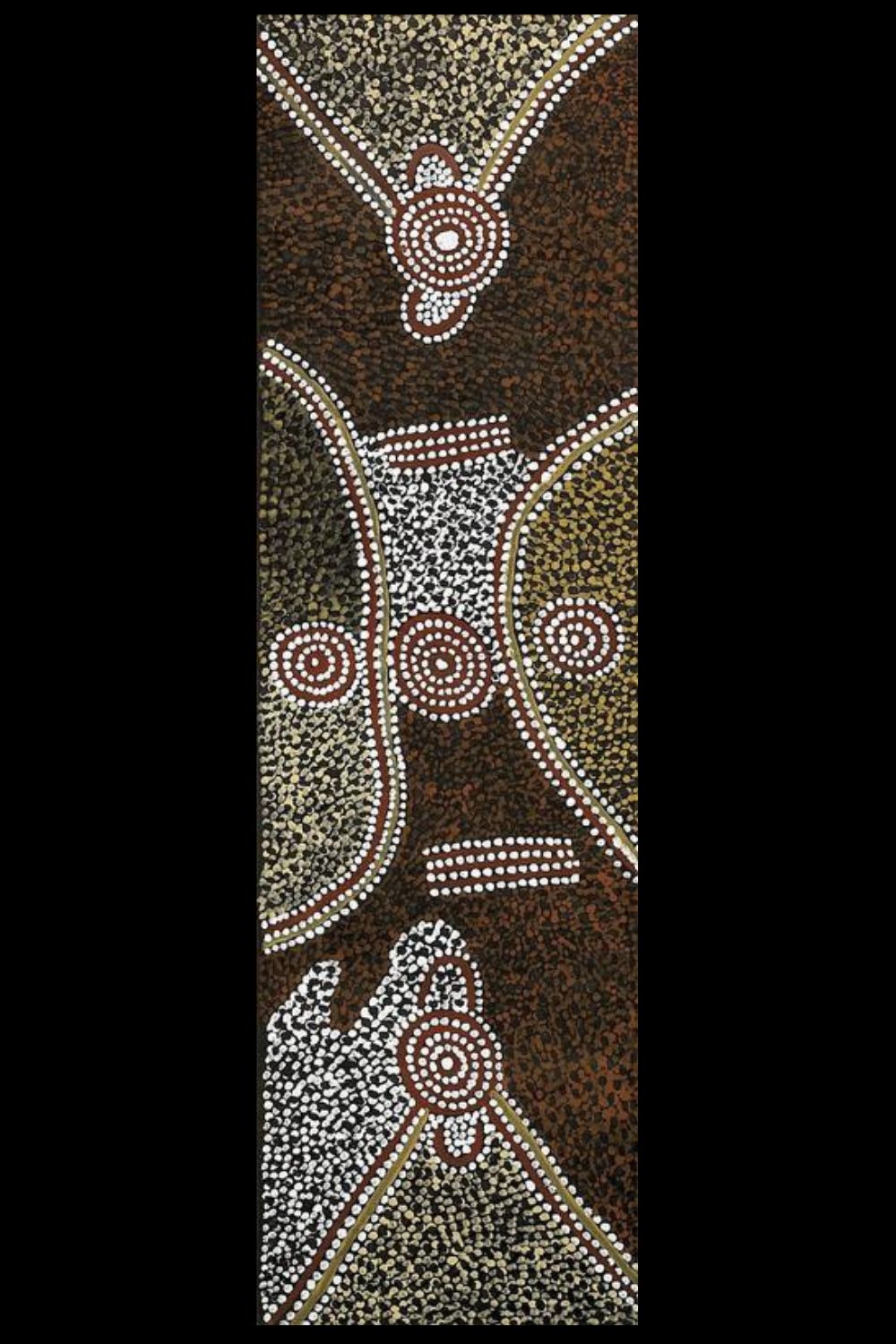
His paintings depict important ancestral narratives including Budgerigar Dreaming, Sugar Ant Dreaming, Wallaby Dreaming, Women’s Dreaming, Men’s Dreaming and Bushfire Dreaming. Today his work is represented in major Australian museum collections and is recognised as an important contribution to the development of contemporary Aboriginal art.
If you own an early Charlie Egalie Tjapaltjarri painting (created before 1975) and would like to know its value or are considering selling it, please feel free to contact me.
Early Life
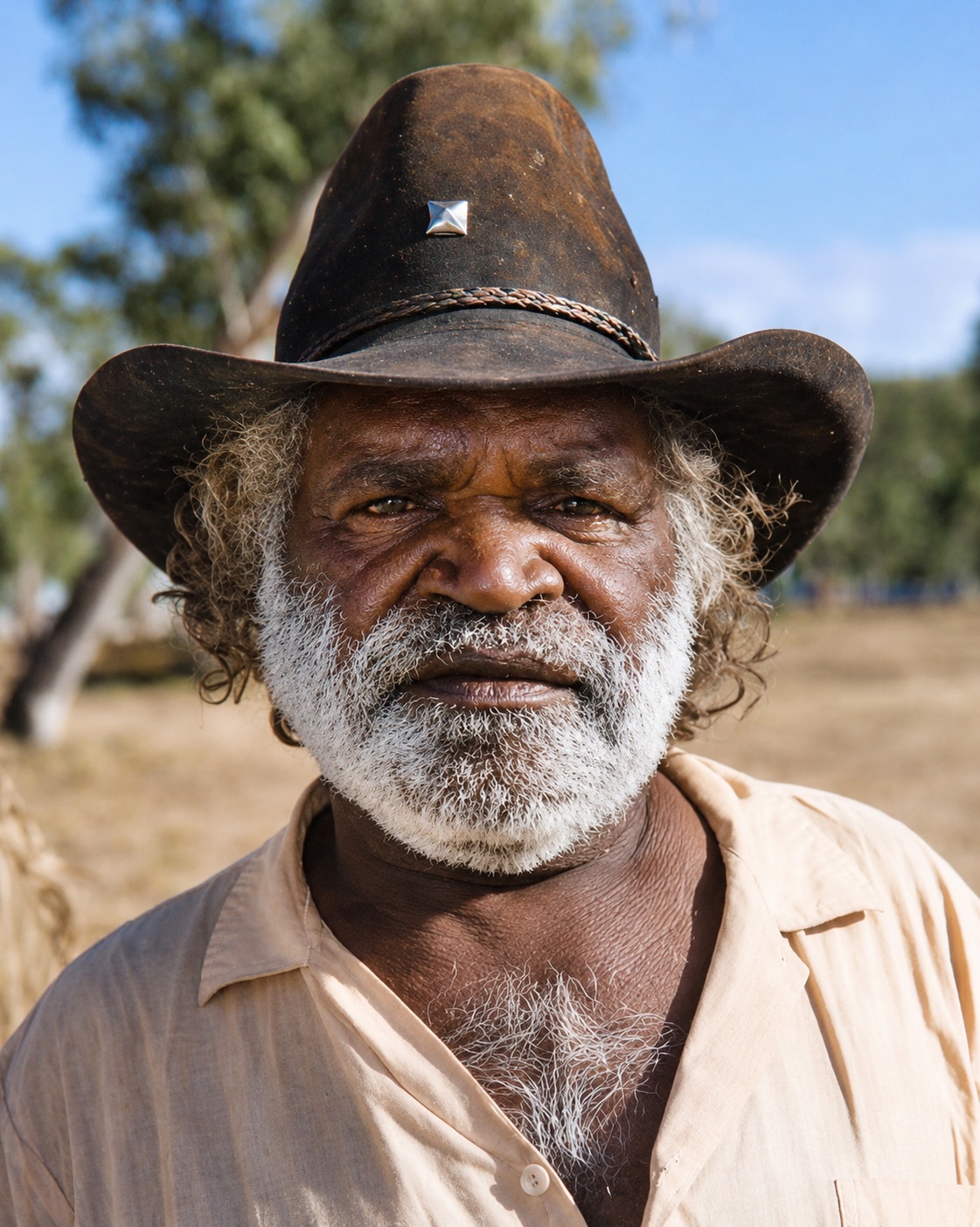
Charlie Egalie Tjapaltjarri was born around 1940 at Pikilyi (Vaughan Springs), north-west of Mount Liebig near Waite Creek in the Northern Territory. His traditional Country lies around Kunatjarrayi, where his family lived according to Warlpiri and Luritja law and custom.
As a child he received basic European education at the mission school at Yuendumu before being initiated near Haasts Bluff. Like many Aboriginal men of his generation, Charlie worked as a stockman, spending seven years on the Haasts Bluff station before later working in Queensland. After marrying Nora Nakamarra, he worked for another seven years at Narwietooma Station.
Charlie and Nora moved to Papunya during the earliest years of the government settlement, when only a handful of houses had been constructed.
Papunya Art Movement
Charlie began painting in approximately 1972, shortly after the birth of the Papunya painting movement. Although he appears in photographs from the earliest years recorded by Geoffrey Bardon, Charlie himself dated the beginning of his painting career to the period when Peter Fannin was managing Papunya Tula Artists.
He learned from several of the movement’s founding painters, particularly Johnny Warangkula Tjupurrula, Kaapa Mbitjana Tjampitjinpa and Billy Stockman Tjapaltjarri. Working alongside these pioneering artists, Charlie adapted traditional ceremonial imagery that had previously been expressed in body painting, sand drawings and ceremony into permanent acrylic paintings.
Although he belongs to the first generation of Papunya painters, Charlie developed an individual artistic style centred on the stories and sacred sites of his own Country.
Dreaming Stories
Charlie’s paintings are closely connected to his ancestral Country and depict Dreamings associated with important ceremonial places across the Western Desert.
Subjects include:
- Budgerigar Dreaming
- Sugar Ant Dreaming
- Wallaby Dreaming
- Women’s Dreaming
- Men’s Dreaming
- Bushfire Dreaming
Rather than illustrating these stories literally, Charlie’s paintings use traditional Western Desert iconography to represent ancestral journeys, ceremonial sites and relationships to Country.
Family
Charlie and his wife Nora Egalie Nakamarra raised two sons and two daughters.
His daughter Natalie Corby began painting during the early 1980s under Charlie’s guidance, continuing the family’s artistic tradition.
Charlie later encouraged his wife Nora to begin painting in 1989, and she has since produced paintings depicting the stories of her Country around Kunatjarrayi.
One of Charlie’s close relatives is the renowned Yuendumu artist Paddy Japaljarri Sims.
Recognition
Charlie’s Budgerigar Dreaming painting achieved widespread recognition when it was selected for the cover of Nadine Amadio’s book Wildbird Dreaming. Charlie travelled to Sydney for the book launch and later represented Papunya Tula Artists at the opening of the National Gallery of Victoria exhibition Face of the Centre in 1985.
Throughout his career his paintings have appeared in numerous exhibitions across Australia and have helped introduce Western Desert painting to a wider audience.
Major Exhibitions
Selected exhibitions include:
- 1985 – Face of the Centre, National Gallery of Victoria, Melbourne
- 1989 – Westpac Gallery, Melbourne
- 1989 – South Australian Museum, Adelaide
- 1993 – Art Gallery of Western Australia, Perth
- 1995 – Face of the Centre, Papunya Tula Artists, National Gallery of Victoria, Melbourne
Public Collections
Charlie’s paintings are represented in numerous public and institutional collections, including:
- National Museum of Australia, Canberra
- South Australian Museum, Adelaide
- Art Gallery of Western Australia, Perth
- University of Western Australia – Berndt Museum
- Museum and Art Gallery of the Northern Territory, Darwin
- Araluen Arts Centre, Alice Springs
- Artbank
- Holmes à Court Collection, Perth
- The Elysium Collection
These collections recognise Charlie Egalie Tjapaltjarri as an important early contributor to the development of Papunya painting and contemporary Western Desert Art.
Charlie Egalie Tjapaltjarri Artwork Values
Paintings by Charlie Egalie Tjapaltjarri appear regularly at auction and their value varies according to subject, size, provenance, condition and date of execution.
If you own a painting by Charlie Egalie Tjapaltjarri and would like an opinion of its current market value, please send clear photographs of the front, back and edges together with the dimensions and any known provenance. I will happily provide an initial assessment and, where appropriate, may also make an offer to purchase the painting outright.
All images in this article are for educational purposes only.
This site may contain copyrighted material the use of which was not specified by the copyright owner.