Can Anyone Paint Dot Art?
The short answer is yes. Anyone can paint using dots. Dotting is simply an artistic technique used by cultures throughout the world. Painting with dots does not make a painting Aboriginal.
Anyone can also draw simple shapes such as circles, lines, or U-shapes. However, Aboriginal Dot Art is much more than a collection of Aboriginal art symbols. The meaning comes from the way those symbols are combined to represent Country, Dreaming stories, ceremonies, and cultural knowledge. Individual Aboriginal artworks are the intellectual property of their artists and should not be copied. More importantly, many traditional designs carry cultural significance and should be treated with respect.
When teaching students, it is important to explain that they are not creating Aboriginal paintings. Instead, they are creating their own original artworks inspired by the techniques used in Aboriginal art. Students should be encouraged to develop their own stories and symbols rather than copying existing Aboriginal artworks or traditional cultural designs.
Traditional Aboriginal Dot Art developed within specific Aboriginal communities and remains closely connected to Country, cultural identity, ceremony, and Dreaming Stories. It is far more than a decorative style—it is a sophisticated visual language that expresses relationships between people, place, and ancestral knowledge.
Can Schools Teach Aboriginal Dot Painting?
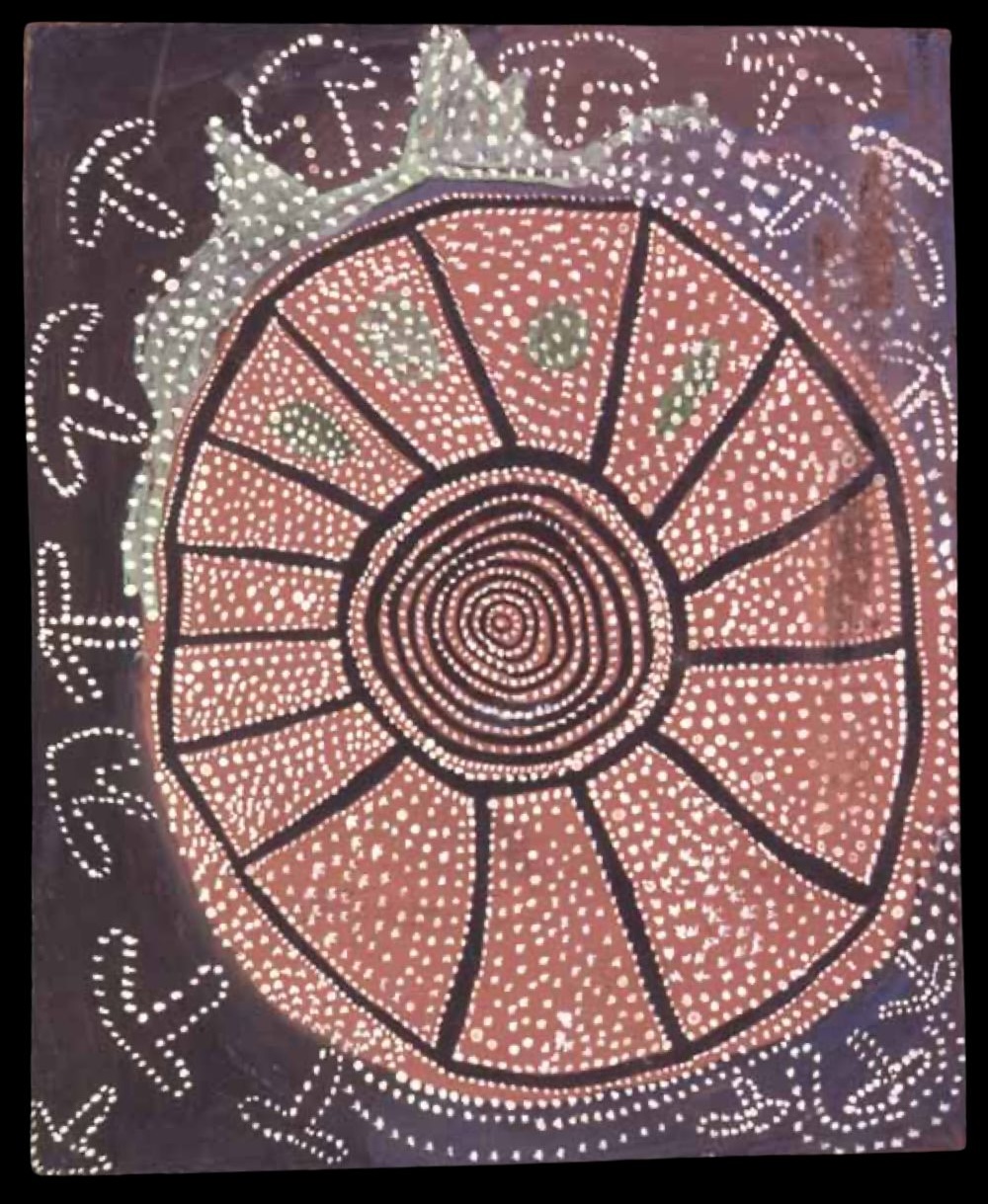
Yes. Aboriginal Dot Art is widely taught in Australian schools as a way of introducing students to Aboriginal culture, Western Desert Art, and the importance of Country and Dreaming Stories. When taught respectfully, it helps students appreciate one of the world’s oldest continuing artistic traditions.
The emphasis should be on understanding the culture behind the paintings rather than simply copying their appearance. Students should learn why Aboriginal artists use dots, how symbols can represent journeys, waterholes, animals, and places, and how paintings express relationships between people and Country.
Rather than copying famous Aboriginal artworks, students should be encouraged to create their own original paintings inspired by the techniques of Aboriginal Dot Art. For example, they might develop a personal story about a favourite place, a journey, or an important memory, using dots and simple symbols to communicate their ideas. This approach teaches creativity while respecting the cultural significance of traditional Aboriginal paintings.
Learning about the history of the Papunya movement, the origins of contemporary Aboriginal Dot Art, and the achievements of Aboriginal artists is just as important as learning the painting technique itself. Understanding the cultural context helps students appreciate that Aboriginal Dot Art is far more than a decorative style—it is a sophisticated visual language developed over countless generations and adapted to canvas in the early 1970s.
Aboriginal Dot Painting Is More Than a Technique
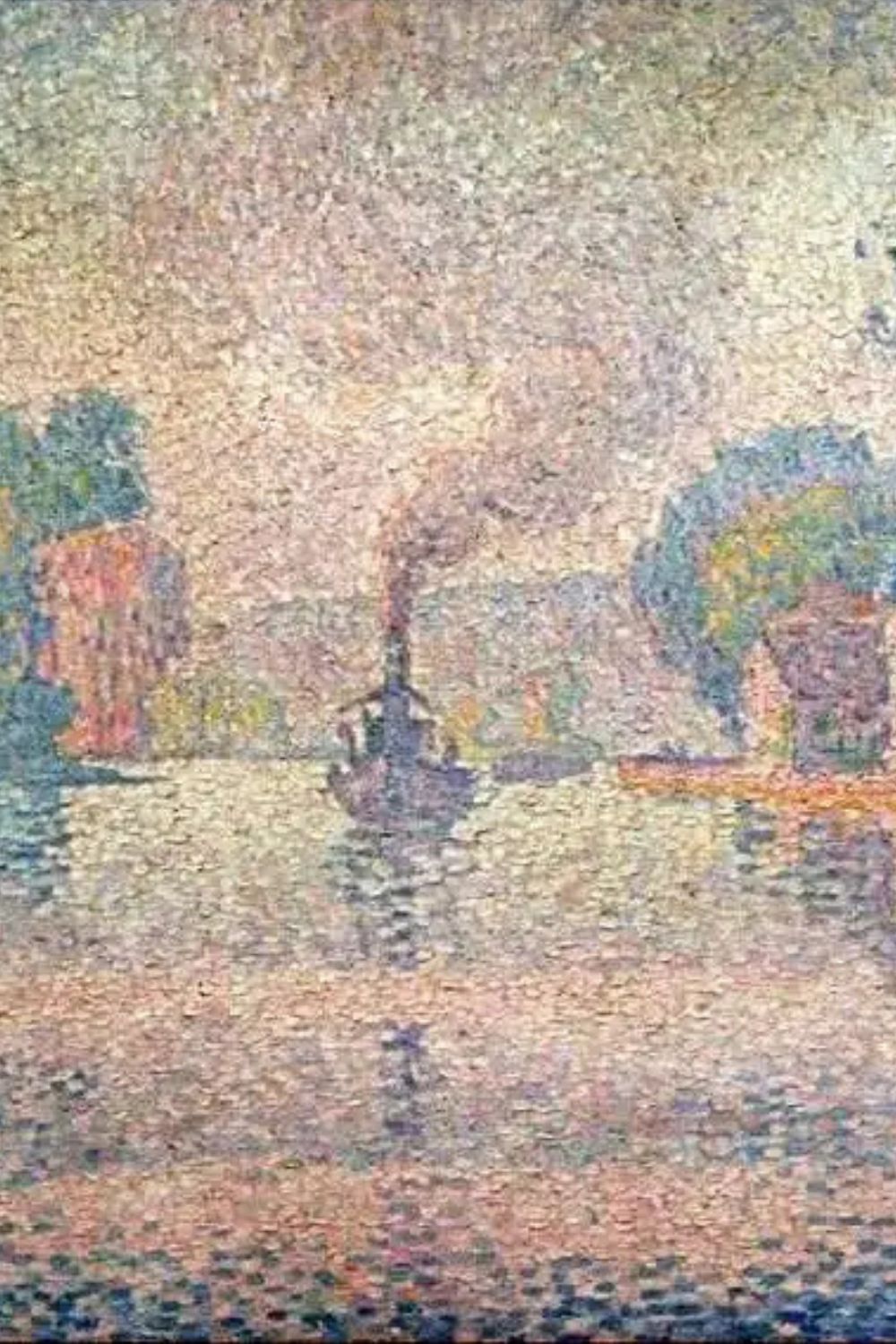
Painting with dots is not exclusive to Aboriginal artists. Throughout history, artists from many cultures have used dots to create texture, shading, colour, and pattern. Children commonly learn dot painting at school, contemporary artists experiment with dotted designs, and European artists such as Georges Seurat and Paul Signac developed Pointillism, using tiny dots of colour to create optical effects based on scientific theories of vision.
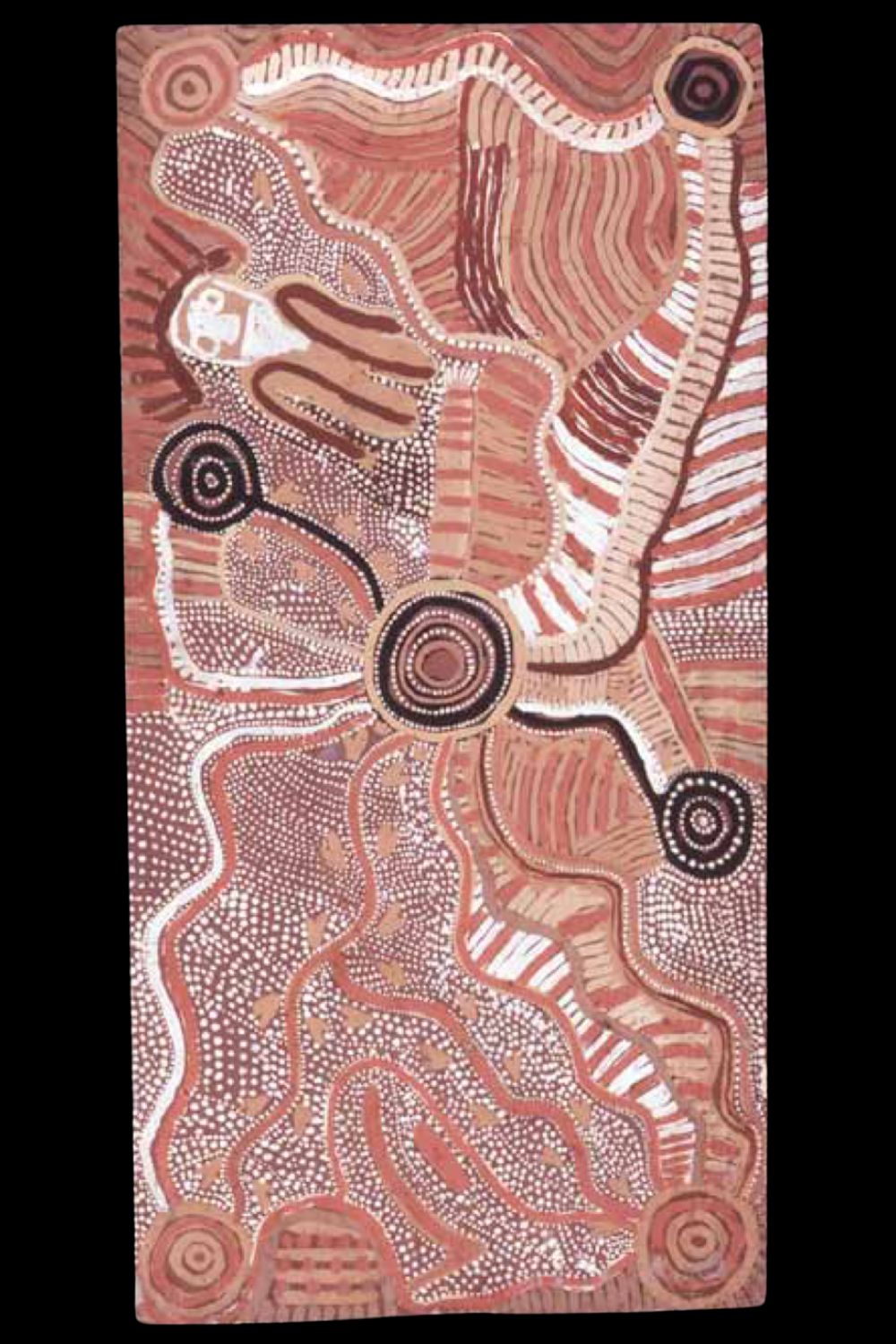
What makes Aboriginal Dot Art unique is not the dots themselves, but the cultural knowledge and traditions behind the paintings. In Western Desert Art, combinations of dots, circles, lines, tracks, and other Aboriginal Art Symbols represent places, journeys, ceremonies, plants, animals, and Dreaming Stories. Rather than creating optical colour mixing, the dots build rhythm and movement, express relationships to Country, and in many paintings help conceal sacred or restricted cultural knowledge.
This comparison shows that similar artistic techniques can have entirely different purposes depending on their cultural context.
Anyone can enjoy painting with dots and learning from Aboriginal art. The most respectful approach is to create original artworks, learn about the history and meaning of Aboriginal Dot Art, and appreciate the Aboriginal artists and communities who developed this remarkable artistic tradition.
All images in this article are for educational purposes only.
This site may contain copyrighted material the use of which was not specified by the copyright owner.