Aboriginal Art: Meaning, History, Styles and Collecting
My interest in Aboriginal art began decades ago with Aboriginal bark paintings. Since then, that interest — and this website — has grown to encompass the many different traditions, regions, artists and type of Indigenous Australian art.
Aboriginal art encompasses many forms of artistic expression including painting, sculpture, music, dance, storytelling, and ceremony. The meaning of Aboriginal art is the expression of Aboriginal culture through art. The Dreaming refers to the ancestral beliefs, Dream time stories, laws, and creation narratives that shape many Aboriginal cultures and are often expressed through artworks. Aboriginal art is also among the world’s oldest continuous artistic traditions, preserving cultural knowledge, ancestral stories, ceremony, and connections to Country across thousands of generations. From ancient Aboriginal Rock Art and X-Ray art to the emergence of Papunya Art and the broader Western Desert Art movement, Aboriginal art provides a unique insight into Australia’s First Peoples, their ancestral traditions, and their enduring relationship with Country.
To fully appreciate Aboriginal art, it is important to understand, the development of Aboriginal Art History, and the visual language of Aboriginal Art Symbols. These concepts help explain why many artworks are far more than representations of people, animals, or places. They are expressions of ancestral journeys, sacred sites, Songlines, ceremony, cultural identity, and the responsibilities that connect people to Country.
This website explores the history, meaning, symbols, artists, and regional traditions of Aboriginal art, including Western Desert Art, Yirrkala Art, Oenpelli Art, Tiwi Art, Wandjina Art and other regions. It also examines many of Australia’s most important Aboriginal artists, major Dreaming traditions, and the cultural knowledge that underpins Aboriginal art across the continent.
For collectors, we specialise in identifying, valuing, and sourcing important Aboriginal Bark Paintings, Early Papunya Art, and traditional Aboriginal Artefacts including weapons, shields, boomerangs, coolamons and ceremonial objects. Whether you are researching Aboriginal Art History, learning about the Rainbow Serpent, exploring Animals in Aboriginal Art, investigating Mimih Spirits, identifying an inherited artwork, or building a collection, this site offers one of the most comprehensive resources on Aboriginal art available online.
Explore biographies, artworks, auction records and market information for hundreds of Aboriginal artists from Arnhem Land, the Kimberley, the Tiwi Islands, the Western Desert and across Australia
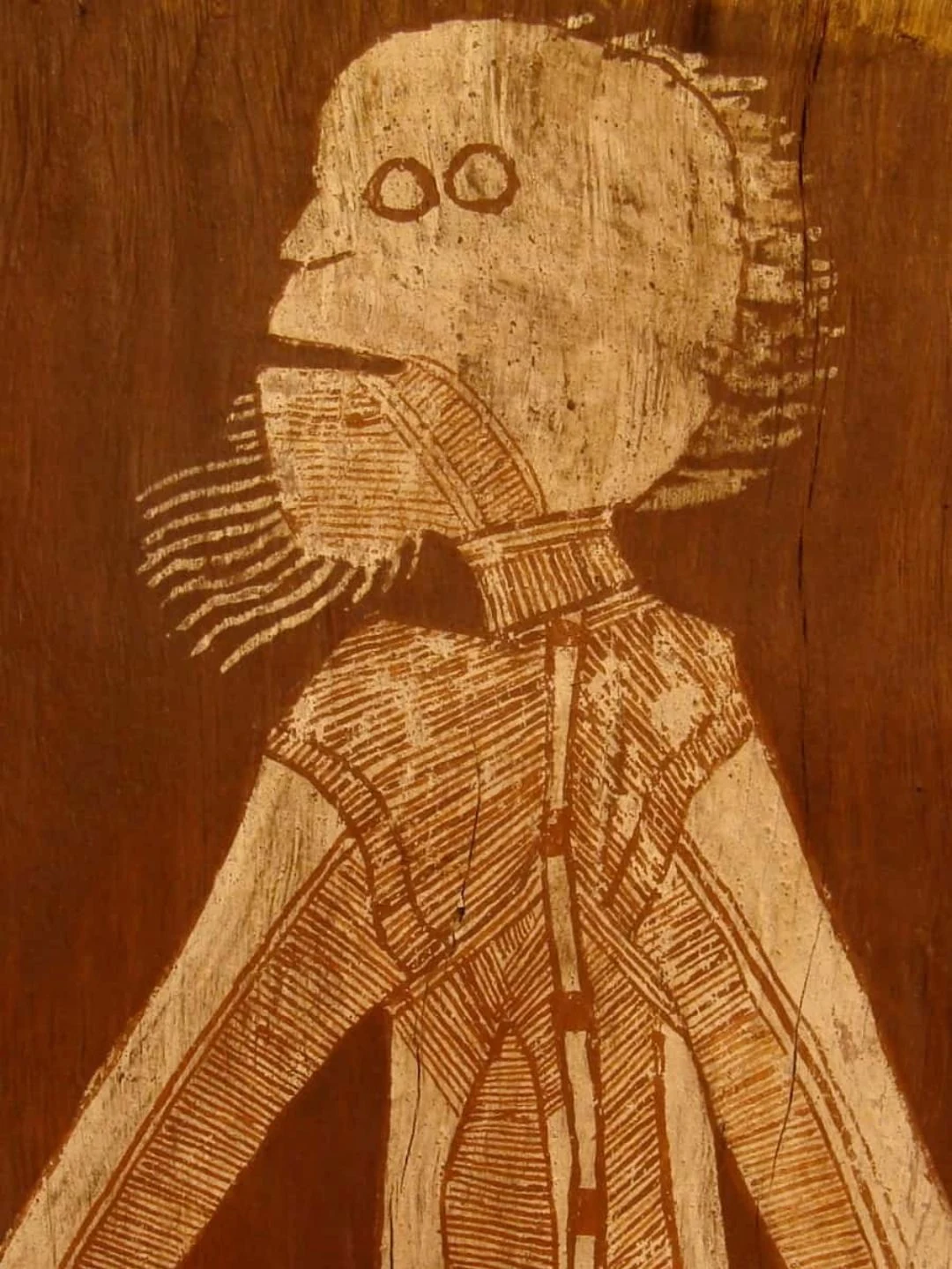
We specialise in early Aboriginal bark paintings, Aboriginal weapons, and important early Aboriginal art, with expertise in identifying and valuing works by the pioneering artists of Australia’s key Aboriginal art movements.
Understanding Aboriginal Art
Aboriginal art is far more than a visual art form. It expresses connections to Country, ancestral beings, clan history, ceremony, and cultural identity. Across Australia, different Aboriginal groups developed distinct artistic traditions, from Tiwi Sculpture to Western Desert painting. Understanding Aboriginal art begins with understanding the culture, stories and ancestral knowledge that artists inherit and maintain through their connection to Country.
Why Aboriginal Art Is Important
Aboriginal art is important because it preserves cultural knowledge, ancestral stories, ceremonial traditions, and connections to Country that have been maintained across countless generations. Through bark paintings, rock art, body painting, sculptures, and contemporary works, Aboriginal people have used art to record, transmit, and protect knowledge about the world around them.
Not every Aboriginal artwork is historically important, just as not every European painting is a masterpiece. Many works were created for the tourist market, while others were produced by artists working at the height of major Aboriginal art movements. What makes certain artworks important is not simply their beauty, but their place within the history of Aboriginal art.
The most significant works often capture an important moment or element in cultural or artistic history. They may document ancestral stories, preserve traditional designs, represent the emergence of a new painting movement, or be created by artists whose work helped shape the development of Aboriginal art itself. Early Arnhem Land bark paintings, pioneering Papunya boards, and important works by leading Aboriginal artists are valued not only because they are visually compelling but because they help tell the story of Aboriginal art and the cultures from which it emerged.
For collectors, museums, and researchers, these artworks provide a unique record of one of the world’s oldest continuing artistic traditions. They are both works of art and important cultural documents, connecting people to Country, history, and cultural knowledge in a way few other art forms can.
Major Aboriginal Art Styles
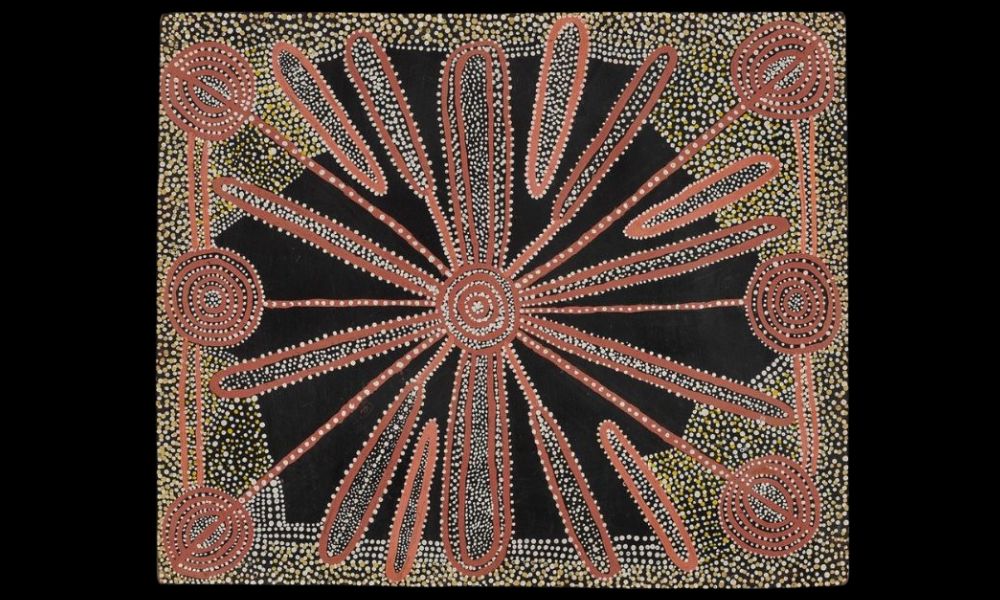
Aboriginal art is not a single style but a collection of regional traditions developed across Australia over thousands of generations. Arnhemland Art is renowned for bark paintings, X-ray imagery, and intricate cross-hatching known as rarrk. Tiwi Art is celebrated for its sophisticated clan designs and Pukumani poles, while Wandjina Art from the Kimberley depicts powerful ancestral rainmakers. In Central Australia, Western Desert Art emerged through the Papunya movement and became internationally recognised for its symbolic aerial views of Country and intricate dot painting. Important regional variations include Balgo Art, Pintupi Art, Warlpiri Art, Utopia Art, APY Lands Art, Spinifex Art, and Ngaanyatjarra Art. Together these traditions demonstrate the extraordinary diversity of Aboriginal art while sharing common foundations in Country, Dreaming, ceremony, and cultural knowledge.
Featured Aboriginal Artists
Aboriginal art has produced many internationally recognised artists whose works have transformed perceptions of Indigenous Australian culture. In Arnhem Land, artists such as Yirawala, Mawalan Marika, and John Marwurndjul helped establish bark painting as one of Australia’s great artistic traditions. In the Kimberley, Alec Mingelmanganu became renowned for his powerful Wandjina paintings. The Western Desert movement produced pioneering artists including Kaapa Tjampitjinpa, Johnny Warangkula Tjupurrula, Clifford Possum Tjapaltjarri, and Shorty Lungkata Tjungurrayi, whose early Papunya paintings helped redefine contemporary Aboriginal art. Other influential artists such as Emily Kame Kngwarreye, Turkey Tolson Tjupurrula, and George Tjungurrayi further demonstrated the extraordinary diversity and innovation found within Aboriginal art. Explore the biographies, artworks, and cultural significance of many of Australia’s most important Aboriginal artists.
About Richard Aldridge
My interest in Indigenous art began in Papua New Guinea, where I spent years travelling through remote regions and field collecting New Guinea tribal art. While New Guinea Art remained a lifelong passion, I soon became equally fascinated by Aboriginal art, particularly the bark painting traditions of Western Arnhem Land and the remarkable X-ray paintings created by artists from Oenpelli.
When I first began collecting more than twenty years ago, information about Aboriginal art was surprisingly difficult to find. Most serious research required access to specialist books, exhibition catalogues, museum publications, and auction records. Very little reliable information was available online. To better understand the field, I began compiling my own database of Aboriginal artists and auction results, studying not only the artworks themselves but also the artists, movements, and cultural traditions behind them.
Over time, it became clear that the internet would become the primary place people turned to for information. This website grew from that belief. My aim has always been to make Aboriginal art more accessible by bringing together information on artists, regional styles, Dreaming stories, bark paintings, Papunya boards, and traditional artefacts in a single resource.
Today I make my living primarily through buying, selling, and valuing Aboriginal art. I acquire works directly from private individuals, estates, and auction houses, and over the years have developed strong relationships with collectors, dealers, and institutions in Australia and overseas. Much of what I do involves recognising why a particular artwork is important—whether because of its artist, rarity, provenance, cultural significance, or place within the history of Aboriginal art.
If you have an Aboriginal artwork and would like an opinion, please feel free to contact me. I am always happy to receive photographs by email. Most of the artworks people send me are not museum masterpieces or highly valuable works, and that is perfectly fine. In many cases I can provide information about the artist, region, age, or likely value, and suggest the most practical way to sell or rehome the piece if that is your intention.
Occasionally, however, an artwork turns out to be far more important than its owner realised. Some of the most significant bark paintings, Papunya boards, and artefacts I have encountered have emerged from private homes and forgotten collections. For that reason, I believe every artwork deserves to be looked at.
Above all, this website reflects a lifelong fascination with Aboriginal art and a desire to help others better understand one of the world’s oldest and most important artistic traditions.
If you would like an opinion on an Aboriginal artwork, feel free to email photographs. Whether the artwork is valuable or not, I am always happy to help identify what it is and where it fits within the broader history of Aboriginal art.
More about Richard Aldridge
Always Looking for new material to buy and sell
Collecting and Valuing Aboriginal Art
Collecting Aboriginal art can be both rewarding and challenging. Factors such as artist, age, provenance, condition, rarity, cultural significance, and historical importance all influence value. While some works created for the tourist market have modest value, others can be highly significant examples of Australia’s artistic and cultural heritage.
I specialise in identifying, valuing, and sourcing Aboriginal Bark Paintings, Early Papunya Art, and traditional Aboriginal Artefacts, drawing on more than twenty years of experience buying, selling, researching, and collecting Aboriginal art. While I am not a licensed valuer, I spend my working life buying and selling Aboriginal artworks and maintain extensive records of auction results and market activity. In many cases, I can provide a realistic indication of what an artwork might sell for in the current market and the most appropriate avenue for sale.
Whether you have inherited an artwork, are considering a purchase, or simply want to learn more about a piece in your collection, I am always happy to offer guidance. Most artworks are not museum masterpieces—and that’s perfectly fine—but occasionally an overlooked work proves to be far more important than its owner ever imagined.