Alie Mungatopi : Tiwi Bark Painter
Alie Miller Mungatopi (Uraputawai) was one of the most important early bark painters in the history of Tiwi Art, celebrated for his highly distinctive depictions of ceremonial Tiwi skin designs and jilamara patterning. Unlike many Tiwi artists who became best known for carved Pukumani poles and figurative sculpture, Alie achieved particular recognition for his bark paintings, which today remain among the rarest and most historically significant forms of early Tiwi artistic production.
Working alongside artists such as Tommy Mungatopi and later influential Tiwi painters including Paddy Henry Ripijingimpi Teeampi, Alie belonged to the small pioneering generation that translated ceremonial body painting traditions onto sheets of eucalyptus bark during the mid-twentieth century. His paintings preserve a direct connection to Tiwi ceremonial identity, mortuary ritual, and ancestral design systems at a time when bark painting production on the Tiwi Islands remained extremely limited.
Because Alie passed away in 1968 — before the widespread commercial development of Tiwi bark painting through later art centre activity — surviving works are exceptionally scarce. Had he remained active even a decade later, his artistic output would almost certainly have expanded considerably and his paintings would likely be far more widely represented in public and private collections.
Today original bark paintings by Alie Miller Mungatopi are highly sought after by collectors specialising in early Aboriginal art and important Tiwi material. Their rarity, strong ceremonial authority, and historical importance place them among the most collectible forms of early Tiwi bark painting.
If you own a Tiwi bark painting that you believe may be by Alie Miller Mungatopi, please feel free to contact me. I would be delighted to view a photograph and provide further insight into attribution, authenticity, and potential value.
Bark Paintings and Style
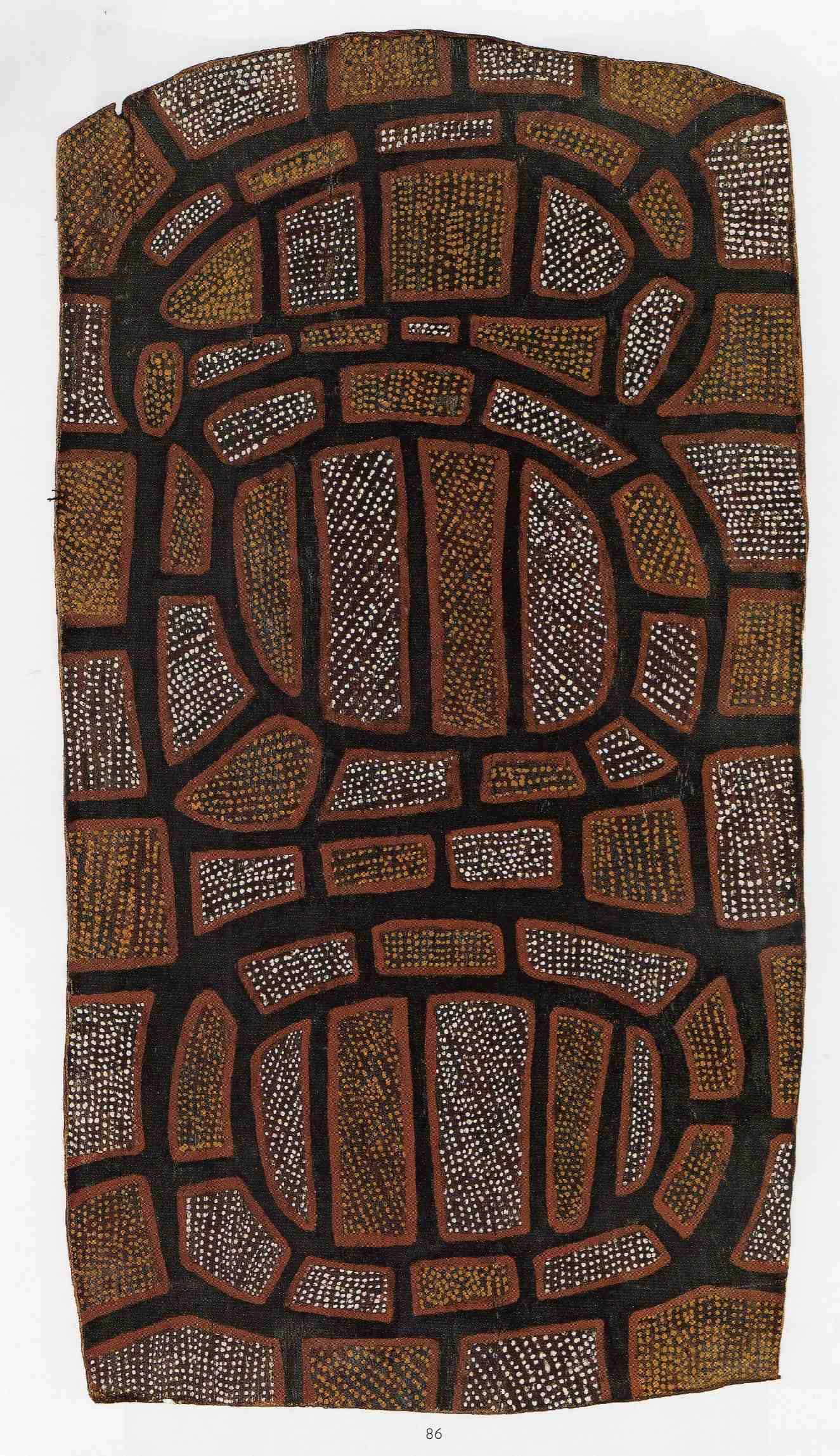
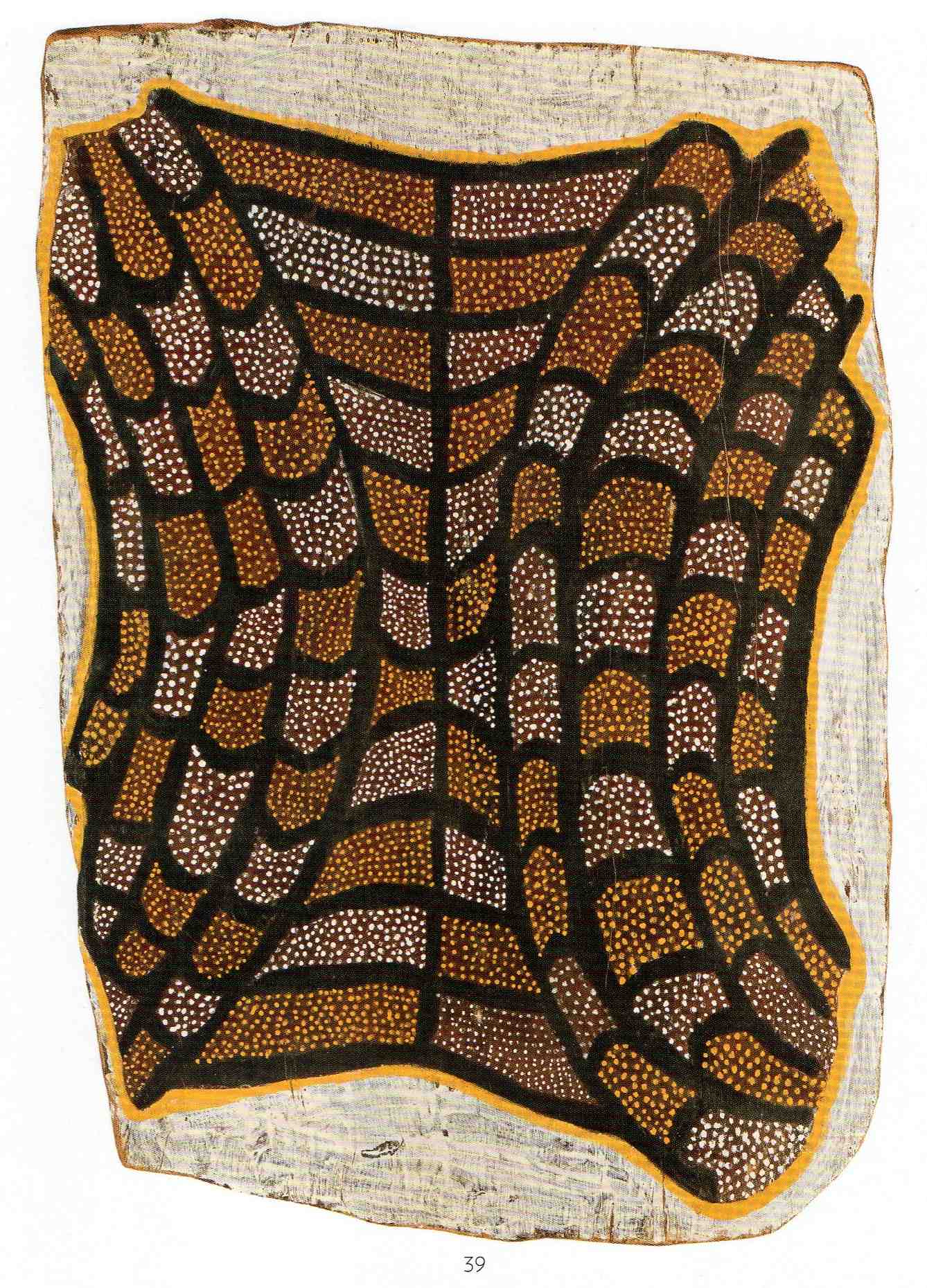
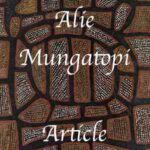
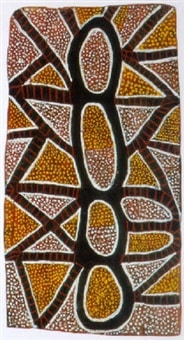
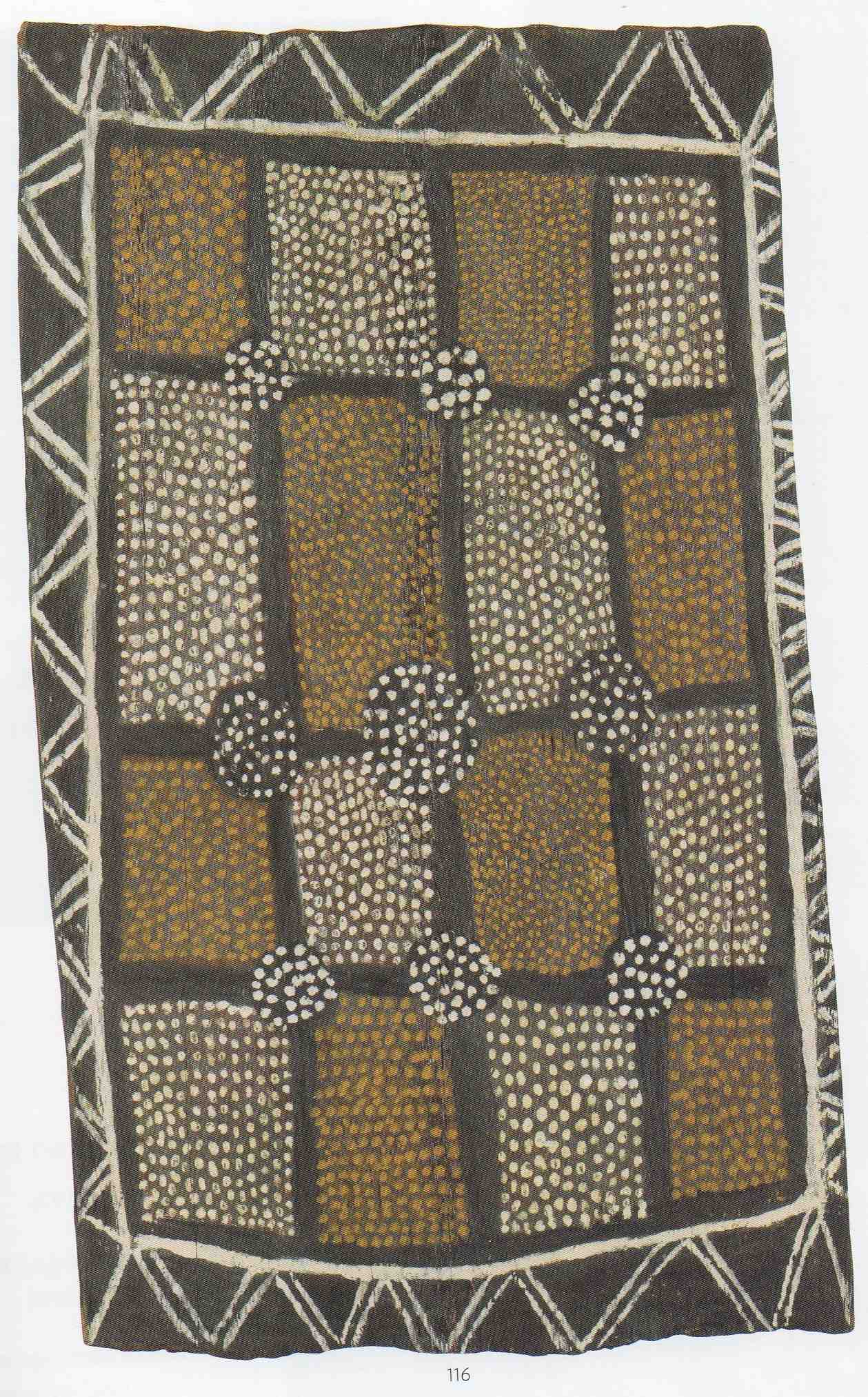
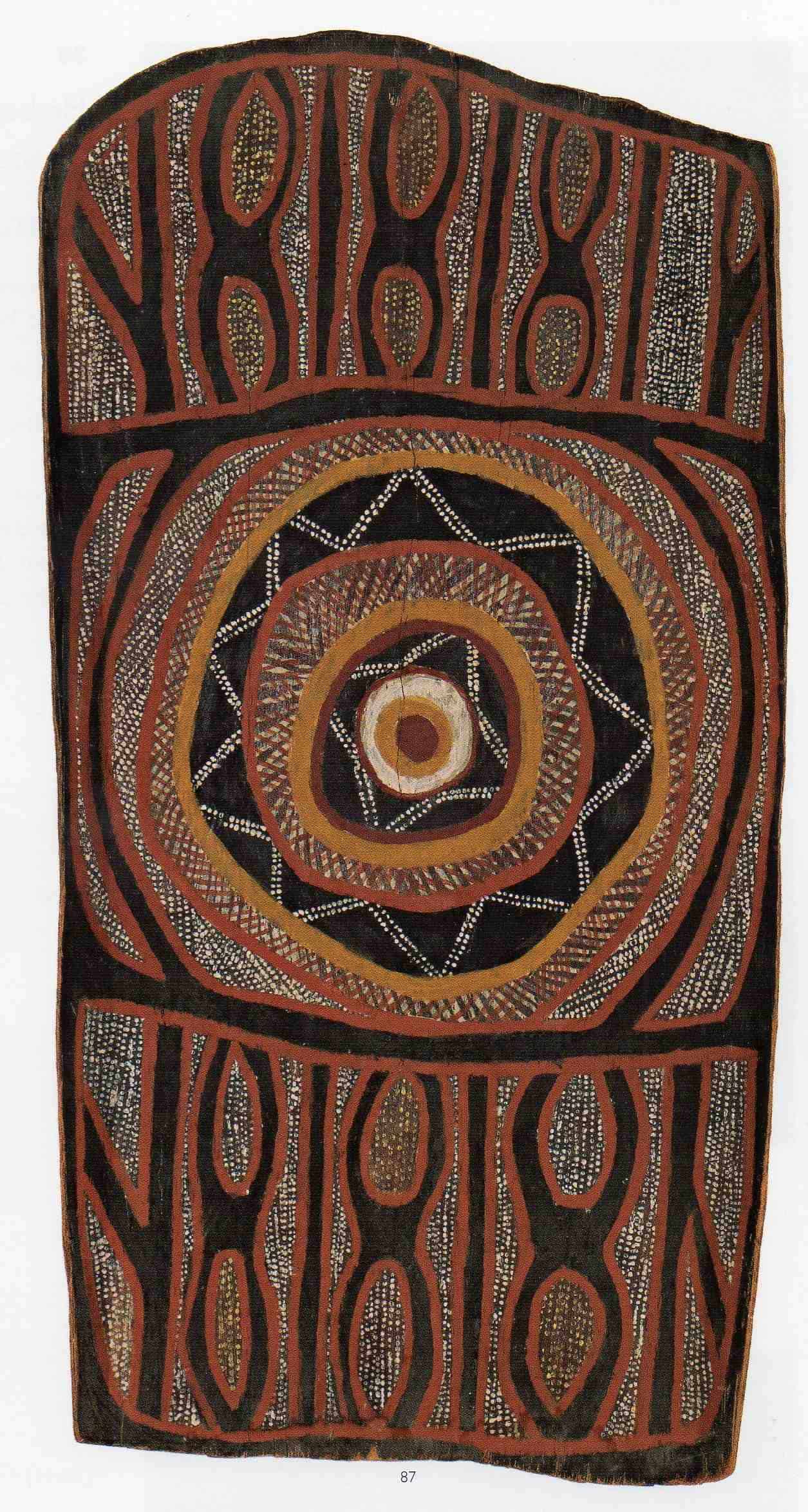
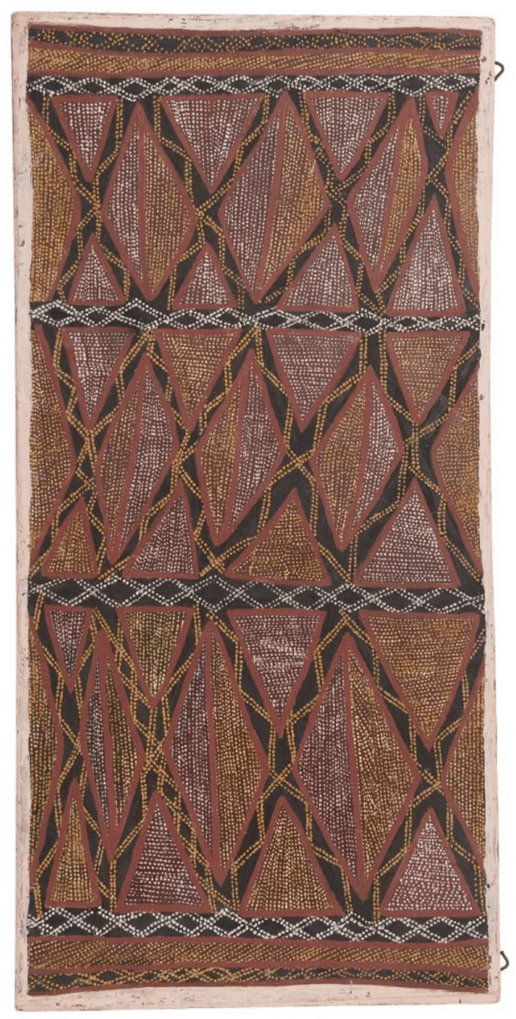
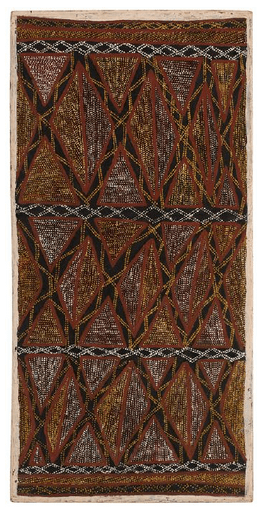
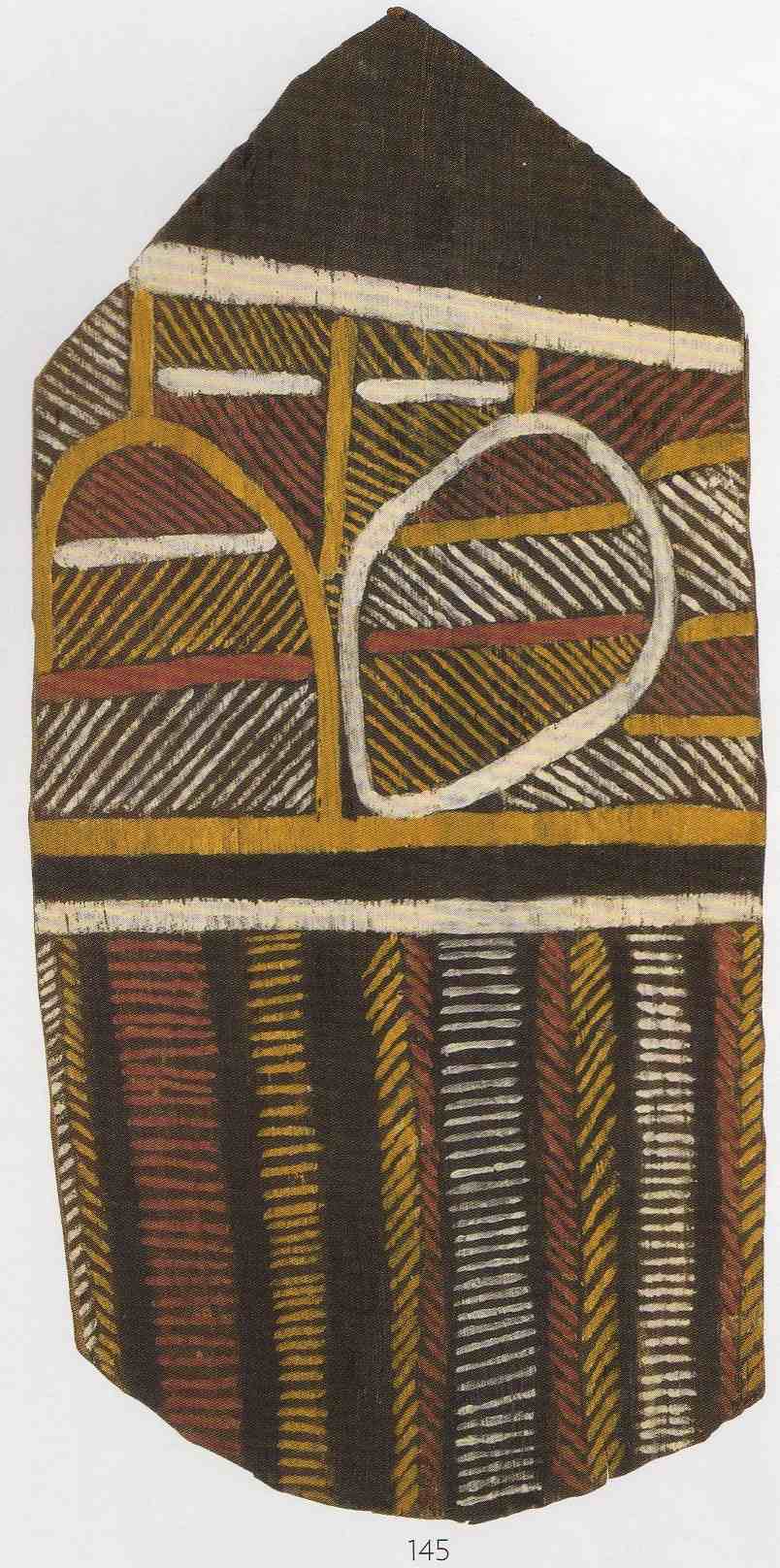
Alie’s bark paintings are characterised by strong black dividing lines that segment the surface into fields of design, filled with vibrant areas of dotted colour. These compositions echo the intricate body designs painted on initiates during ceremony, embedding cultural meaning within every surface. His works share similarities with those of his relatives but remain identifiable through their bold graphic clarity and controlled use of colour.
Because Alie passed away in 1968, before the widespread commercial production of Tiwi bark paintings, surviving examples are few. Had he been active even a decade later, his output would almost certainly have been much larger and his works more widely represented in collections. Today, original paintings by Alie Miller Mungatopi are highly sought after by collectors.
Biography
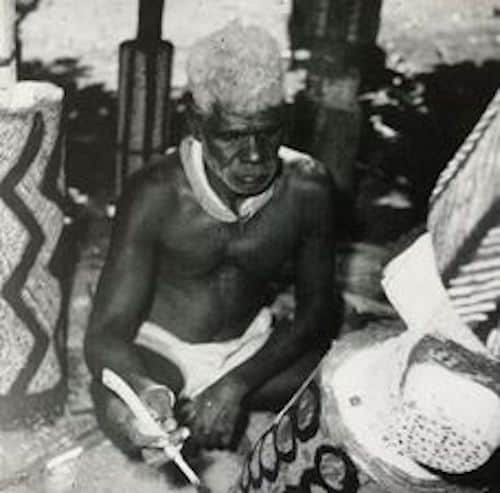
Born around 1910, Alie Miller Uraputawai Mungatopi was not only a painter but also a celebrated dancer, singer, and holder of traditional knowledge at Milikapiti (Snake Bay). He and his four brothers—King Larry Mungatopi, Laurie “One Eye” Nelson Mungatopi, Deaf Tommy Mungatopi, and Lame Toby Mungatopi—were all active cultural figures and artists.
During World War II, the Mungatopi brothers took part in the Snake Bay patrols of 1943–1945. In 1948, Alie, along with fellow artist Cardo Kerinauia, performed for Queen Elizabeth in Toowoomba, an event that was later incorporated into the Tiwi dance repertoire. The Milikapiti group was also photographed by Axel Poignant at Snake Bay and described in detail by Colin Simpson in his book Adam in Ochre.
Alie’s Tiwi name, Uraputawai, was sometimes recorded as “Paraputawei” in early writings. Beyond performance, he contributed to Tiwi visual culture through paintings, some of which entered major institutional collections.
Alie’s wife, Polly Miller Poinomaju Mungatopi (c. 1912–1989), was herself an accomplished artist, producing bark paintings that were collected by Sandra Holmes and Helen Groger-Wurm. Polly became a close friend of Holmes, with whom she maintained a long relationship; Holmes even recorded Alie’s funeral at Polly’s request. The couple frequently visited Holmes in Darwin, where they assisted in repainting old Pukumani poles in her collection.
Together, Alie and Polly embodied the resilience of Tiwi cultural practice during a period of rapid change. Alie is now recognised as an early pioneer of Tiwi art, alongside figures such as Mani Luki, Djulabiyanna, and Paddy Henry Ripijingimpi. His bark paintings remain touchstones of authenticity, ceremony, and cultural continuity.
If anyone knows more information about the biography of Alie Mungatopi, please contact me as I would like to add it to this article.
Alie Miller Mungatopi was an early Pioneer Tiwi artist like Mick Aruni Illortamini, Cardo Kerinauia or Stanislaus Puruntatameri
All images in this article are for educational purposes only.
This site may contain copyrighted material the use of which was not specified by the copyright owner.
Alie Mungatopi Bark painting images
The following images are not a complete list of bark paintings by Alie Miller Mungatopi but give a good feel for the style and variety of this artist