
Arnhem Land Rock Art
Arnhem Land rock art is among the most sophisticated and spiritually powerful traditions within Australian Aboriginal rock art.Spread across the escarpments, stone country, and rock shelters of northern Australia, these remarkable paintings preserve some of the world’s oldest surviving spiritual beliefs, Dreaming traditions, and ceremonial practices. Arnhem Land contains hundreds of important rock art sites, with some paintings believed to be more than 20,000 years old.
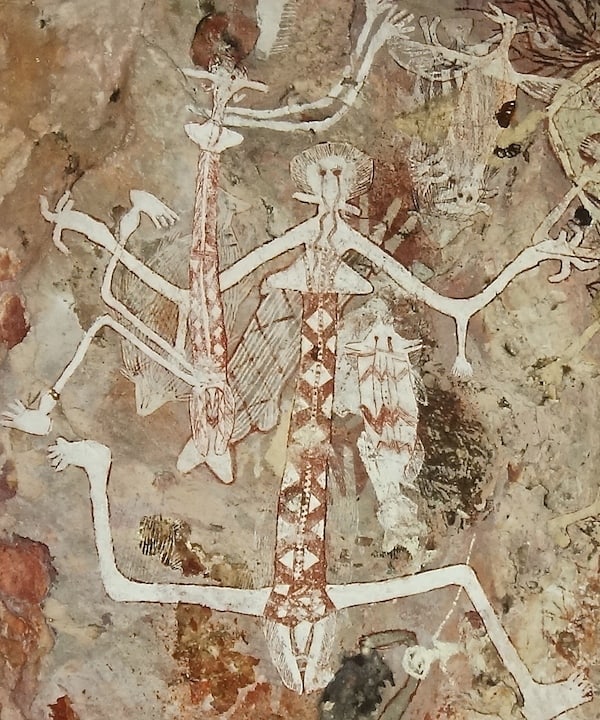
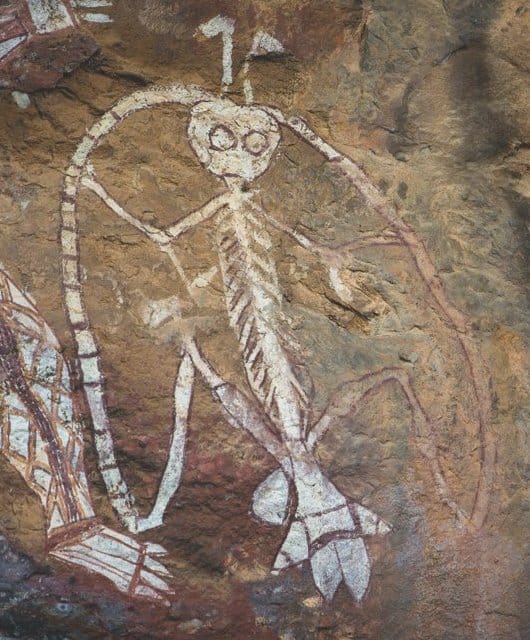
The region is especially famous for its distinctive Aboriginal X-Ray Art tradition, in which artists depicted the internal anatomy of fish, turtles, crocodiles, barramundi, and kangaroos with extraordinary detail. Arnhem Land rock art is also renowned for its paintings of powerful spirit beings including the elongated Mimih Spirits and Namarrkon the Lightning Spirit associated with monsoonal storms and sacred sites in western Arnhem Land.
Many of the same ancestral beings, ceremonial designs, and sacred narratives found on Arnhem Land rock shelters later appeared in Oenpelli Art and Aboriginal bark paintings painted onto sheets of eucalyptus bark, demonstrating the extraordinary continuity of Arnhem Land artistic and ceremonial traditions across thousands of years. Many of the early Oenpelli artists Like Mick Kubarrku, Diidja and Djambalula were painting on rock long before they were painting on Bark. While Arnhem Land contains some of the world’s most visually complex rock paintings, it forms only one part of the broader tradition of Aboriginal rock art found throughout Australia.
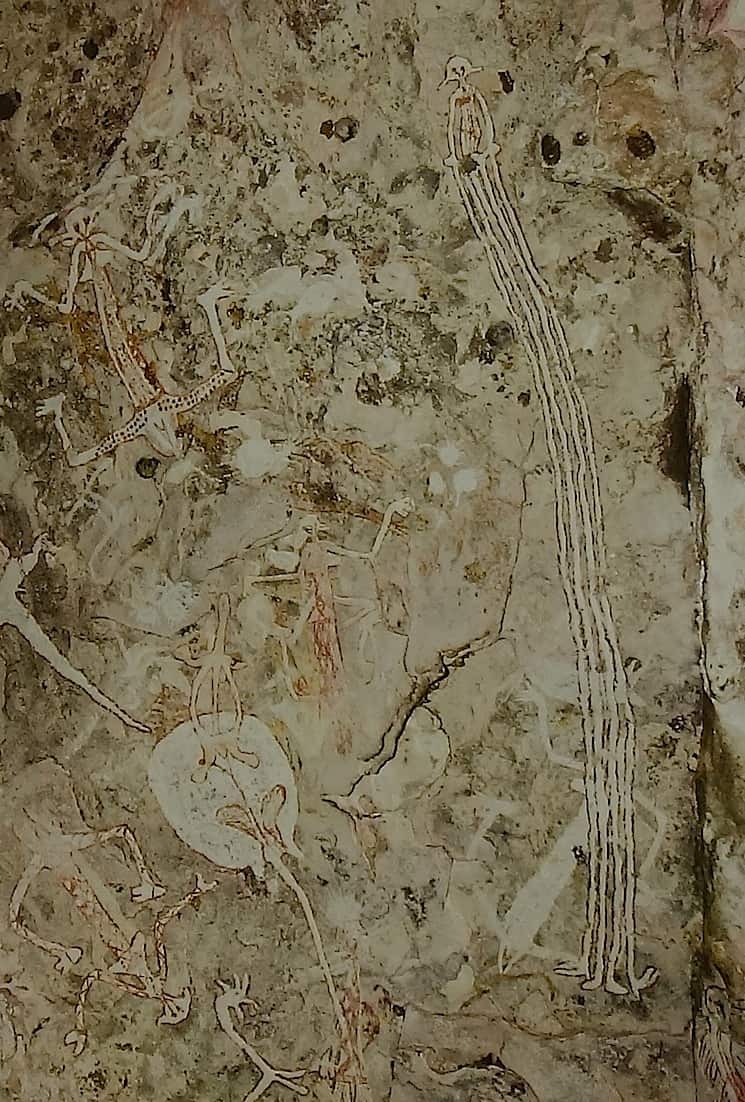
Rock Art sequence Arnhem land
Using different dating techniques it is possible to identify the sequence of changing styles of Arnhem Land Rock Art. Different Rock Art Styles developed at different times by people with different cultural beliefs. The art has changed over the millennia. The sequence determined by dating and also by seeing which styles overlay other styles.
Arnhem Land Rock Art started around 20,000 years ago so is not as old as Kimberley Rock art (40,000 BCE)
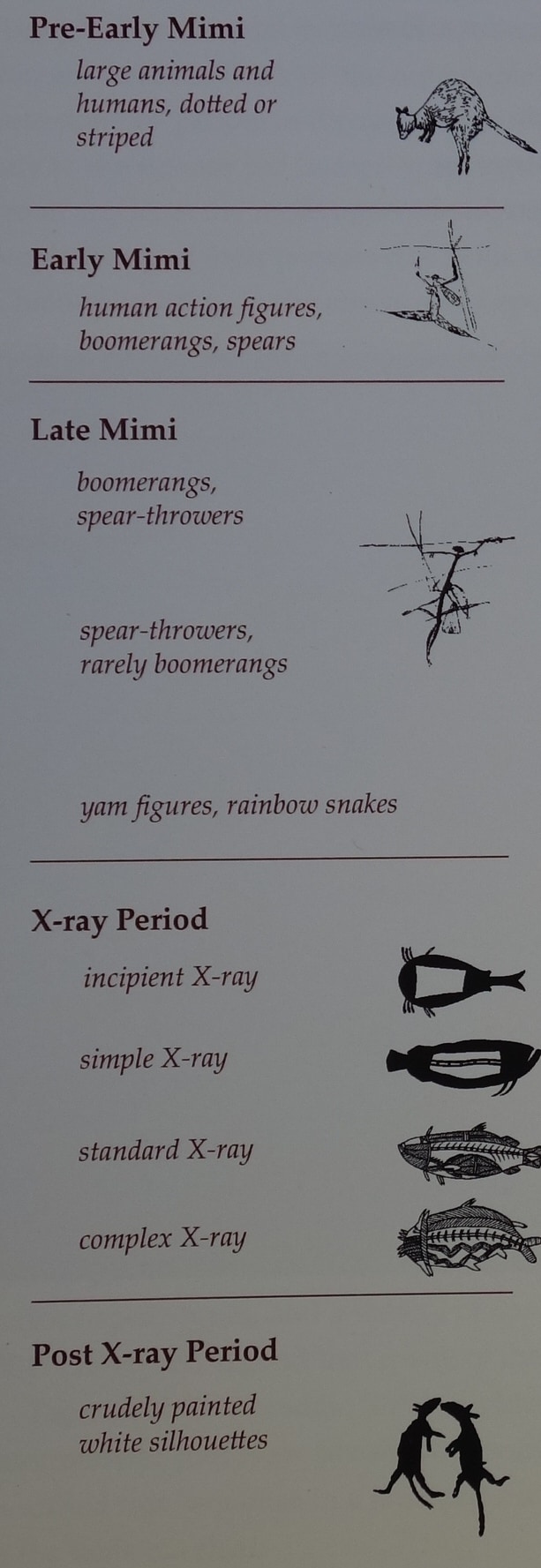
Sequences
Left: Brandl (1973, 1977)
Right: Chaloupka (1984,1993)
Far right: Lewis (1988)
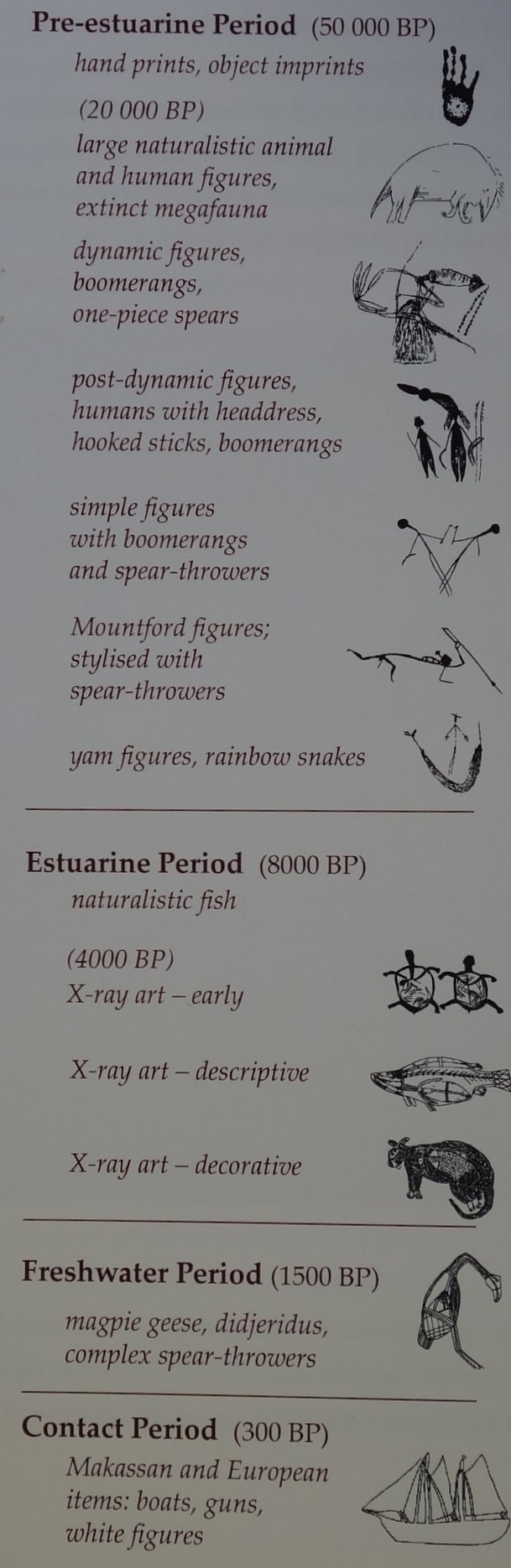
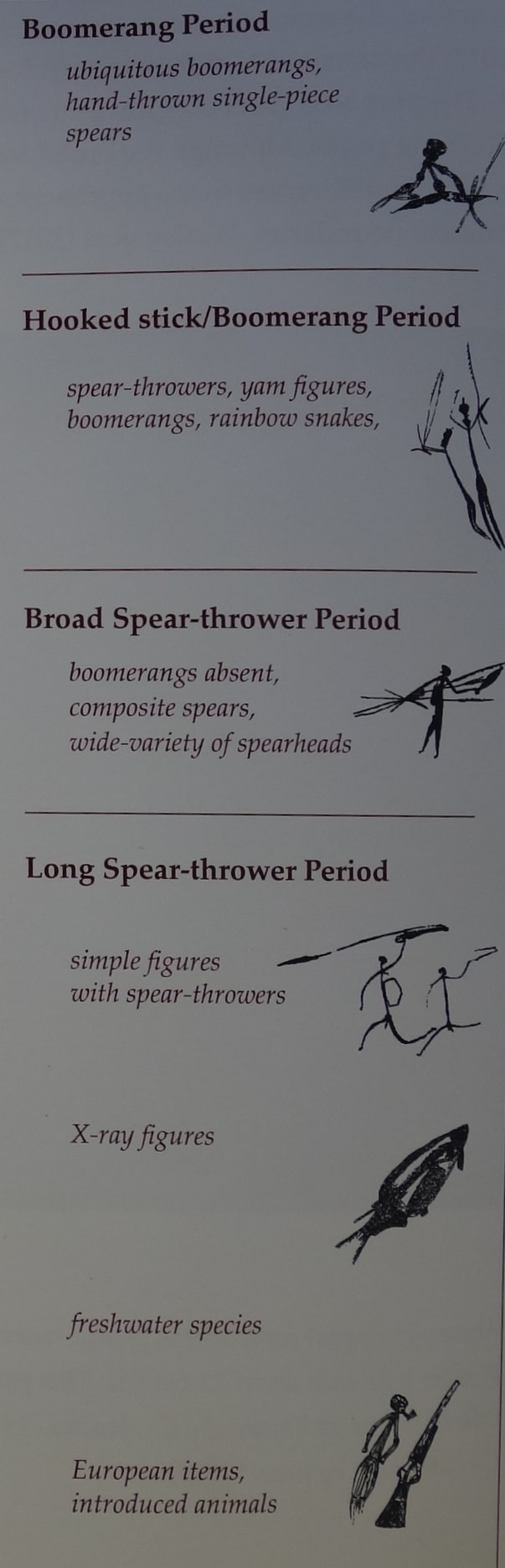
Naturalistic Animals and Figures (Early Phase)
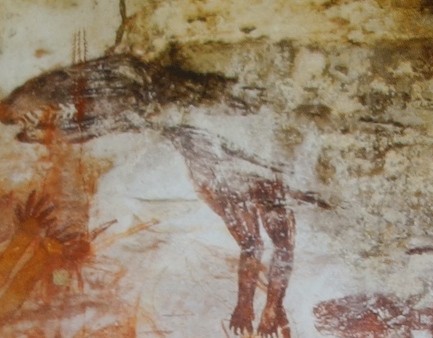
The first Rock art in Arnhem land was the depiction of animals and people in a naturalistic style. These figures are usually quite large and infilled with stipples or dots. These painted naturalistic animals are similar to paintings found in the earliest forms of rock art.
Mimi figures or Mimih figures
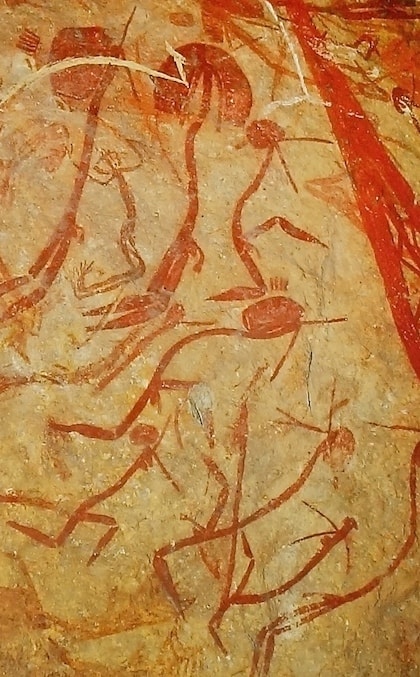
Charles Mountford was the first European to undertake a scholarly study of Arnhem Land Rock Art. Aboriginal informants told Mountford that the red running figures belonged to the old people or Mimi spirits. Mimih spirits are believed to have taught Aboriginal people to paint cook hunt and perform ceremonies. Mimi spirits are thin limbed human-like beings that live in the rock cracks in the escarpments.
Depictions of Mimi figures painted in red ochre are almost like stick figures. They are male and female and are often shown in poses like they are dancing. They are simplistic but extremely elegant and dynamic.
Mimi figure painting occurred in an earlier and later phase. You can determine which phase by the weapons they carry. Early Mimi spirits have either no weapons or a hand-thrown spear or boomerang. Late phase Mimi figures normally have a spear thrower and spear. This is important because it shows an evolution of Aboriginal Weapons within the rock art sequence.
X-Ray Rock Art
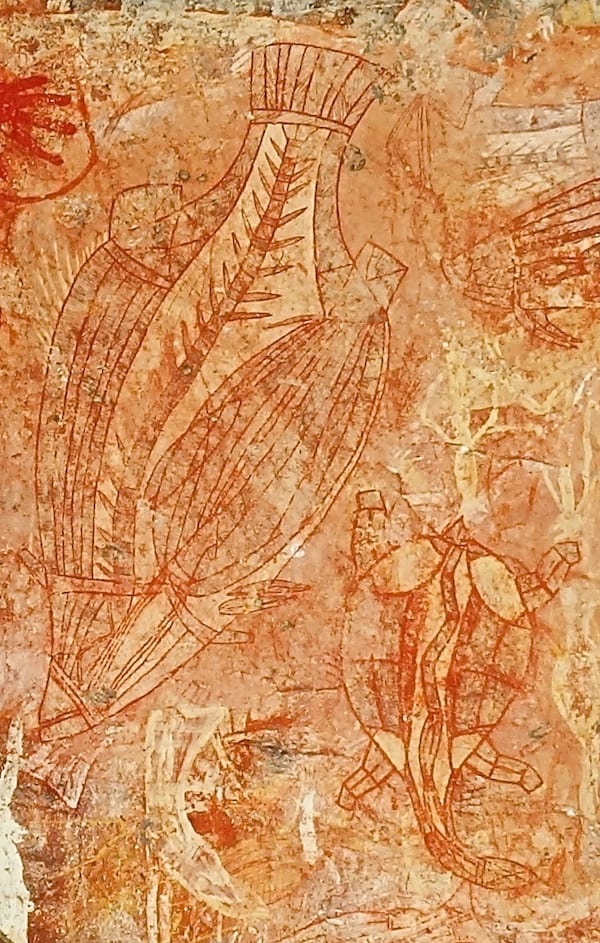
X-Ray rock art is the most recognised form of Arnhem Land rock art. This tradition, in which animals, spirit beings, and occasionally humans are depicted with visible internal anatomy, has existed in western Arnhem Land for at least 8,000 years and remains one of the world’s oldest continuous artistic traditions.
While Arnhem Land rock art is the broader painting tradition encompassing many different styles, Aboriginal X-Ray Art refers specifically to this internal anatomical style.
Drawing animals with visible organs and skeletal structure was a traditional way of expressing not only physical form, but also the spiritual life and power of the subject. The animals and ancestral beings depicted often relate to songlines, Dreaming stories, and sacred sites. Powerful figures such as Namarrkon the Lightning Spirit and the Rainbow Serpent remain culturally significant today.
The tradition later continued onto bark and paper through artists including Lofty Bardayal Nadjamerrek, one of the last major painters directly connected to the Arnhem Land rock art tradition.
For the bark painting tradition derived from these internal anatomical rock art conventions, see Aboriginal X-Ray Art. Many of Australia’s best-known bark painters, including Yirawala, Dick Murrumurru, and Mick Kubarkku, came from country rich in X-Ray rock art traditions.
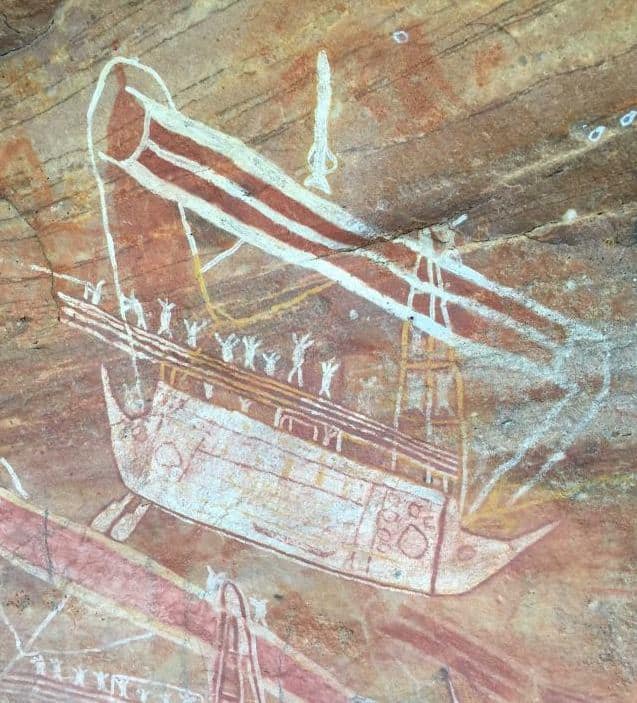
Indonesian Fishing boat or Prau
Post contact rock art and White silhouettes
There is a late phase of human running figures using white pigments that are somewhat like Mimih. The difference is that they tend to be much cruder and less refined. They lack the grace and elegance of the earlier style.
There are also depictions of sailing ships from Indonesia Europe and introduced animals.
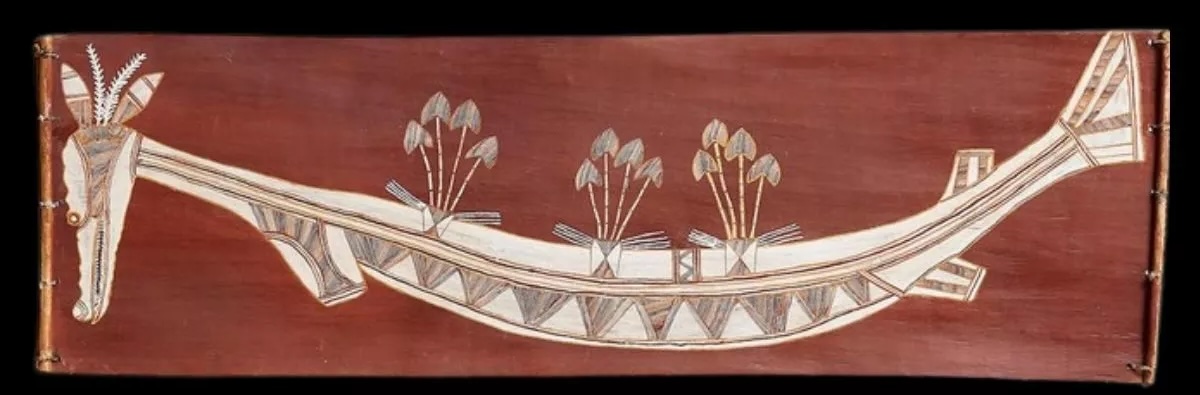
The rock painting of Indonesian Prau fishing vessels is particularly important. They show contact between Indonesian fishermen and Aboriginals goes back to the 16th century.
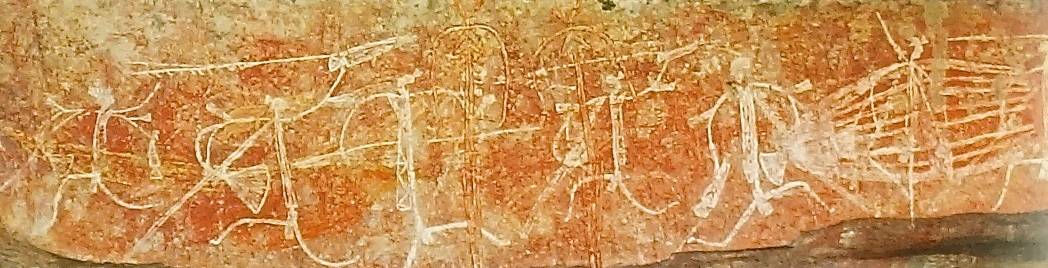
White Silhouettes Rock Art
Arnhem Land Rock Shelter Art Summary
The Aboriginal Rock Art from Arnhem land is a national treasure. It is a superb collection of aboriginal artistic expression that reaches back well into the Neolithic. It has some of the most significant rock galleries of ancient art anywhere on earth. In recent years the government has taken an active role in preserving these sacred places. Rock galleries are now visited by tourism companies
This article would not have been possible without the wonderful publications by Mike Donaldson
Recommended Reading
Australia’s Rock Art: Aboriginal art across an ancient continent by Mike Donaldson
The Archaeology of Rock Art in Western Arnhem Land, Australia
A Journey in time: Australian Aboriginal Rock Art of Arnhem Land
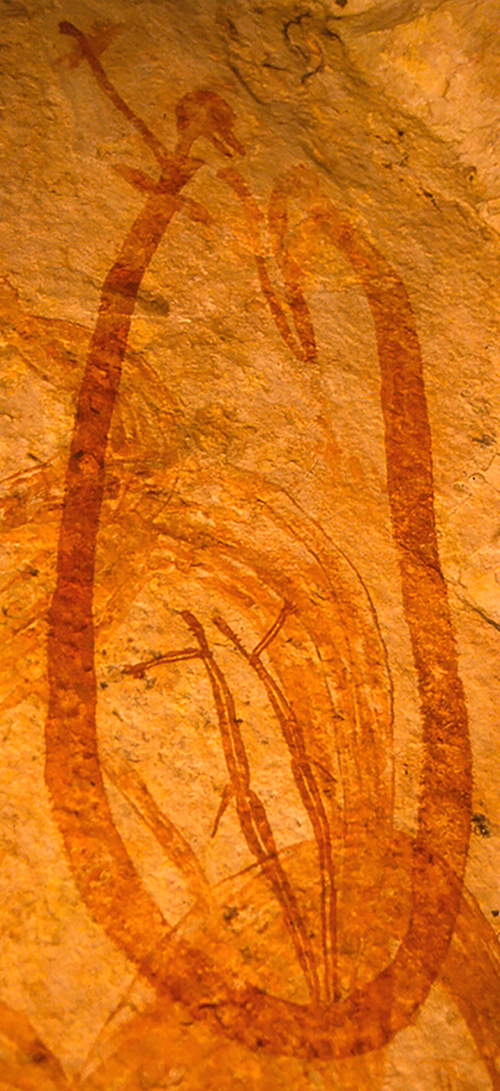
Rock art Inspiration
Arnhem Land Rock Art no doubt inspired the early bark painters. Their country was full of exquisite depictions of legends that they were the custodians of.
Here is an example where Jimmy Ngainjmirra a bark painter has seen and been inspired by his ancestors depiction of the Rainbow serpent.
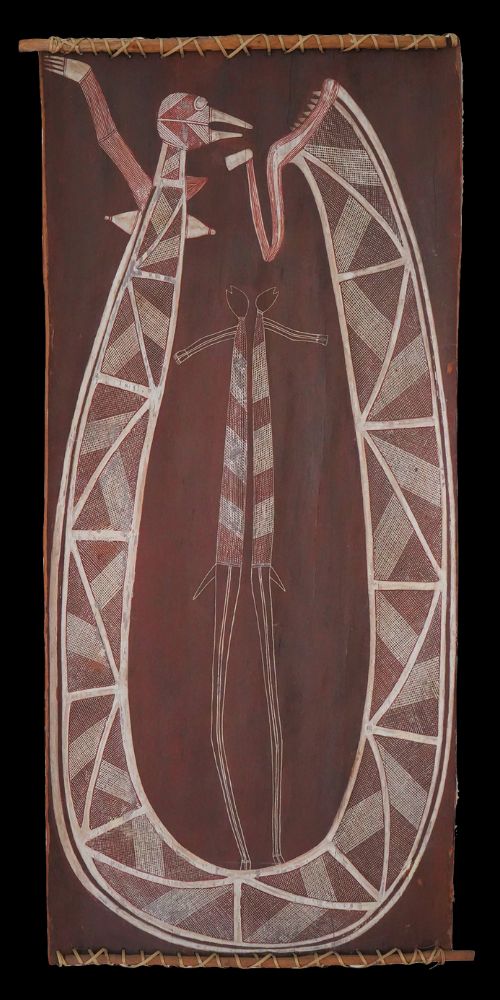
All images in this article are for educational purposes only.
This site may contain copyrighted material the use of which was not specified by the copyright owner.
Images of Rock Art from Arnhem Land