Thomas Nandjiwarra Amagula – Groote Eylandt Master Artist and Aboriginal Leader
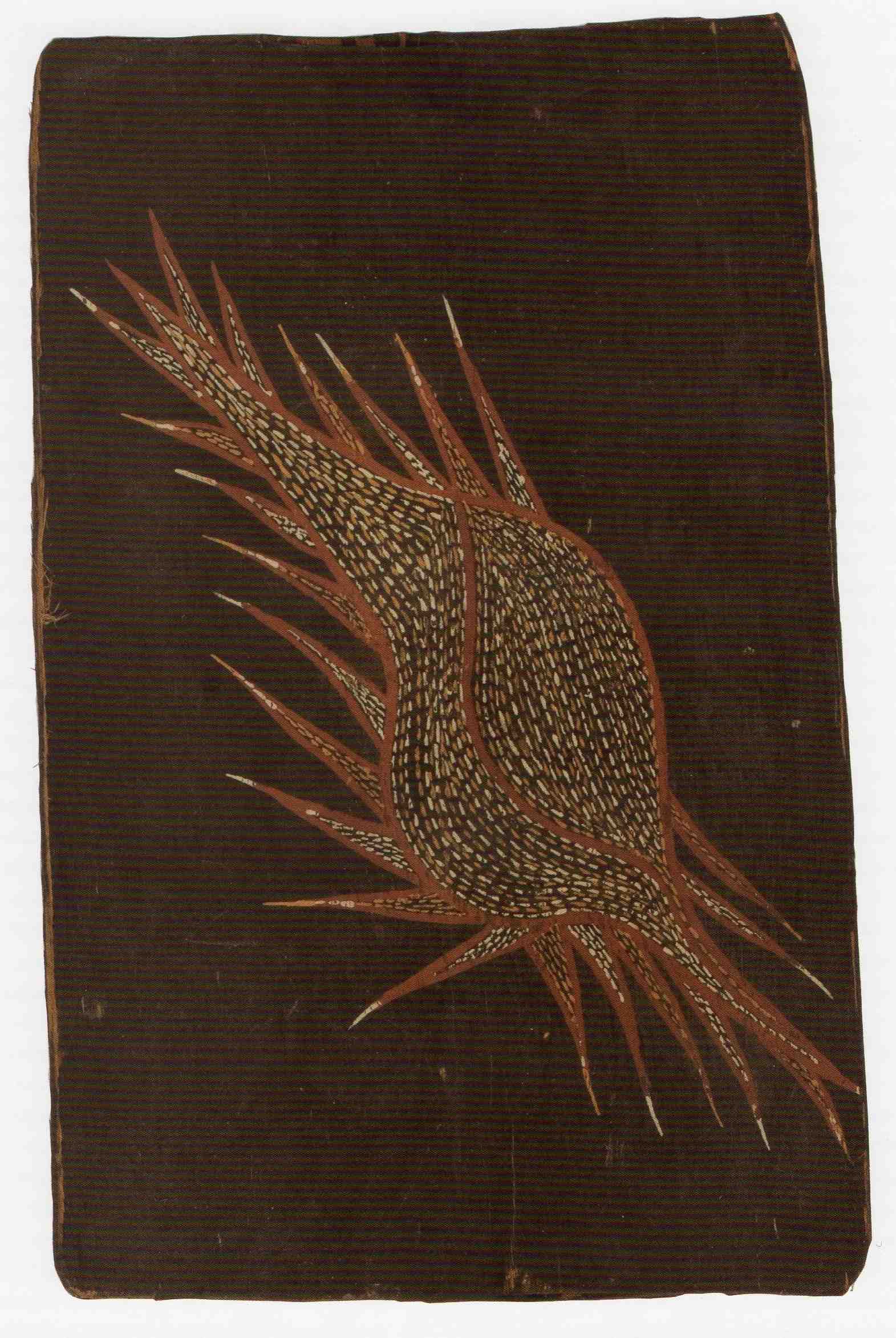
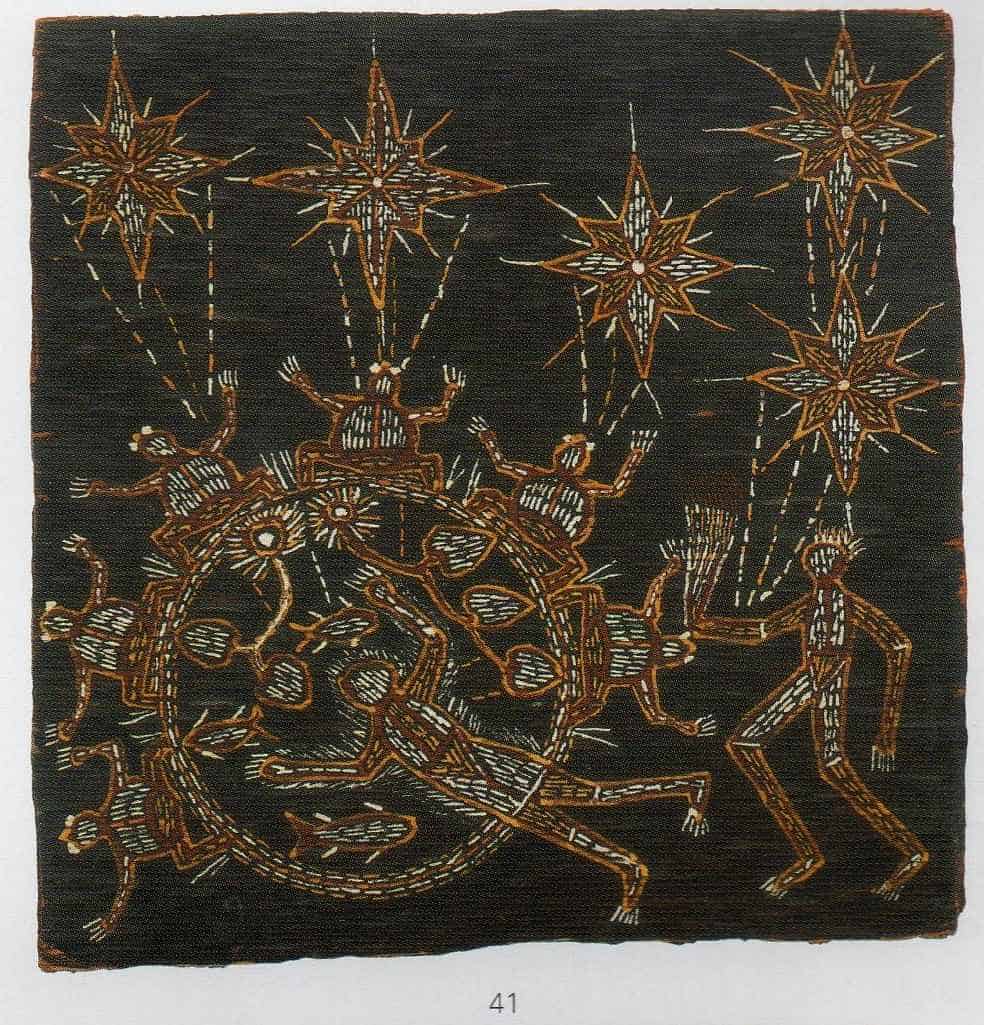
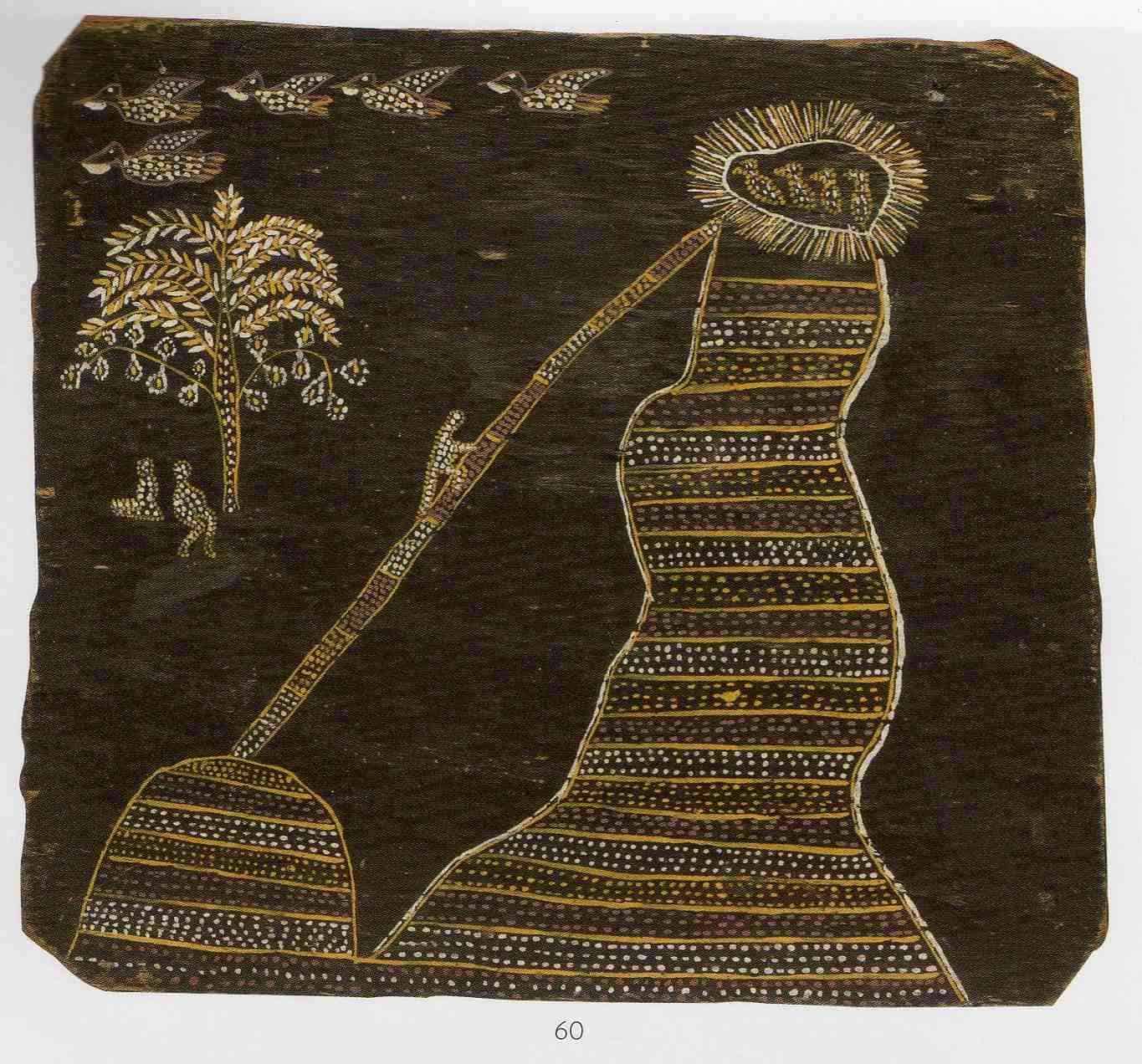
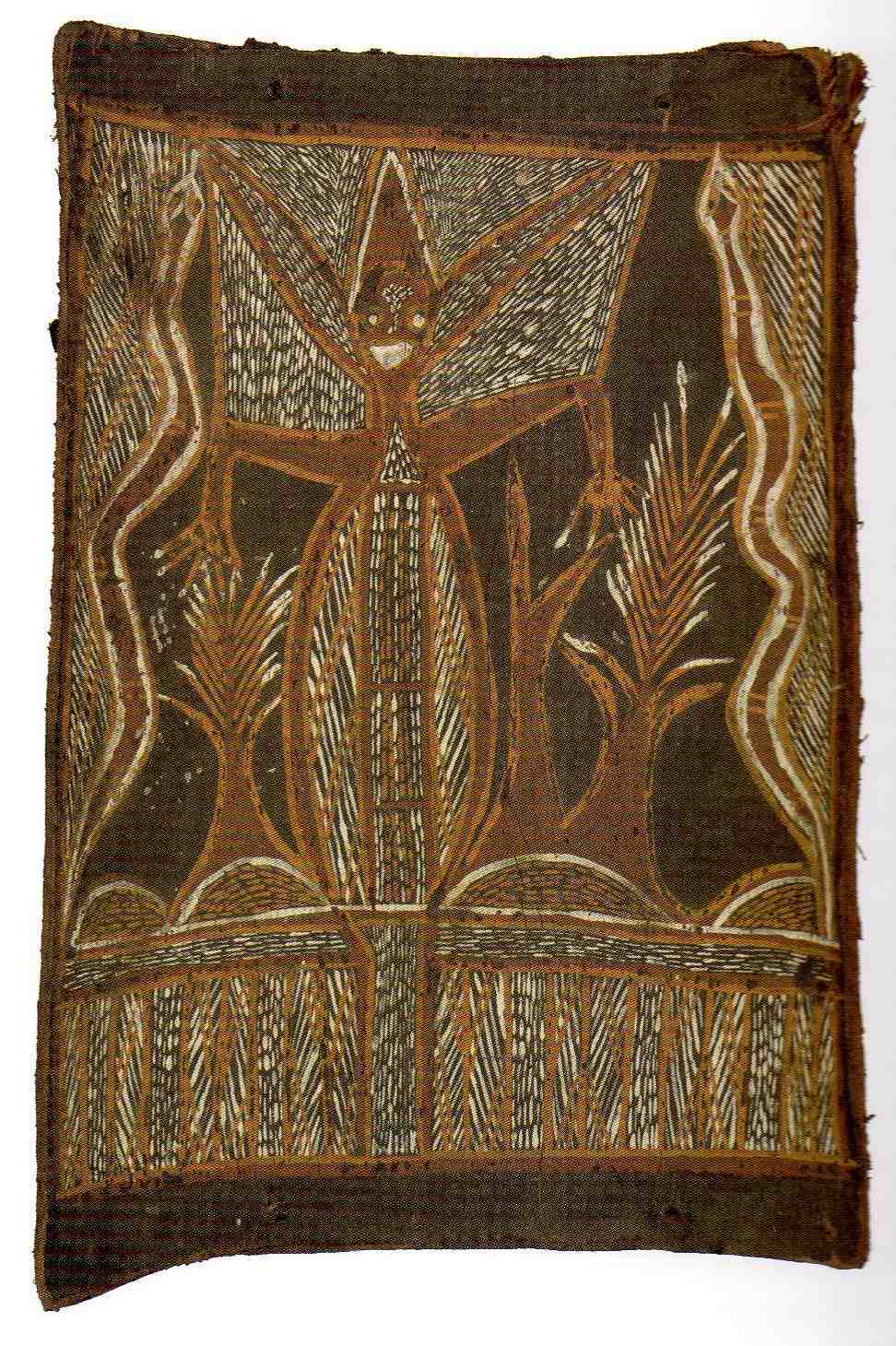
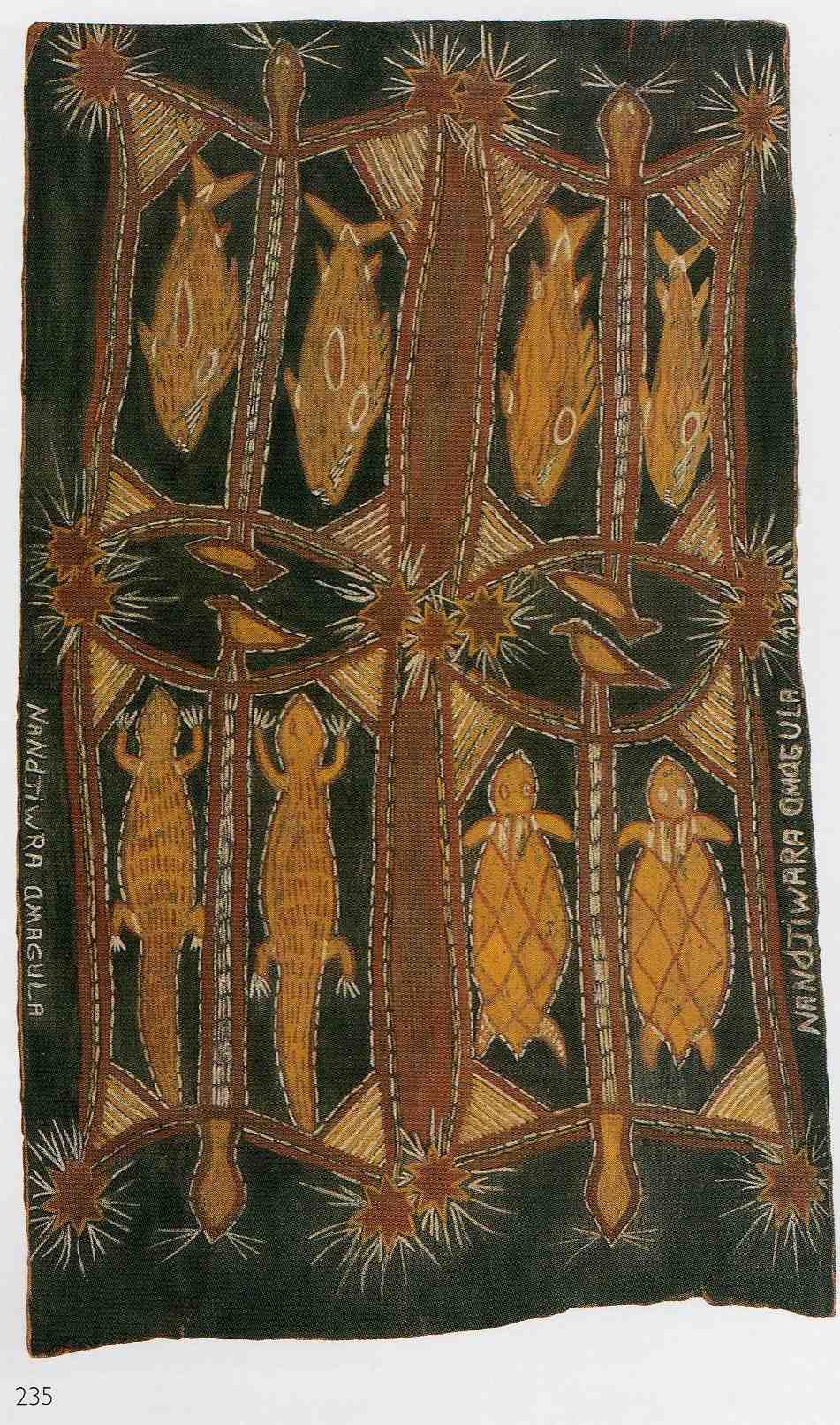
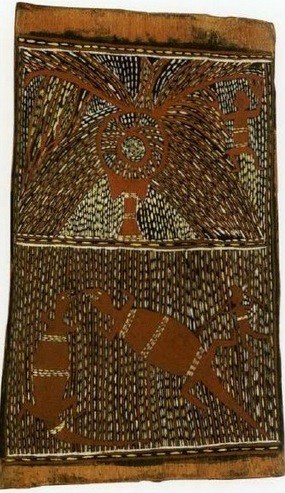
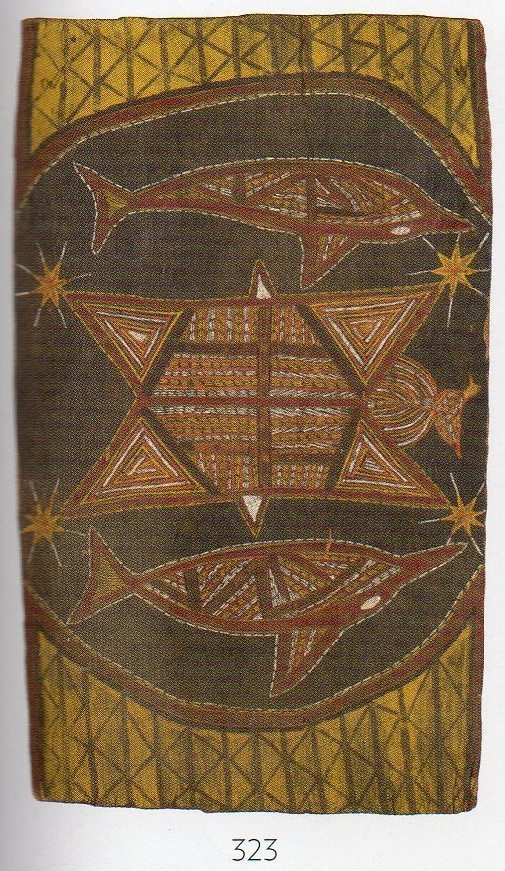
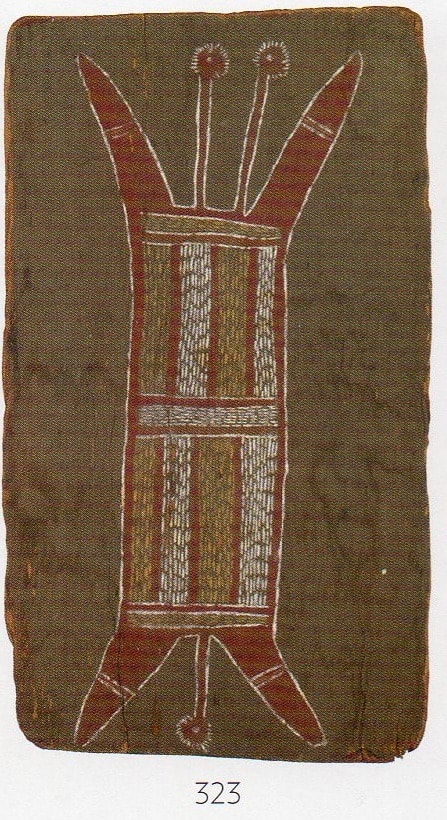
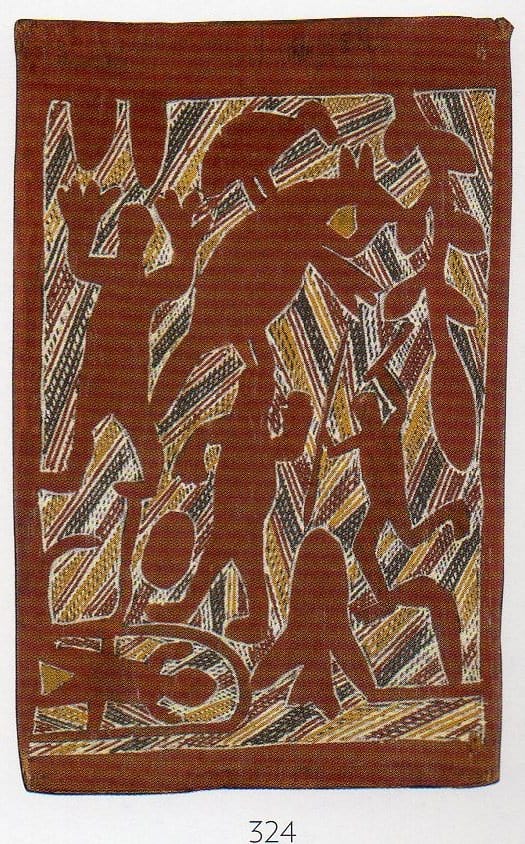
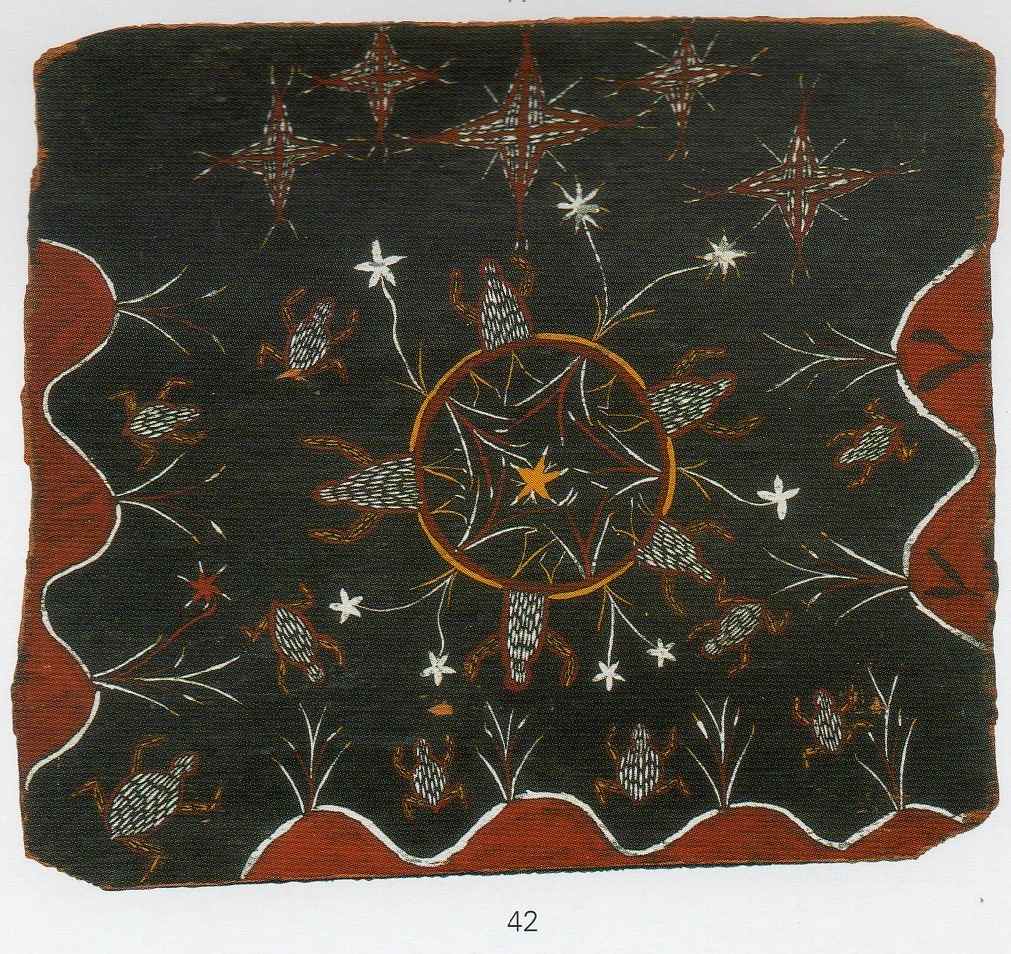
Thomas Nandjiwarra Amagula (also known as Nandjiwarra Amagula, Nanungumirribiya, or Armagoola) is one of the most important Anindilyakwa artists associated with the traditional Groote Eylandt Art movement of the mid-twentieth century. His bark paintings, deeply rooted in ceremonial Anindilyakwa Dreaming traditions, are renowned for their black-ground compositions, dense coloured dash infill, and complex depictions of ancestral beings, marine life, and ceremonial narratives. Many of his most important works explore creation stories, seasonal wind ceremonies, and Morning Star imagery connected to the spiritual traditions of Groote Eylandt.
Beyond his importance as a bark painter, Amagula was also a respected political negotiator, cultural leader, and advocate for the Anindilyakwa people during the period of manganese mining development on Groote Eylandt. His influence extended far beyond the art world into land rights, cultural preservation, and community leadership. Stylistically, his bark paintings are closely related to those of Jabarrgwa (Kneepad) Warrabadalumba and Nandabitta Maminyamandja, although his larger ceremonial works are often distinguished by increasingly complex narrative compositions and powerful spiritual imagery.
How to Sell or Value a Nandjiwarra Amagula Painting
If you own a bark painting that you believe may be by Thomas Nandjiwarra Amagula, feel free to email clear images together with dimensions, provenance, and any known collection history. I can assist with authentication, valuation, and identification of works attributed to Thomas Nandjiwarra Amagula and related Groote Eylandt Art traditions.
I maintain a reference database of known bark paintings by Amagula as well as comparative works by other artists
The Artistic Style of Thomas Nandjiwarra Amagula
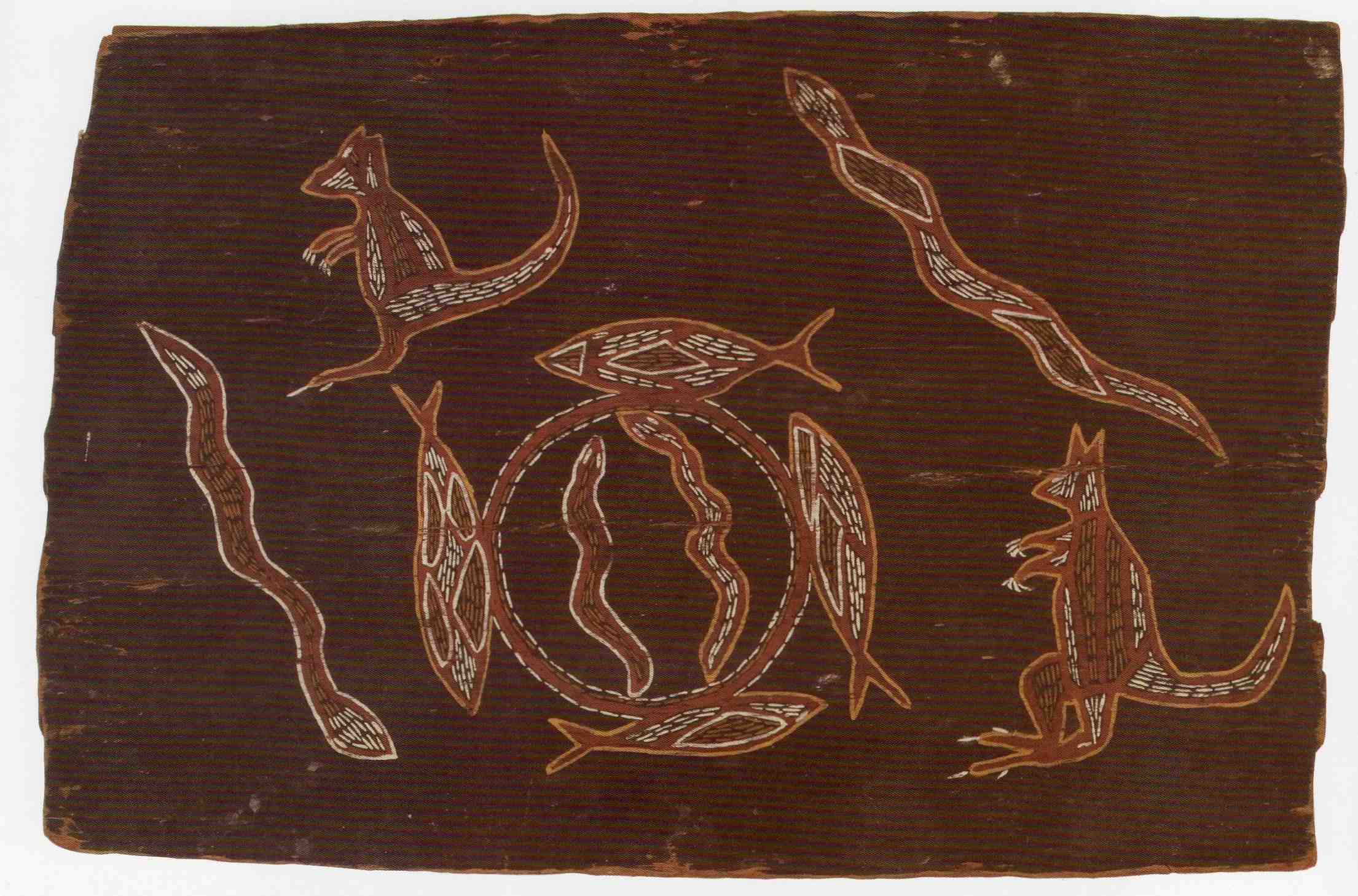
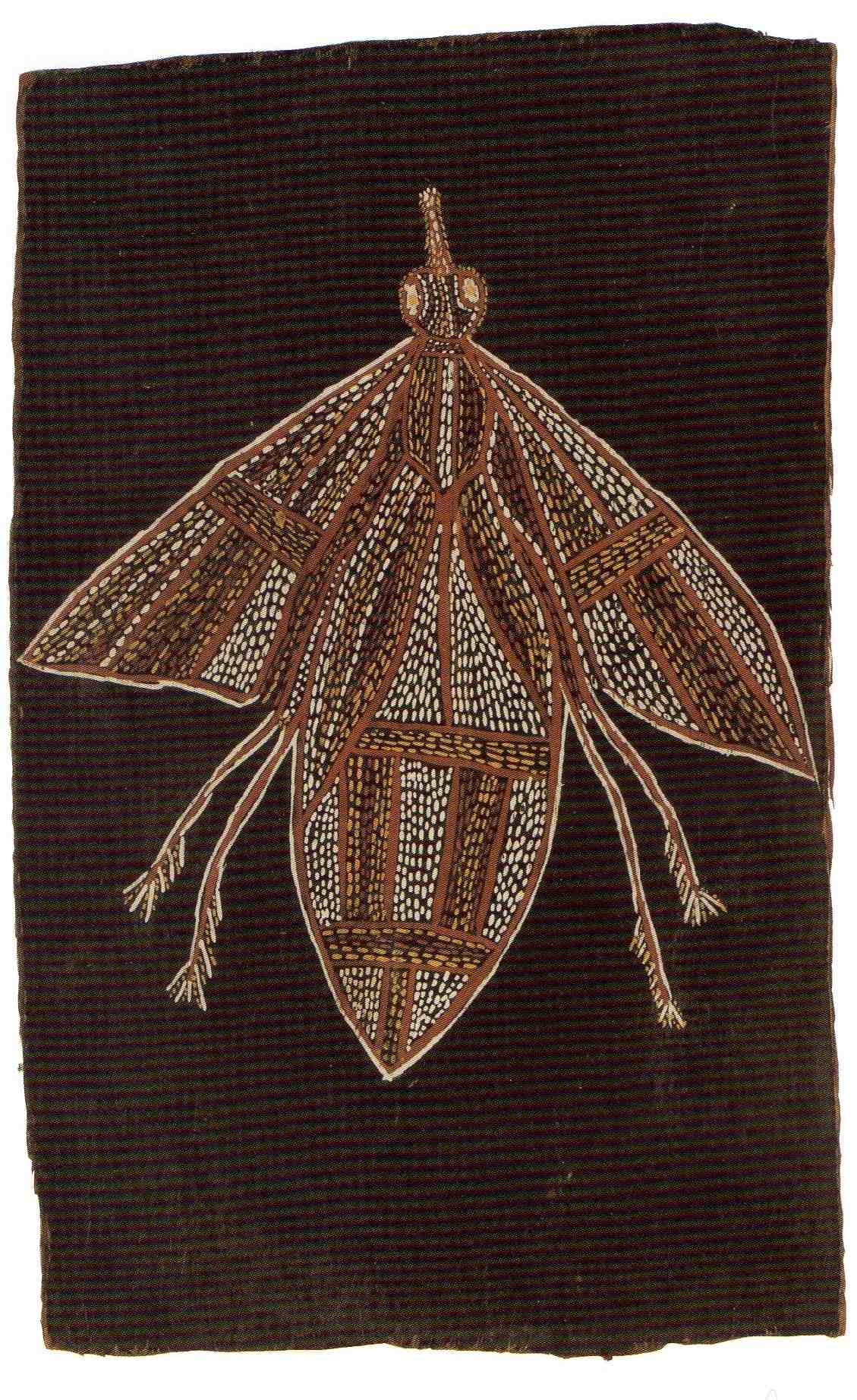
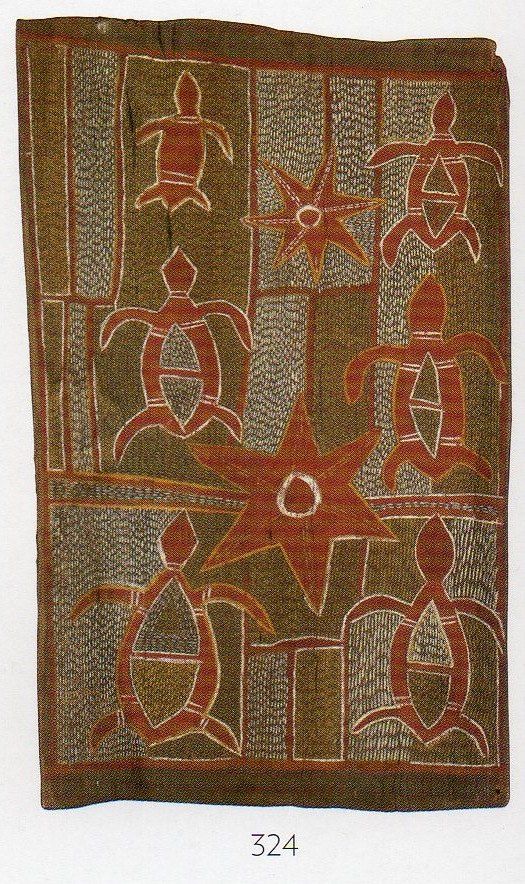
Nandjiwarra Amagula’s aboriginal bark paintings are instantly recognisable for their Groote Eylandt style: intricate coloured dash patterns layered on dark brown or black backgrounds. This technique gives his works a striking depth and spiritual resonance.
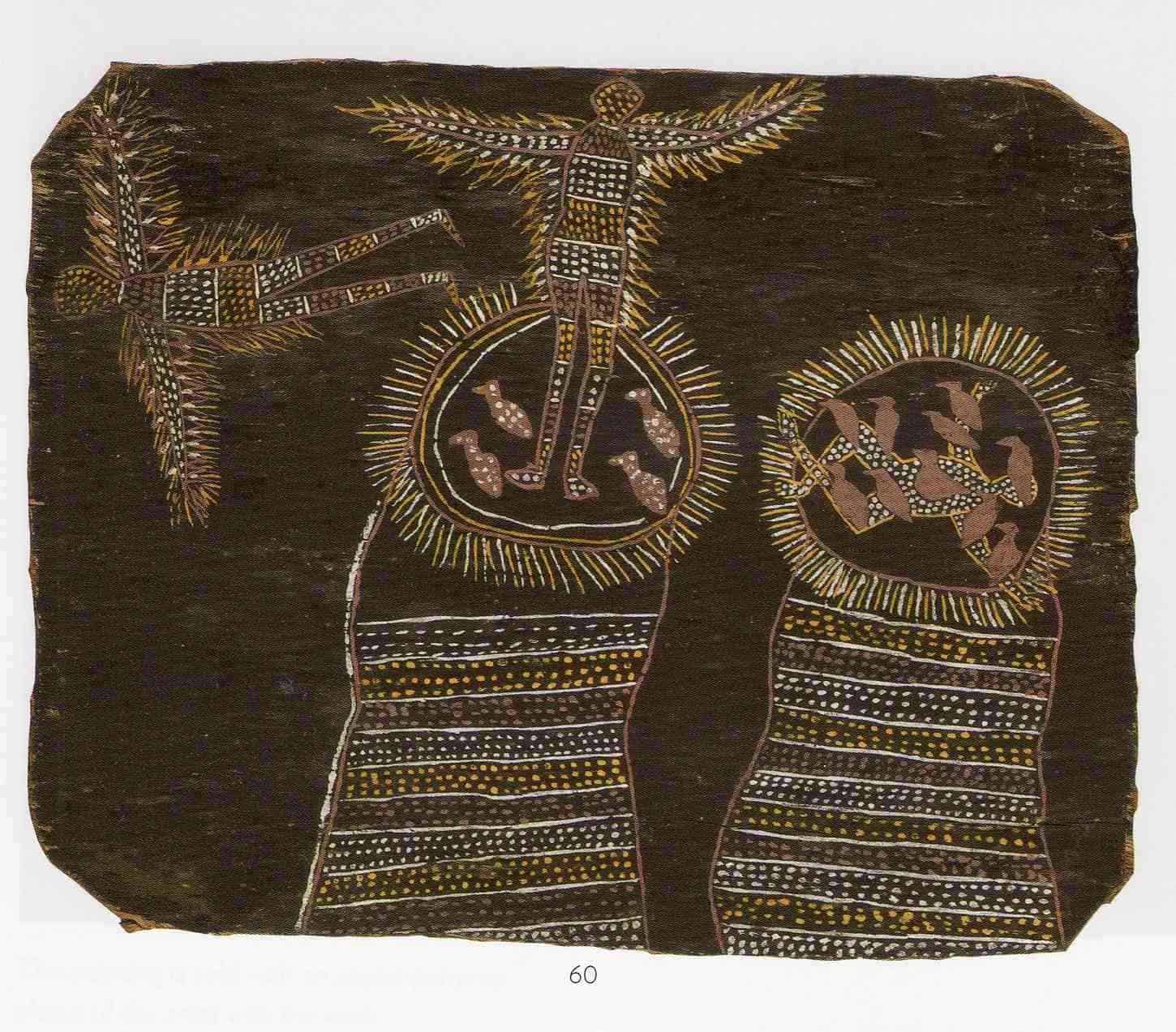
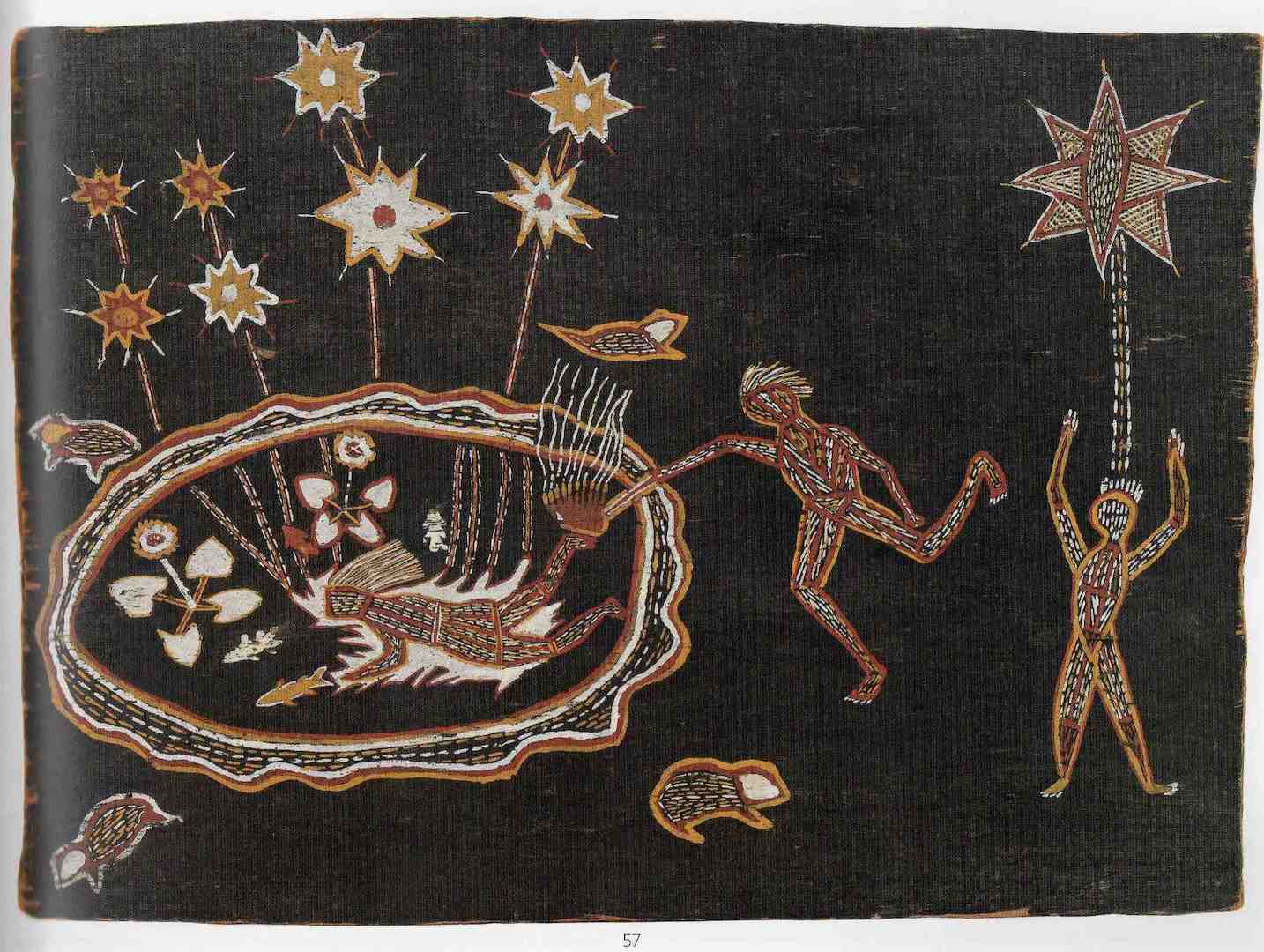
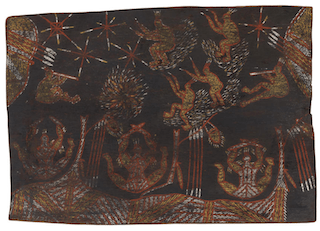
Early works often depict totemic animals such as shells, insects, and sawtooth sharks. His larger ceremonial compositions are more complex, portraying multiple ancestral figures without facial features, their bodies covered in stippled textures symbolising spiritual energy.
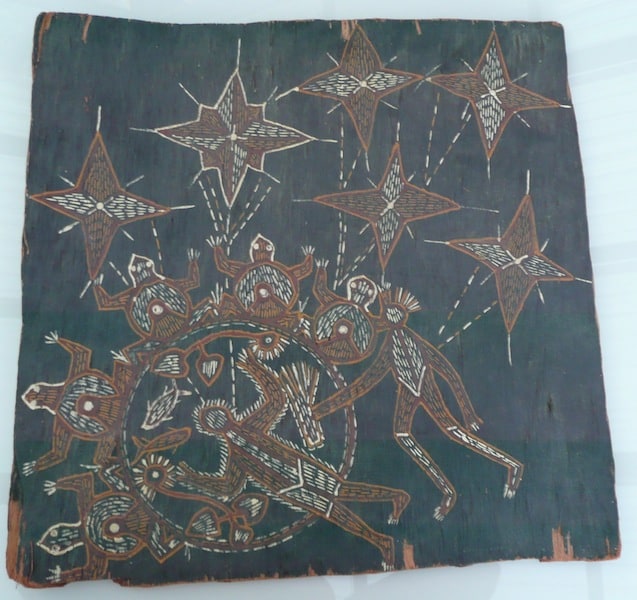
One of his most recognisable elements is the Morning Star motif, an important symbol in Groote Eylandt cosmology, frequently incorporated into his more significant ceremonial pieces.
Dreaming Stories and Ceremonial Paintings
Many of Nandjiwarra Amagula’s bark paintings depict sacred ceremonies and creation stories passed down through Anindilyakwa oral tradition. These works hold deep spiritual meaning and are among the most valuable to collectors.
Unsigned examples do exist and may be challenging to identify, as they can resemble works by contemporaries such as Jabarrgwa Warrabadalumba Kneepad or Nandabitta Maminyamandja. Provenance research and expert authentication are essential for accurate attribution.
Biography of Nandjiwarra Amagula
Born on Groote Eylandt, Nandjiwarra Amagula rose to prominence in the 1960s and 1970s during a time of rapid change brought by manganese mining operations. As Chairman of the Angurugu Council in 1969, he became chief negotiator with BHP and GEMCO, securing environmental protections and ensuring mining royalties funded housing, education, and healthcare.
In recognition of his leadership, he was awarded the Member of the Order of the British Empire (MBE) in 1970. In 1974, he became the Northern Territory’s second Aboriginal magistrate. He later served as Chairman of the Aboriginal Cultural Foundation (1981) and the Groote Eylandt Aboriginal Task Force (1985), and worked with the Aboriginal Benefits Trust Fund and the BHP Royalties Trust Fund.
Beyond his political and cultural work, Amagula appeared as Charlie in Peter Weir’s 1977 film The Last Wave. His artworks are held in prestigious collections, including the National Gallery of Australia in Canberra.
If anyone knows more information about the biography of Thomas Nanjiwara please contact me as I would like to add it to this article.
Collecting Nandjiwarra Amagula Bark Paintings
A Nandjiwarra Amagula bark painting is both an artistic treasure and a cultural document. Works depicting complex ceremonial scenes or featuring the Morning Star motif tend to attract the highest interest at auction.
Alternate Names and Spellings
- Nandjiwarra Amagula
- Thomas Nandjiwarra Amagula
- Amagula Nandjwarra Nanungumirribiya
- Armagoola Nandjiwarra
Nandjiwarra Amagula’s Groote Eylandt bark paintings continue to be celebrated as a bridge between traditional Anindilyakwa culture and the challenges of a modernising world. His works embody the enduring strength of Groote Eylandt heritage and remain a cornerstone of serious Aboriginal art collections.
All images in this article are most importantly for educational purposes only.
This site may contain copyrighted material the use of which was not specified by the copyright owner.
Other Groote Eylandt Articles and Artworks
Meaning of Thomas Nanjiwarra Amagula artworks
The Wind Tree dreaming
The Ancestral Origins of the Angurugu River
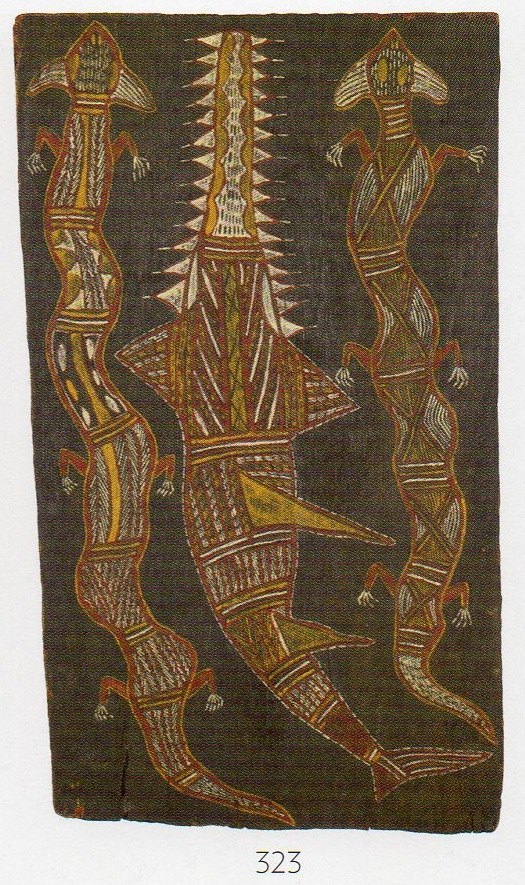
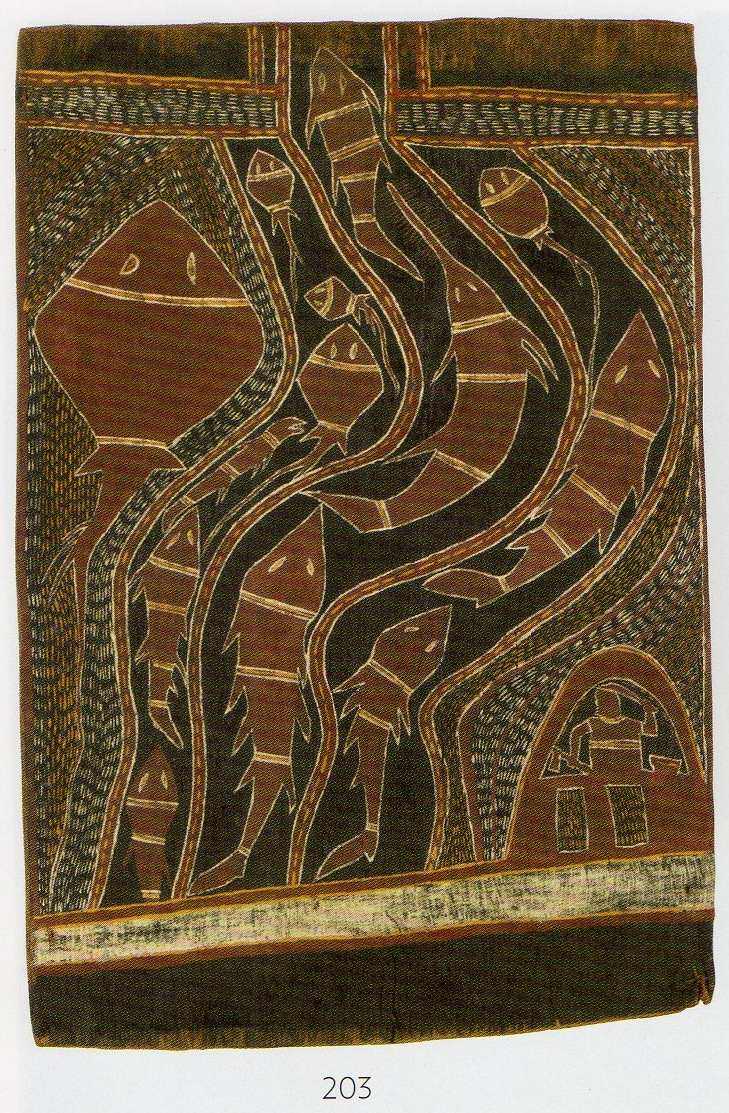
At first glance, a European viewer might take this bark painting by Amagula for a purely decorative depiction of large fish. In truth, it encodes one of the most important Anindilyakwa creation narratives — the story of how three ancestral beings shaped the waterways and topography of Groote Eylandt.
The Three Ancestral Beings
The narrative centres on three Alawudawarra (ancestral beings):
- Yukurrirridangwa — the Sawfish
- Dumarnindangwa — the Manta Ray
- Manggabaramerra — the Shovel-nosed Shark
These beings swam together from Blue Mud Bay on the mainland across the sea to the island’s western coast. Upon arrival, Yukurrirridangwa, the Sawfish, used its serrated snout to cut a channel into the land, releasing freshwater from underground springs. This act created the Angurugu River, which still flows across Groote Eylandt’s western landscape.
The Shovel-nosed Shark, Manggabaramerra, remained within the river and transformed into a great rock — a permanent ancestral presence. Dumarnindangwa, the Manta Ray, continued its journey eastward until reaching Lake Angurugubiraon the island’s eastern shore.